


Gold Brass Lamp Base
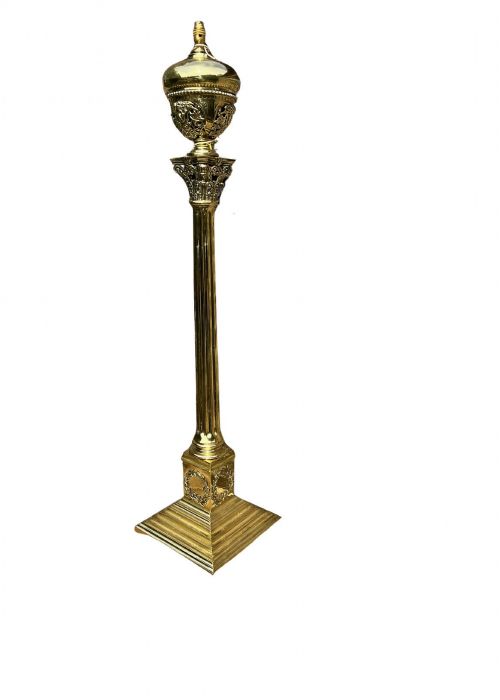
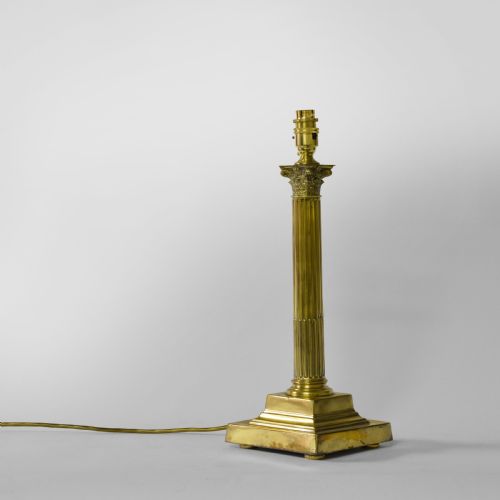
A gold brass lamp base brings warm metallic light to a room, drawing on Victorian, Edwardian and classical column designs.
Gold Brass Lamp Base
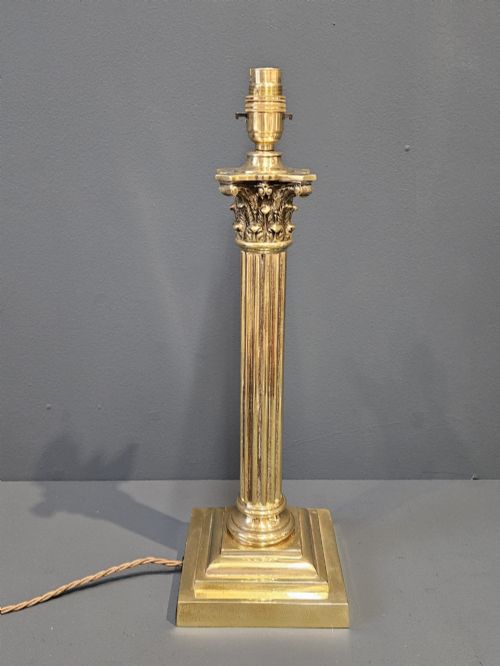
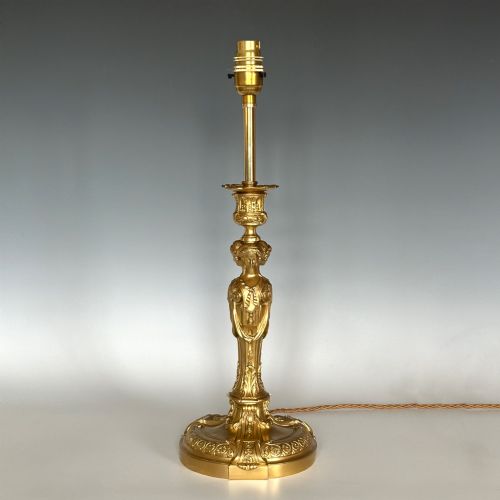
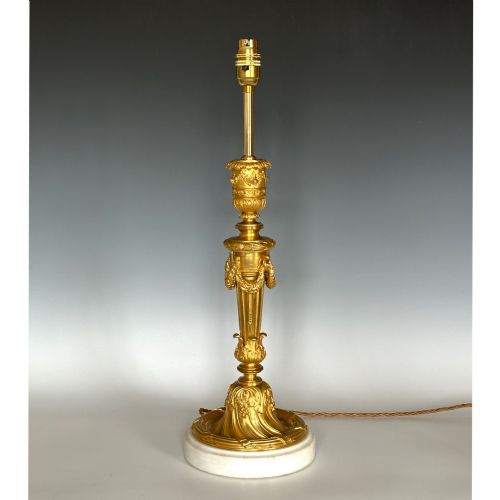
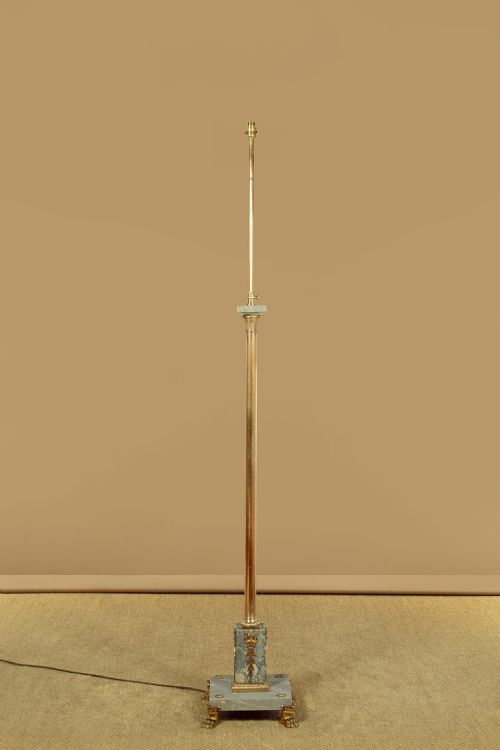
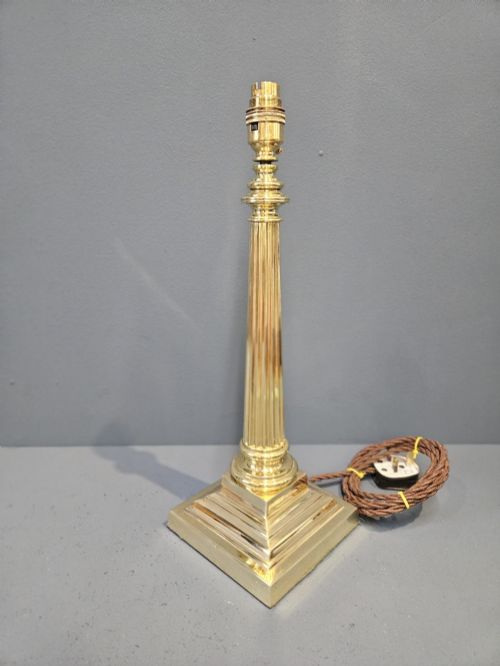
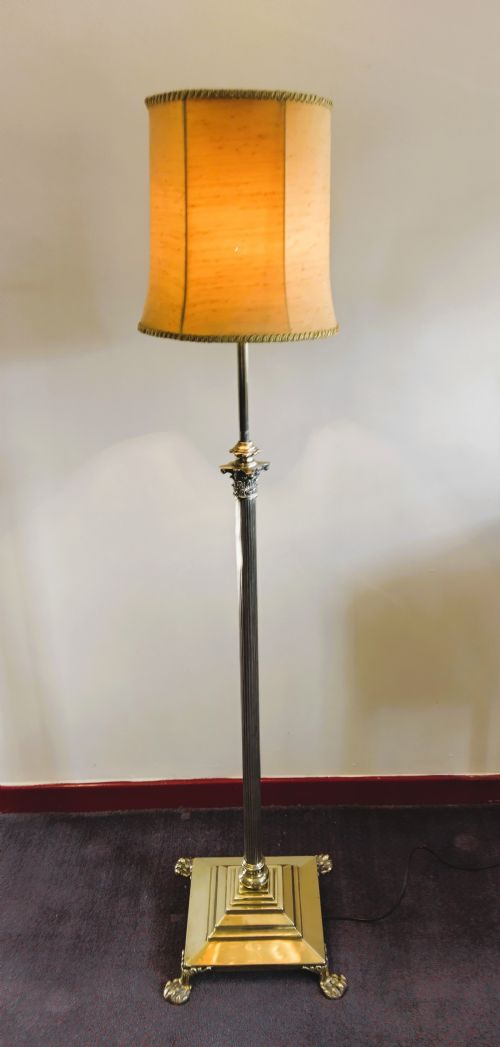
A gold brass lamp base is what you find when looking for heavy metal illumination, spanning table and floor standard formats. The selection here leans heavily towards classical column forms from the Victorian and Edwardian periods.
Many pieces originate from the nineteenth and early twentieth centuries, displaying styles such as Neoclassical, French Rococo Revival and Art Deco. Buyers encounter everything from simple barley twist stems to ornate Corinthian columns.
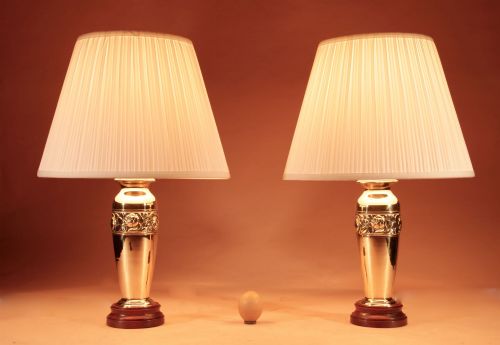
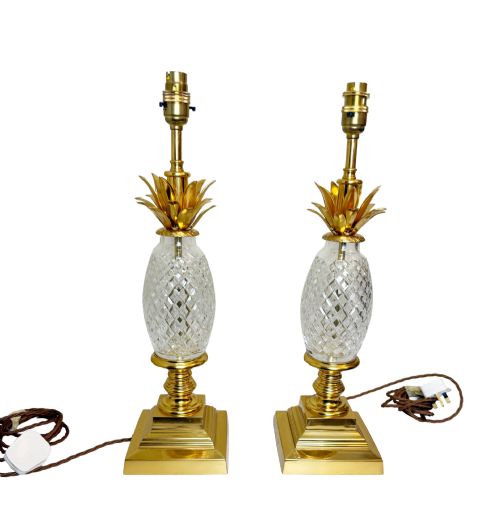
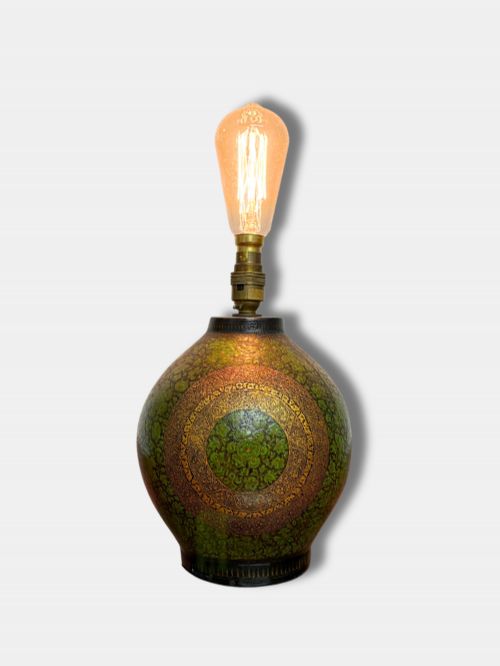
Floor lamps and standard lamps appear alongside smaller table variations, sometimes incorporating materials like marble, crystal, fabric and gilt bronze. Certain examples originate from Kashmiri and Japanese Meiji traditions.
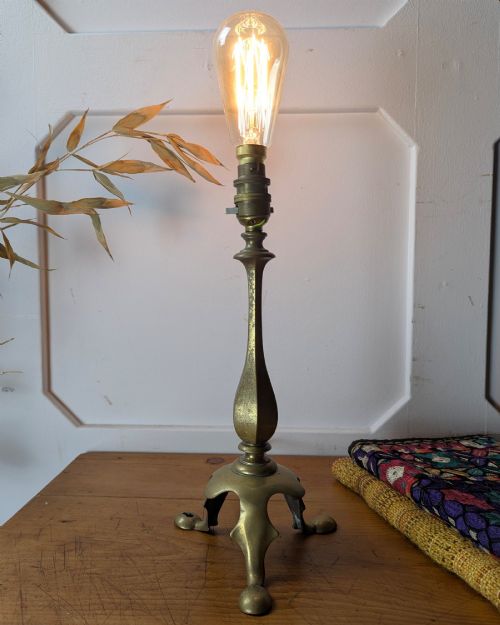
The objects frequently adapt older oil lamps or candlesticks into electrical fittings. This conversion process retains historical metalwork while accommodating modern domestic lighting needs.
Materials and construction methods
Makers utilised cast and pressed brass, ormolu and gilt bronze to achieve rich metallic surfaces. These metals receive various finishes, from polished golden sheens to intricate floral openwork and chased detailing.
Structural variety comes from combinations with marble, wood, glass and faux lapis lazuli columns. Heavier standard lamps often employ solid brass or weighted bases to support tall frames safely.
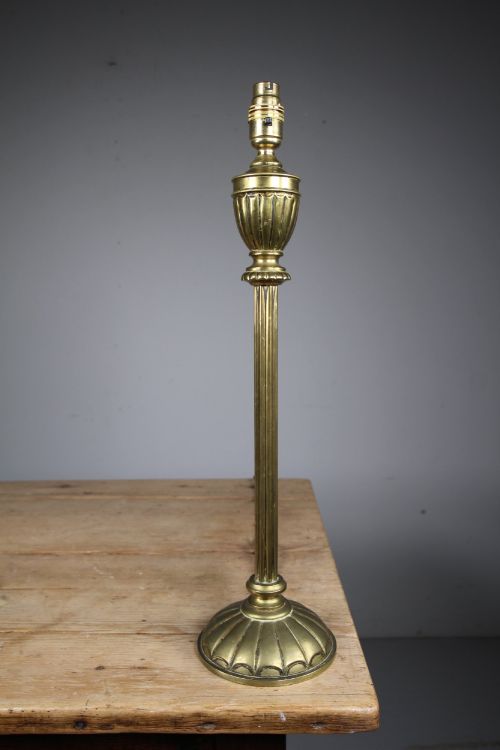
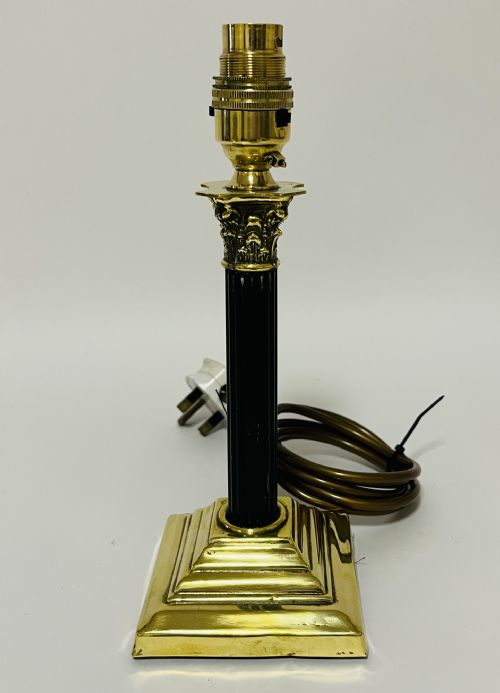
Decorative elements draw on classical architecture and European revival styles, incorporating reeded shafts, Corinthian capitals and eagle motifs. Metalwork often pairs with crystal drops or hand-painted components.
Listings feature brass, gilt bronze, and ormolu materials across Victorian, Edwardian, and 1920s periods.
Assessing quality in period metalwork
Weight and substance set finer examples apart from lighter productions, as seen in heavy solid brass oil lamps and substantial gilt bronze castings. Superior pieces demonstrate crisp definition in column fluting and capital enrichment.
The finesse of surface chasing and the integration of secondary materials like marble or crystal indicate higher workshop standards. Original gilding and well-preserved patination carry more authority than later re-plating.
Proportion and scale dictate the visual presence of a floor or table standard, with superior examples maintaining balanced architectural lines. The complexity of the metalwork, whether pressed Oriental motifs or cast rococo scrolls, reflects the original maker's ambition.
The Gold Brass Lamp Base Glossary
- Ormolu
- Gilded bronze applied to ornamental objects, popular in French furniture and lighting. It provides a rich gold-coloured surface finish.
- Corinthian column
- An architectural order featuring ornate capitals decorated with acanthus leaves. This motif appears frequently on nineteenth-century table and standard lamps.
- Barley twist
- A spiral carving or metal-forming technique resembling a twisted rope. It creates dynamic light reflection along the lamp stem.
- Gilt bronze
- Bronze metal coated with a thin layer of gold. It offers durability combined with a lustrous decorative appearance.
- Baluster
- A moulded shaft with a swelling lower portion. This form is common in hexagonal and turned lamp bases.
Gold Brass Lamp Base: Frequently Asked Questions
How do I date a brass lamp base?
Dating relies on stylistic clues, construction methods and material choices typical of specific eras such as the Victorian period or the 1920s. Examining the wiring methods and hardware also helps establish the age of conversion.
Heavier cast components and classical column designs usually point to nineteenth-century manufacture. Lighter pressed brass and geometric motifs often indicate early twentieth-century production.
Are these lamps converted from oil lamps?
Many period pieces start life as oil lamps or candlesticks before receiving modern electrical fittings. This practice preserves original metalwork while making them usable for contemporary lighting.
Conversion evidence appears around the burner mechanism or base where switches and cords integrate. Collectors value these adaptations for retaining authentic period patination.
How do I clean an antique brass lamp?
Maintenance requires gentle dusting with a soft cloth to preserve the natural patination built up over decades. Aggressive metal polishes strip away historical character and should be avoided.
Keeping the surface dry prevents corrosion on older gilt metal and bronze. Specialist conservation waxes can protect vulnerable finishes without altering their appearance.