

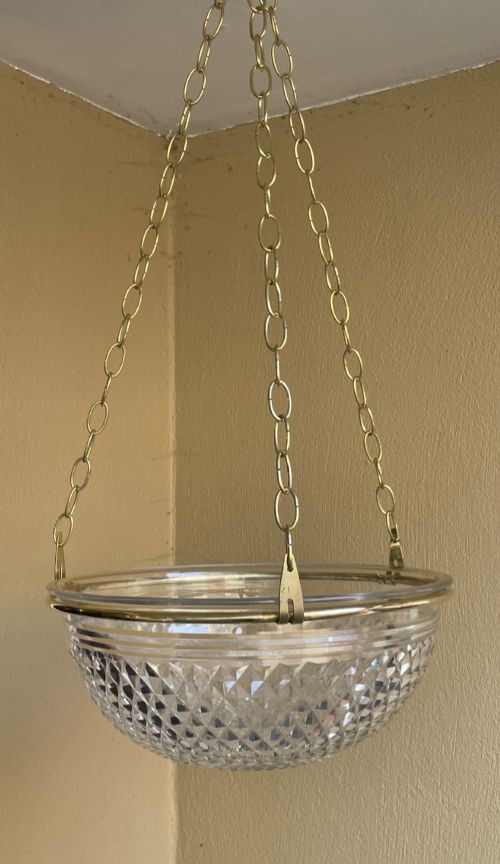
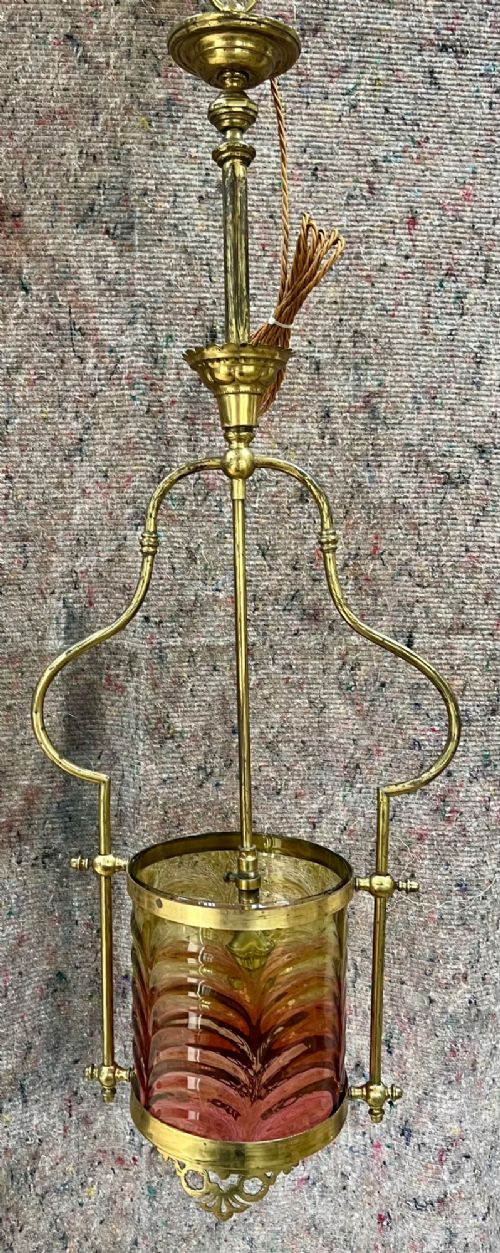
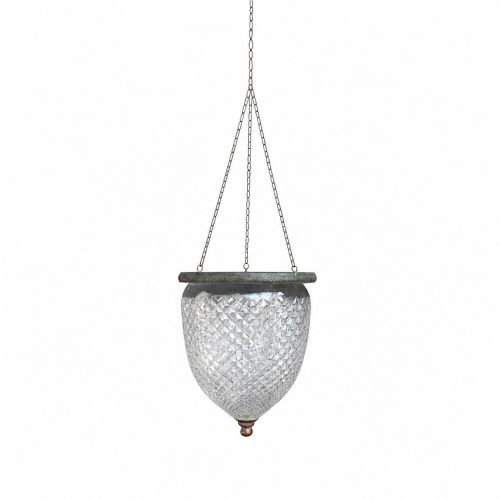
Edwardian Lighting Fixture
An edwardian lighting fixture brings sophisticated illumination into a room, spanning grand brass chandeliers, copper pendants and delicate glass lanterns.
Edwardian Lighting Fixture
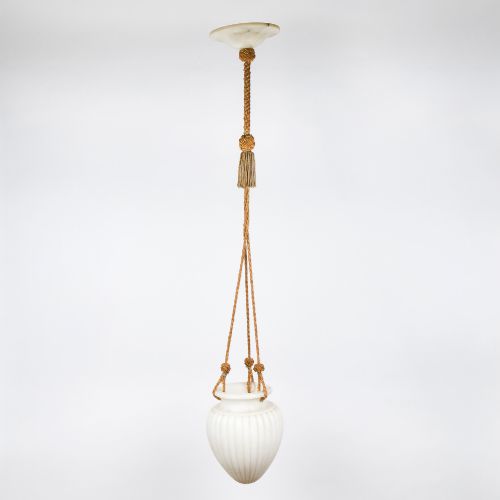
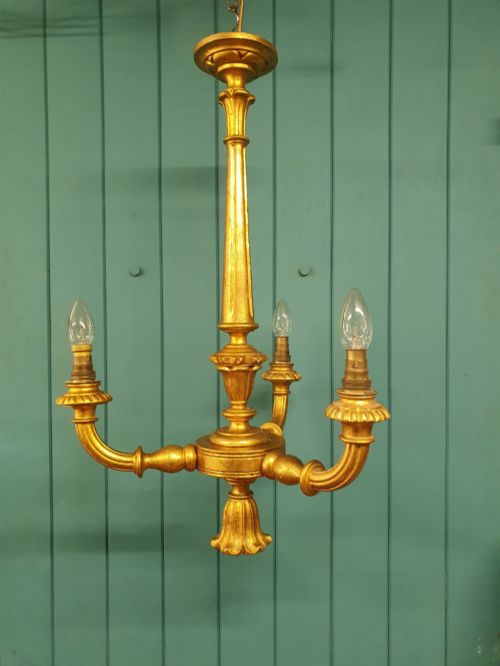
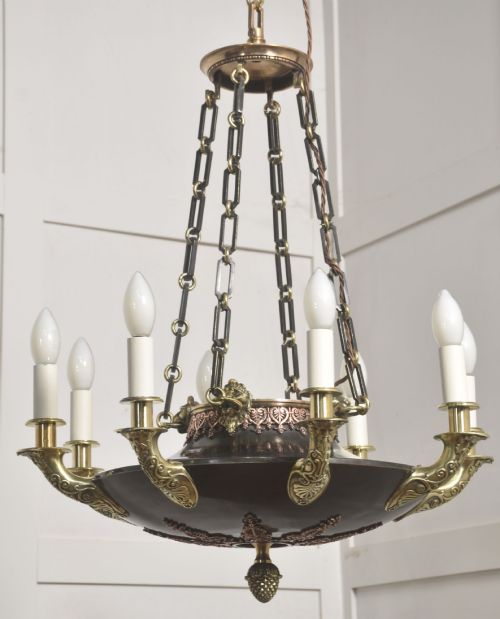
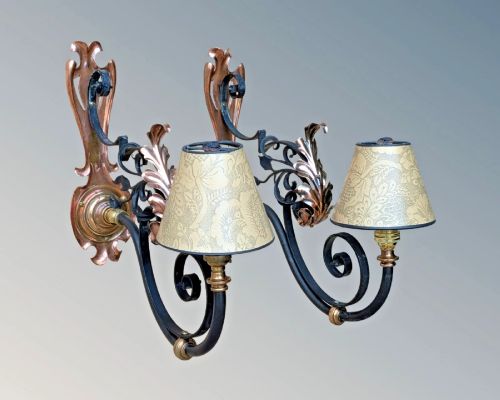
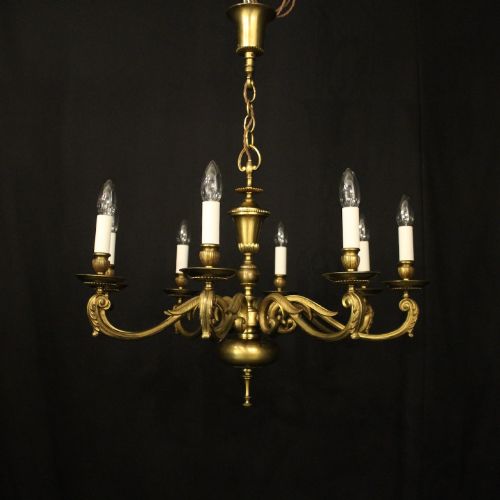
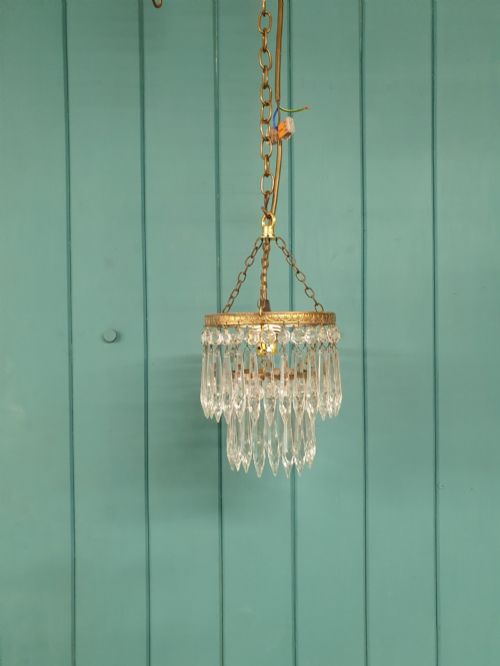
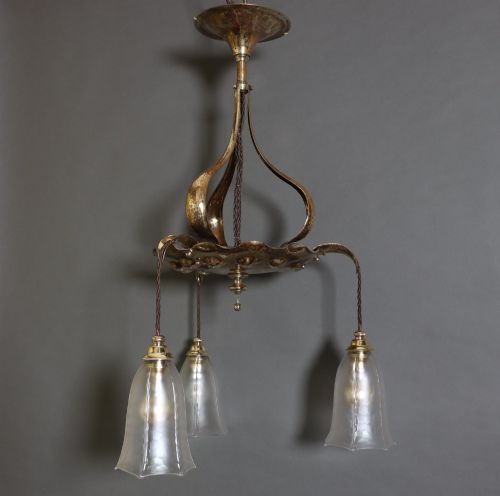
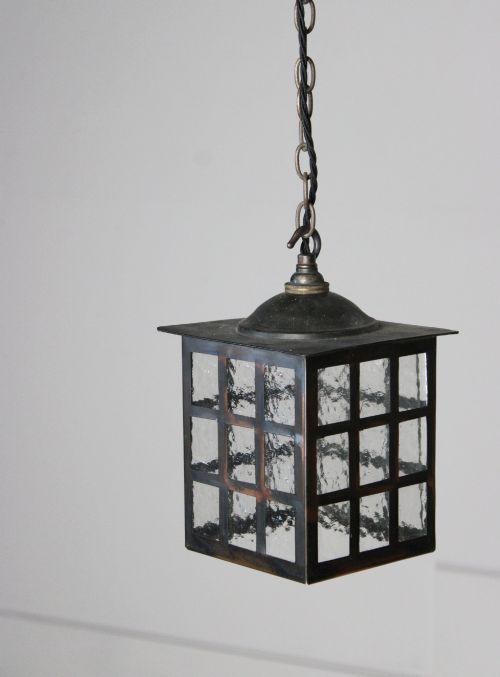
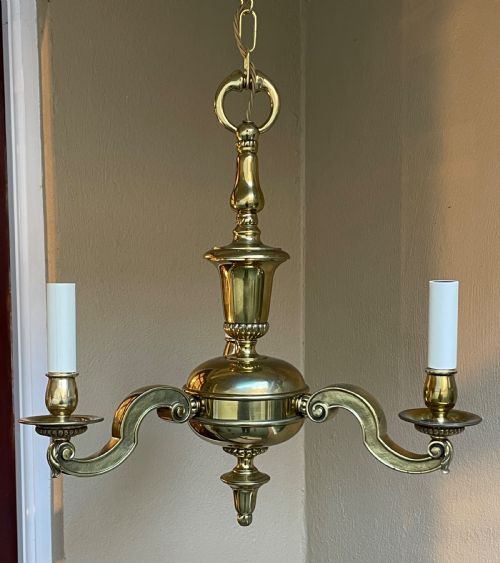
An edwardian lighting fixture encompasses a diverse range of period pieces designed to illuminate interior spaces, drawing from Edwardian, Victorian and early 20th century aesthetics. Buyers searching for an edwardian lighting fixture encounter everything from multi-arm brass chandeliers and cut glass pendants to copper hall lanterns and leaded stained glass porch lights. These objects reflect the stylistic shifts occurring around the turn of the century, moving from heavy Victorian forms toward lighter, airier designs influenced by Art Nouveau and Arts and Crafts principles.
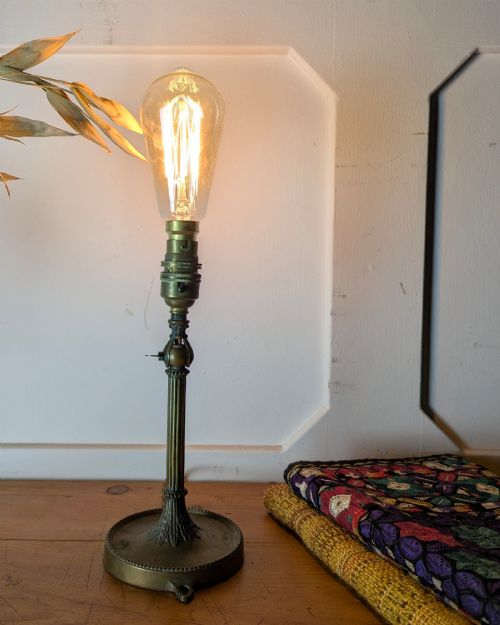
The selections span distinct object types including ceiling lights, wall lights, table lamps, standard lamps and hanging lanterns. Many examples incorporate cut glass crystals, bevelled glass panels or moonstone shades to diffuse light effectively across a room. Whether examining a modest dome top chandelier or an eight-light brass fixture, these items serve both functional and decorative roles within domestic interiors.
Materials and construction
Makers utilised cast and forged metals for the structural skeletons of these fixtures, predominantly employing brass, copper, bronze and wrought iron. Metal components were frequently polished, gilded or left with a natural finish, while details such as lion masks or leaf decorations added ornamental depth. Structural frames securely held glass elements, ranging from simple blown shades to intricate leaded stained glass and bevelled glass panels.
Glass production played a central role, utilising cut glass, crystal, moonstone and alabaster to manipulate illumination. Chandeliers featured suspended elements like coffin prisms, spike crystals and coloured crystals that refracted light. Techniques combined metal foundry work with precision glass cutting and leaded assembly, resulting in durable fixtures built to house early electrical wiring or gas fittings.
Listings feature periods spanning from the late 19th century through the Edwardian era into the 1930s, constructed in brass, bronze, copper and glass.
Distinguishing quality
Quality in these fixtures rests upon the calibre of metalwork and the clarity of the glass used in construction. Finer examples display crisp casting details on brass and bronze frames, robust structural joints, and heavy, well-cut crystal or moonstone rather than pressed substitutes. The integration of decorative elements, such as hand-carved giltwood or complex leaded glass patterns, separates standard production pieces from more ambitious commissions.
Proportion and material harmony further define the upper tier of pieces. A well-balanced frame where brass, copper and glass complement one another without heavy-handed restoration indicates superior period craftsmanship. The depth of patination on unlacquered metals and the structural integrity of multi-arm assemblies determine the enduring appeal of each fixture.
The Edwardian Lighting Fixture Glossary
- Plafonnier
- A ceiling-mounted lighting fixture with a flat or shallow-domed glass shade set flush or close to the ceiling. These pieces distribute soft, ambient light downward into hallways or smaller rooms.
- Coffin prism
- A long, flat, wedge-shaped glass crystal cut with facets that catch and refract light. They dangle from the arms of period chandeliers to increase brilliance.
- Moonstone light
- A lighting fixture featuring milk-white, opalescent glass that diffuses a soft glow resembling moonlight. This glass type became popular during the early 20th century for pendants and ceiling lights.
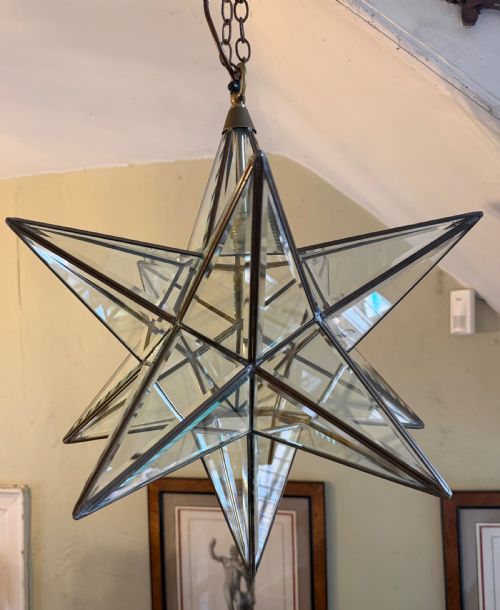
- Moravian star
- A multi-pointed geometric glass and metal hanging lantern, often shaped like a star with numerous facets. They typically house a single bulb inside bevelled glass panels.
- Rise and fall chandelier
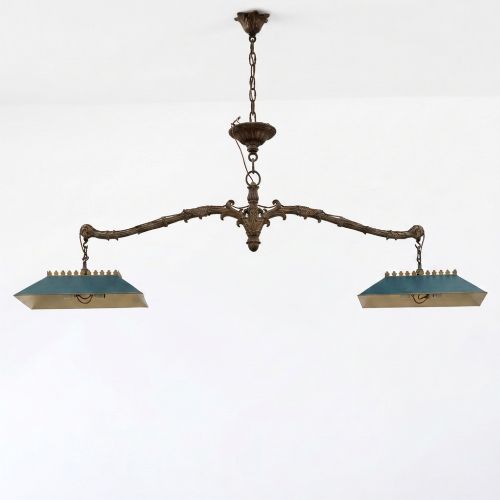
- A mechanical lighting fixture suspended on a weighted pulley system that allows the height of the light to be adjusted vertically. This mechanism was particularly useful over billiard tables and dining spaces.
Edwardian Lighting Fixture: Frequently Asked Questions
How do I hang a heavy brass chandelier?
Hanging a heavy period chandelier requires securing the fixture directly into the ceiling joists or using a robust ceiling rose with a proper load-bearing hook. The weight of brass and crystal components necessitates professional installation to ensure structural safety.
Electrical wiring must also be assessed and updated to support the metal frame and ensure compliance with modern standards before final suspension.
Can these fixtures take modern light bulbs?
Most period fixtures can accommodate modern LED bulbs provided the physical dimensions fit within the shade or glass enclosure. Care must be taken to check the interior clearance of domes, lanterns and clustered arms.
Working with an electrician allows the internal lamp holders to be safely adapted or rewired while preserving the exterior historical appearance.
Where were hall lanterns placed in homes?
Hall lanterns were traditionally hung in entrance hallways, vestibules and stairwells to greet visitors and provide bright, directional illumination near the front door. Their enclosed glass designs protected the flame or bulb from drafts.
These pieces also served to showcase the decorative style of the household immediately upon entering the property.
What is the difference between Arts and Crafts and Art Nouveau lighting?
Arts and Crafts lighting emphasises honest construction, hand-worked metals like copper and iron, and simple, functional forms. The aesthetic values utility and visible craftsmanship over excessive ornamentation.
Art Nouveau lighting favours organic, flowing lines, natural motifs such as plants and flowers, and sinuous brass or bronze framing that echoes the forms found in nature.