



Brass Copper Oil Lamp
A brass copper oil lamp combines utilitarian warmth with decorative metalwork, bringing period character and warm illumination to any interior.
Brass Copper Oil Lamp
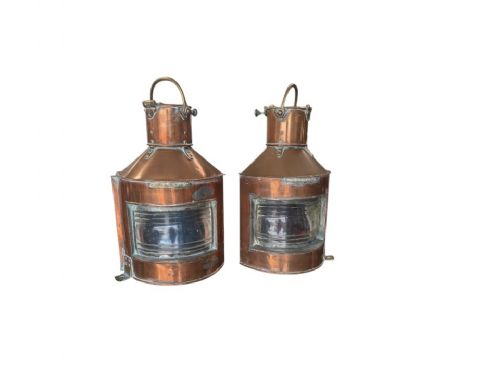
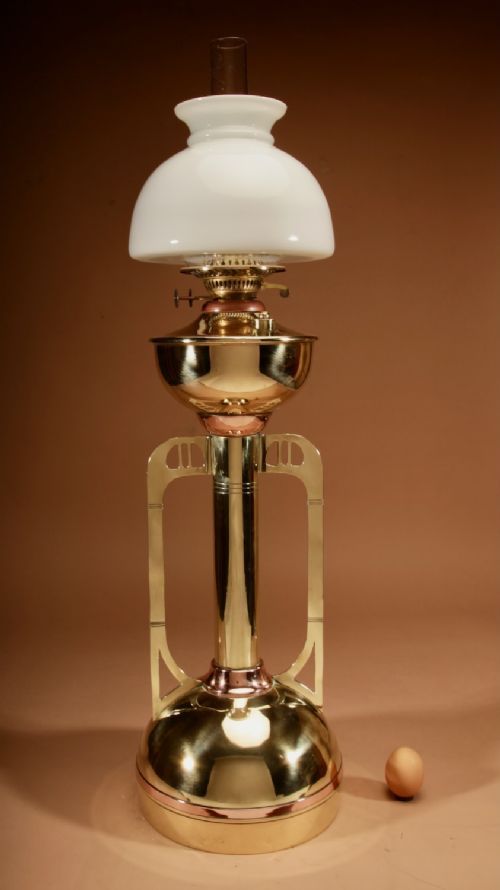
The versions most frequently met on this page span the Victorian and Edwardian eras, alongside distinct Arts and Crafts and Art Nouveau designs. They range from adjustable standard lamps with glass fonts to heavy copper and brass railway carriage and ship lights.
How they were made
Makers utilised spun and hammered copper paired with cast or turned brass components to construct the bodies and reservoirs of these lamps. Metalwork techniques of the period involved joining structural elements with rivets, solder, or threaded fittings to ensure durability.
Many examples incorporate glass elements, utilising clear, cut, cranberry, or vaseline glass for fonts and shades. Some pieces also feature fabric components or specialised mountings such as rattan detailing.
Brass Copper Oil Lamp Retail Price Guide 2026
Typical asking prices for brass copper oil lamp among the pieces listed under this phrase on Sellingantiques today, from the lower quarter to the upper quarter. They describe what is for sale here now, not the wider market.
Listings feature materials including copper, brass, cranberry glass, vaseline glass, and rattan.
What varies in quality
The standard of a brass copper oil lamp depends on the integrity of its metal construction and the weight of the castings. Superior examples display crisp hammering, robust gauge metals, and balanced proportions across extending or adjustable mechanisms.
Artistic attribution and original components further separate standard items from finer works. Pieces associated with notable designers or featuring intact period glass fonts and original shades command greater appreciation among collectors.
Alderson & Gyde Ltd·Gustave Serrurier Bovy·Jan Eisenlöffel·WMF·W A S Benson
The Brass Copper Oil Lamp Glossary
- Standard lamp
- A tall floor-standing lamp designed to illuminate a room from a fixed position. These often feature telescopic or extending columns.
- Font
- The reservoir container that holds the paraffin or oil beneath the burner. They frequently appear in moulded, cut, or coloured glass.
- Port and starboard
- Nautical designations used for marine lighting to indicate the left and right sides of a vessel. Lanterns bearing these markers served functional duties on ships.
- Cranberry glass
- A rich red-pink glass created by adding gold chloride to the molten batch. It is often seen in Victorian shade and font production.
Brass Copper Oil Lamp: Frequently Asked Questions
How do I date a brass copper oil lamp?
Dating relies on stylistic clues, manufacturing techniques, and maker marks stamped into the metalwork. Victorian and Edwardian examples often exhibit distinct aesthetic movements like Arts and Crafts or Art Nouveau.
Material composition and burner types also provide chronological markers. Later twentieth-century reproductions generally lack the hand-finished construction seen in nineteenth-century pieces.
Can these old oil lamps be used today?
Most antique oil lamps found on the market have been converted for modern electrical use. This allows them to function safely as domestic table or floor lighting.
Purists occasionally retain the original burner mechanisms for display purposes only. Conversion rarely damages the underlying copper and brass structure if executed with care.
What is the difference between standard and table lamps?
Standard lamps are tall floor-standing pieces designed to stand directly on the floor. Table lamps are smaller items built to sit elevated on furniture surfaces.
Both types utilise similar brass and copper reservoirs and columns. Adjustable mechanisms frequently appear on floor-standing variants to alter height.
Were ship lanterns meant for indoor use?
Ship lanterns served an entirely utilitarian role on maritime vessels to signal position at sea. They were engineered from heavy copper and brass to withstand harsh weather conditions.
Today, collectors repurpose these rugged nautical pieces for interior decoration. Their robust construction and tinted glass panes give them a distinct industrial aesthetic.