
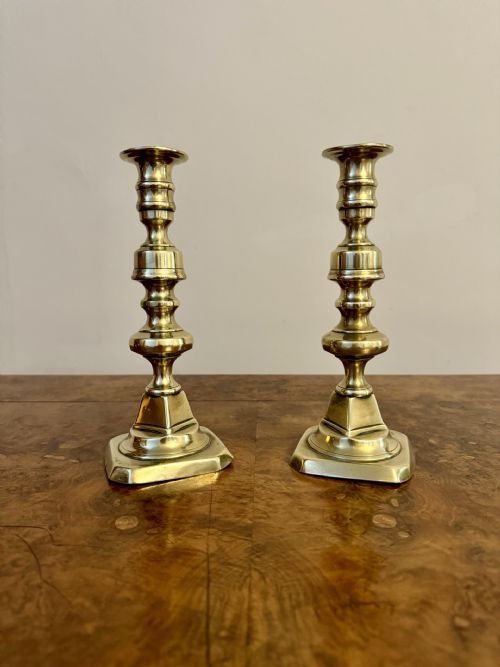
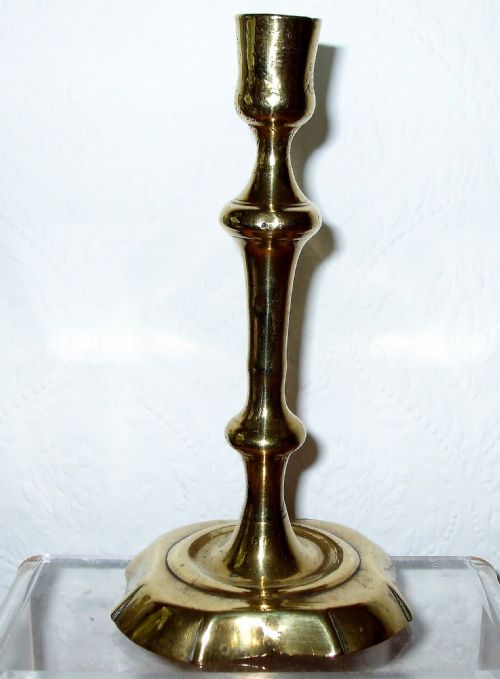
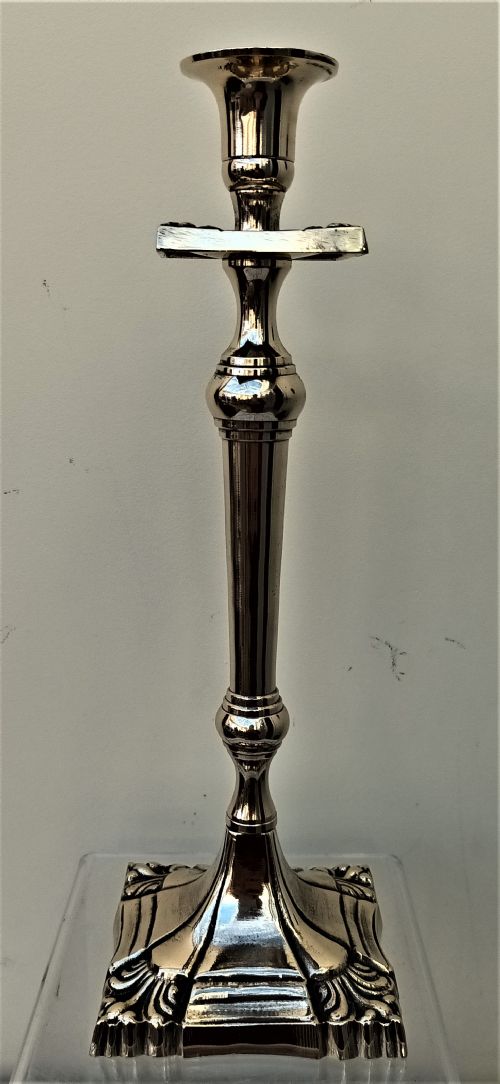
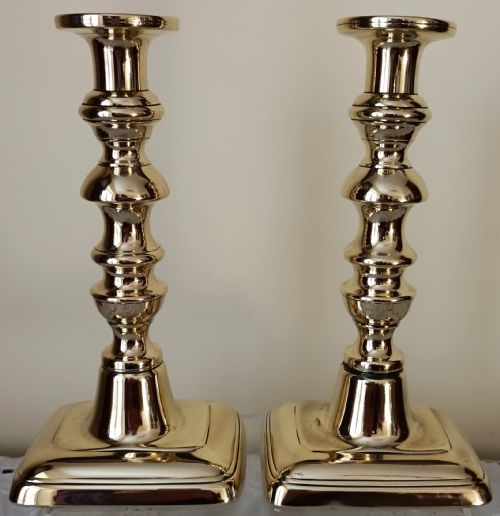
Traditional Brass Light Base
A traditional brass light base provides solid architectural weight and warm metallic reflection, holding steady across Georgian, Victorian and Edwardian iterations.
Traditional Brass Light Base
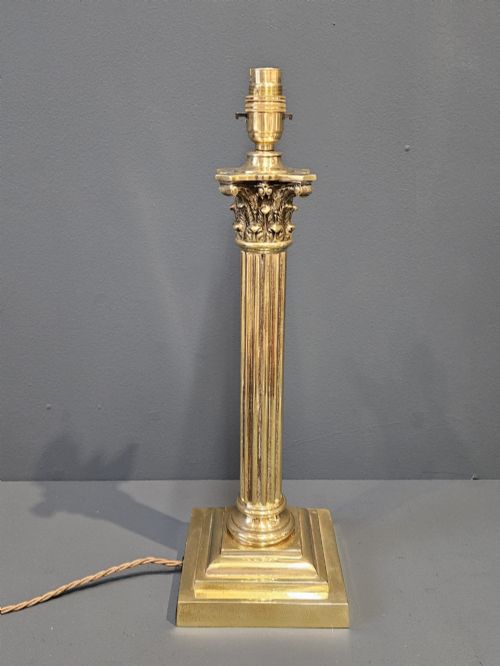
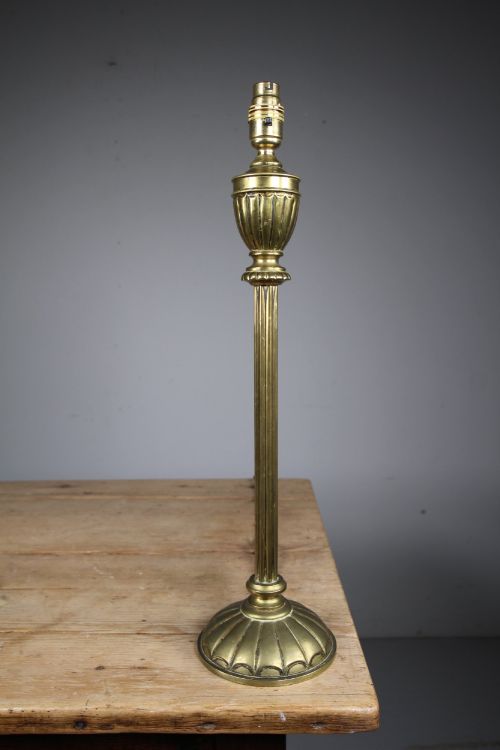
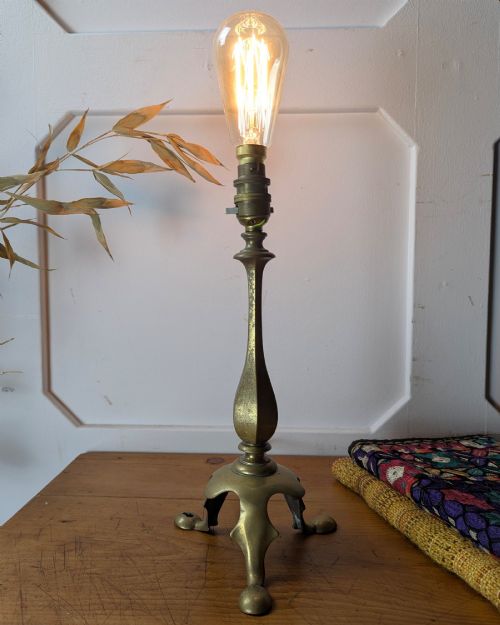
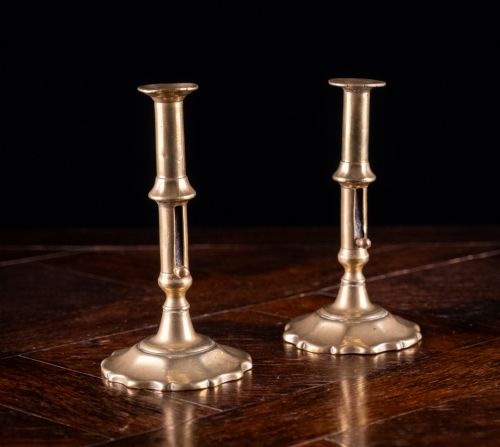
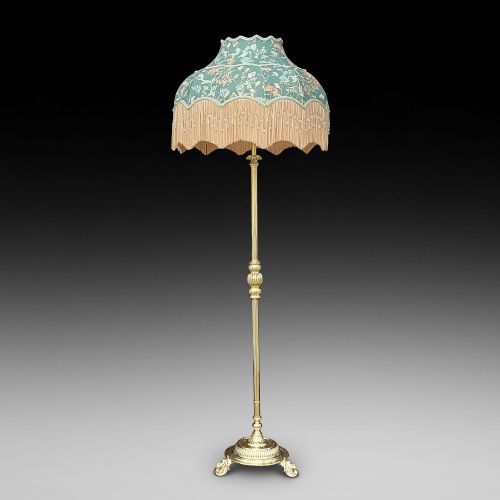
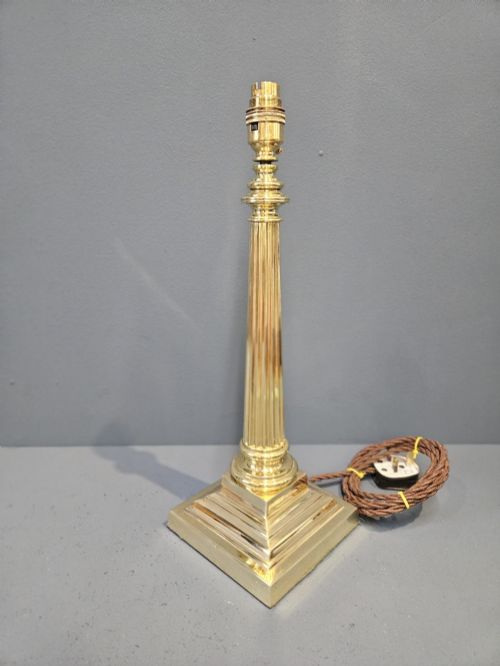
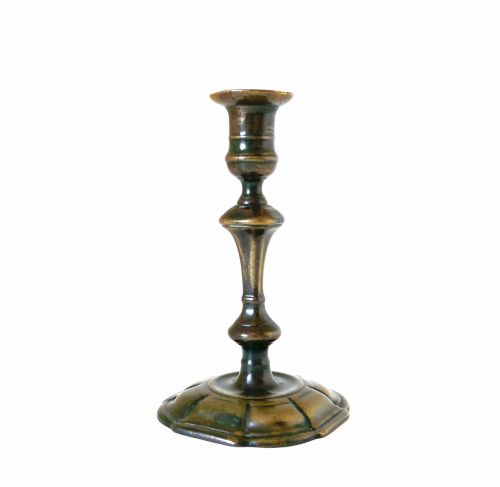
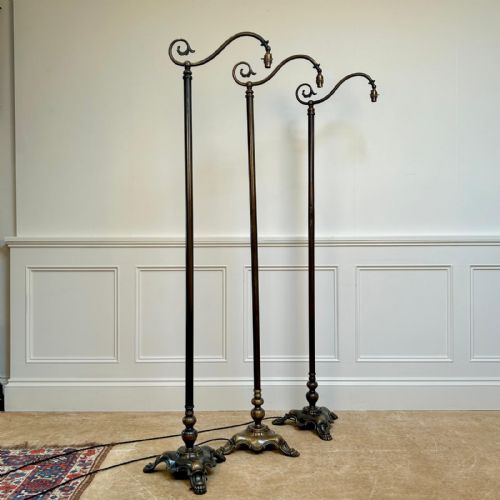
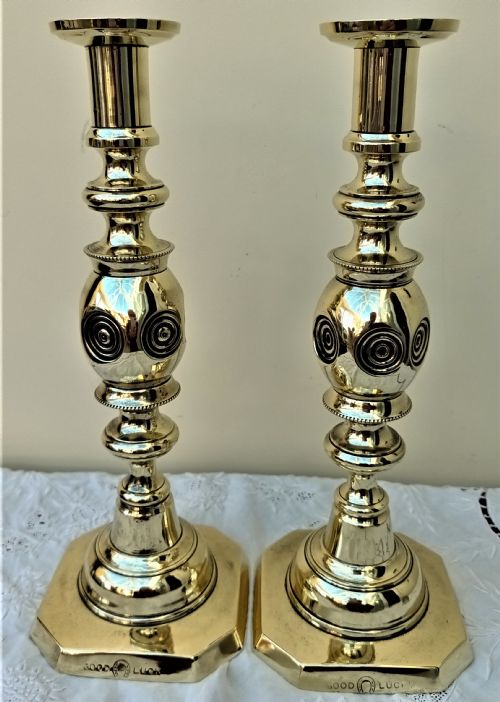
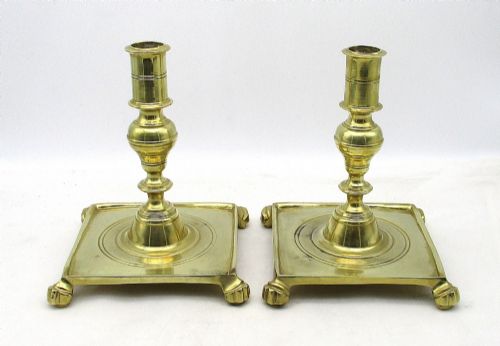
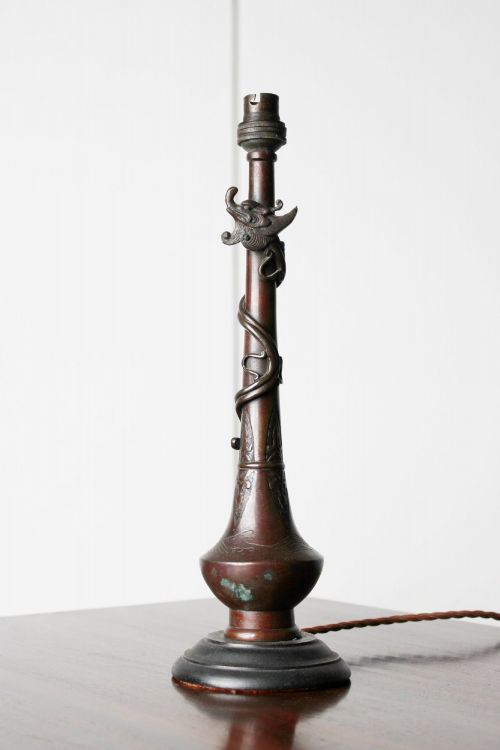
A traditional brass light base encompasses converted candlesticks, oil lamps and column table lamps spanning the eighteenth, nineteenth and early twentieth centuries. The selection on this page relies heavily on Victorian and Georgian column forms, alongside taller standard lamps and floor lighting.
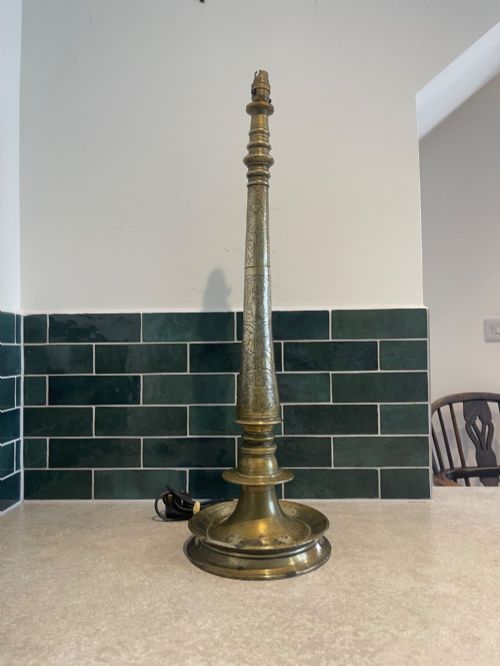
Buyers encounter distinct architectural motifs such as Corinthian and ionic columns, reeded stems, hexagonal balusters and barley twist profiles. These pieces originate from English, Indian and broader European workshops, reflecting both domestic utility and decorative revival styles.
Judging the work
Quality rests in the crispness of the casting and the structural integrity of the column, where finer examples display sharp fluting, well-defined capitals and heavy gauge metal. Superior pairs match precisely in height, proportion and base weight, showing careful hand-finishing rather than mass-produced uniformity.
The depth of the natural patina and the preservation of original patination separate ordinary examples from exceptional ones. Heavier castings with intact threading and unaltered proportions command greater presence in a room.
The listings show heavy representation of Victorian column designs alongside Georgian and Edwardian examples.
J.T. & Co
The Traditional Brass Light Base Glossary
- Baluster
- A moulded shaft or pillar with a swelling lower portion, frequently seen in hexagonal profiles on table lamps. This shape provides a stable centre of gravity for resting on tables.
- Corinthian column
- An architectural order featuring an ornate capital decorated with acanthus leaves, popular on nineteenth-century table lamps. These columns often sit on stepped square bases.
- Patination
- The surface sheen and colour acquired by brass through age, handling and oxidation over decades or centuries. Original patination reveals deep metallic tones rather than bright polished plating.
- Reeded
- Decorated with parallel raised semi-circular mouldings running vertically along the column shaft. This classical detailing catches light along the length of the stem.
- Standard lamp
- A tall floor-standing lighting base designed to illuminate a wider area of a room. These frequently incorporate heavy cast bases to support the extended height.
Traditional Brass Light Base: Frequently Asked Questions
How do I date a brass light base?
Dating relies on observing manufacturing techniques, assembly methods, and the prevailing decorative style of the period. Georgian and Victorian pieces exhibit distinct casting seams, base weight proportions, and column orders that match known furniture and hardware timelines.
Changes in threading, mounting screws, and the integration of electrical components provide further clues to whether a base started as a candlestick, oil lamp, or dedicated electrical fitting.
Can I use modern lampshades on these bases?
Most antique brass bases accept standard modern shades provided the fitter matches the harp or gallery dimensions. Threaded mounts and standard shade rings accommodate contemporary fittings without requiring permanent alterations to the historic metalwork.
Choosing fabric or silk shades that reflect the period of the base helps maintain a balanced aesthetic. Taller standard lamps require wider shades to balance the heavy visual weight of the column.
Are converted oil lamps safe to use?
Converted oil lamps make sturdy electric light bases because their original design required a heavy, stable reservoir to prevent tipping. Rewired examples incorporate modern flex and internal safety components.
Professional rewiring ensures the internal channel protects the cable from sharp metal edges inside older columns. Regular checks by a qualified electrician keep historic lighting safe for daily use.
How should I clean antique brass?
Maintenance requires only a soft, dry cloth to remove dust and prevent surface grime from accumulating in the recessed details of columns and capitals. Avoid aggressive chemical polishes that strip away historic patination.
Preserving the natural darkening and soft sheen maintains the character earned over centuries. Gentle dusting protects the metal surface while keeping the warm metallic reflection clear.