
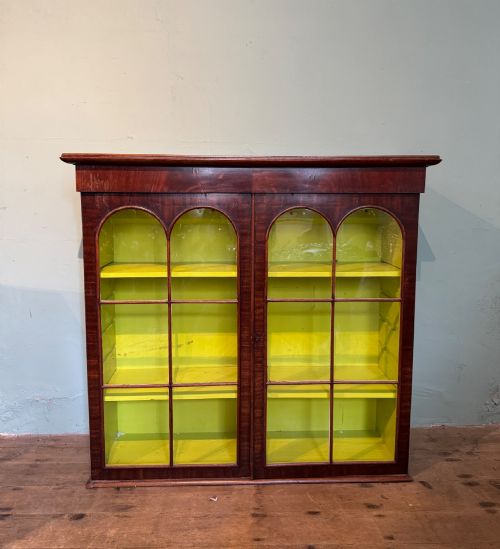
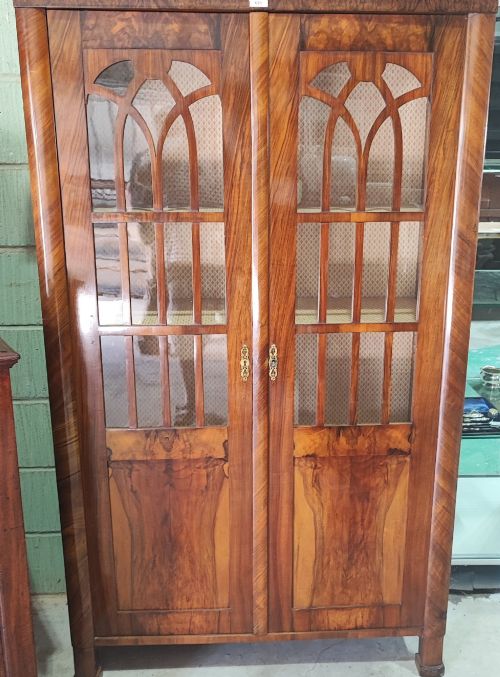
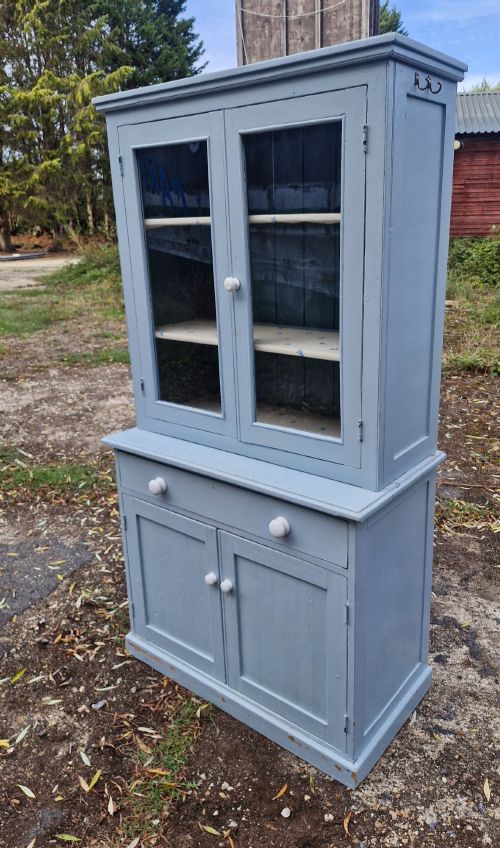
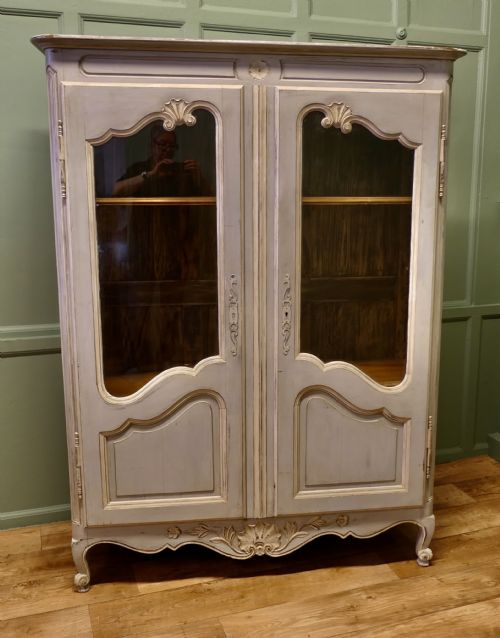
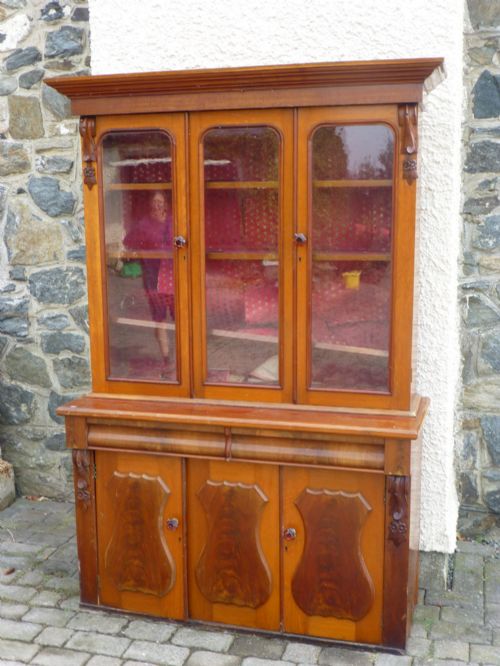
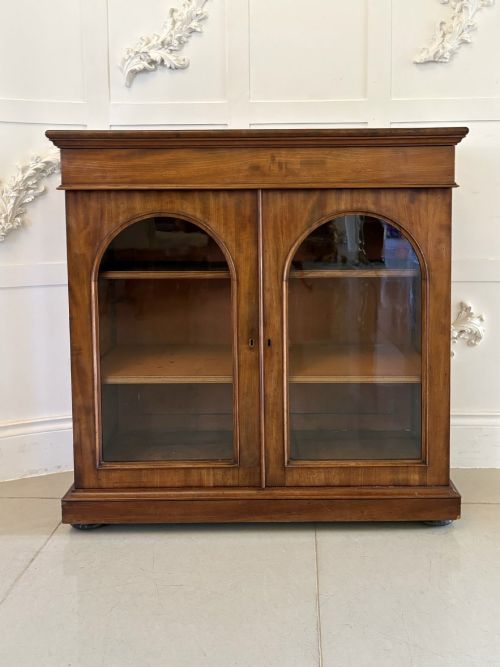
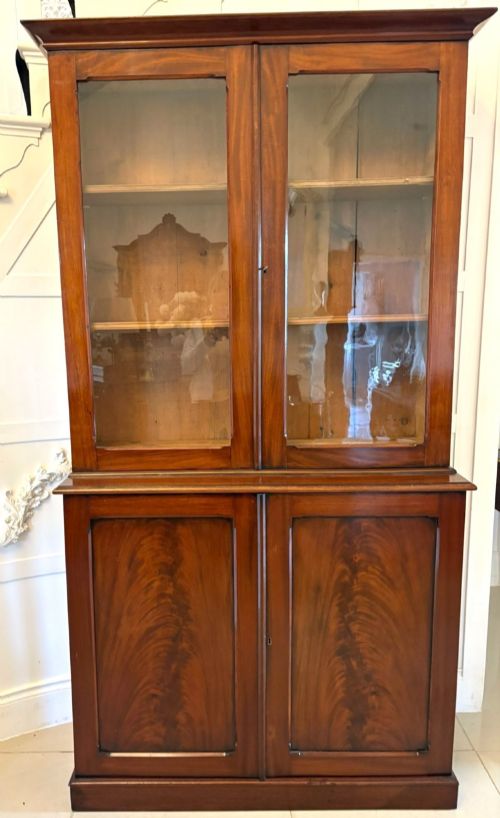
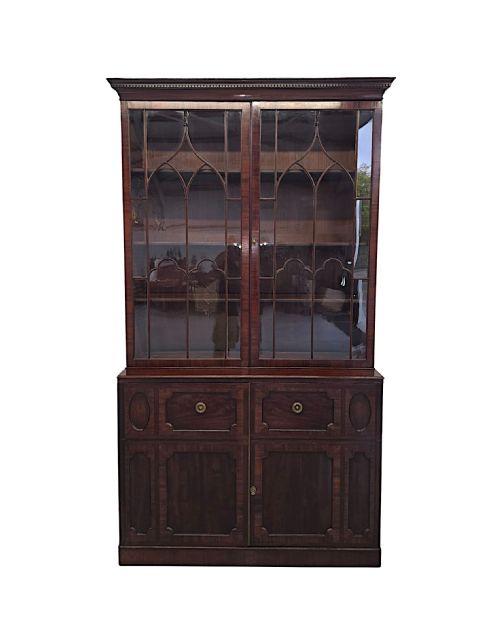
Glazed Two Door Cupboard
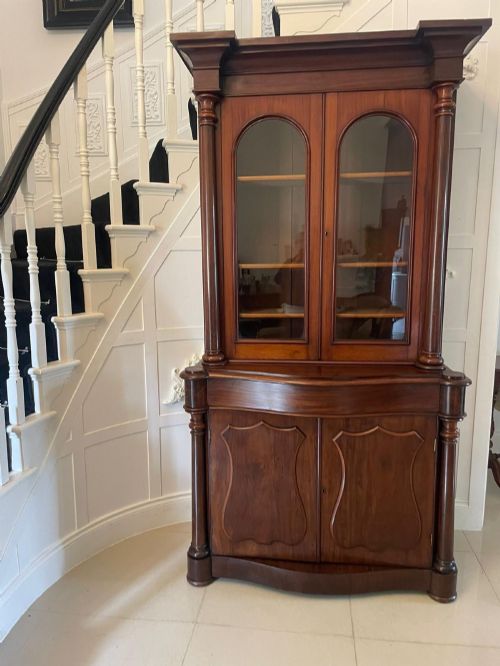
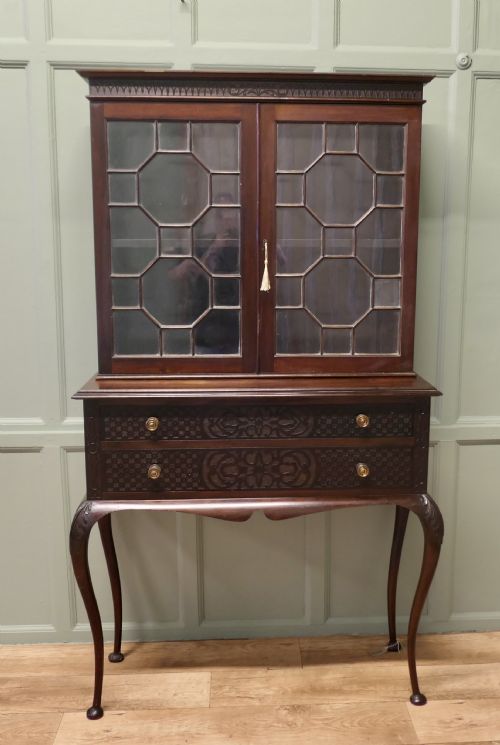
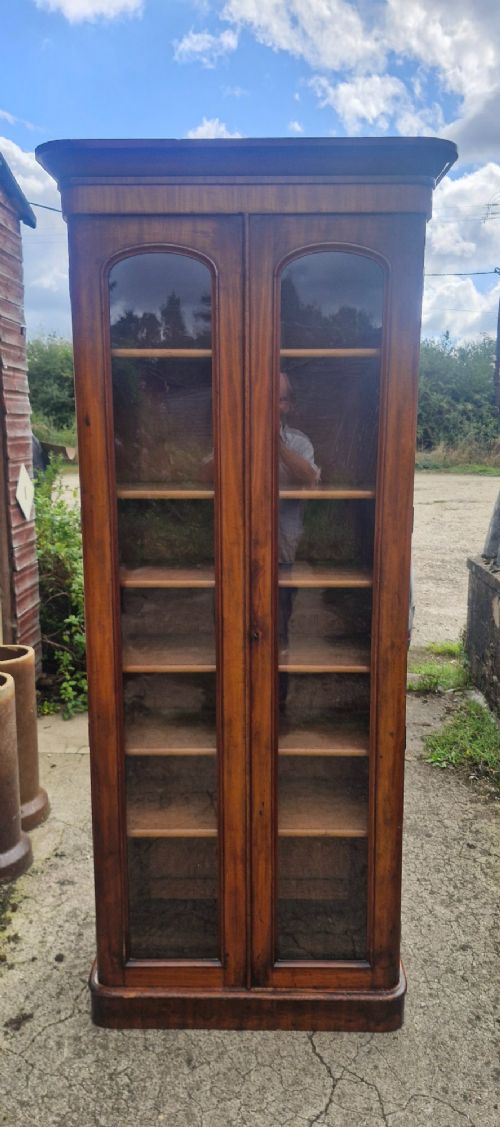
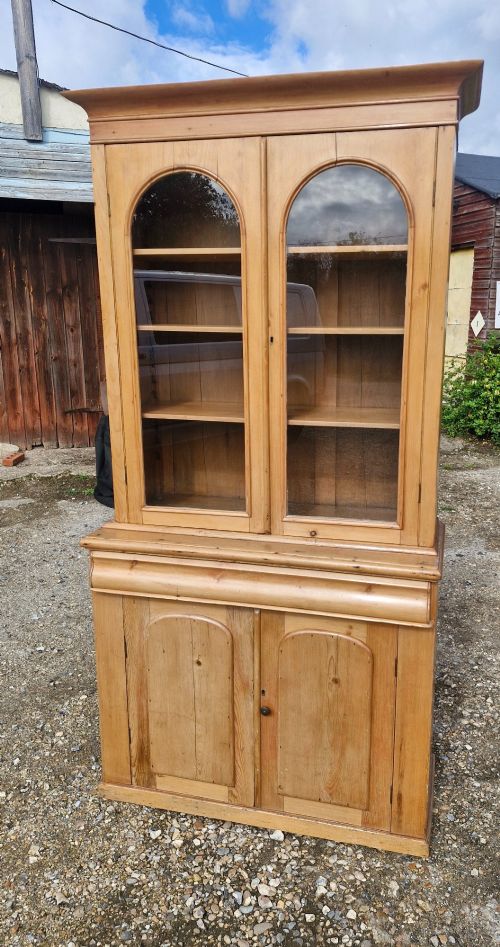
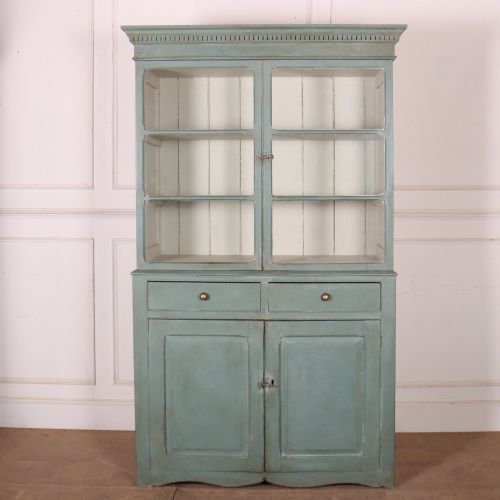
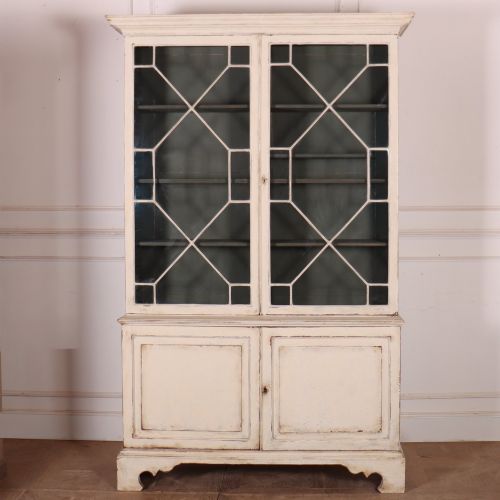
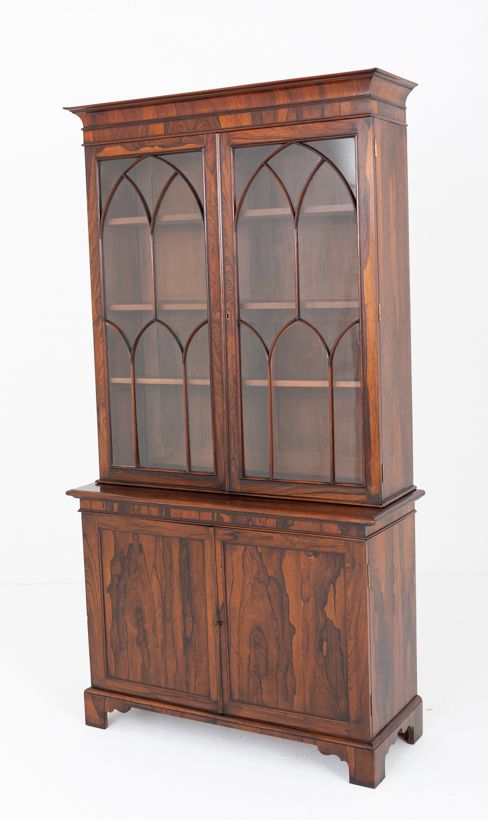
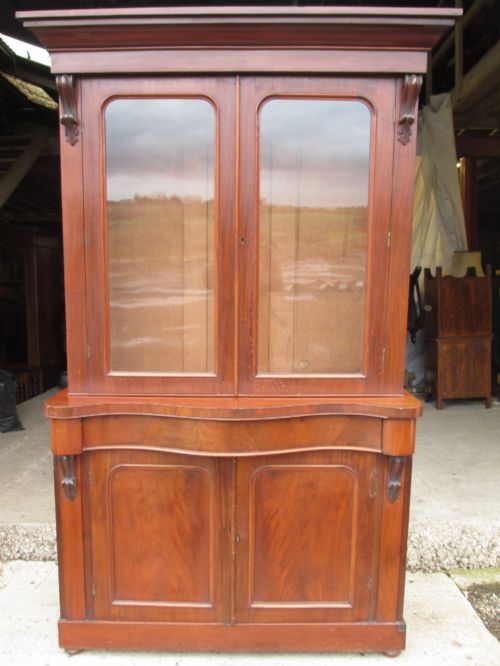
A glazed two door cupboard brings together timber and glass to store and display books or household possessions.
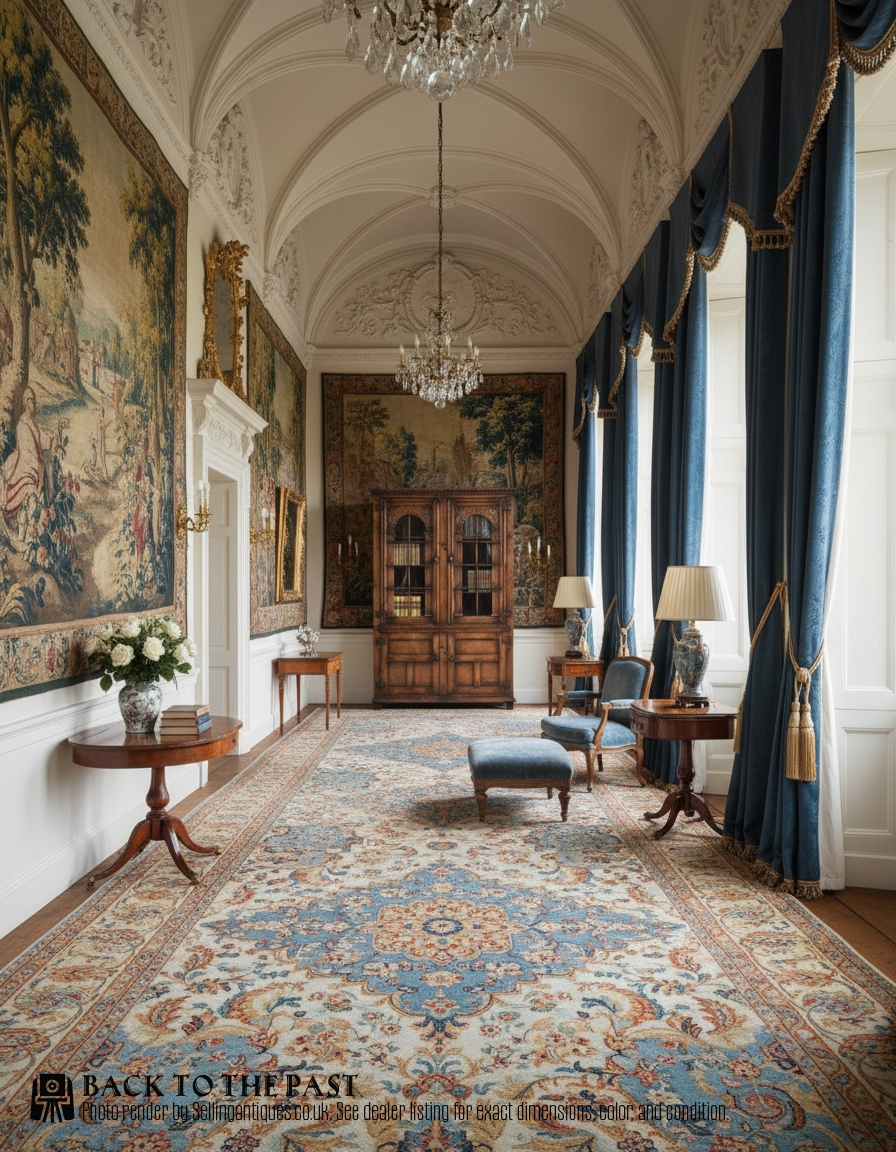
Glazed Two Door Cupboard
A glazed two door cupboard bridges the gap between functional storage and visible display. Pieces answering to a glazed two door cupboard on this page span the Victorian and Edwardian eras, alongside pieces from the nineteenth century, nineteen-twenties, and eighteen-fifties.
Most examples take the form of bookcases, display cabinets, or kitchen dressers with glass doors above and enclosed storage below. Mahogany, oak, pine, and rosewood dominate the construction, often found in regional English, Scottish, and Welsh country styles or refined Victorian formats.
Materials and Construction
Makers utilised dense hardwoods such as mahogany, rosewood, and oak alongside softer timbers like pine. Glass panes are held within wooden frames or astragal bars, while brass hardware frequently secures the doors and drawers.
Joinery techniques range from robust country pine framing to finely figured mahogany cabinet-making. Surfaces appear waxed, painted, or polished to protect the timber and highlight the natural grain.
Listings feature woods including mahogany, oak, pine, and rosewood, spanning periods from the eighteenth century to the nineteen-twenties.
Distinctions in Quality
The choice of timber creates a fundamental distinction, moving from utilitarian painted pine to highly figured mahogany or rosewood veneers. Finer pieces display careful attention to proportion, delicate glazing bars, and well-executed decorative carving.
The Glazed Two Door Cupboard Glossary
- Astragal glazed
- Glass doors divided into smaller panes by narrow wooden mouldings called astragals. This technique creates a lighter visual appearance on large bookcase fronts.
- Bookcase cabinet
- A dual-purpose form featuring open or glazed upper shelving paired with an enclosed lower cupboard section. These pieces often separate into two distinct parts for transport.
- Vitrine
- A glass-fronted display cabinet intended for the exhibition of porcelain, curiosities, or fine books. The term often describes French or revival-style pieces with extensive glazing.
- Figured mahogany
- Timber cut to reveal distinctive grain patterns such as flame or fiddleback. Cabinet-makers reserved these boards for the primary visible surfaces of formal furniture.
- Dresser
- A traditional kitchen or dining room storage item combining a plate rack or glazed cabinet top with a base of drawers and cupboards. Welsh and West Country variants show strong regional characteristics.
Glazed Two Door Cupboard: Frequently Asked Questions
How are glazed two door cupboards cleaned?
Dust timber surfaces regularly with a soft, dry cloth and apply a quality beeswax periodically to nourish the wood. Glass panels benefit from standard glass cleaner applied to a cloth rather than sprayed directly near the woodwork.
Avoid placing these items in direct sunlight or near heat sources to prevent the timber from drying out or splitting. Gentle care preserves the finish and keeps the operating mechanisms functioning smoothly.
Can shelves inside these cupboards be adjusted?
Many Victorian and nineteenth-century bookcases feature adjustable wooden shelves supported on ratchets or wooden pegs. This practical arrangement allows the interior height to accommodate books or objects of varying sizes.
Older country pieces sometimes feature fixed shelving integrated into the structural frame. Checking the interior reveals whether the shelf heights can be altered to suit modern storage needs.
Are these cupboards heavy to move?
Solid hardwood construction makes these pieces substantial in weight, particularly larger Victorian and Edwardian examples. Many taller formats are built in two separate parts, allowing the upper glazed section to lift off the lower base for easier transport.
Lifting requires at least two people to protect the glass doors and delicate mouldings from accidental damage. Removing loose shelves before moving also lightens the load and prevents internal shifting.
What is the difference between a display cabinet and a bookcase?
Display cabinets generally prioritise the exhibition of decorative objects through extensive glass panels on the front and sometimes the sides. Bookcases focus primarily on housing libraries, though many Victorian examples combine both functions with adjustable shelving behind glazed doors.
Internal depth and shelf spacing often distinguish the two forms. Bookcases tend to be deeper to hold volumes, while display cabinets provide a lighter framework for ornaments.