
Vintage Oak Book Cabinet
A vintage oak book cabinet brings reliable timber storage to a room, holding volumes behind leaded glass or open fronts.
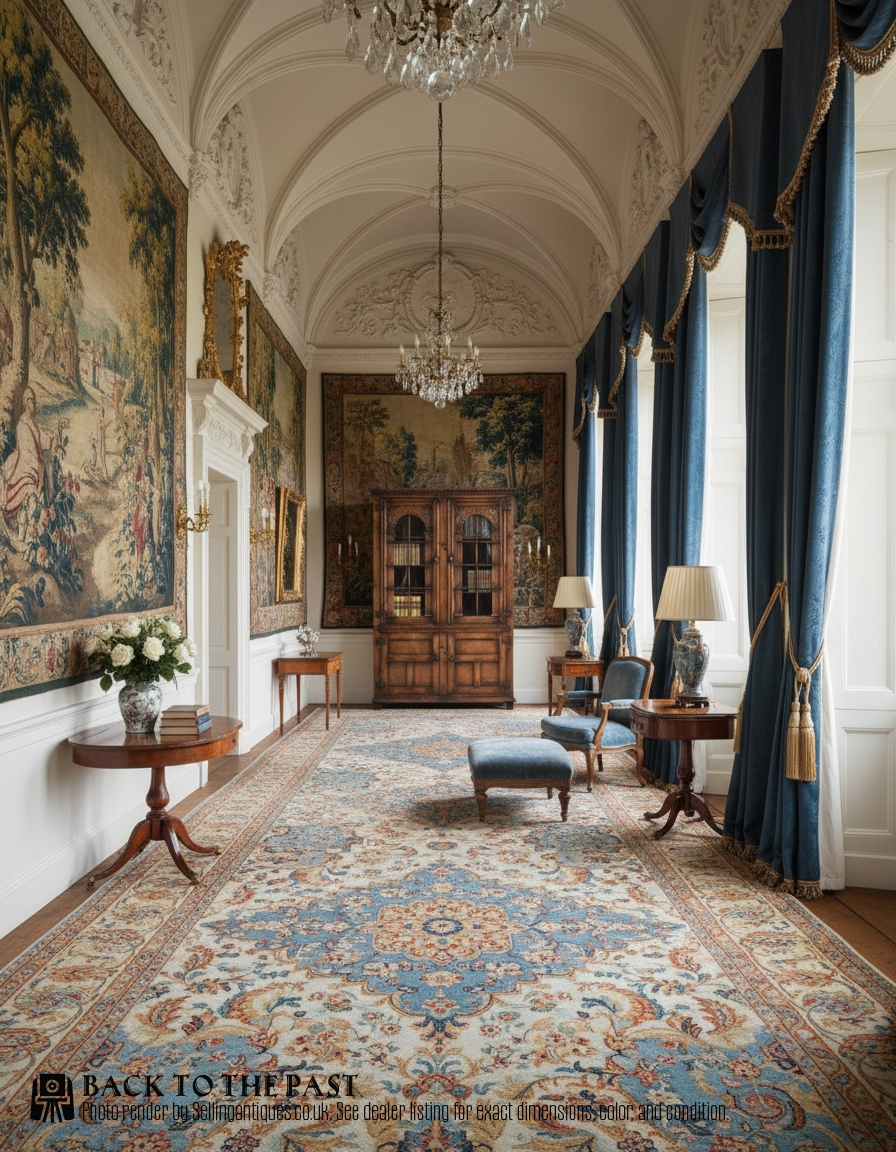
Vintage Oak Book Cabinet
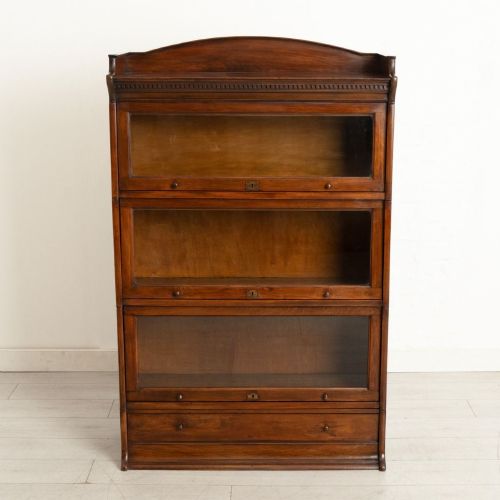
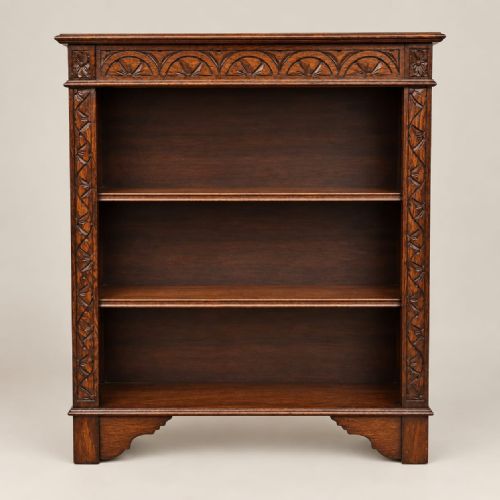
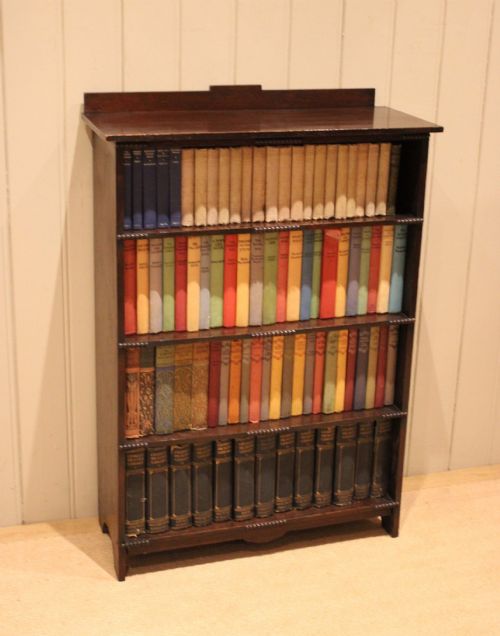
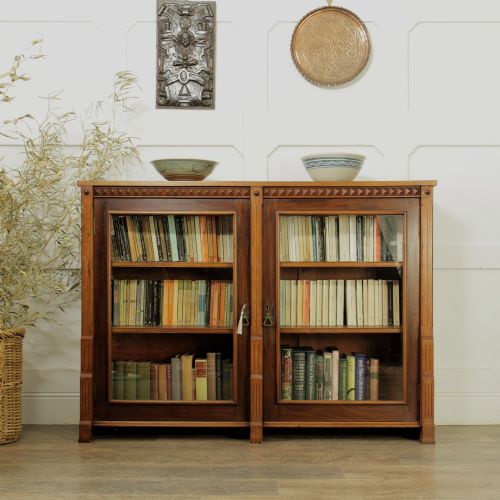
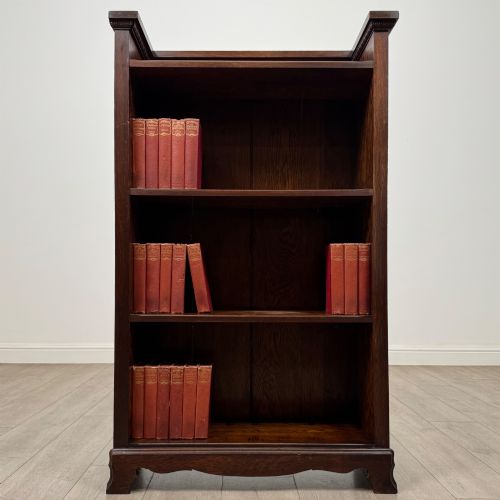
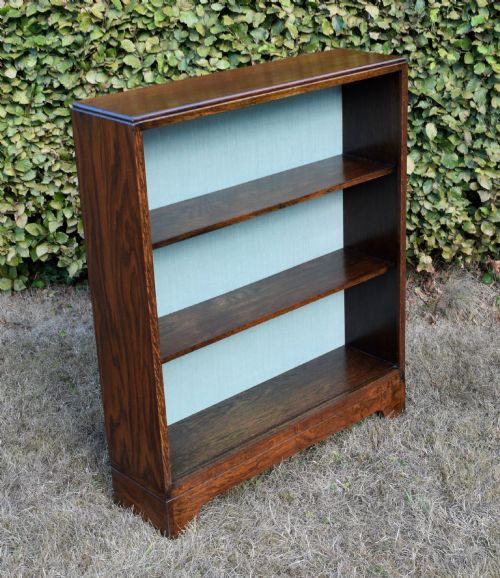
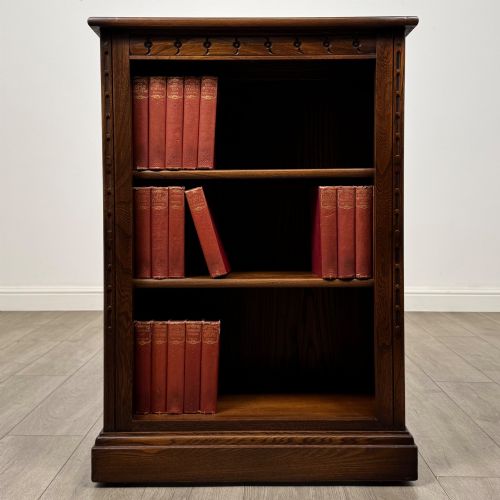
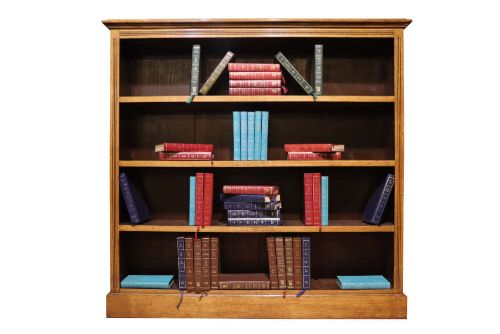
A vintage oak book cabinet is a functional piece designed to house volumes, appearing primarily across Victorian, Edwardian, and twentieth-century periods. These storage items range from tall library pieces to compact open shelves and glazed double cabinets.
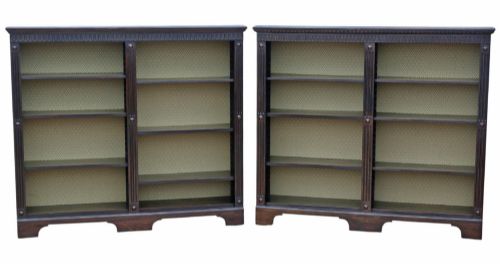
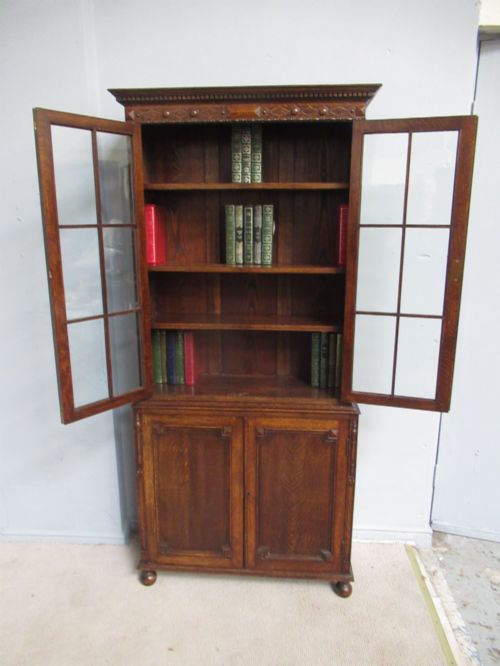
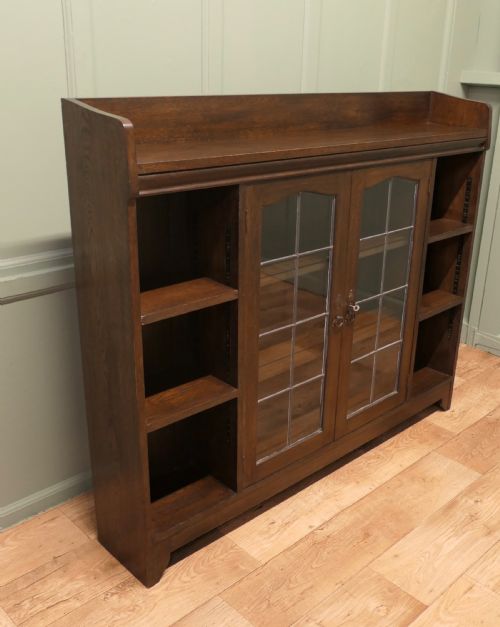
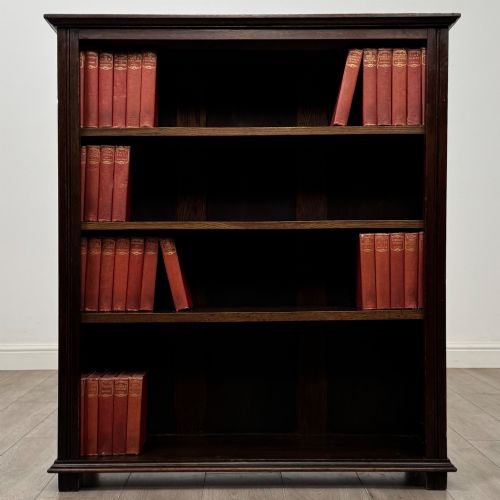
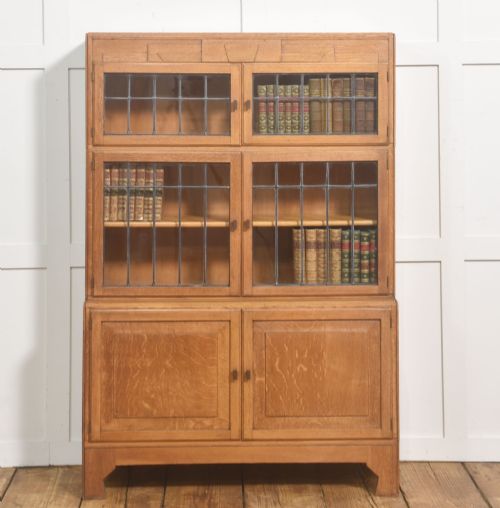
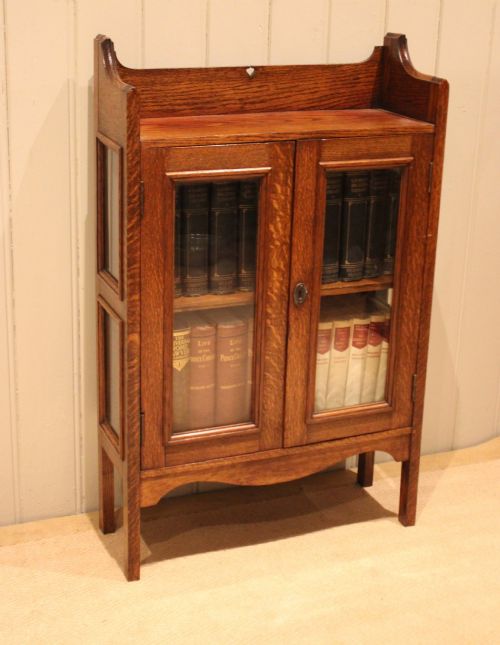
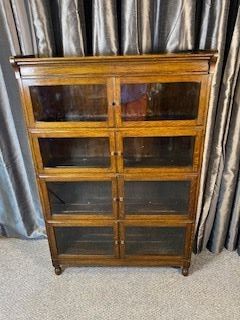
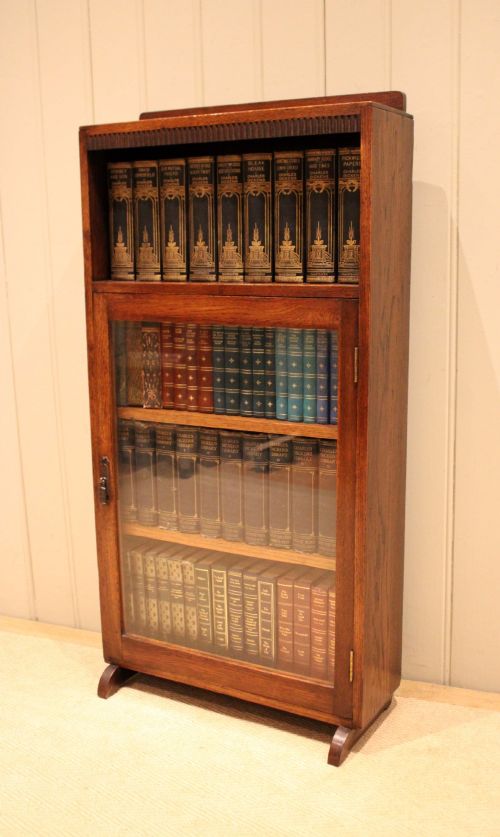
The versions most commonly met on this page span the Edwardian era and the nineteen-twenties, often taking the form of open bookcases or glazed display furniture. Pieces frequently incorporate adjustable shelving, leaded glass panels, or lower cupboards beneath the display section.
Makers and workshops produced these cabinets in various stylistic revivals, including Jacobean, Gothic, Arts and Crafts, and Art Deco. Buyers encounter everything from simple school library units to golden oak student bureaus with integrated book storage.
Assessing craftsmanship and construction
The standard of timber selection and joinery distinguishes finer examples from utilitarian pieces. Cabinets utilising solid golden oak with careful grain matching and original hardware represent a superior build compared to simpler workshop output.
Listings feature pieces spanning the Victorian period up to the 1930s, constructed primarily in solid oak and glass.
Lebus
The Vintage Oak Book Cabinet Glossary
- Leaded glass
- Small panes of glass held together by strips of lead. This technique appears frequently in cabinet doors from the early twentieth century.
- Sectional bookcase
- A modular storage unit built in stacked tiers. These pieces allow the owner to separate or combine individual shelf sections.
- Book press
- A heavy mechanical device used to flatten paper or bind volumes. Early Victorian examples combine this function with cabinet storage.
- Beaded edge
- A narrow, rounded moulding applied to shelf fronts or panels. This decorative detail adds subtle texture to otherwise plain timber.
Vintage Oak Book Cabinet: Frequently Asked Questions
How do I date a vintage oak book cabinet?
Dating relies on stylistic clues and construction methods visible in the timber and hardware. Edwardian and Victorian pieces often show period-specific revival motifs, while 1920s examples lean towards Art Deco lines.
Examine the backboards, fixings, and glass types for additional manufacturing hints. Simple school library cabinets and sectional stacking units carry distinct structural markers from the early twentieth century.
Are the shelves usually adjustable?
Many examples feature adjustable shelving supported by wooden ratchets or metal pins. This allowed owners to alter shelf heights for varying book sizes.
Solid oak open bookcases and library editions frequently retain these adjustable mechanisms, while older fixed-shelf variants remain common in Victorian designs.
How should I care for vintage oak?
Maintain the timber by keeping the cabinet away from direct heat sources and sudden temperature shifts. Regular dusting with a dry cloth preserves the finish.
Avoid heavy silicone polishes and instead nourish the wood occasionally with appropriate wax. Ensure leaded glass panels receive gentle cleaning without harsh chemicals.