

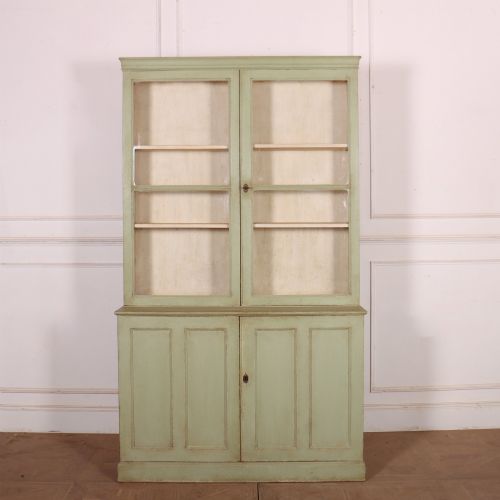
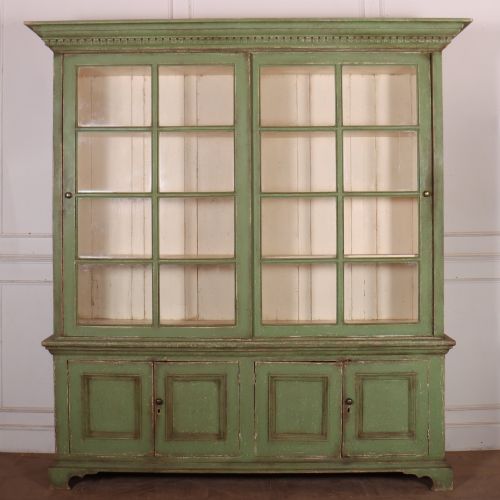
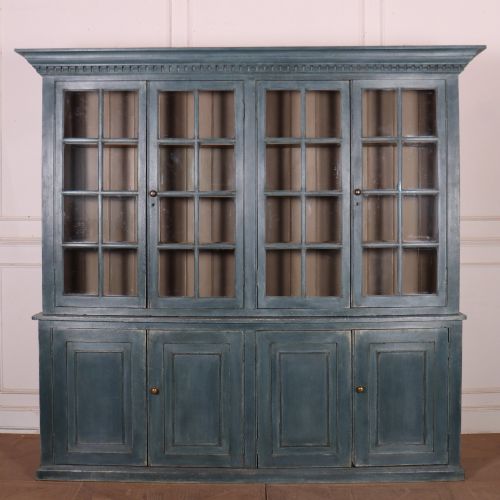
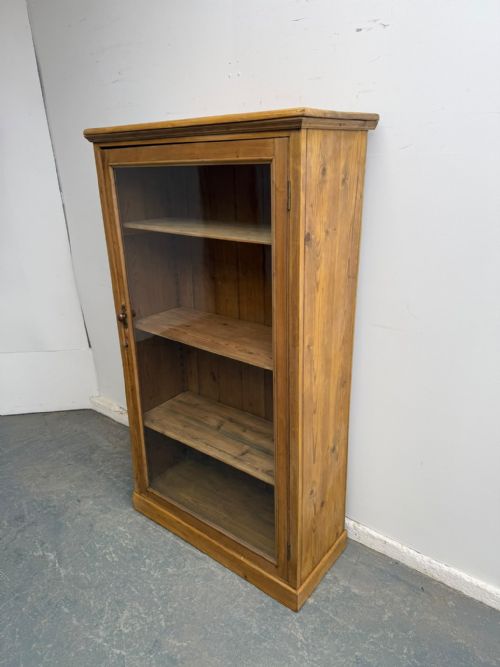

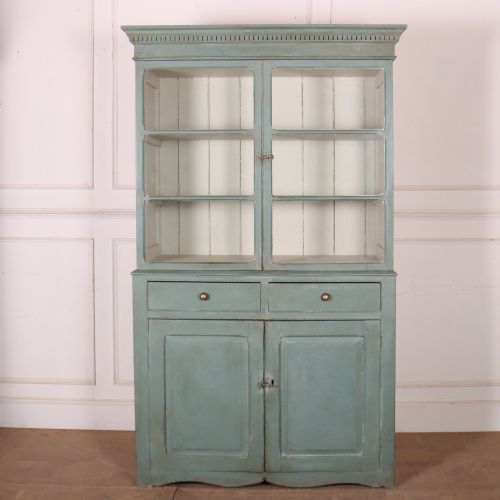

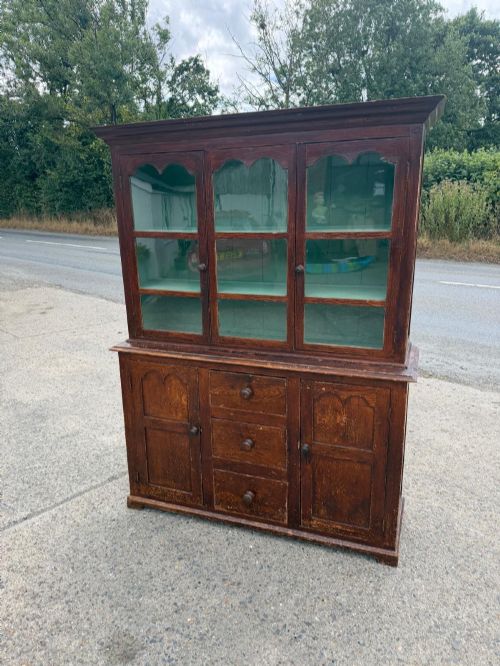
Glazed Pine Dresser
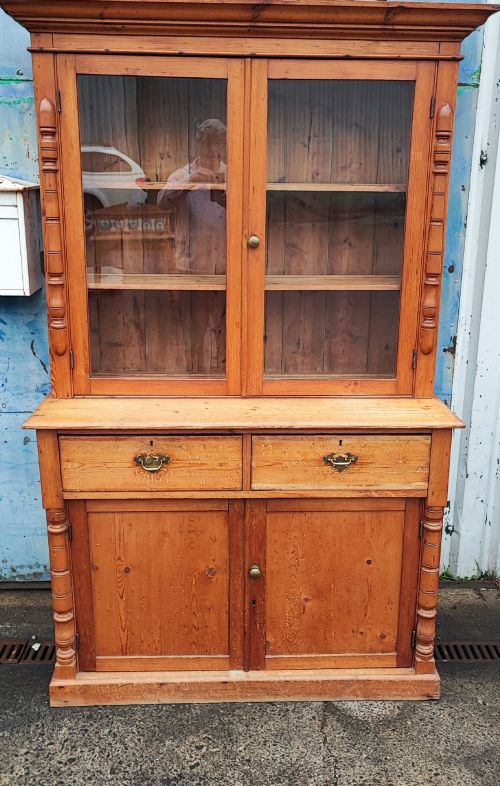
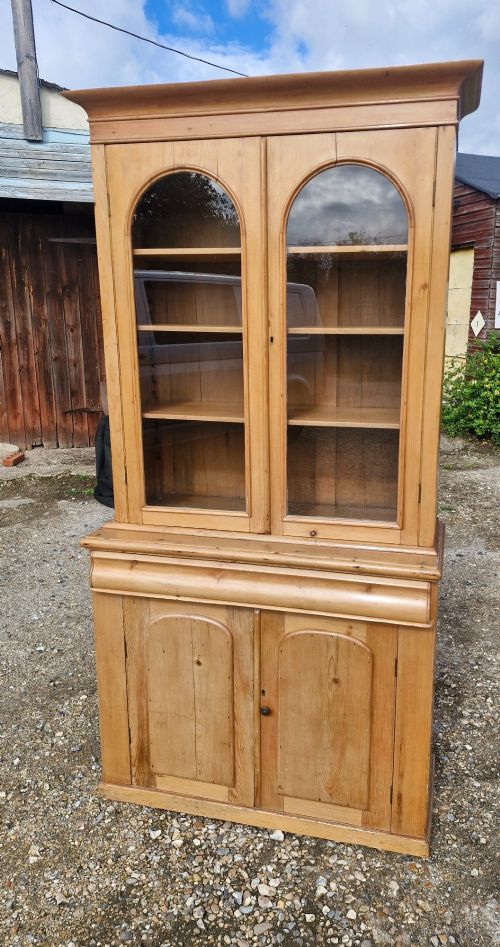
A glazed pine dresser brings together practical kitchen storage and glass-fronted display, offering a functional centrepiece built from resilient softwood.
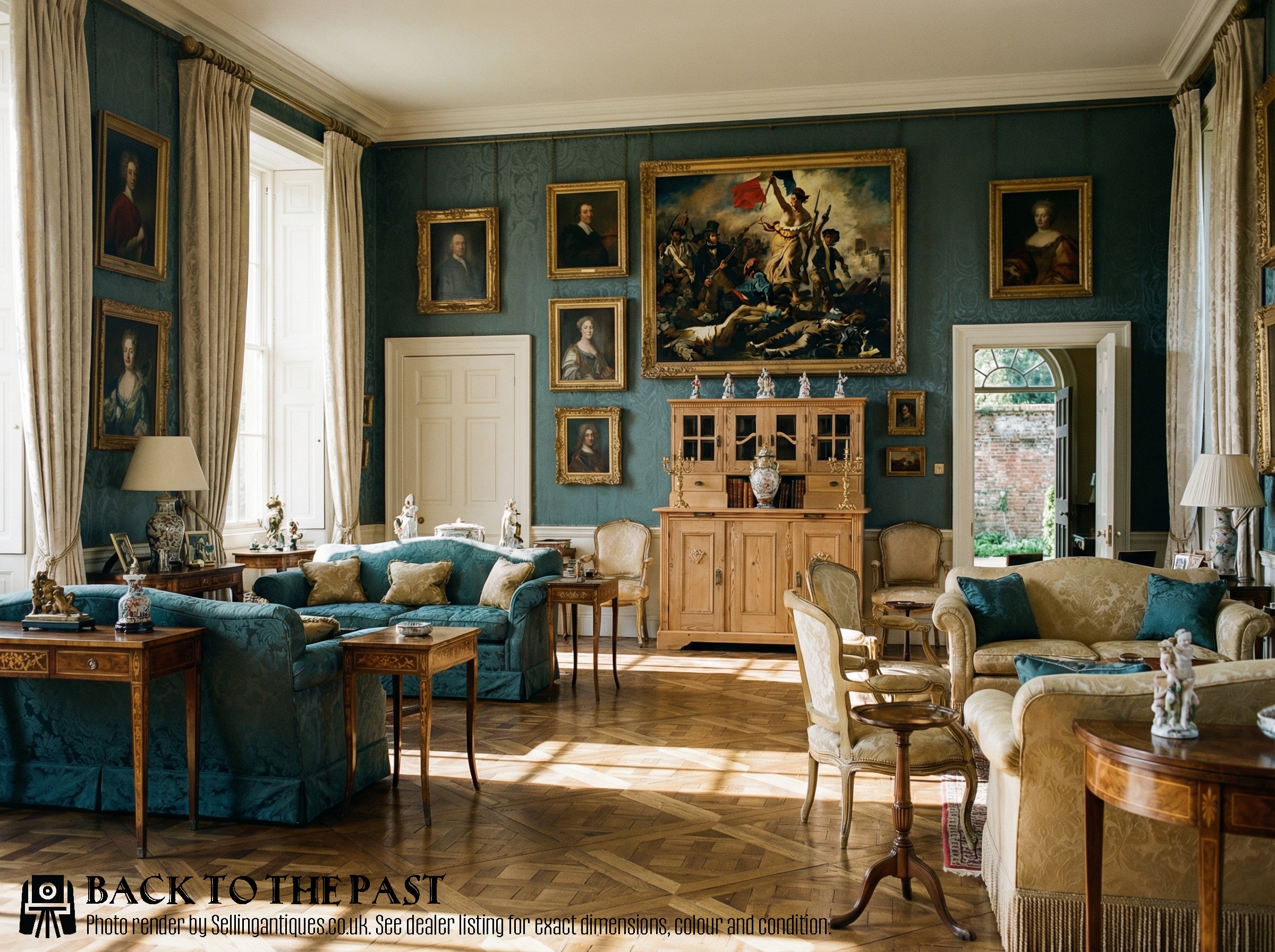
Glazed Pine Dresser
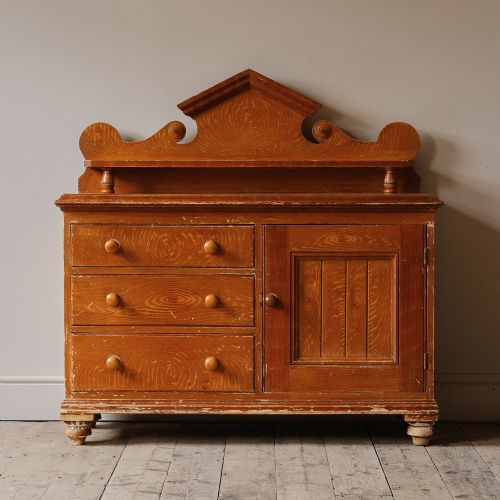
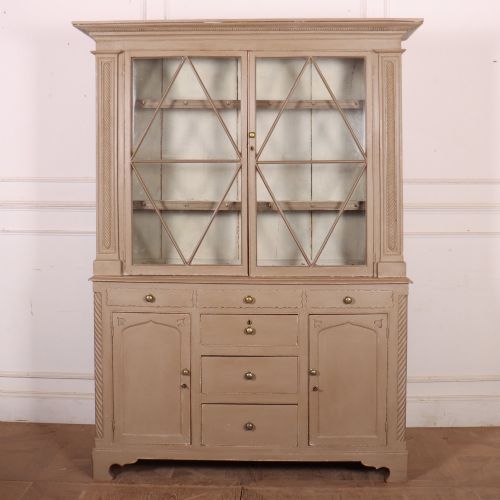
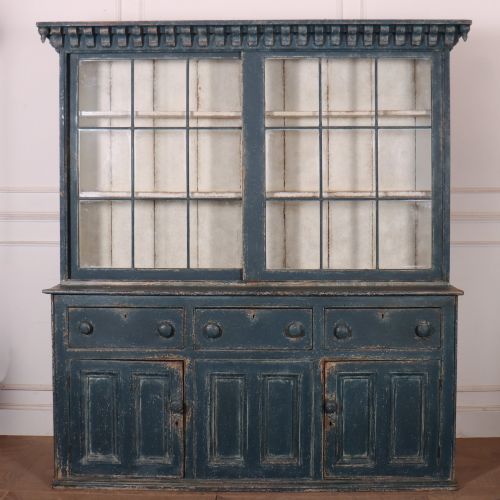
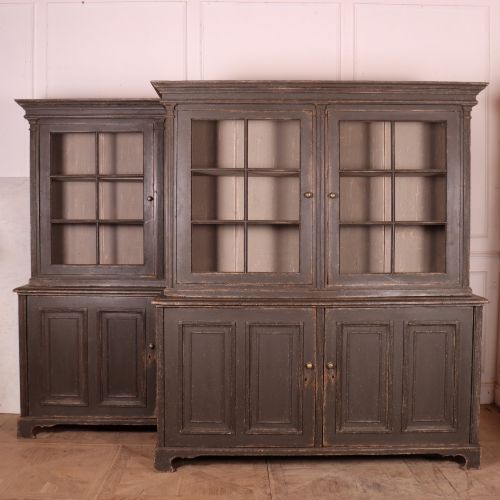
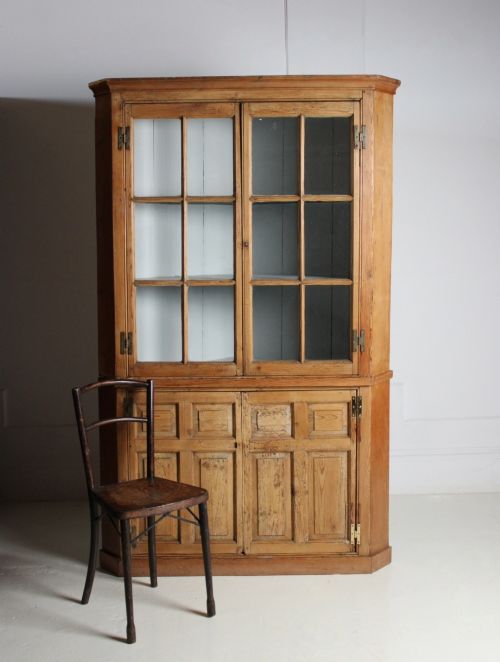
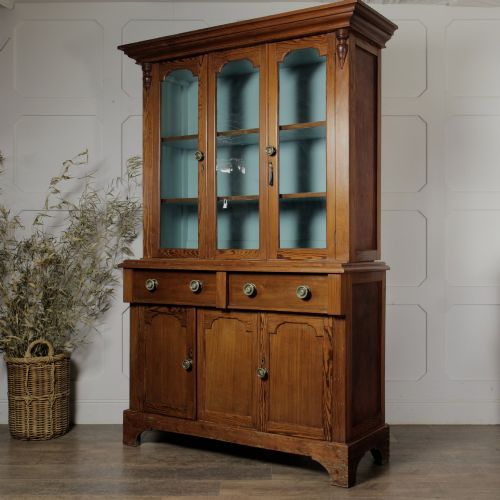
A glazed pine dresser combines a lower base of drawers or cupboards with an upper section enclosed by glass doors, serving as a traditional storage piece for crockery and provisions. When searching for a glazed pine dresser, you encounter pieces primarily dating from the Victorian and Edwardian eras, alongside examples from the 1930s.
The format varies significantly across regional styles, ranging from English, Scottish, Irish, and Welsh country kitchen furniture to continental European workshops in Sweden, France, Germany, and Denmark. These items appear as two-part modular units, corner cupboards, and large breakfront storage cabinets rather than uniform factory-made items.
Materials and construction methods
Makers utilised solid pine and pitch pine for the structural carcasses, doors, and internal shelving, often pairing the softwood with glass panes set into wooden frames. Secondary materials include brass and iron hardware for hinges and pulls, alongside ceramic elements.
Surface finishes display a wide divide between original painted schemes - sometimes featuring coloured or scumble glazes - and stripped or waxed pine surfaces that expose the natural grain of the timber.
Glazed Pine Dresser Retail Price Guide 2026
Typical asking prices for glazed pine dresser among the pieces listed under this phrase on Sellingantiques today, from the lower quarter to the upper quarter. They describe what is for sale here now, not the wider market.
Materials recorded across the inventory include standard pine, pitch pine, glass, ceramic, brass, iron, and various painted or scumbled wood finishes.
Distinctions in construction and finish
The division between standard utility furniture and superior examples rests on the joinery of the carcass, the thickness of the pine boards, and whether the glass doors retain their original hand-blown panes. Two-part dressers that retain their matching top and base sections demonstrate greater integrity than pieces assembled from disparate elements over time.
The integrity of the surface finish plays a major role, as surviving original paintwork or carefully maintained waxed pitch pine indicates how well the piece has survived decades of domestic use in farmhouses and kitchens.
The Glazed Pine Dresser Glossary
- Pitch pine
- A dense, resinous variety of pine timber known for its durability and prominent grain patterns, frequently utilised in late nineteenth-century cabinetry.
- Breakfront
- A piece of furniture featuring a central section that projects forward from the flanking cabinets, creating depth and architectural presence.
- Scumble
- A decorative painting technique involving a translucent top layer dragged or combed over a lighter base colour to simulate the appearance of richer hardwoods or grain.
- Bonnet top
- An arched or curved upper cornice found on tall cupboards and cabinets, reminiscent of eighteenth-century bonnet shapes.
- Two-part
- A cabinet constructed in separate upper and lower halves that stack together, making transportation and placement in domestic spaces more manageable.
Glazed Pine Dresser: Frequently Asked Questions
What rooms suit a glazed pine dresser?
These tall storage units function naturally in kitchens and dining rooms where glassware and tableware need visible, dust-free organisation behind glass doors.
They also find a place in living rooms and libraries as large display cabinets or bookcases for housing collections.
How do I identify a Victorian pine dresser?
Victorian examples typically display heavier timber construction, hand-cut dovetail joints in the drawer construction, and darker waxed finishes or early painted surfaces.
Hardware such as brass or iron handles and old glass panes with slight imperfections further point toward nineteenth-century production.
Were these dressers always painted?
Many regional pieces left the workshop with protective coats of paint, ranging from simple white or cream to regional colours like teal, or decorative scumble glazes.
Other items were left as bare pine and maintained with wax over generations, while some painted pieces were stripped down to raw wood during later decades.
Are glazed pine dressers made in sections?
Larger examples are frequently constructed as two-part units, featuring a heavy base cabinet of drawers or cupboards beneath a detachable glazed top section.
This modular design allowed nineteenth-century makers to transport bulky kitchen furniture through narrow farmhouse doors and stairwells more easily.