
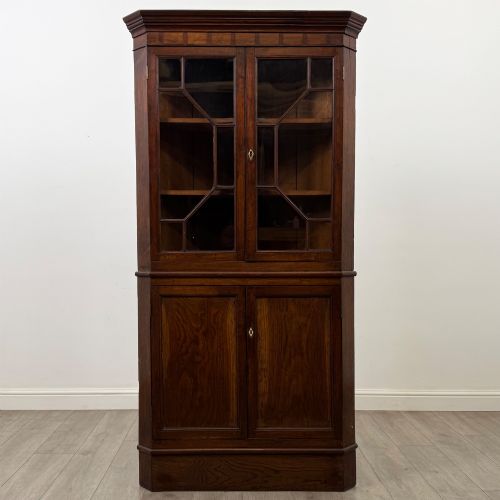
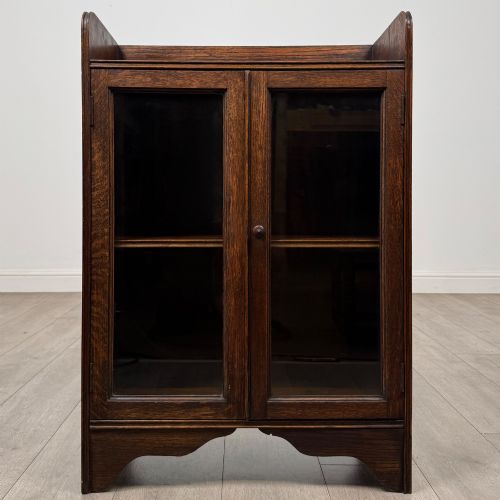
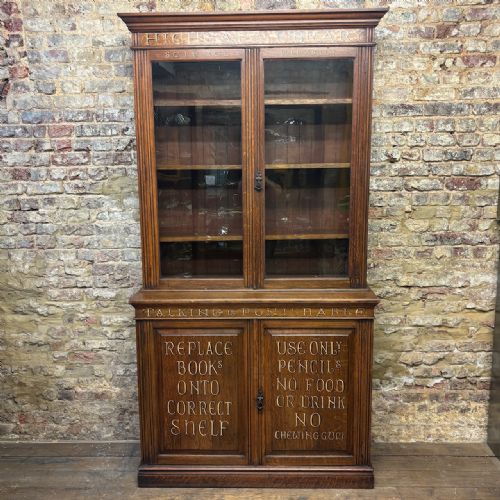
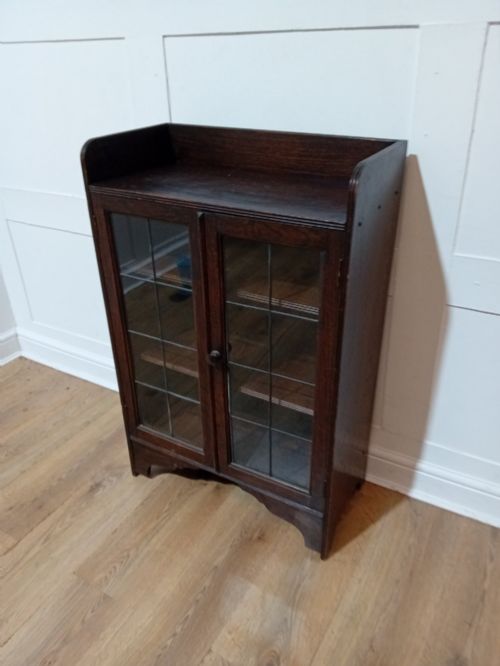
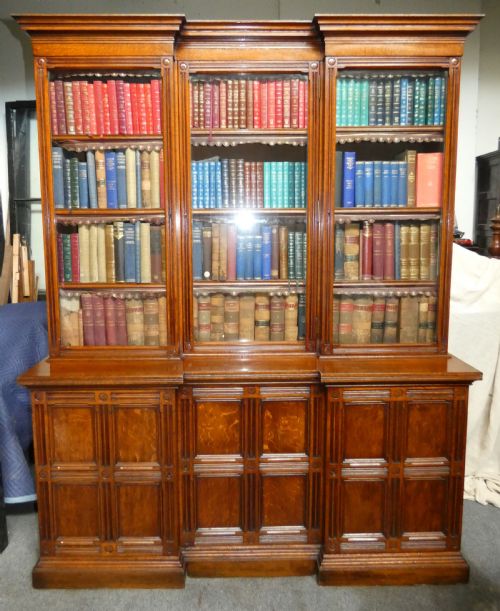
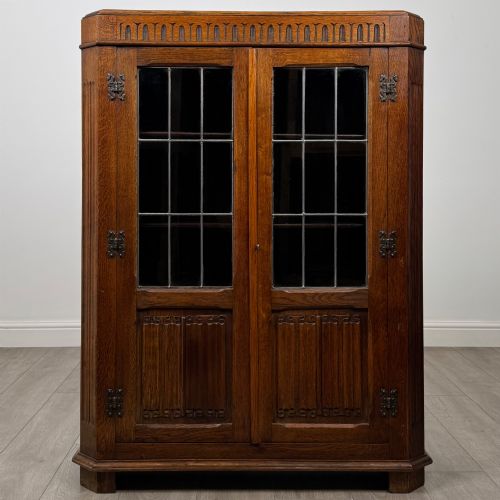
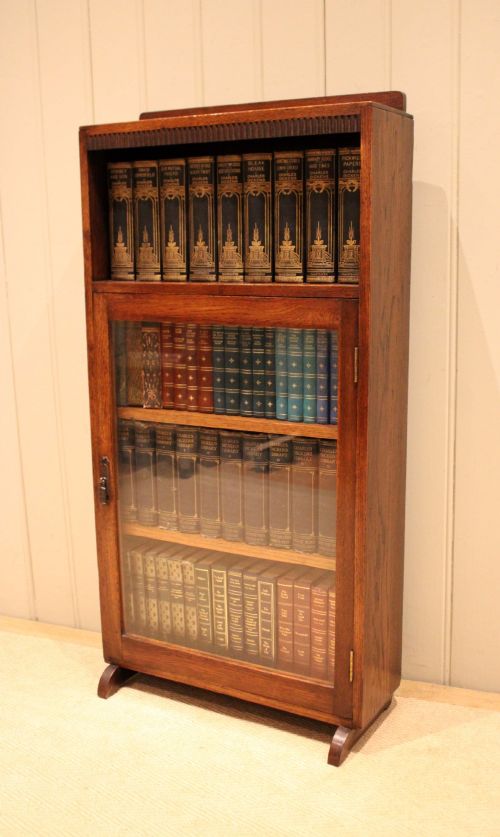
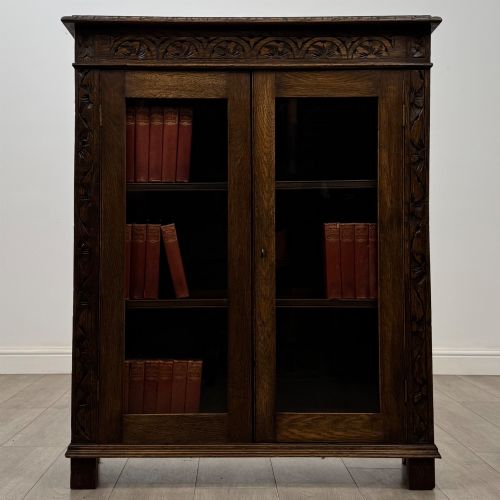
Glazed Oak Display Cupboard
A glazed oak display cupboard brings practical storage and visible protection to books or ceramics, ranging from Georgian corners to Edwardian cabinets.
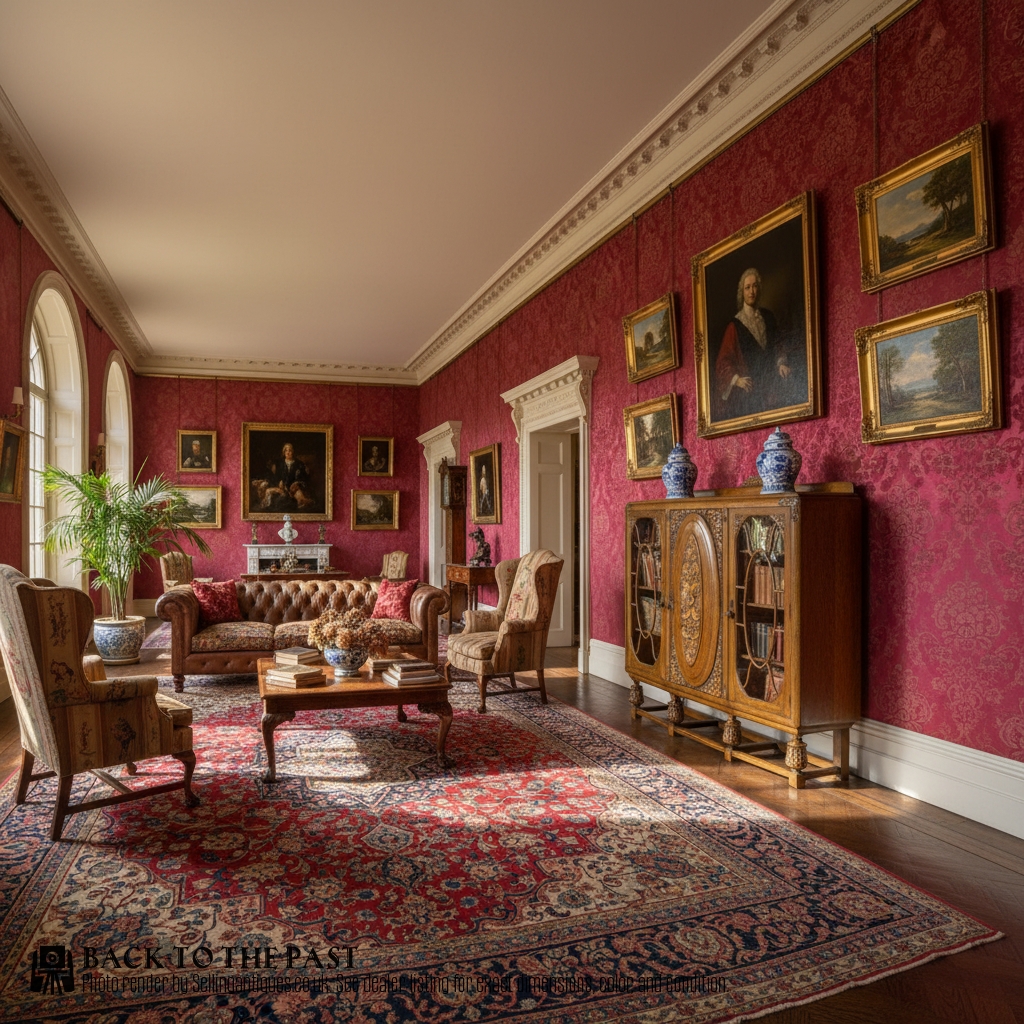
Glazed Oak Display Cupboard
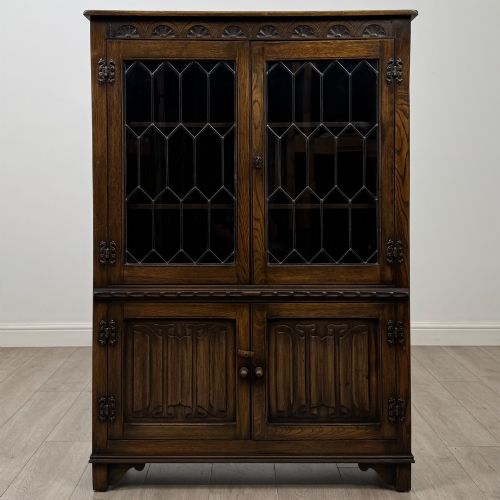
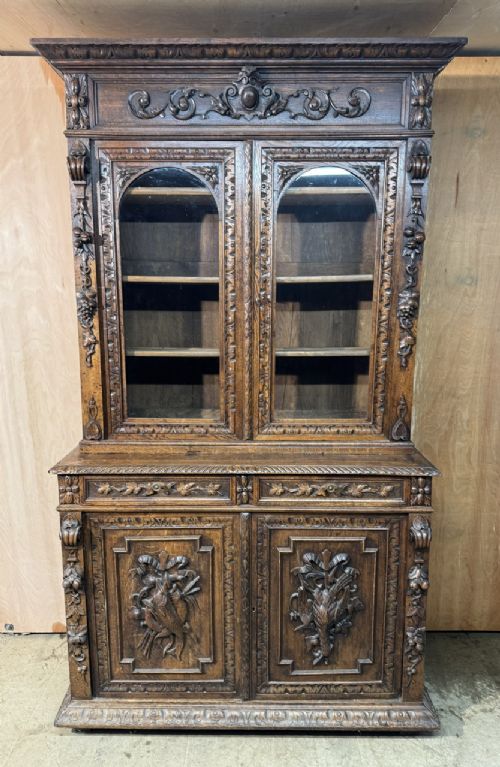
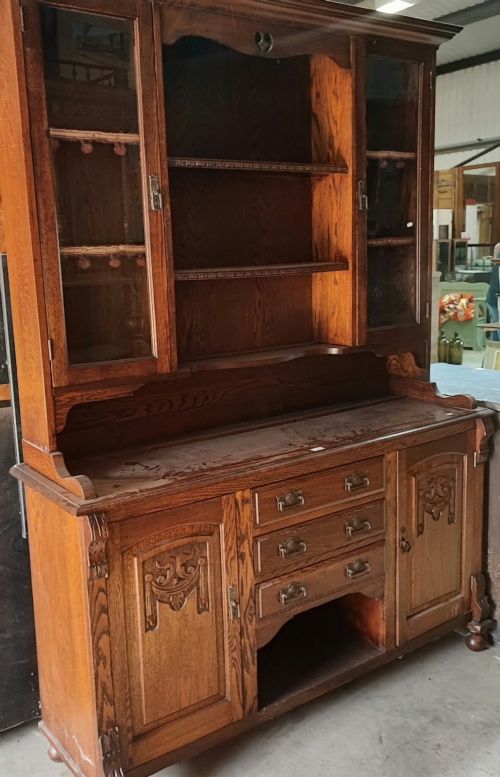
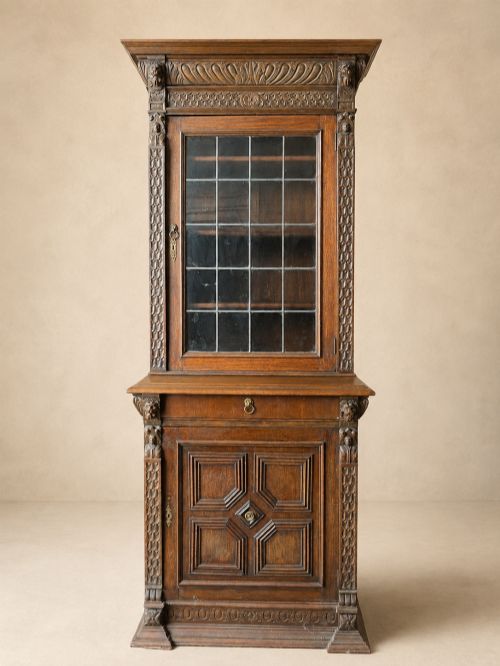
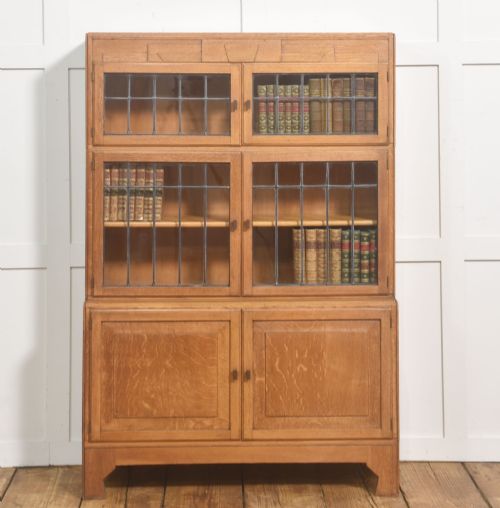
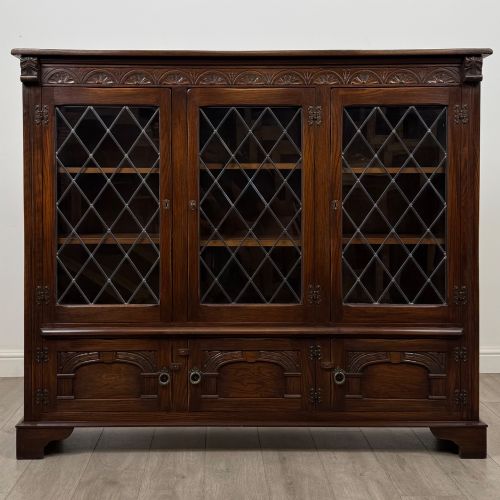
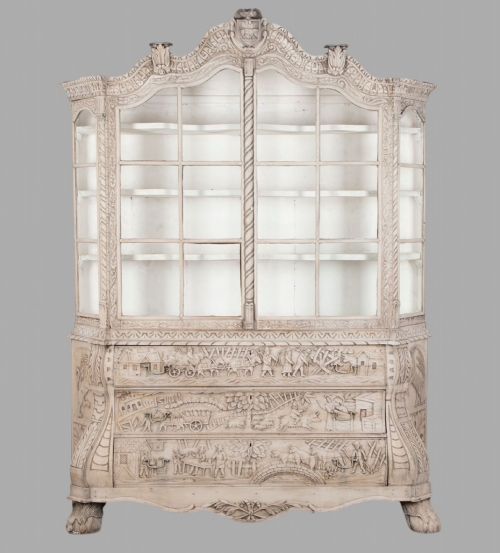
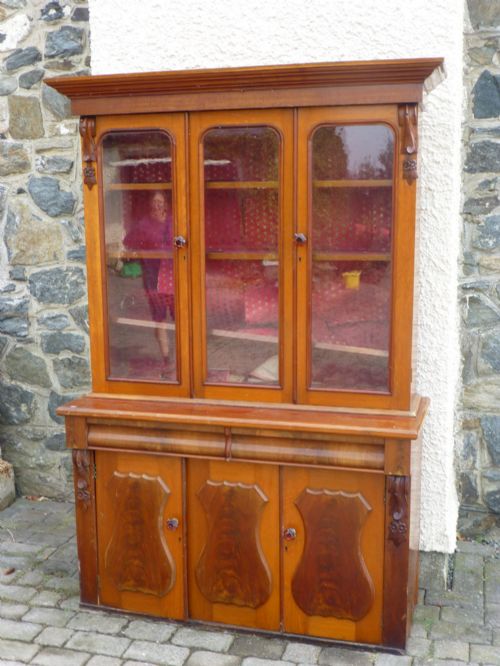
A glazed oak display cupboard takes multiple forms across this selection, appearing as floor-standing bookcases, corner cabinets, and tall library units. Buyers seeking this phrase encounter pieces spanning from the 18th century through the Victorian and Edwardian eras into the 1920s and 1930s.
The objects serve primarily to house collections behind glass, drawing on styles that include Jacobean Revival, Arts and Crafts, Gothic Revival, and Art Deco. Many items originate from domestic settings such as school libraries, kitchens, and parlours, utilising timber frames built to hold weight.
How they were made
Makers constructed these cabinets predominantly using solid oak, occasionally incorporating pollard oak veneers for figuring, alongside structural brass, iron, and lead within the window glazing bars. Glass panes are fitted securely into wooden doors, supported by internal fabric linings in specific display sections.
Joinery methods range from pegged frames on earlier Georgian and 18th-century pieces to mass-produced joints in 20th-century examples, while decorative elements rely on carved detailing, linenfold panels, and applied mouldings.
Some corner cupboards manage to hide three entire display aspects behind doors that stubbornly pretend to be flat.
What varies in quality
Quality reveals itself in the selection of the timber, particularly where figured pollard oak or dense English oak shows deep grain patterns without excessive splitting. The execution of hand-carved motifs and the precision of the leaded or clear glass framing dictate the tier of craftsmanship.
Subtleties in proportion and the integration of original hardware, such as brass hinges and working locks, elevate the standing of a piece from standard utilitarian storage to refined cabinet work.
Howard and Sons·Astra
The Glazed Oak Display Cupboard Glossary
- Pollard oak
- Oak timber taken from a tree that has been pruned above the height of browsing animals, producing a tightly bundled, highly figured grain pattern. This decorative wood often appears on high-status Victorian and Edwardian cabinet doors.
- Linenfold
- A style of carved wooden panelling that resembles folded fabric, frequently seen on 20th-century revival cupboards. The technique creates texture across flat wooden surfaces.
- Vitrine
- A glass-fronted cabinet designed specifically for displaying fine objects or porcelain. These cases feature extensive glazing to maximise visibility from multiple angles.
- Buffet deux corps
- A tall two-part cabinet structure consisting of a lower cupboard base surmounted by an upper display section. This traditional French form provides substantial storage capacity.
- Leaded glass
- Panes of glass held together by narrow strips of lead came, commonly found in Arts and Crafts and Art Deco glazed doors. It adds geometric rigidity and decorative pattern to the window.
Glazed Oak Display Cupboard: Frequently Asked Questions
How do I date a glazed oak display cupboard?
Dating relies on observing construction methods, timber treatment, and stylistic markers such as Jacobean revival carvings or Art Deco geometric lines. Earlier pieces from the Georgian period often feature hand-cut joints and pegged frames, whereas 20th-century examples utilise machine-sawn components and standardised hardware.
Examining the glass panes can also offer clues, as older float or cylinder glass shows subtle waviness and air bubbles compared to modern uniform sheets. Comparing the hardware style and secondary woods inside the cabinet helps narrow down the decade of production.
Where should I place a corner cabinet?
A corner cabinet fits into unused room junctions, making it practical for maximising floor space in smaller dining rooms or hallways. Wall-hanging versions attach directly to wall studs, while floor-standing variants anchor securely into the corner angle.
Placing the unit away from direct sunlight protects the oak timber from drying out and preserves any interior fabric linings. Adequate clearance is necessary to swing the glazed doors open fully without hitting adjacent furniture.
How do I clean the glass safely?
Cleaning the glass requires a soft microfibre cloth and a mild vinegar-based solution applied to the cloth rather than directly onto the panels. This prevents excess moisture from seeping into the wooden frames or lead cames.
Care must be taken around older leaded or antique glass panes to avoid applying pressure that could crack the fragile material or loosen the putty holding the glass in place.
Can these cabinets hold heavy books?
Floor-standing bookcases and library units are structurally engineered to support heavy volumes across their fixed or adjustable wooden shelves. Checking the thickness of the oak boards and the strength of the shelf supports ensures the timber will not warp under sustained weight.
Smaller display cabinets and wall-hanging corner cupboards are generally designed for lighter ceramics and glassware rather than dense rows of hardcover books.