
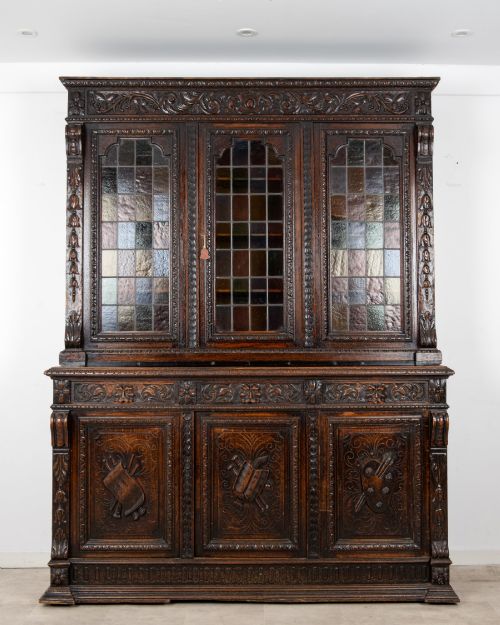
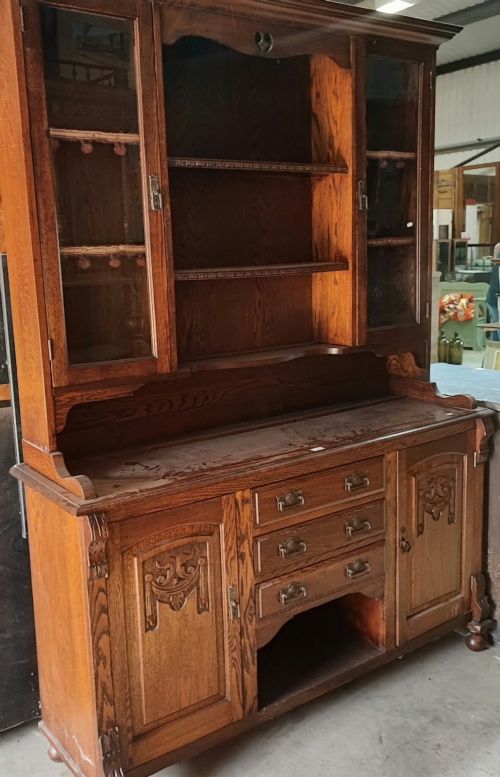
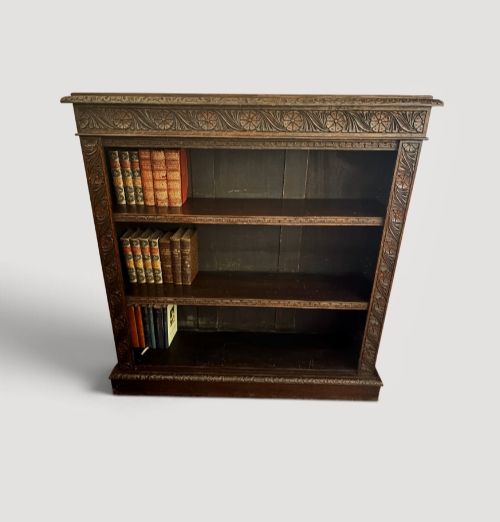
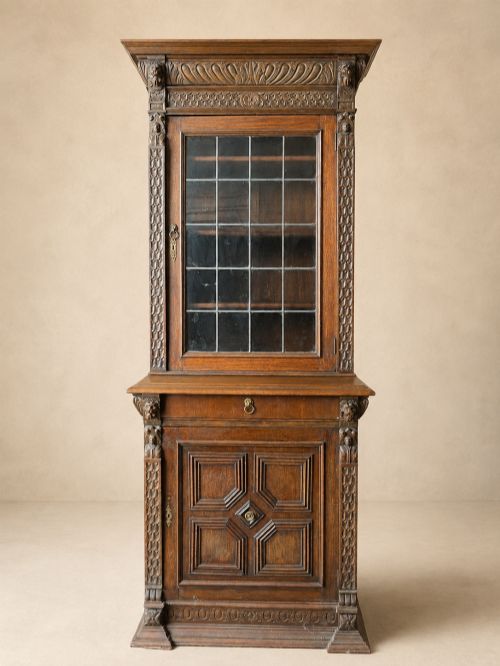
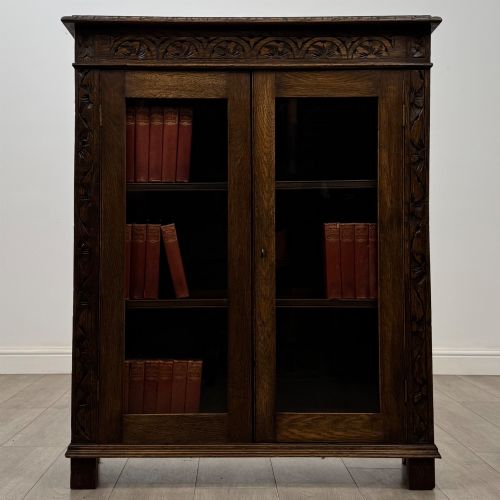
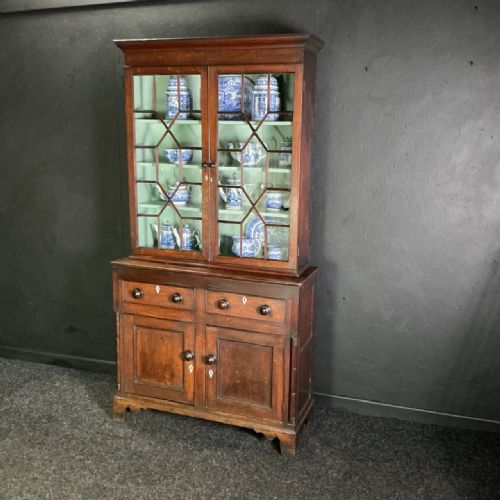
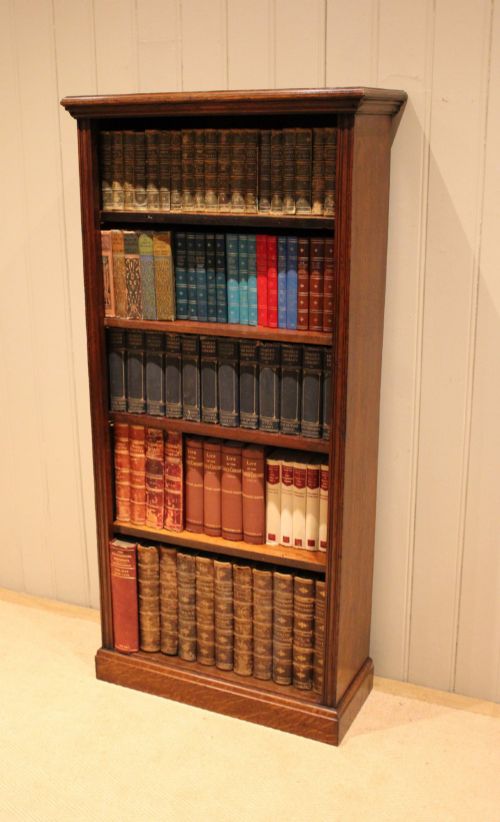
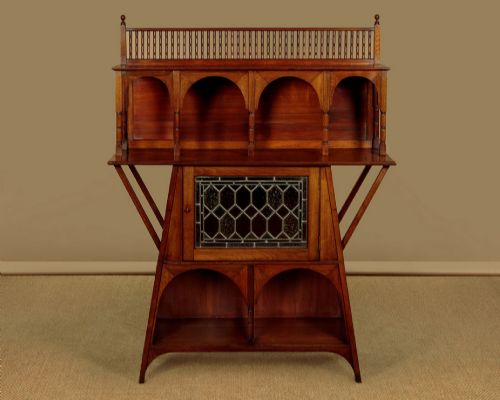
Victorian Oak Display Cabinet
Solid timber and clear glass meet in a Victorian oak display cabinet, offering a handsome stage for books and collections.
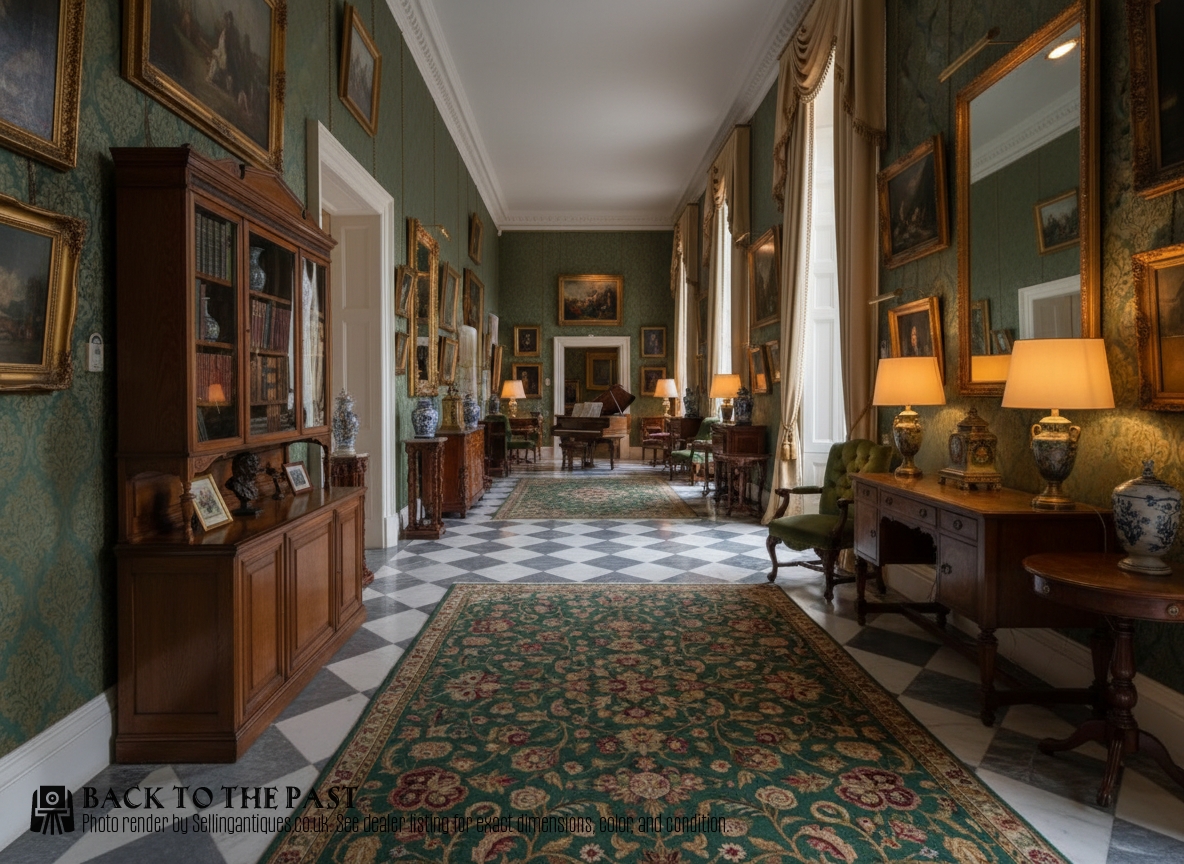
Victorian Oak Display Cabinet
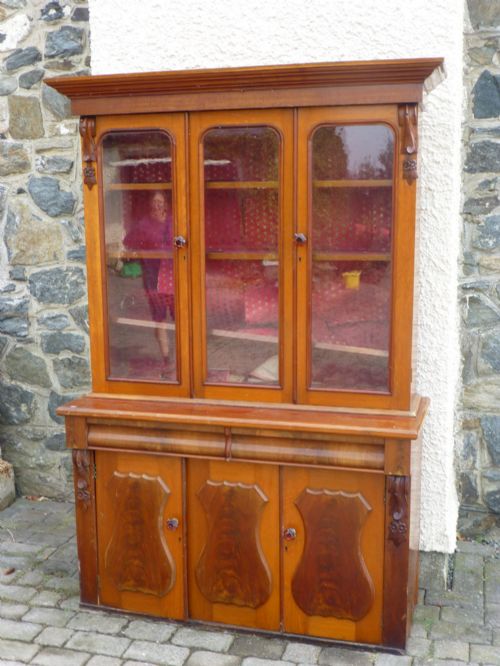
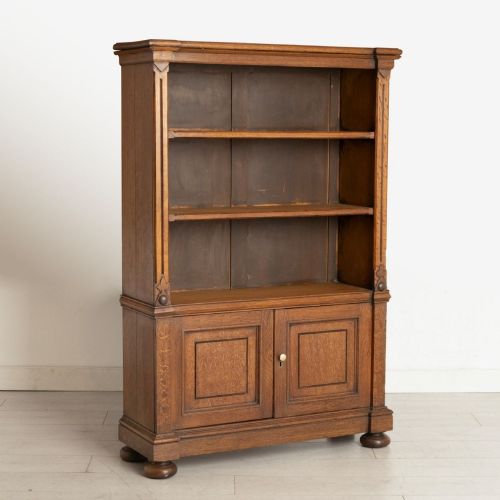
A victorian oak display cabinet serves as a sturdy architectural showcase for books, ceramics, and curiosities within the home. These pieces emerge primarily from the nineteenth century, ranging from modest glazed cupboards to monumental library bookcases.
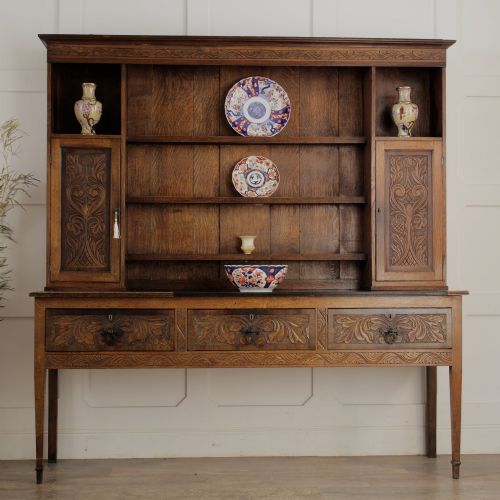
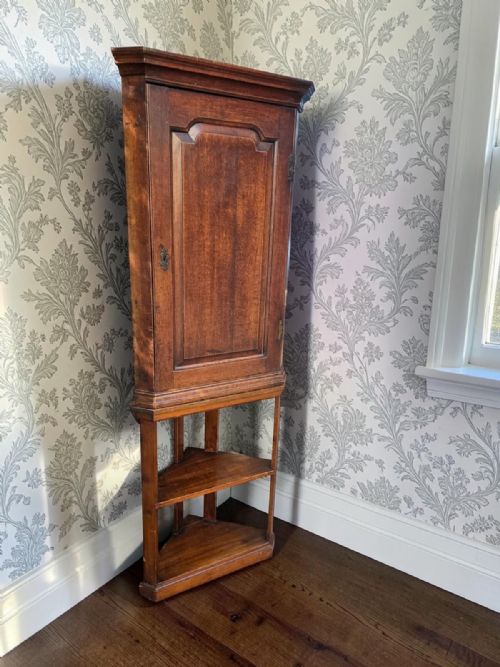
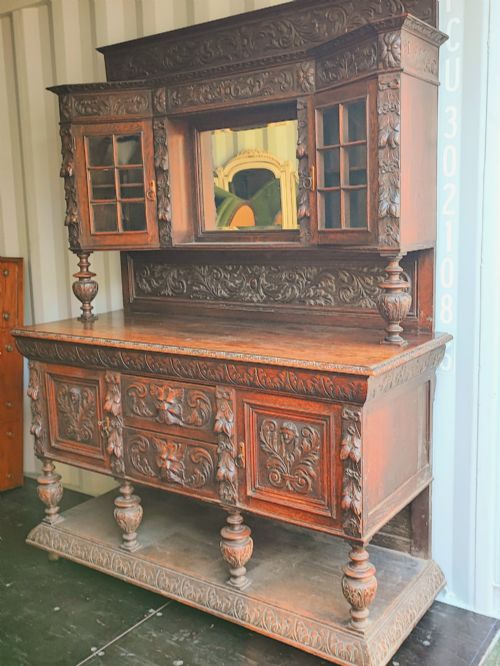
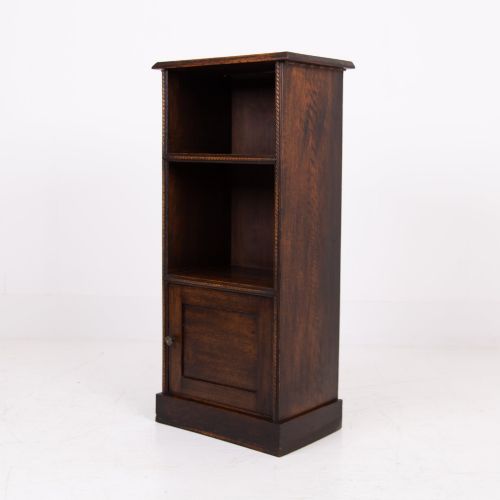
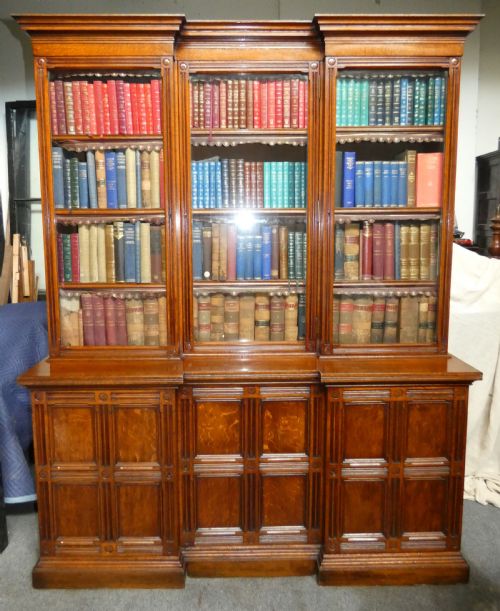
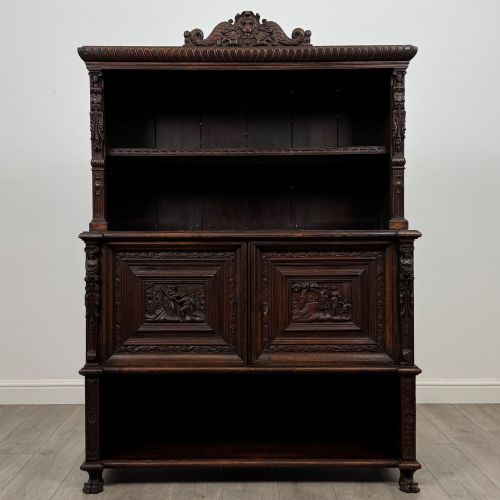
The version most commonly met on this page is the floor-standing glazed bookcase or cabinet, often detailed with carved panels or mounted on a cupboard base. Regional vernacular examples, including Welsh dressers and corner cupboards, also appear frequently alongside formal library pieces.
How they were made
Cabinet makers built these pieces using solid oak, sometimes selecting figured pollard oak veneers for dramatic grain patterns on the primary surfaces. Glazing bars hold individual panes of glass in place, while brass hardware secures doors and supports adjustable interior shelving.
Joinery methods relied on traditional frame and panel construction to accommodate the natural movement of timber over decades. Carved ornamentation, including Gothic tracery and figural motifs, was executed by hand directly into the dense oak structure.
Victorian Oak Display Cabinet Retail Price Guide 2026
Typical asking prices for victorian oak display cabinet among the pieces listed under this phrase on Sellingantiques today, from the lower quarter to the upper quarter. They describe what is for sale here now, not the wider market.
Listings feature oak, pollard oak, and mahogany alongside lead, brass, and mirror glass across the nineteenth century.
What varies in quality
The distinction between standard utility furniture and superior cabinet work lies in the ambition of the design and the depth of the carving. Master workshops employed crisper relief work, more complex mouldings, and carefully matched timber grains across the front elevation.
Proportion and scale dictate the visual success of the piece, with finer examples balancing heavy timber frames against generous expanses of glass. The integration of specialised hardware and well-figured pollard oak further separates workshop pieces from ordinary production.
Liberty & Co.·Howard & Sons·Garnett & Sons·John Moyr Smith
The Victorian Oak Display Cabinet Glossary
- Pollard oak
- Timber taken from trees that have been pollarded, producing dense wood with highly decorative, swirling grain patterns. Cabinet makers utilised these distinctive veneers for statement panels.
- Breakfront
- A piece of furniture where the central section projects forward from the flanking wings. This architectural layout creates depth and shadow on larger library bookcases.
- Glazing bar
- A wooden strip that holds individual panes of glass within a sash door. Finer cabinets feature slender bars arranged in intricate geometric or Gothic patterns.
- Aesthetic Movement
- A late nineteenth-century design style emphasising simplicity, Japanese influence, and artistic craftsmanship. Pieces from this movement often incorporate ebonised details.
- Welsh dresser
- A traditional vernacular form combining a lower base of cupboards or drawers with an upper plate rack or glazed bookcase. These pieces frequently utilise local oak timbers.
Victorian Oak Display Cabinet: Frequently Asked Questions
How do I date a Victorian oak display cabinet?
Dating relies on examining construction methods, timber selection, and stylistic details recorded across the nineteenth century. Pieces from the middle decades often feature heavy architectural proportions, while later examples incorporate Arts and Crafts or Aesthetic Movement motifs.
Hardware, such as brass hinges and locks, along with the thickness of the glass panes, provides further clues to the exact manufacturing era.
Can I adjust the shelves inside?
Many library bookcases and display cabinets feature adjustable shelving supported by wooden racks or brass studs. This system allowed nineteenth-century owners to alter shelf heights for varying book sizes and collection displays.
Checking the interior fittings reveals whether the shelving mechanism remains in its original working condition.
How do I care for pollard oak veneers?
Pollard oak surfaces require stable room temperatures and protection from direct sunlight to prevent the timber from drying out. Regular dusting with a soft, dry cloth maintains the finish without applying heavy waxes.
Avoiding excessive moisture is vital for preserving the integrity of both the decorative wood veneers and the historic glass.
What is the difference between a bookcase and a display cabinet?
Bookcases typically feature open shelving or wooden doors designed for holding libraries, whereas display cabinets incorporate extensive glass panels for viewing collections. Many Victorian hybrid pieces combine both formats through glazed upper doors and enclosed lower cupboards.
Shop display counters and wall-standing cabinets represent more specialised commercial variations found within domestic interiors.