
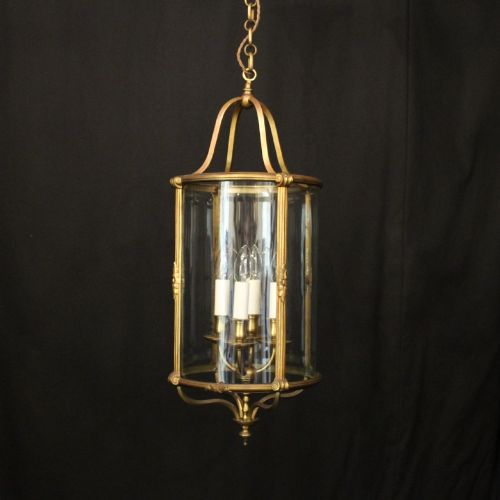
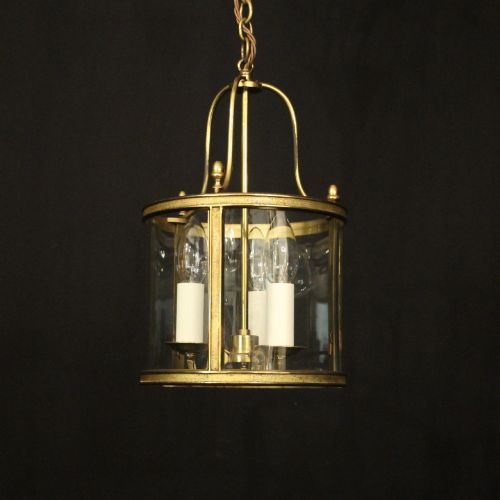
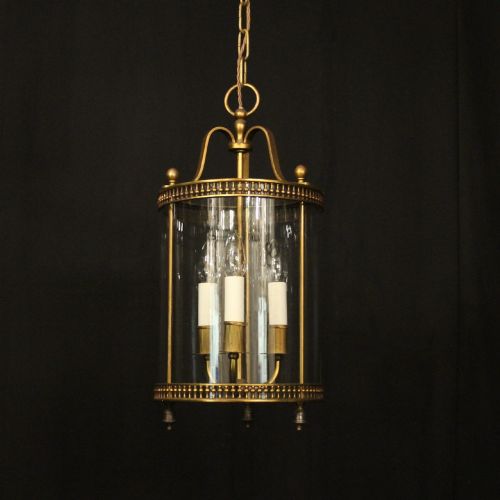
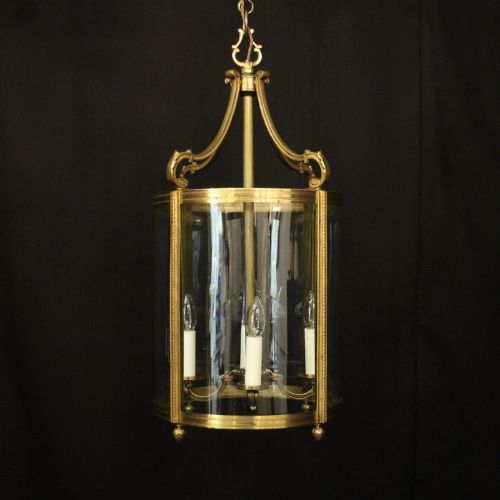


Glazed Entry Lantern
These glazed entry lantern pieces light up corridors and halls with glass and metal from the Victorian, Edwardian, and early twentieth century.
Glazed Entry Lantern
When you search for a glazed entry lantern, you are looking at hanging hall lanterns, ceiling lights, and wall lanterns designed to illuminate passages and entrances. These fixtures come in forms ranging from simple geometric shapes to ornate hexagonal and octagonal structures.
The versions you are most likely to meet on this page hail from the nineteenth and early twentieth centuries, particularly the nineteen-twenties and nineteen-thirties. French models strongly feature in the selection, alongside English pieces.
Makers and designers drew upon historical idioms, creating lights in French Chateau, Rococo Revival, and Gothic Revival styles. A glazed entry lantern serves both a practical purpose for interior illumination and a decorative role in period hallways.
How they were made
These lanterns combine metalwork frames with fitted glass panes, utilising materials such as bronze, gilded bronze, brass, copper, and wrought iron. Artisans cast or forged the metal structures to support the weight of the glass and the internal lighting components.
Glass panels are often bevelled or curved to catch and refract the light from multiple internal bulbs or single candles of earlier configurations. Metal surfaces received gilding, patination, or polishing to achieve specific decorative finishes suited to formal and rustic interiors.
Listings feature lanterns spanning from the nineteenth century through the 1930s, constructed in glass, bronze, brass, copper, and wrought iron.
What varies in quality
The distinction between tiers of quality rests on the weight and complexity of the metal casting and the precision of the glasswork. Heavier bronze or gilded bronze frames with intricate chased details command greater attention than simpler brass or iron builds.
The sophistication of the stylistic design also sets examples apart, particularly where fixtures incorporate bevelled or convex glass panels and complex period detailing. Craftsmanship in the assembly of the frame and the quality of the original gilding define the upper end of the selection.
The Glazed Entry Lantern Glossary
- Bevelled glass
- Glass panes with edges cut and polished at an angle to create a prismatic decorative border. This technique enhances light refraction inside the hall lantern.
- Gilded bronze
- Bronze metal treated with a thin layer of gold leaf or gold paint. It provides a durable and rich metallic finish seen across many French lighting fixtures.
- Convex glass
- Glass panes that curve outward from the frame. This shape softens the emitted light and adds visual depth to the lantern body.
- Wrought iron
- Iron beaten and shaped by hand into structural and decorative elements. It appears in utilitarian and Gothic Revival hanging fixtures.
- Regence period design
- A French decorative style bridging the classical and rococo eras, noted for symmetry and restrained ornamentation. Pieces on this page adopt these earlier design motifs.
Glazed Entry Lantern: Frequently Asked Questions
Where should I hang a glazed entry lantern?
These lanterns suit entrance halls, vestibules, and wide corridors where overhead lighting establishes an immediate impression. Their hanging designs require adequate ceiling height to clear doorways and walkways properly.
Position the fixture centrally in the space so the glass panels distribute light evenly across the walls and floor. Wall-mounted variants work well beside exterior doors or along long interior passages.
How do I date a vintage lantern?
Dating relies on examining the metal composition, the casting techniques, and the stylistic vocabulary of the frame. Pieces from the Victorian and Edwardian eras often employ heavier wrought iron or copper, while later 1920s and 1930s examples utilise specific French gilded bronze or brass configurations.
Comparing the decorative motifs against known historical revivals, such as Rococo or Gothic styles, helps narrow down the period of manufacture. Hardware construction and glass bevelling techniques also offer clues to the age of the piece.
Are these lanterns suitable for low ceilings?
Most hanging hall lanterns and pendant lights require considerable vertical clearance to hang effectively without obstructing movement. For lower spaces, wall-mounted lanterns or ceiling lights provide a safer alternative while maintaining the same period aesthetic.
Check the overall drop measurement of any hanging fixture against your room dimensions before installation. Shorter chain suspensions can sometimes be adjusted to accommodate modest ceiling heights.
What maintenance do metal and glass lanterns need?
Routine care involves dusting the glass panes regularly with a soft cloth to maintain light clarity. Metal frames require minimal intervention, avoiding harsh chemical cleaners that might strip original gilding or patination.
Period wiring and electrical components should be inspected by a qualified professional to ensure safety standards meet current regulations. Gentle cleaning preserves the historical finish of brass, bronze, and copper surfaces over time.