
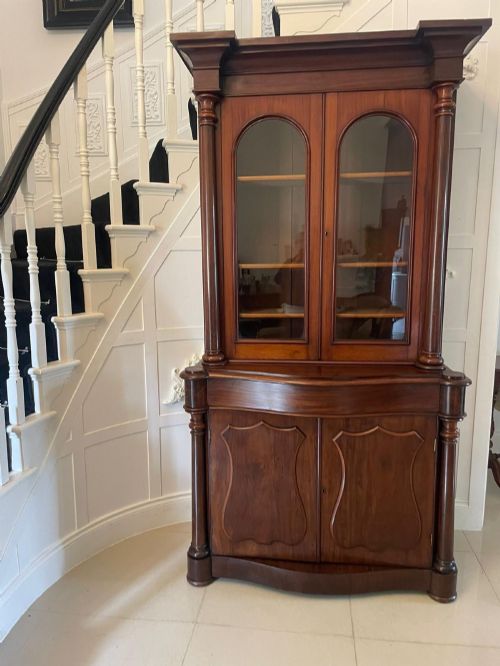
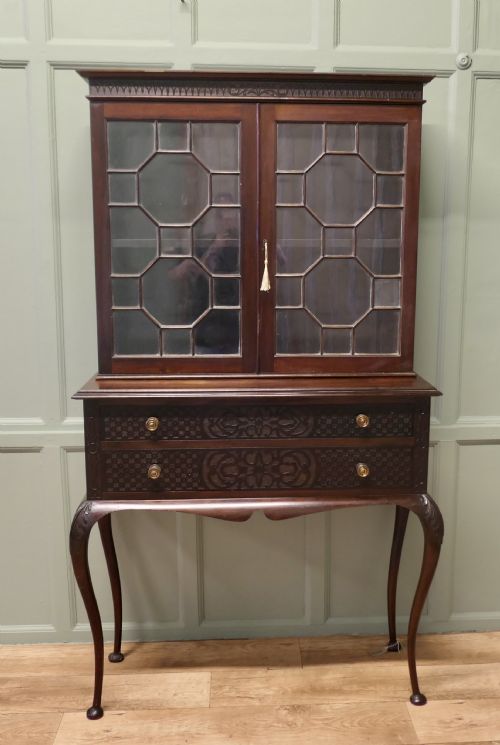
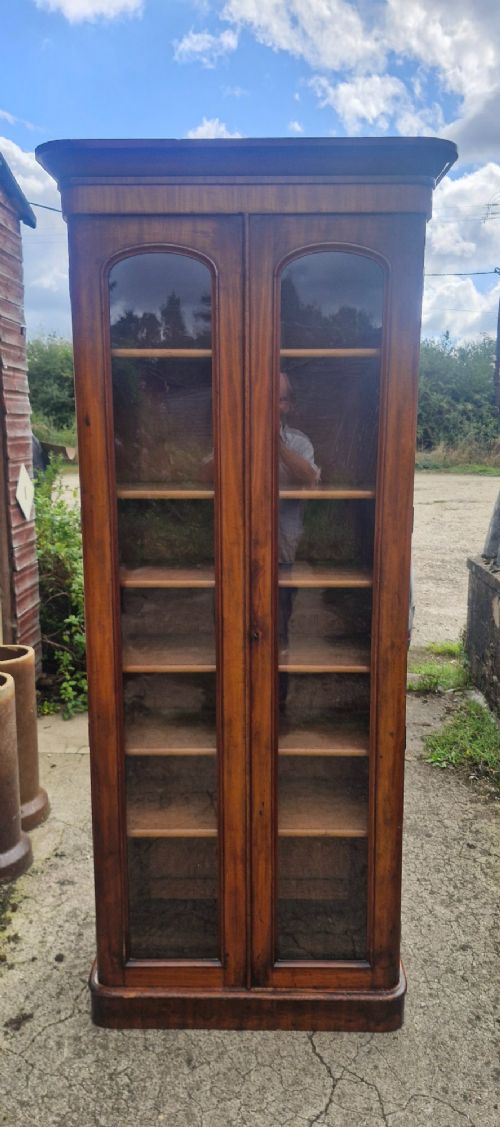
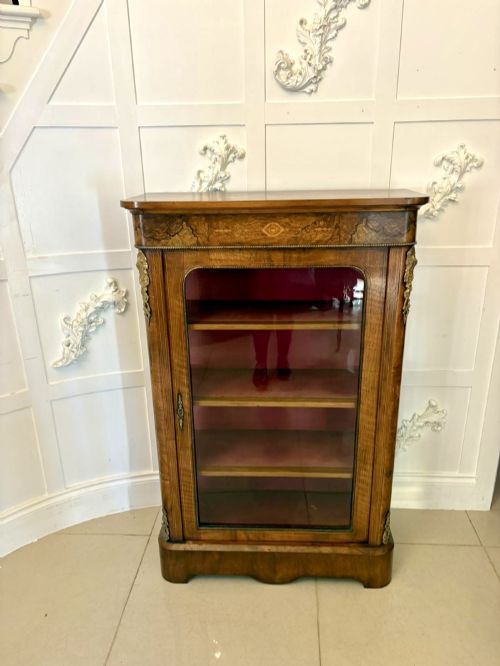
Glazed Door Cupboard
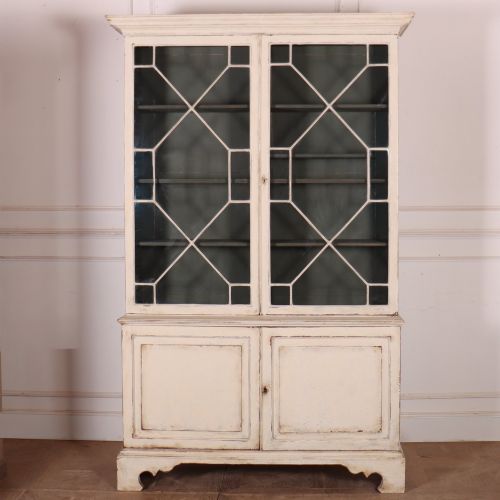
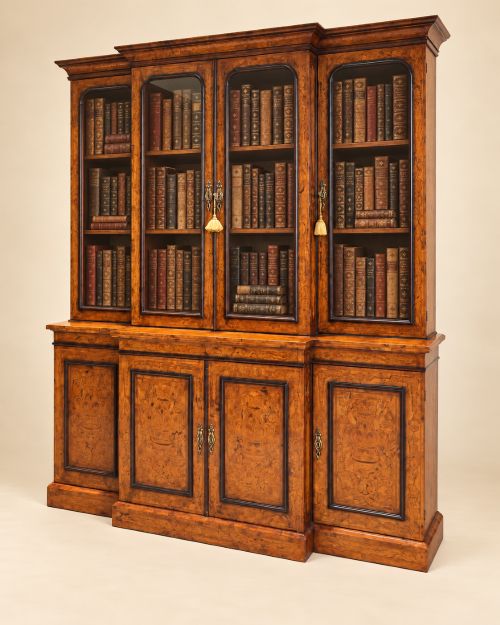
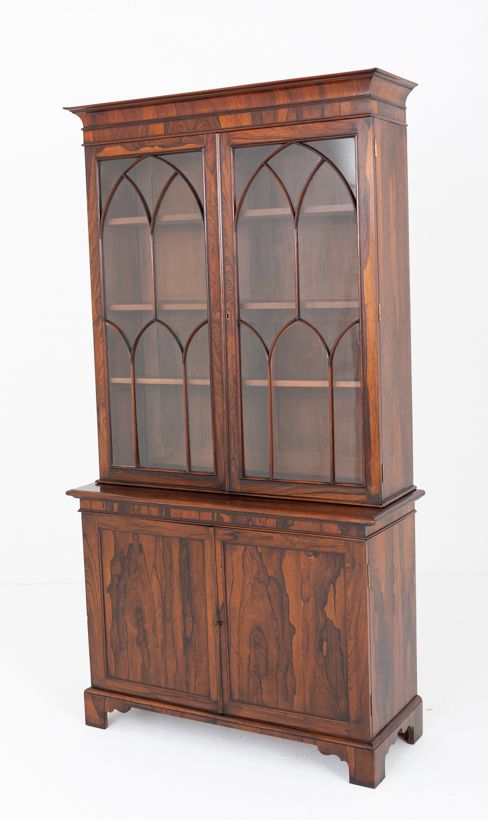
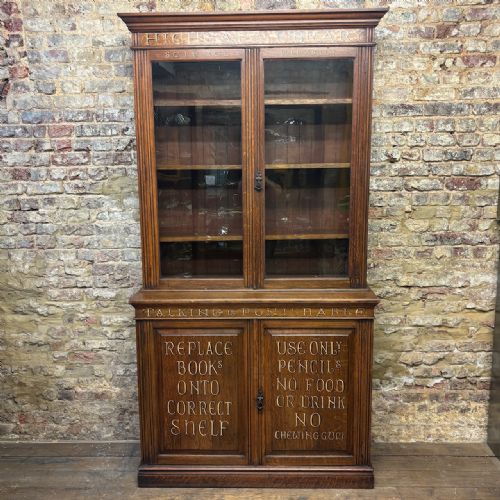
These glazed door cupboard examples combine timber framing with transparent panes, offering a practical solution for displaying books and household objects.
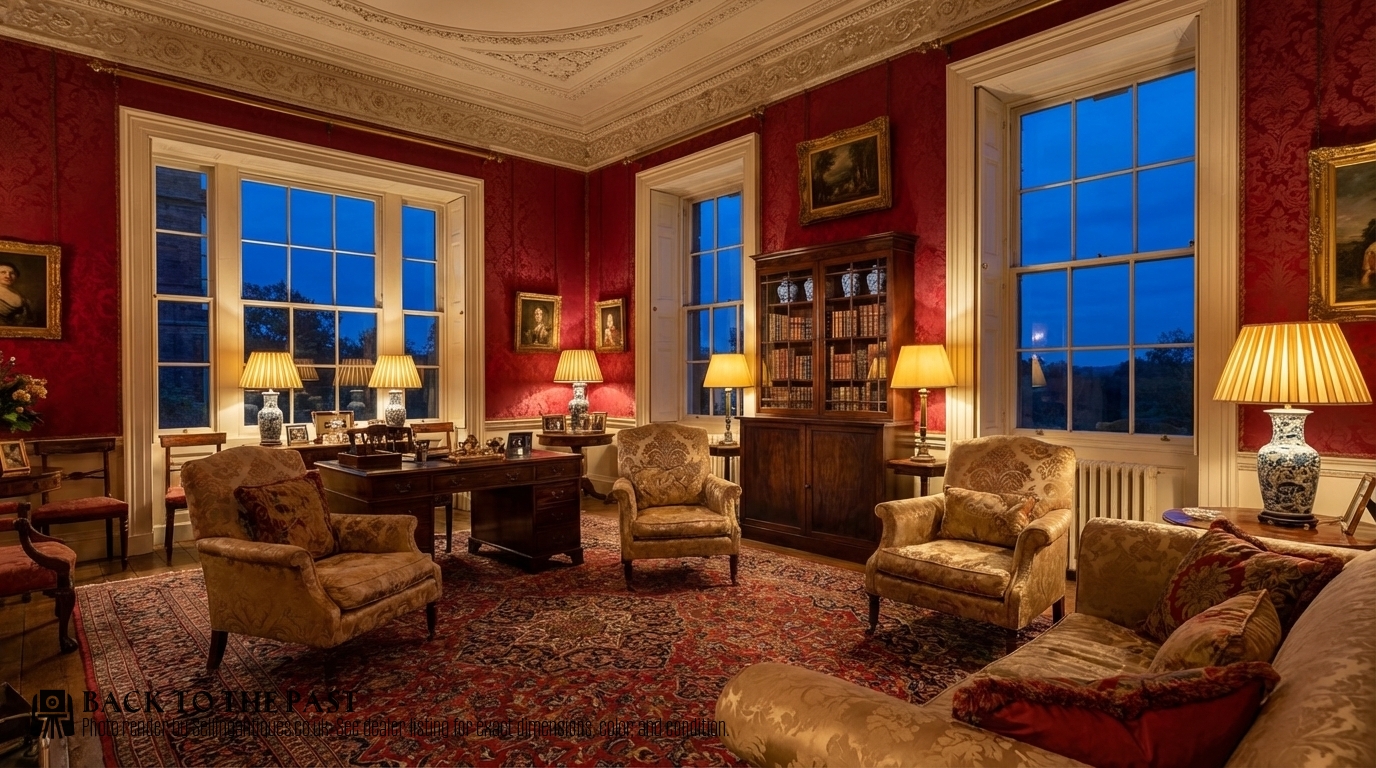
What They Are
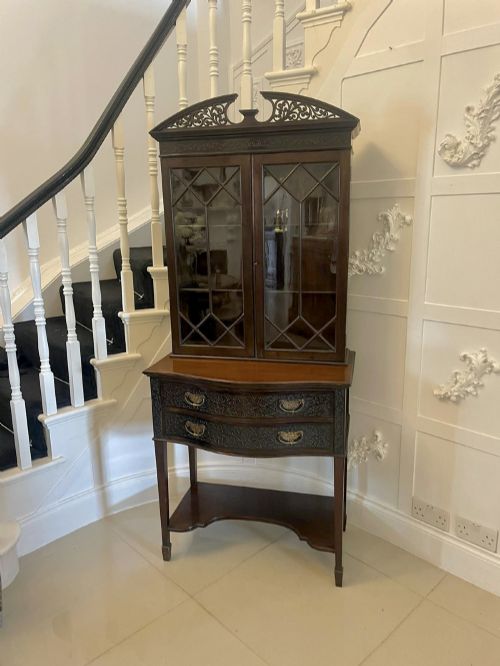
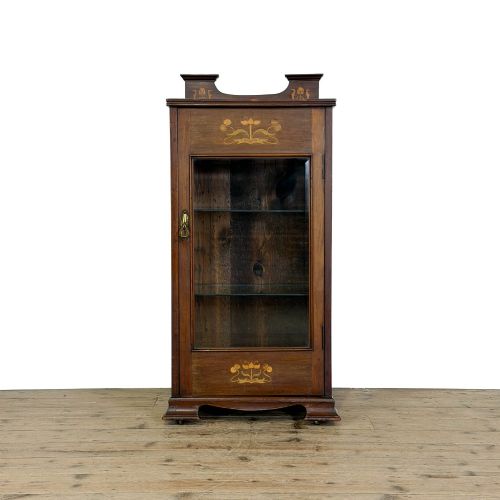
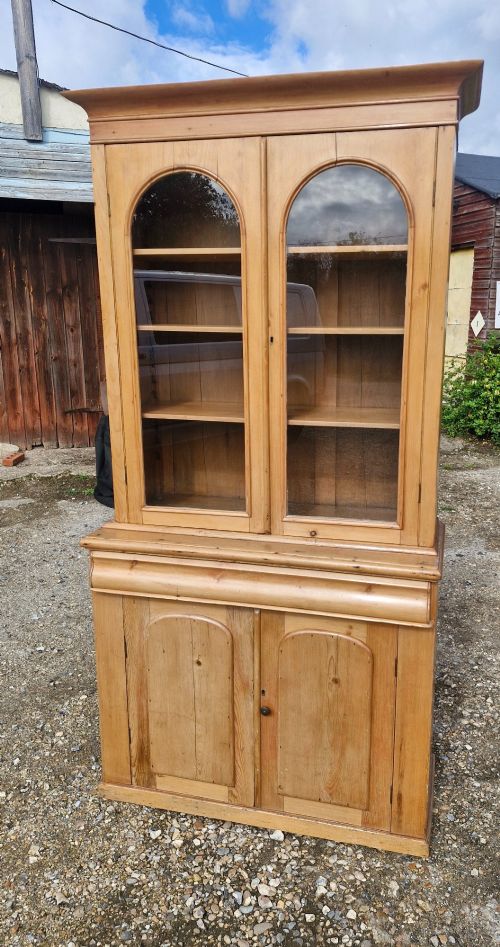
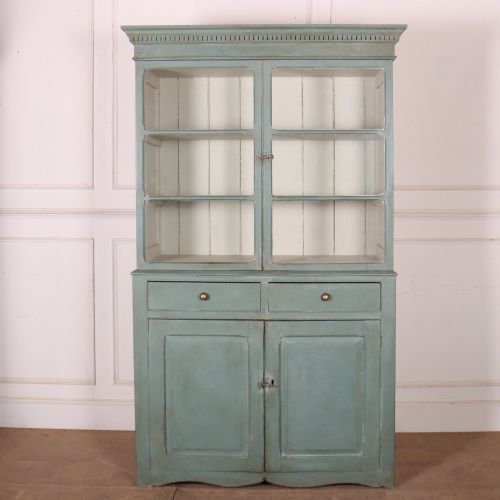
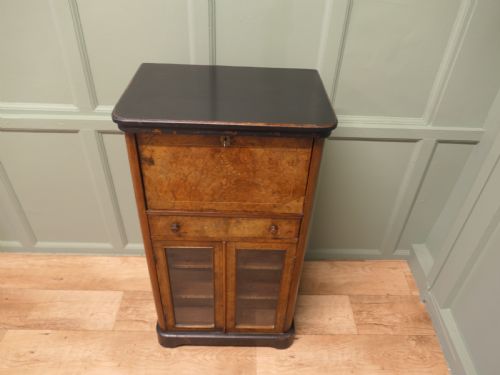
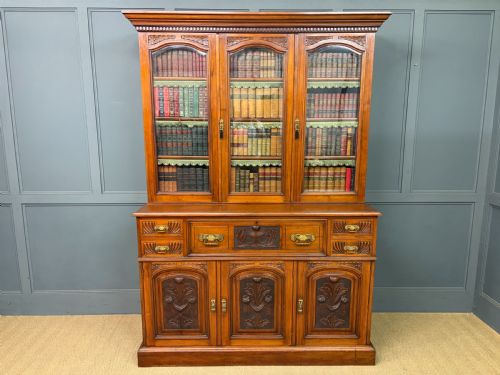
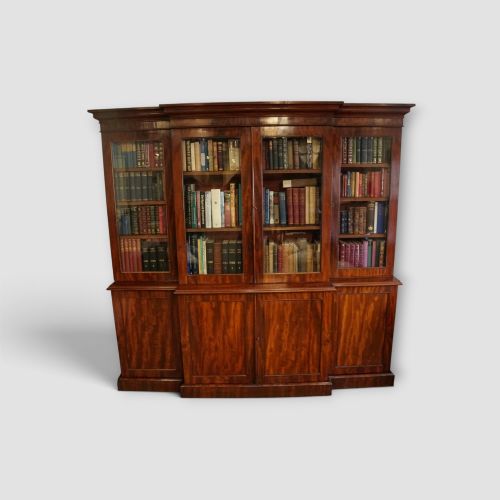
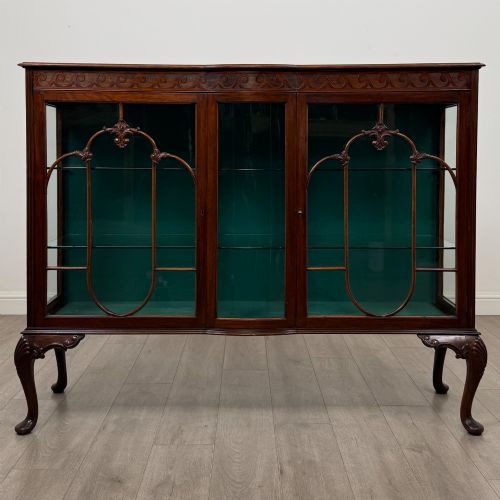
A glazed door cupboard provides visible storage inside wooden frames, taking the form of bookcases, display cabinets, and corner units.
The pieces on this page span the Georgian, Victorian, and Edwardian eras, with nineteenth-century mahogany items appearing frequently alongside oak and pine examples.
Makers utilised timber varieties such as flame mahogany veneer, padauk, and walnut to construct these cabinets, fitting them with glass viewing areas and occasionally incorporating lower drawers.
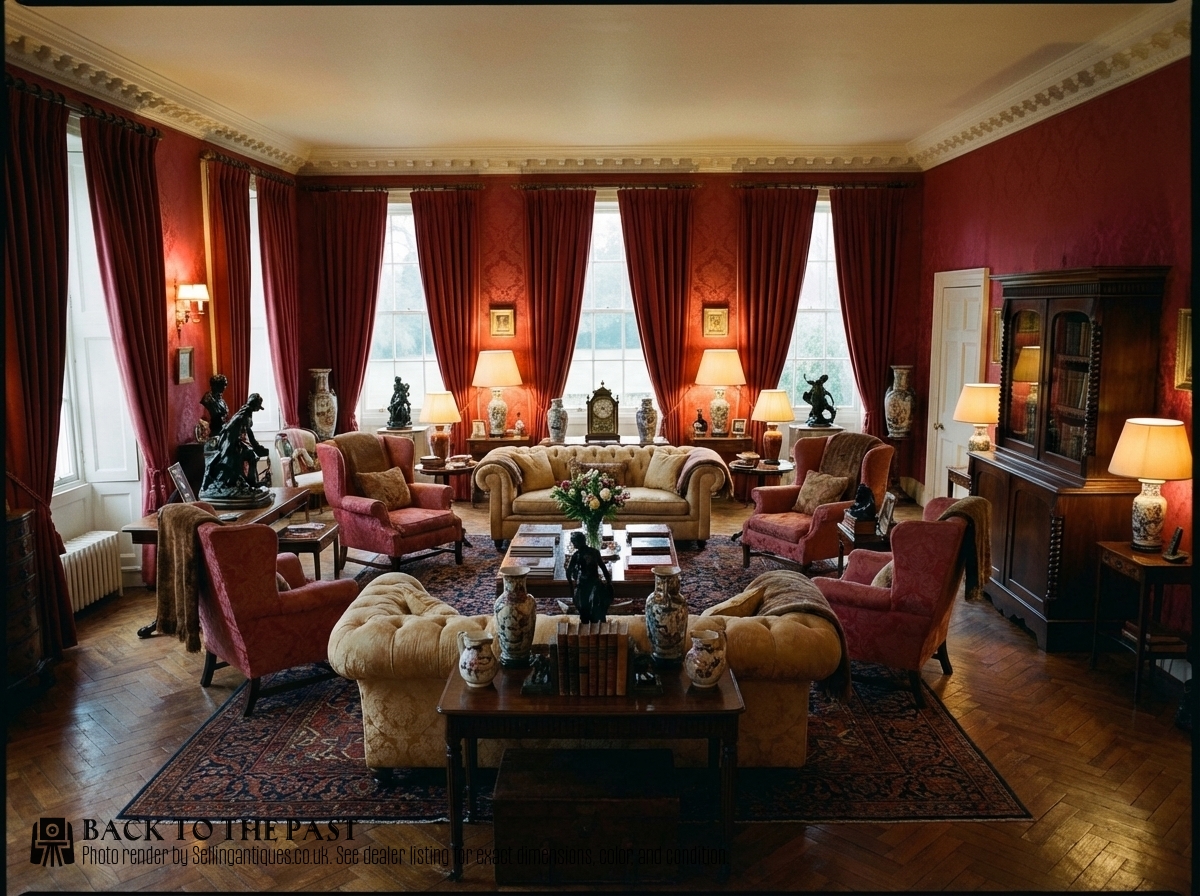
How They Were Made
Craftsmen built the main bodies using hardwoods like mahogany, oak, and padauk, often applying flame mahogany veneers to exterior surfaces for distinct grain patterns.
Doors incorporate glass panes held within wooden frames, sometimes detailed with satinwood inlay or astrigal bars, complemented by brass hardware and shelving interiors.
Retail Price Guide 2026
Typical UK retail prices for glazed door cupboard, calculated from the Sellingantiques database of over a million retail prices indexed since 2003. This retail price guide relies exclusively on Sellingantiques data; no external sources or auction records are used, so the figures do not describe the wider market.
What Varies in Quality
Superior examples display careful selection of timber figures, such as figured mahogany and flame veneers, matched across the doors and panels.
Construction refinement shows in the fitting of adjustable shelving, interior drawer configurations, and the precision of inlaid details like astrigal glazing bars.
James D Bennet of Glasgow
The Glazed Door Cupboard Glossary
- Astrigal
- A narrow moulding used to divide panes of glass within a glazed door. These bars create a grid pattern across the cabinet front.
- Flame Mahogany
- A wood veneer showing a distinct, fiery grain pattern resembling flickering flames. Cabinet makers selected these sheets for prominent display areas.
- Padauk
- A dense hardwood displaying rich reddish-brown tones. Craftsmen utilised this timber for specific nineteenth-century storage pieces.
- Campaign
- Portable furniture designed for travel, featuring brass corners and recessed handles. These pieces served military officers in the nineteenth century.
- Gallery
- A raised wooden or metal railing bordering the top surface of a small cabinet. This feature prevents items placed on top from sliding off.
Frequently Asked Questions
What is a glazed door cupboard?
A glazed door cupboard is a wooden storage unit featuring glass panels on the front doors. These pieces allow objects stored inside to remain visible while protected from dust.
They appear in various forms on this page, including tall bookcases, corner cabinets, and smaller wall-mounted units.
How were these cabinets used?
These cabinets served primarily to store and display books, library volumes, and decorative collections in domestic and office settings.
Lower sections often included drawers and solid wooden cupboards to store items requiring privacy, while upper glazed sections held display items.
How do I identify the period?
Dating relies on timber choices, construction methods, and stylistic details associated with specific eras like the Georgian or Victorian periods.
Earlier pieces often feature solid oak or mahogany construction with astrigal-bar glazing, while later nineteenth-century examples may incorporate veneers and different wood species.
Where should I place one?
These cabinets suit dining rooms, studies, and living spaces where visible storage adds character to an interior.
Corner units fit into room junctions to utilise otherwise empty space, while larger library bookcases anchor the main walls of a room.