

Glass Vitrine Case
A glass vitrine case holds treasured objects behind clear panes, bringing light and order to collections.
Glass Vitrine Case
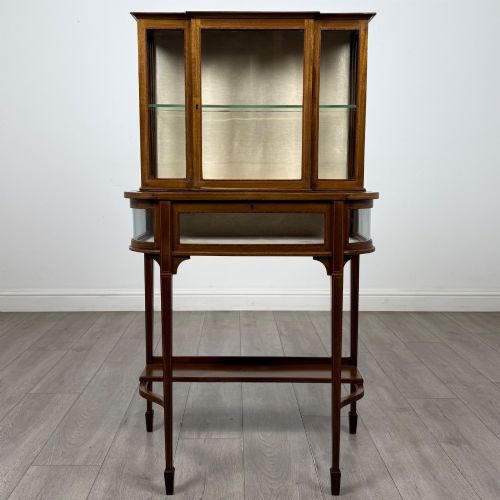
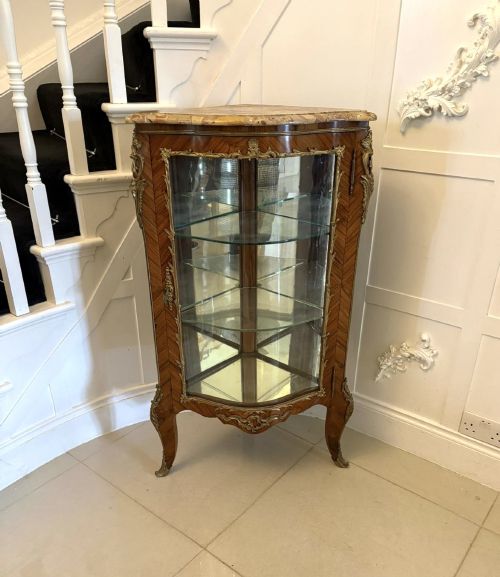
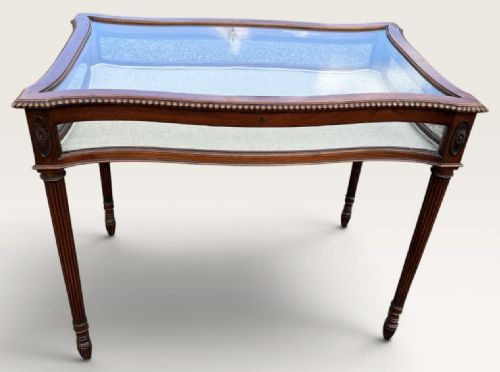
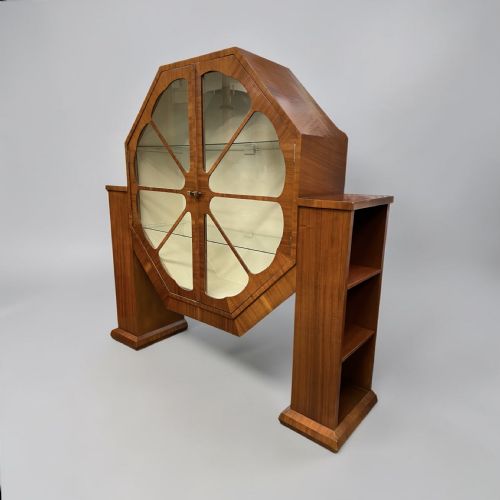
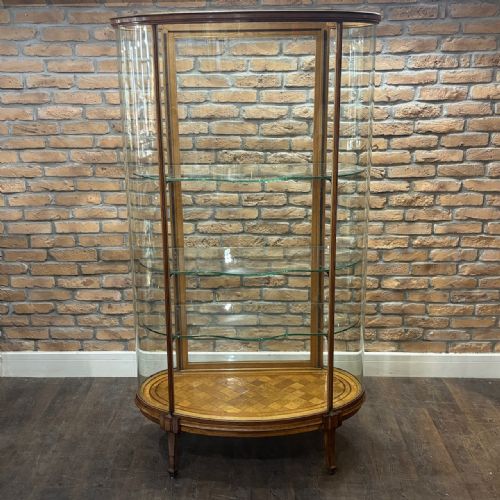
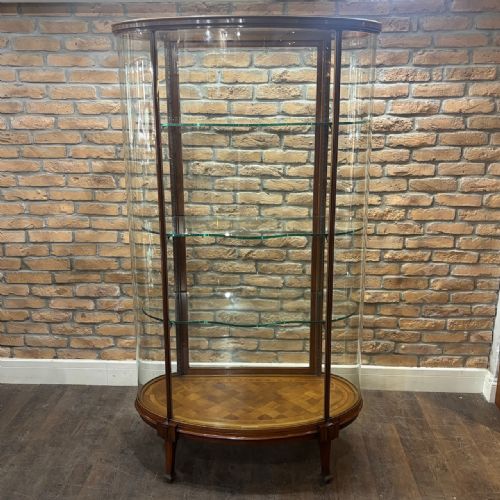
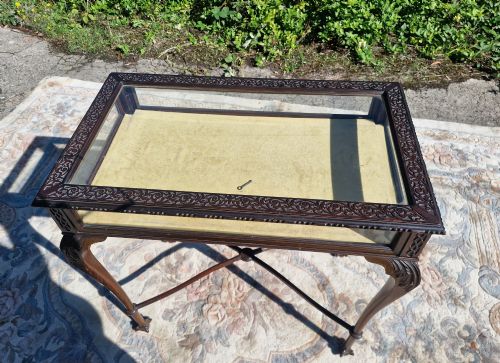
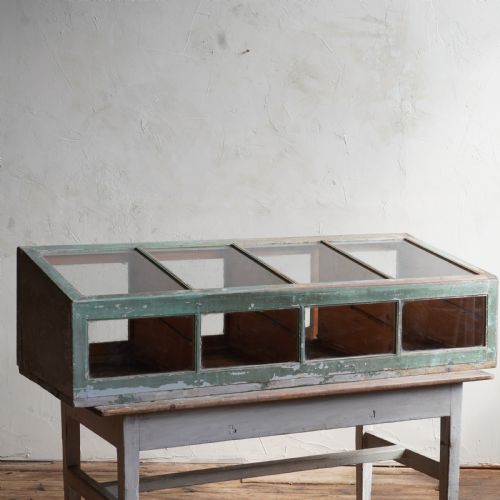
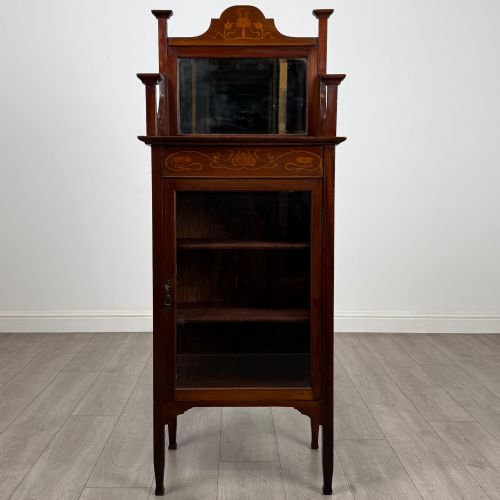
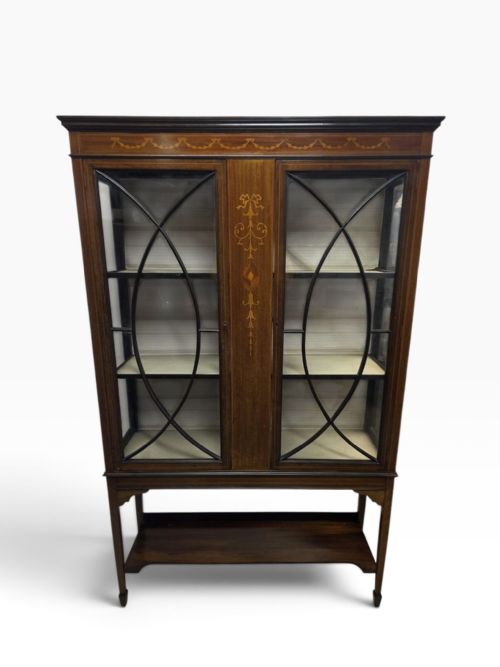
A glass vitrine case functions primarily to display delicate possessions while protecting them from dust and handling. These cabinets appear in various architectural forms, ranging from tall freestanding structures and countertop models to low pedestal tables designed specifically for tabletop viewing.
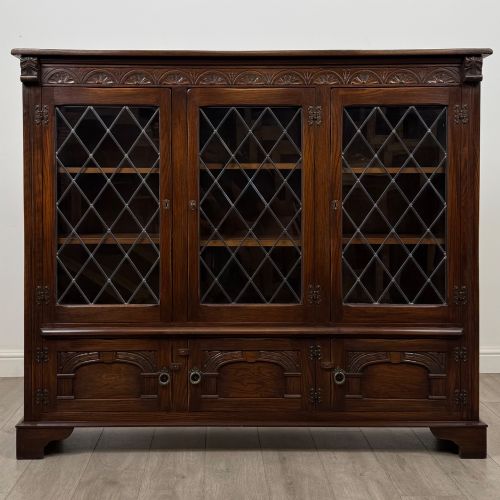
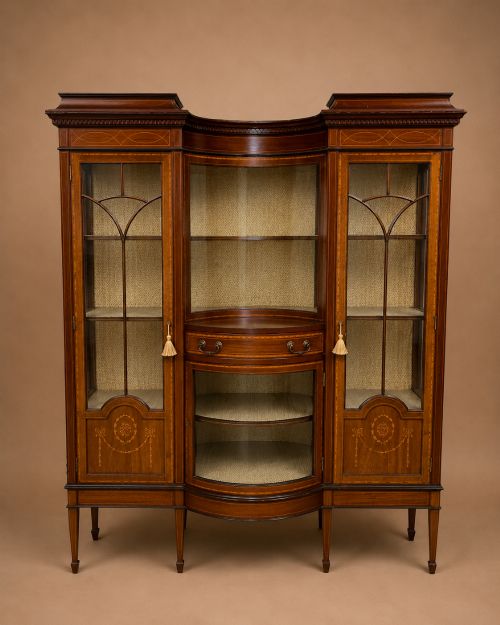
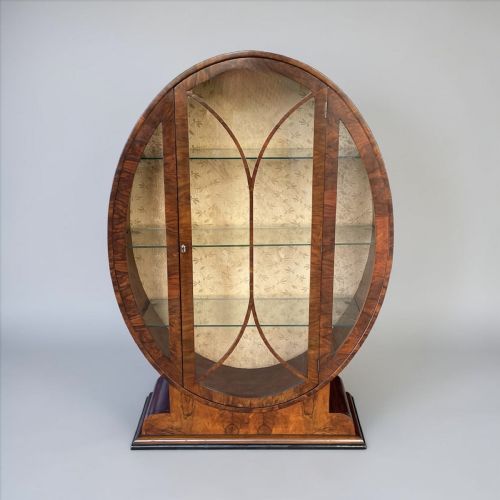
The pieces on this page span several distinct periods including the Victorian era, the Edwardian period, and the Art Deco movement. Makers utilised different silhouettes over these decades, moving from ornate revival styles to cleaner geometric lines.
Materials and Construction
Makers built the structural framework of these cabinets using hardwoods such as mahogany, oak, walnut, and exotic timbers like kingwood and satinwood. These foundational woods were frequently enhanced with intricate inlay work, carved details, or applied lacquer.
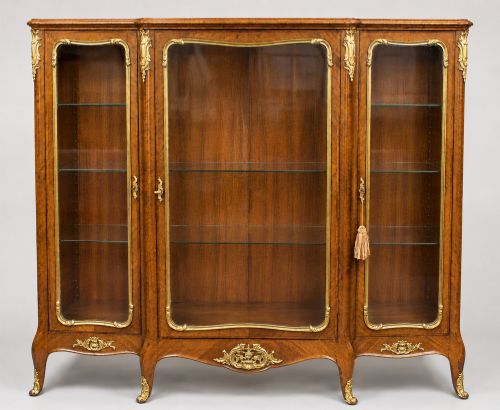
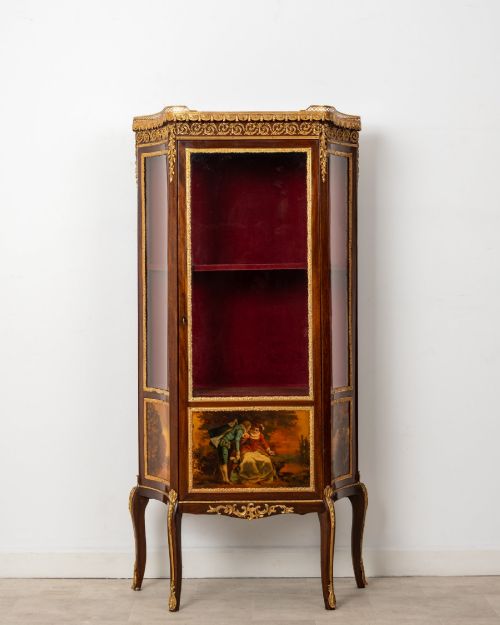
Glass panels form the primary display medium, held securely within timber frames or supported by metal mounts. Many French and continental pieces incorporate cast gilt bronze or ormolu mounts to accent the curved corners and glass doors.
Interior surfaces often rely on fabric linings to provide a soft backdrop for displayed items. Specialised shop fittings also introduced elements like adjustable glass tiers and mirrored backs to maximise internal illumination.
Materials recorded across these display pieces include mahogany, oak, walnut, kingwood, satinwood, brass, ormolu, and fabric.
Standards of Manufacture
The distinction between standard production and exceptional craftsmanship rests heavily on the selection of timber veneers and the precision of the joinery. Finely figured burr walnut, matched kingwood grains, and hand-painted decorations indicate a higher tier of workshop production.
Decorative hardware and mounts reveal much about an object's original workshop. Finely chased ormolu mounts and authentic cast bronze elements demonstrate superior hand-finishing compared to simpler, mass-produced brass fittings found on utilitarian shop counters.
Structural integrity relies on the trueness of the door frames and the stability of the glazed panels. Cabinets that retain their original fitted glass shelves and smooth-running doors reflect careful preservation and superior initial construction.
F. Sage & Co·François Linke
The Glass Vitrine Case Glossary
- Vitrine
- A glass-fronted cabinet designed specifically for displaying fine objects, porcelain, or curiosities. These cases often feature glazed sides to allow maximum light penetration.
- Bijouterie table
- A low display table with a glazed top and compartment, traditionally used for holding small jewellery and personal ornaments. These pieces typically stand on slender legs.
- Ormolu
- Gilded bronze ornamentation applied to the exterior of fine furniture, particularly popular in French cabinet making. The technique involves applying a gold amalgam to bronze before firing.
- Vernis Martin
- A type of simulated Japanese lacquer developed in France, known for its translucent varnish layers and painted scenes. It appears on elite continental display cabinets.
- Sheraton Revival
- A late nineteenth and early twentieth century design movement drawing inspiration from the lighter neoclassical furniture of Thomas Sheraton. Pieces in this style often utilise satinwood and delicate inlay.
Glass Vitrine Case: Frequently Asked Questions
What is a glass vitrine case used for?
These cabinets serve to house and exhibit delicate collections, ranging from porcelain and small sculptures to fine books and personal trinkets. The enclosed glass design keeps dust away while maintaining complete visibility from multiple angles.
Historically, they occupied prominent positions in drawing rooms and parlours where hosts could share their latest acquisitions with guests. Today, they perform the exact same function in modern interiors, protecting fragile items without hiding them from view.
How do I clean a antique display cabinet?
Maintenance requires gentle care for both the aged timber frame and the delicate glass panes. Use a soft, dry cloth for dusting the wood, avoiding modern silicone sprays that can damage older finishes.
Glass cleaner should be applied sparingly to a cloth rather than sprayed directly onto the glass, preventing liquid from seeping into wooden joints or fabric linings. Regular dusting prevents particle buildup in the corners of the framework.
How can I tell Edwardian cabinets apart from Victorian ones?
Victorian display pieces often lean towards heavier proportions, darker timbers, and more substantial carved ornamentation. They reflect the confident, ornate tastes of the nineteenth century.
Edwardian examples, by contrast, frequently exhibit lighter proportions, brighter mahogany or satinwood surfaces, and delicate Sheraton Revival stringing and inlay. The overall aesthetic shifts from heavy grandeur to refined elegance.
Can I adjust the shelves inside these cabinets?
Shelf adjustability depends entirely on the specific origin and purpose of the individual piece. Commercial shop display cabinets often feature functional notched supports or metal tracks designed for altering shelf heights to suit varying stock.
Domestic cabinets from the Victorian and Edwardian periods typically feature fixed wooden supports or permanent resting ledges for glass tiers. It is important to examine the interior structure of each specific cabinet before planning to display unusually tall items.