



Brass Showcase Cabinet
A brass showcase cabinet brings a glittering, transparent stage into a room to hold small treasures and precious wares.
Brass Showcase Cabinet
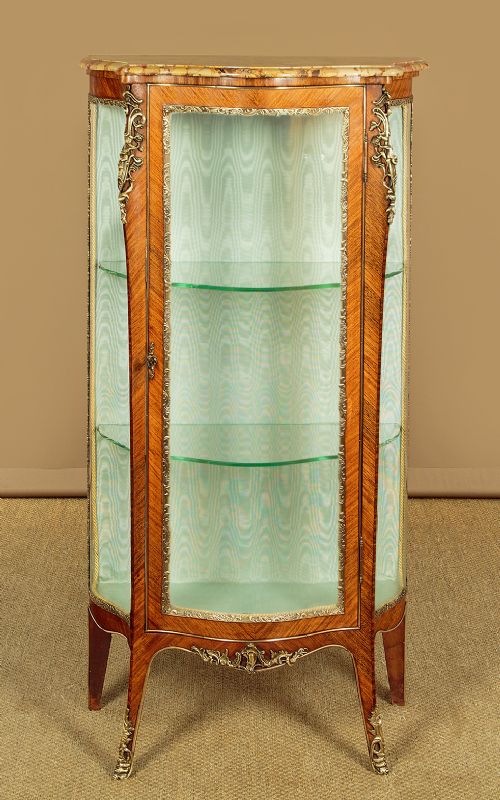
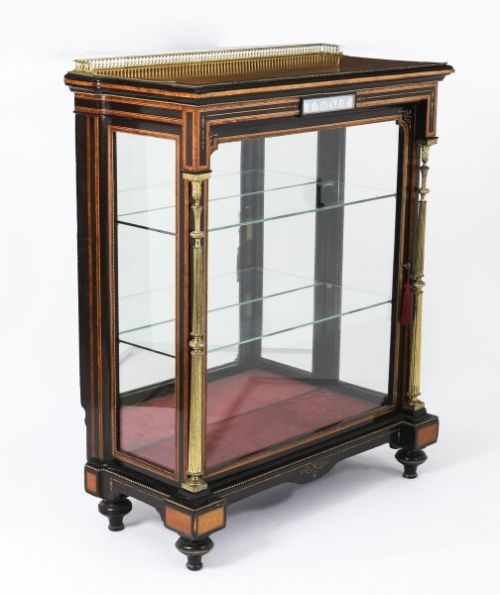
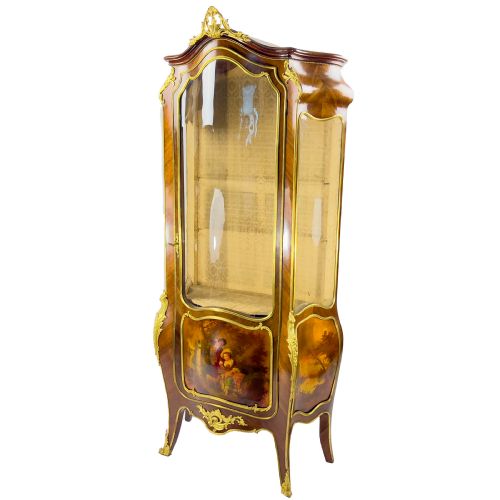
A brass showcase cabinet is a glazed display piece designed to protect and exhibit items from every possible angle. These furnishings range from diminutive countertop display boxes and bijouterie tables to substantial shop counters and tall freestanding vitrines. When searching for a brass showcase cabinet, buyers encounter domestic drawing room furniture as well as commercial shop display counters.
The materials span several centuries, with pieces emerging from the Victorian era, the Edwardian period, and the nineteen-twenties. Common structural timbers include mahogany, walnut, rosewood, amboyna, and ebonised wood, alongside specialised French marquetry and parquetry. These enclosures serve to elevate everyday objects into collections worthy of close inspection.
Construction and materials
The architecture of these cases relies on robust metal framing combined with clear glass panels to maximise ambient light. Brass and ormolu provide the structural profiles and decorative mounts, framing the glazed doors and display surfaces. Cabinetmakers joined dense hardwoods like mahogany and walnut to support the weight of heavy glass panes and mirrored interiors.
Internal surfaces are frequently lined with velvet to cushion delicate items such as jewellery and small curiosities. French makers utilised intricate parquetry and painted panels on cabinet bases, whilst commercial workshops constructed sturdy oak and mahogany carcasses for daily retail use.
Listings feature brass showcase cabinets spanning the Victorian and Edwardian eras through to nineteen-thirty, incorporating glass, brass, velvet, and mahogany.
Judging craftsmanship and finish
Quality reveals itself in the crispness of the cast ormolu mounts and the precision of the brass framing. Finer examples display meticulous timber selection, such as burr walnut, amboyna, or kingwood, matched across the visible panels. The integration of mirrored interiors and bevelled glass indicates a higher standard of manufacture.
Commercial pieces built by established shopfitters prioritise structural durability for retail environments, using robust oak and mahogany. Domestic vitrines from the Victorian and Edwardian periods focus on decorative refinement, incorporating delicate parquetry and finely turned supports.
F. Sage & Co.·Siegel
The Brass Showcase Cabinet Glossary
- Ormolu
- Gilded bronze mounts applied to furniture for decoration. This technique was widely utilised on French and Victorian cabinets to highlight corners and door frames.
- Vitrine
- A glass-fronted cabinet designed for displaying fine china or curiosities. These pieces often feature glazed sides to maximise light penetration.
- Bijouterie table
- A shallow display table with a glass top used for exhibiting jewellery and small ornaments. They frequently incorporate velvet linings to protect the items displayed inside.
- Pier cabinet
- A piece of furniture designed to stand against the wall space between windows. Victorian examples often incorporate mirrored backs and brass mounts.
- Parquetry
- Geometric wood inlay forming a patterned surface on furniture panels. Cabinetmakers applied this technique to the bases of French display cabinets.
- Ebonised wood
- Timber treated to imitate ebony through staining or painting. This dark finish provides a stark contrast against bright brass mounts and glass panels.
Brass Showcase Cabinet: Frequently Asked Questions
What is a brass showcase cabinet?
A brass showcase cabinet is a glazed display enclosure framed in metal, designed to exhibit objects securely while allowing light to enter from multiple sides.
These pieces function as both domestic furniture for drawing rooms and commercial fittings for retail shop counters.
How do I date a display cabinet?
Dating relies on observing the timber species, construction techniques, and stylistic influences present in the piece. Victorian and Edwardian examples often feature distinct wood veneers and specific joinery methods.
Makers' marks or stamps, when present, provide a direct link to specific workshops and production dates.
Where should I place a vitrine?
A vitrine requires a stable location away from direct sunlight to protect interior velvet linings and sensitive objects. Placing the case near a light source enhances the visibility of items through the glass panels.
Freestanding cabinets need level flooring to ensure doors and glazed panels align correctly.
What items go inside a bijouterie table?
Bijouterie tables are traditionally used to display small decorative items, medals, coins, and jewellery. The shallow glazed compartment keeps delicate objects protected from dust.
Velvet-lined bases prevent items from sliding when the room experiences vibrations.