
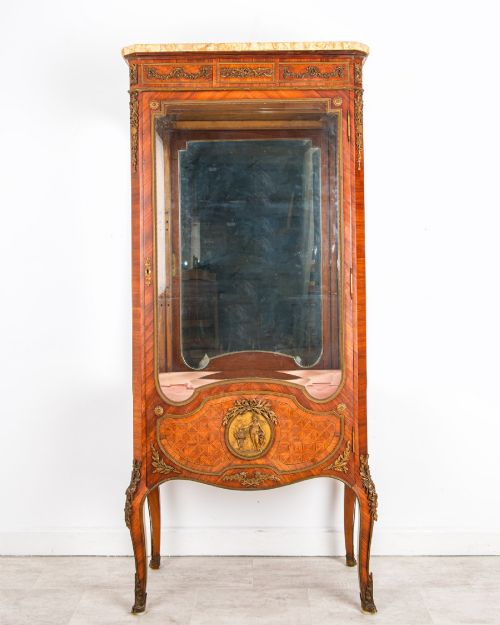


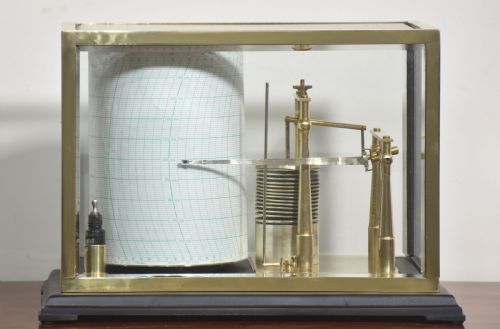
Brass Glass Case
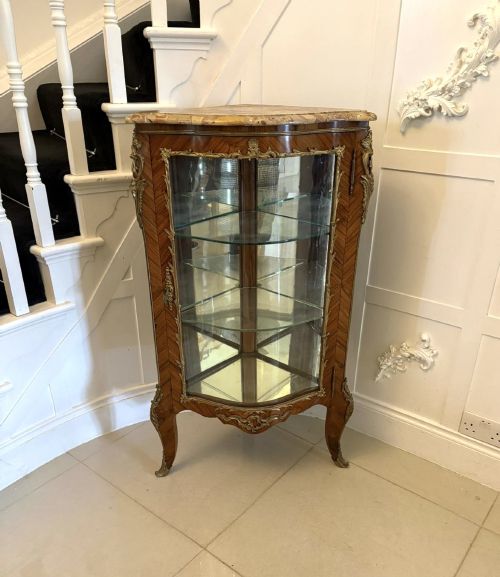
When you search for a brass glass case, you enter a world of glazed vitrines, carriage clocks, and scientific instruments designed to display precious items.
Brass Glass Case
A brass glass case encompasses a wide variety of functional and decorative objects from the nineteenth and early twentieth centuries, where metal framing holds transparent panels.
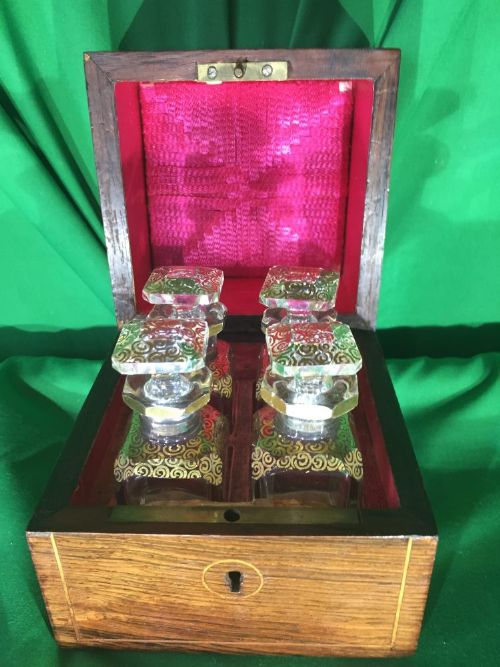
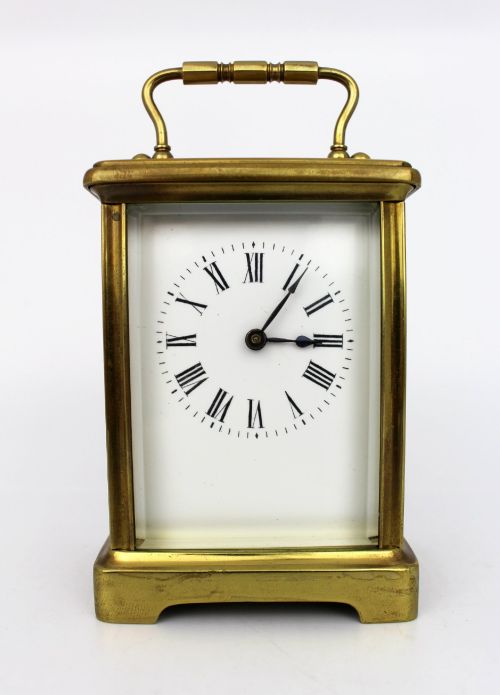
The pieces on this page range from French four-glass mantel clocks and carriage clocks to larger display cabinets, vitrines, barographs, and bijouterie caskets.
Victorian and Edwardian examples dominate the selection, often utilising heavy bevelled glass to protect delicate scientific dials or showcase jewellery and scent bottles.
Materials and construction
Construction relies heavily on structural frames of brass, gilt brass, or ormolu holding tightly fitted glass panes together with secondary woods like mahogany, oak, and walnut.
The listings span the eighteenth, nineteenth, and early twentieth centuries, featuring woods like mahogany, walnut, kingwood, and coromandel alongside brass.
What determines quality
Quality rests upon the precision of the brass casting and the clarity and thickness of the bevelled glass panels used in the construction.
Finer examples demonstrate superior craftsmanship through crisp engraving on clock movements, tight joinery on wooden carcasses, and the inclusion of original linings and paperwork.
Russell Norwich·Gaupp and Co·Short and Mason·John Millikin·F. Sage and Co·Samuel Marti
The Brass Glass Case Glossary
- Vitrine
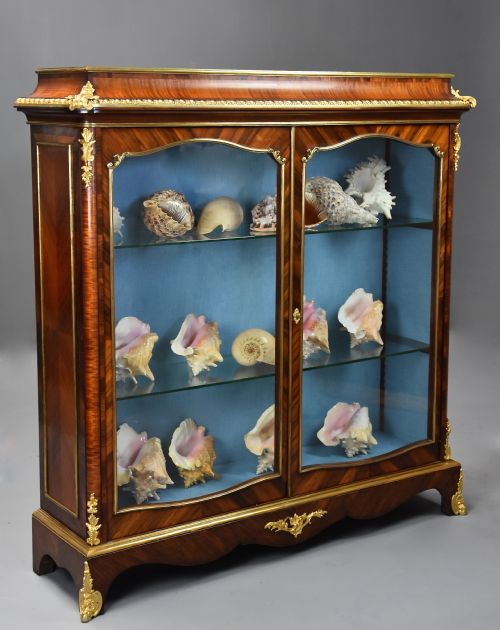
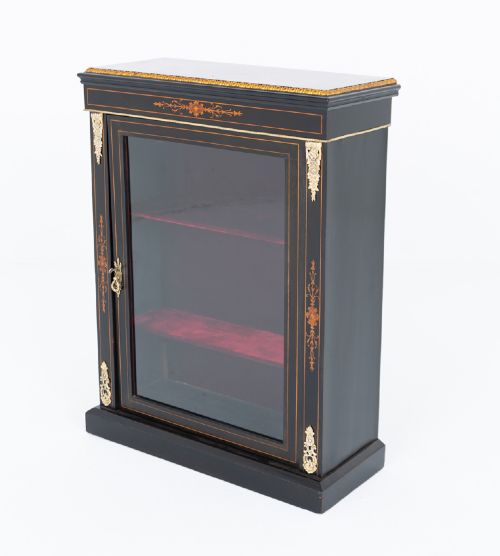
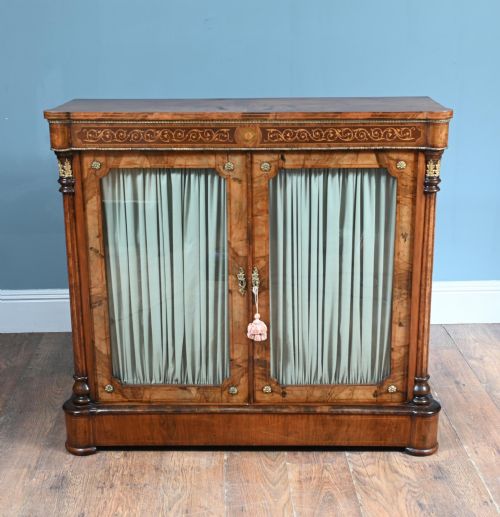
- A glass-panelled display cabinet designed for exhibiting ceramics, books, or small decorative objects. These often feature elaborate wood veneers and gilt bronze mounts.
- Carriage Clock
- A small, spring-driven clock made for travelling, housed in a brass case with glass panels that reveal the moving escapement. Many nineteenth-century versions feature elaborate gorge frames.
- Barograph
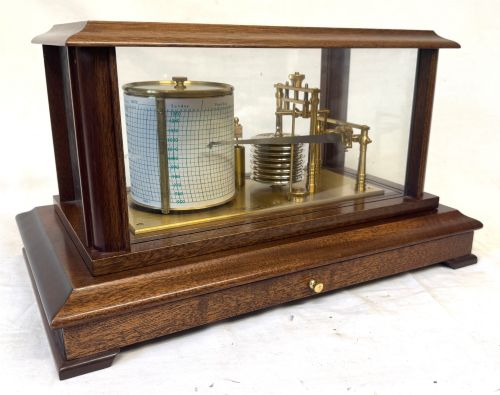
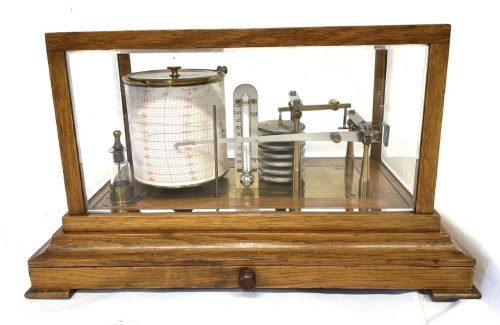
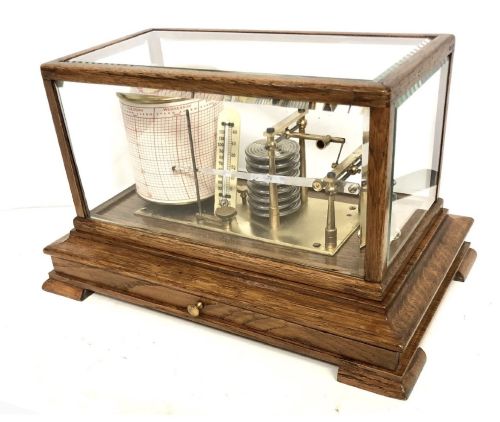
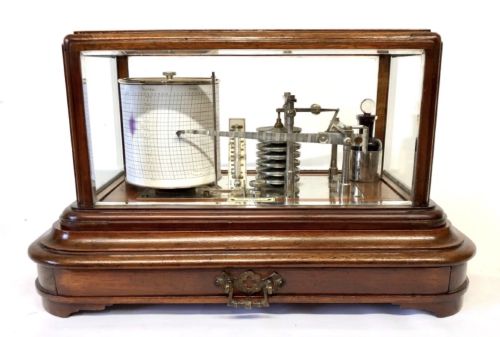
- A self-recording barometer that graphs atmospheric pressure onto paper charts over time. They are commonly housed in oak or mahogany cases with bevelled glass viewing lids and chart drawers.
- Ormolu
- Gilded bronze or brass applied as decorative mounts on furniture and clock cases. This technique was widely utilised during the nineteenth-century revival periods.
- Bijouterie Case
- A shallow display table or cabinet intended for jewellery and small precious trinkets. They often incorporate glazed tops and velvet-lined interiors.
Brass Glass Case: Frequently Asked Questions
What is a four glass clock?
A four glass clock is a type of mantel clock housed within a brass and bevelled glass case that allows light to pass entirely through the movement. These pieces gained popularity during the Victorian era.
They usually feature striking mechanisms and independent escapements visible from multiple angles, often resting on stepped brass or marble bases.
How do I care for brass and glass furniture?
Maintain brass components by dusting regularly with a dry cloth and avoiding harsh chemical polishes that can strip original patination. Glass panels require standard window cleaner applied sparingly to a cloth.
Keep wooden frames away from direct heat sources to prevent the shrinkage of timber and the loosening of delicate brass mounts.
How are barographs housed?
Barographs sit inside wooden cases, frequently made of oak, mahogany, or rosewood, featuring glass panels on top and sides to monitor the recording drum and needle. Many include small drawers underneath for spare paper charts.
The brass mechanisms inside measure barometric pressure and trace the fluctuations onto rotating inked drums.