

Glass Vitrine Cabinet
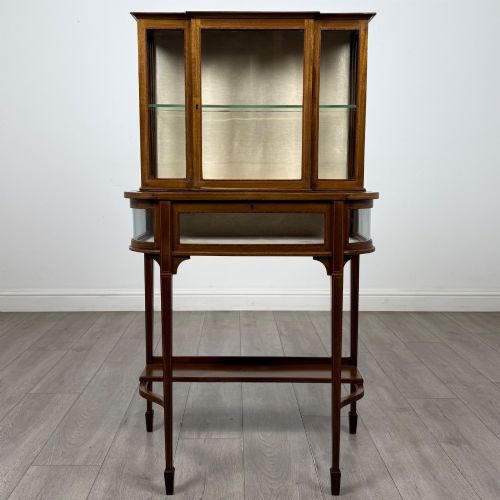
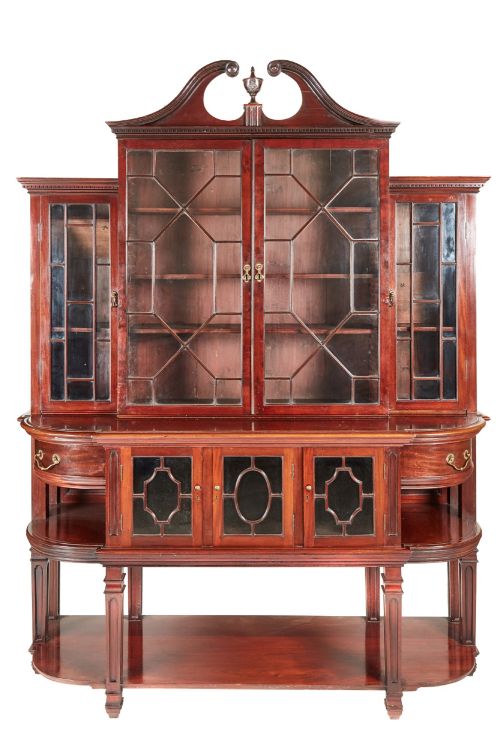
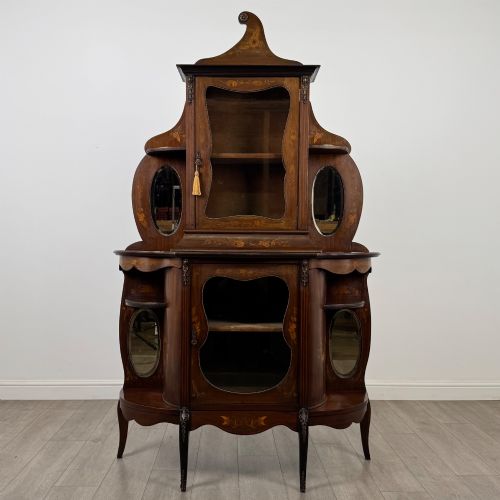
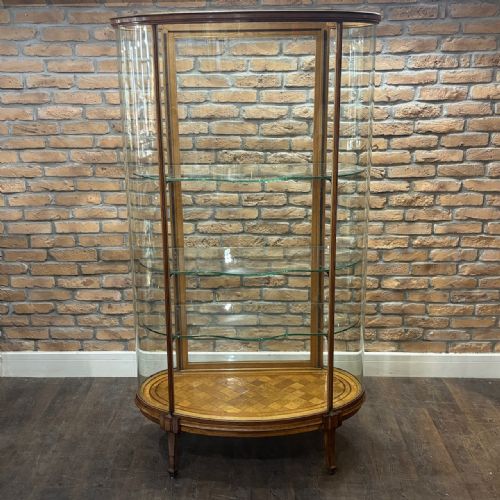
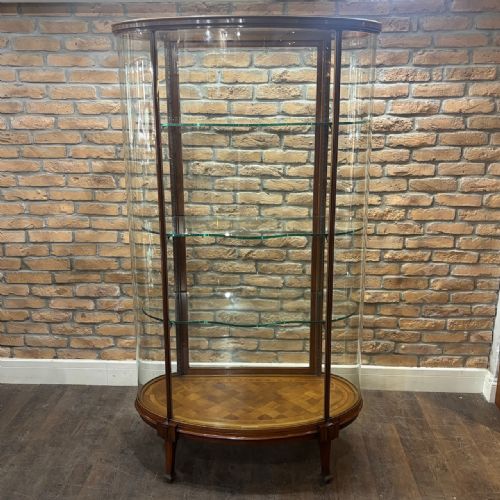
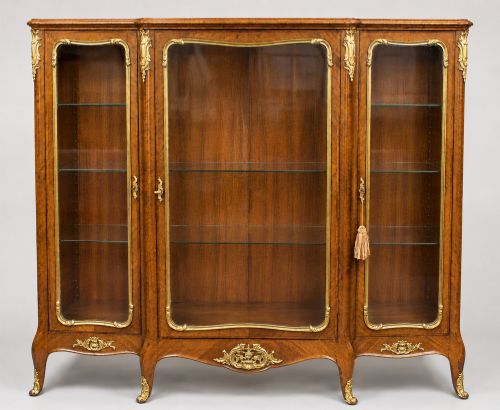
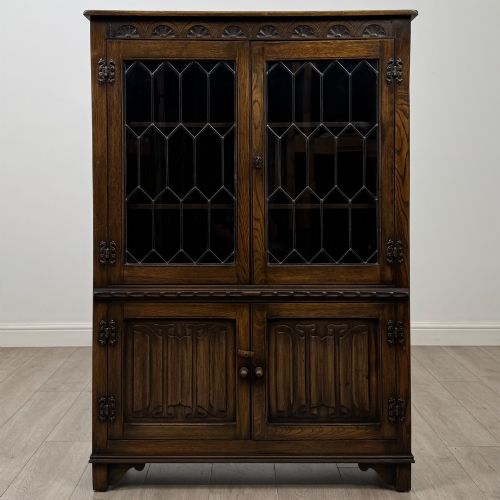
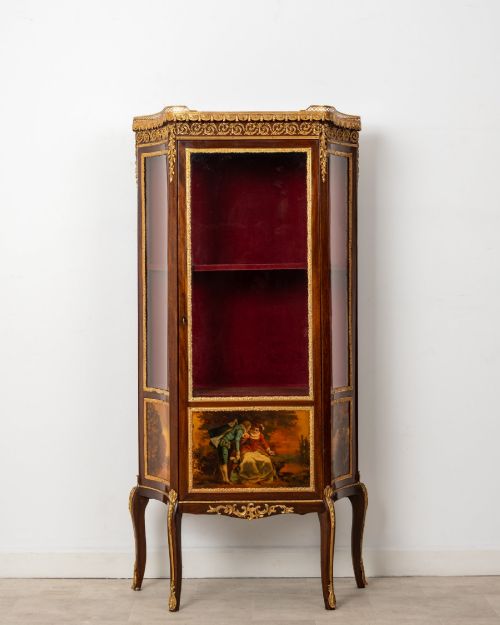
A glass vitrine cabinet is an enclosure designed to showcase prized possessions, and these examples span centuries of master craftsmanship.
Glass Vitrine Cabinet
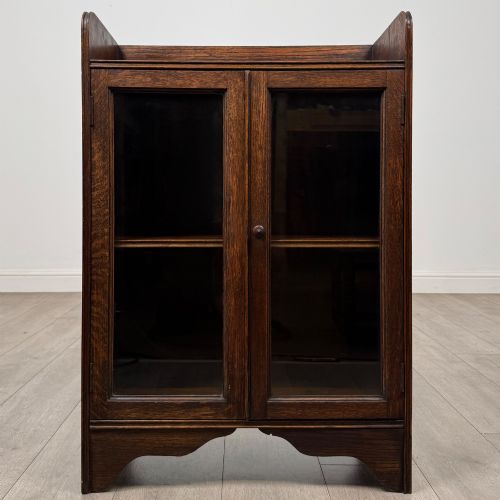
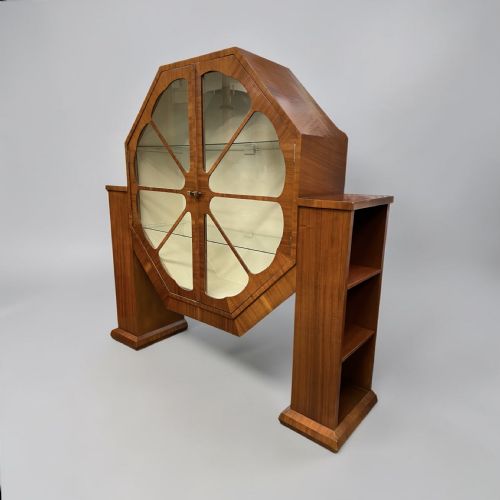
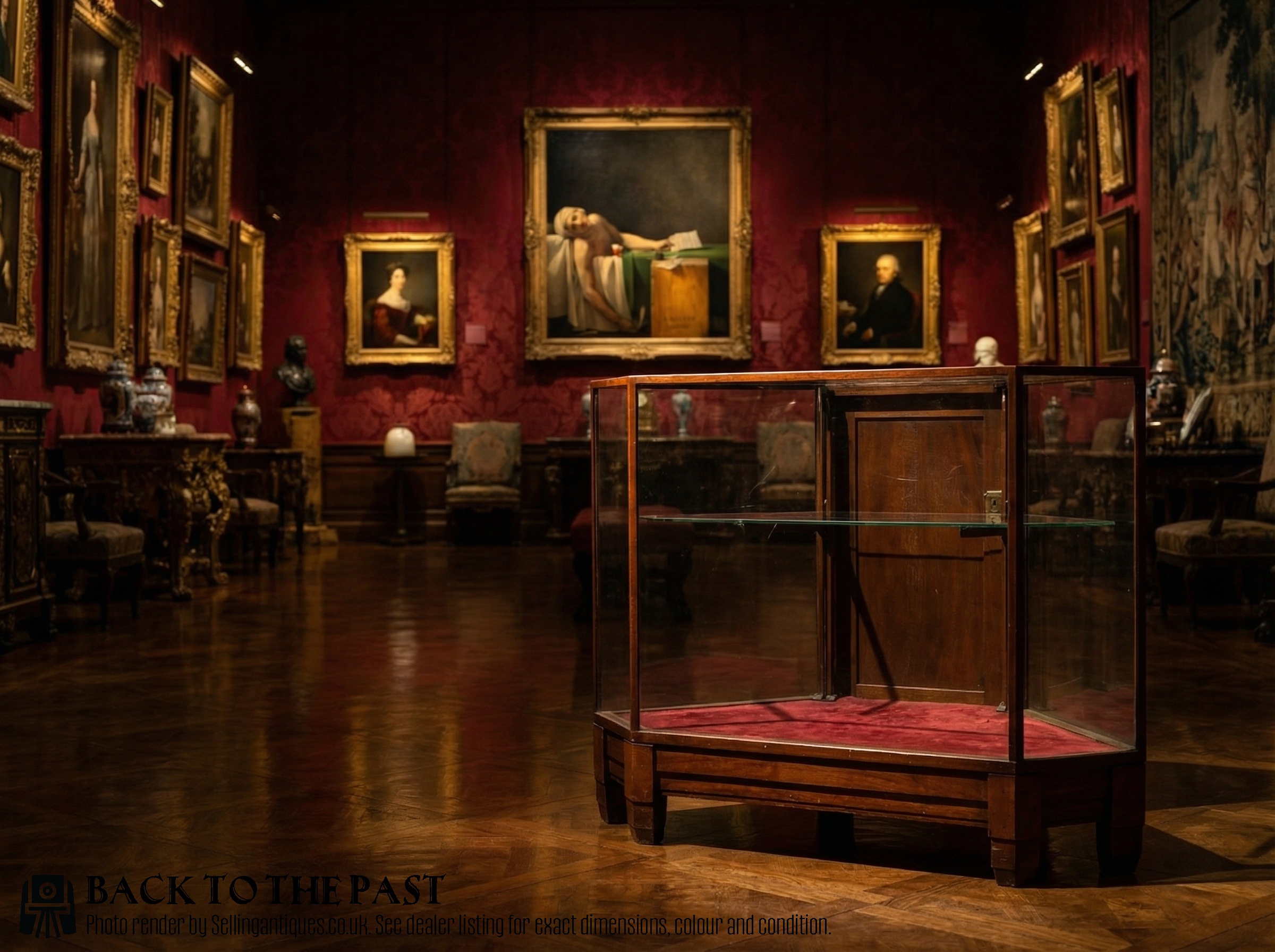
A glass vitrine cabinet serves primarily to display ceramics, books, and curiosities while protecting them behind glazed doors or glass panels. When searching for a glass vitrine cabinet on this page, you will most frequently encounter Edwardian and Victorian forms alongside earlier 19th Century and later Art Deco interpretations.
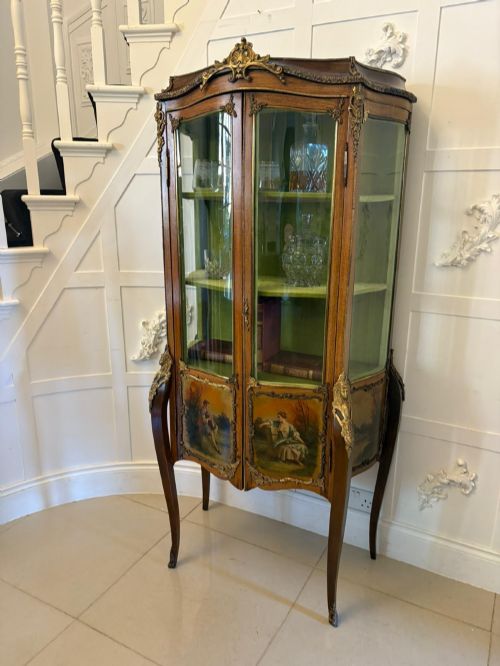
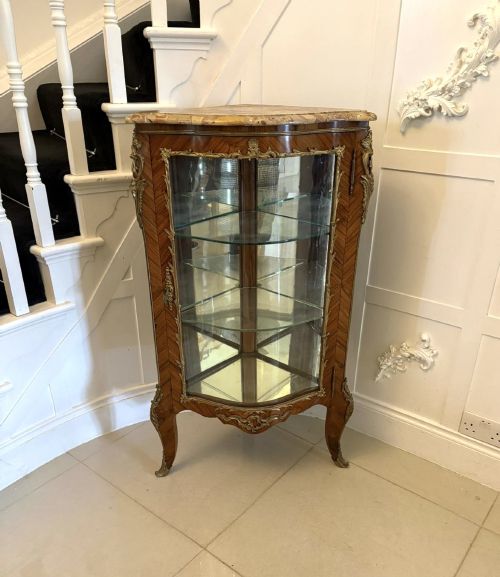
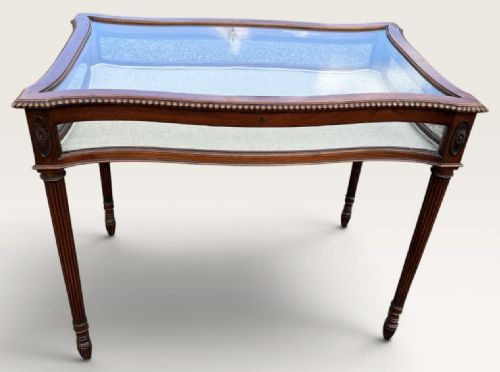
The objects take various shapes, ranging from tall breakfront bookcases and corner cabinets to compact countertop units, bijouterie tables, and freestanding French-influenced vitrines. Mahogany and oak dominate the timber choices, often accompanied by walnut, satinwood, and kingwood.
Makers and retail houses such as Jas Shoolbred, Edwards & Roberts, Hampton & Sons, and F. Sage & Co appear among the heritage pieces. These workshops produced refined items reflecting Sheraton Revival, Louis XV, and Arts & Crafts design sensibilities.
Materials and construction
Cabinet makers utilised solid and veneered timbers such as mahogany, walnut, and oak, applying intricate marquetry, inlay, and carved decoration to enhance the surfaces. Glazing techniques involved individual panes held by astragal bars or curved glass formed to fit serpentine and oval frames.
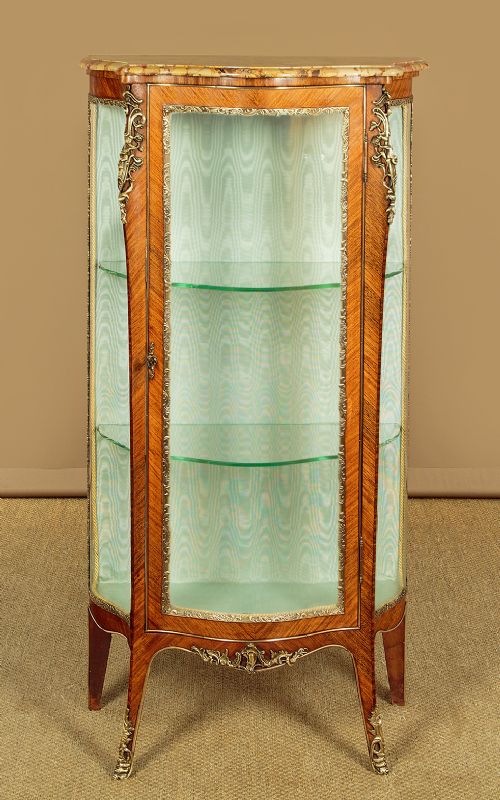
Mounts and hardware of cast or gilt bronze, ormolu, and brass added structural emphasis and decorative contrast to the timber. Interior surfaces often incorporated fabric linings or painted decoration to frame the objects placed inside.
The listings combine Edwardian, Victorian, and 19th Century periods with materials including mahogany, oak, walnut, and ormolu mounts.
Distinguishing quality
The calibre of a piece rests on the precision of its timber selection, the crispness of its marquetry or carved details, and the integrity of its glazed panels. Master workshops employed finer timbers, more complex veneers, and superior joinery that remained stable and aligned over generations.
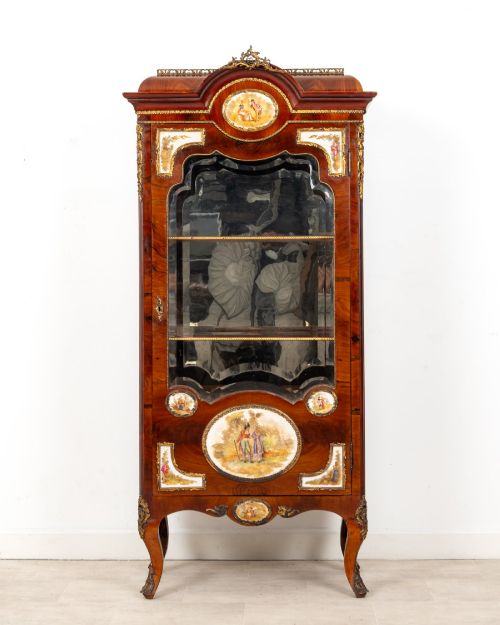
Decorative accents like hand-painted panels, Vernis Martin work, or high-grade ormolu mounts elevate the status of a vitrine from utilitarian storage to high-end salon furniture. The balance of proportions and the originality of glass and hardware dictate the standing of individual examples.
Jas Shoolbred·Edwards & Roberts·Hampton & Sons·F. Sage & Co·François Linke
The Glass Vitrine Cabinet Glossary
- Vitrine
- A glass-fronted cabinet or display case designed specifically for showing porcelain, silver, and small ornaments.
- Ormolu
- Gilded bronze mounts applied to furniture, popular in French-influenced designs to accentuate corners and borders.
- Bijouterie table
- A shallow glass-topped table used for displaying jewellery, medals, and miniature collectibles.
- Astragal
- Moulding profiles used to hold panes of glass within a glazed door or window.
- Marquetry
- Inlaid patterns of wood veneers applied to furniture surfaces to create pictorial or geometric designs.
- Vernis Martin
- A type of decorative lacquer finish developed in France, often featuring painted pastoral scenes on cabinet panels.
Glass Vitrine Cabinet: Frequently Asked Questions
Where should I place a glass vitrine cabinet?
These cabinets suit drawing rooms, dining spaces, or studies where adequate natural light illuminates the contents behind the glass.
Keep them away from direct sunlight and damp walls to protect both the timber structure and the items displayed within.
How do I clean the glass panels?
Use a soft microfiber cloth and a mild glass cleaning solution sprayed onto the cloth rather than directly onto the cabinet.
This prevents moisture from seeping into antique wood frames, painted surfaces, or delicate veneer joints.
Can I adjust the shelves inside?
Many period vitrines feature fixed wooden or glass shelves that reflect the original construction methods of their makers.
When shelves are adjustable, support brackets should be handled carefully to avoid scratching interior fabric linings or wood veneers.
How do I identify the period of a cabinet?
Examine the timber, hardware, construction joints, and stylistic cues such as inlay patterns or carved motifs.
Victorian and Edwardian pieces often display distinct revival styles, while 1930s examples lean towards clean lines and Art Deco geometries.