

Glass Full Length Mirror
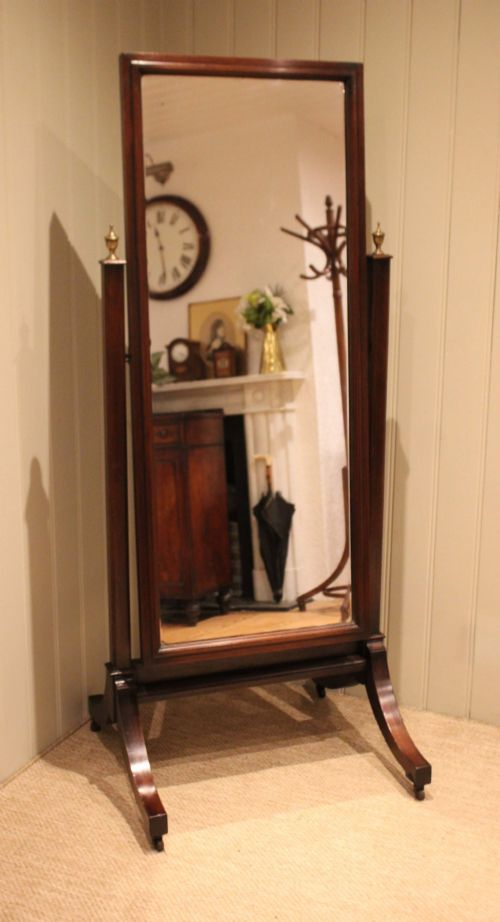
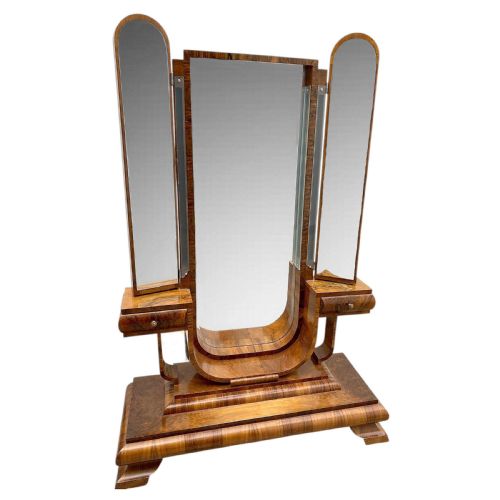
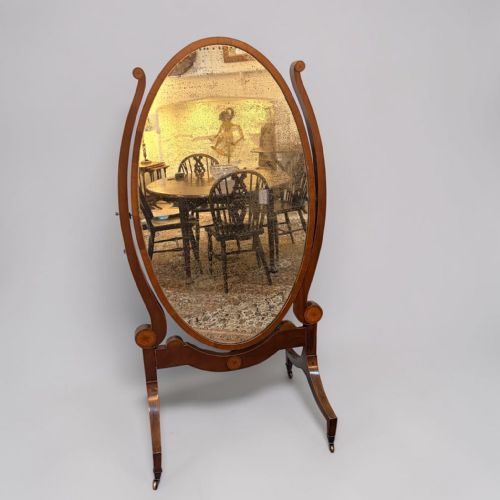
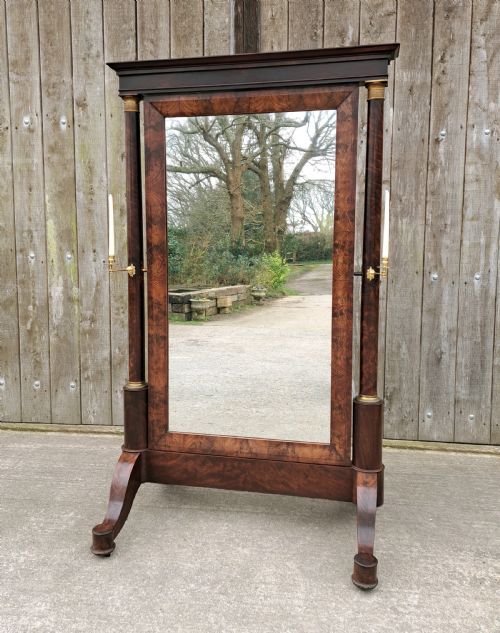
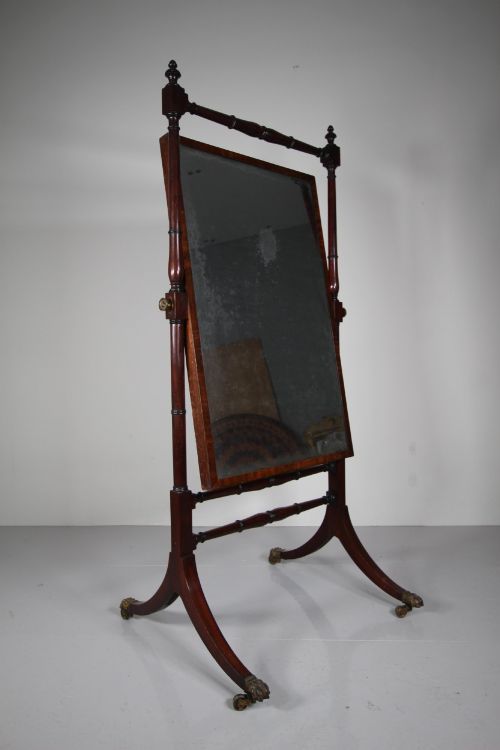
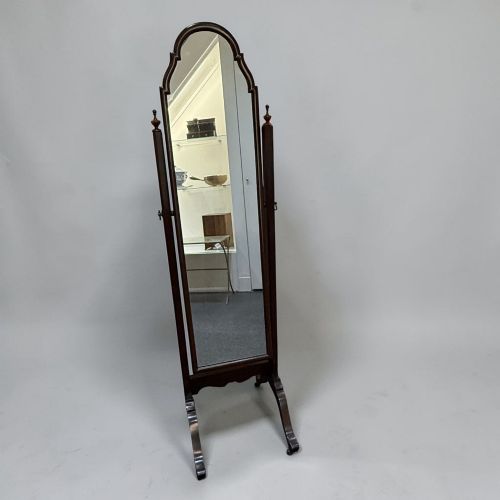
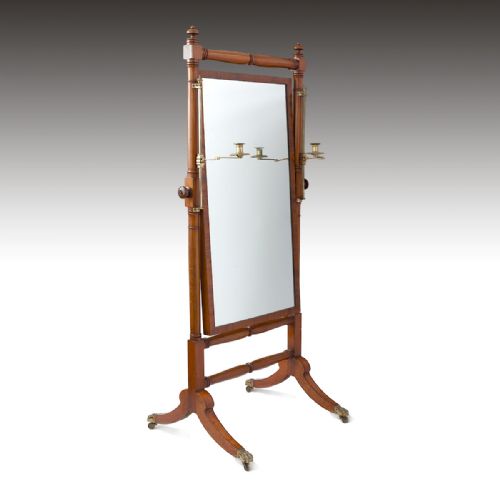
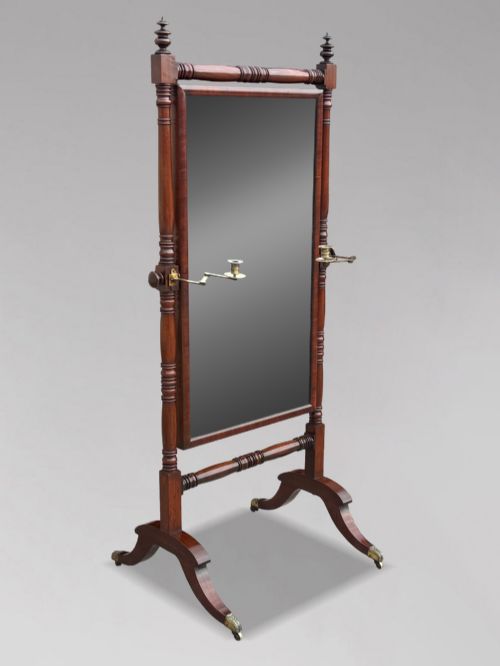
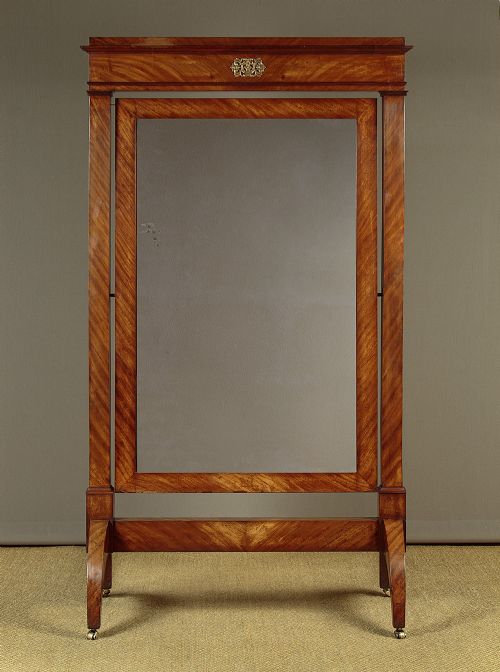
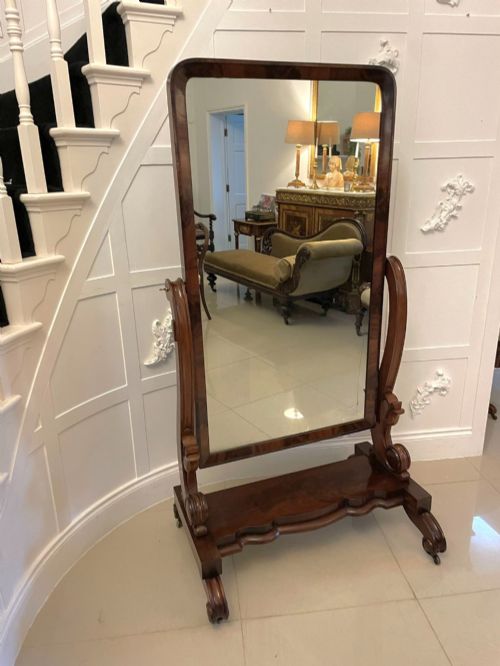
A glass full length mirror is a monumental furnishing designed to reflect the entire figure, most commonly found here as freestanding cheval mirrors.
Glass Full Length Mirror
When you search for a glass full length mirror, you encounter tall, vertical looking glasses that serve dressing and decorative functions in domestic interiors. The pieces on this page are dominated by nineteenth century and Edwardian designs, with Victorian examples appearing most frequently.
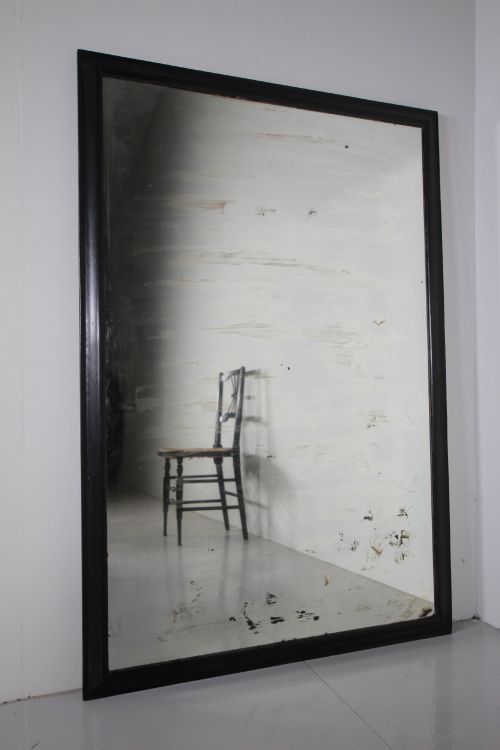
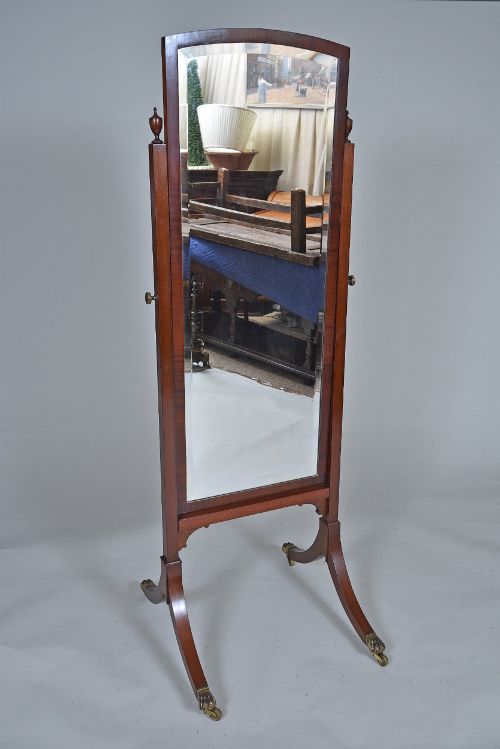
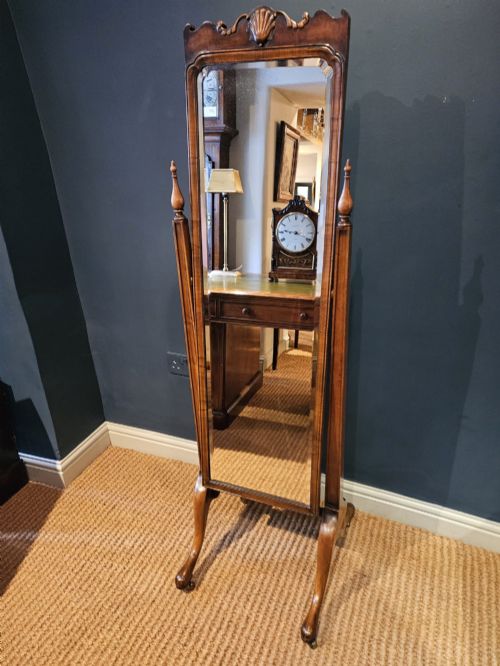
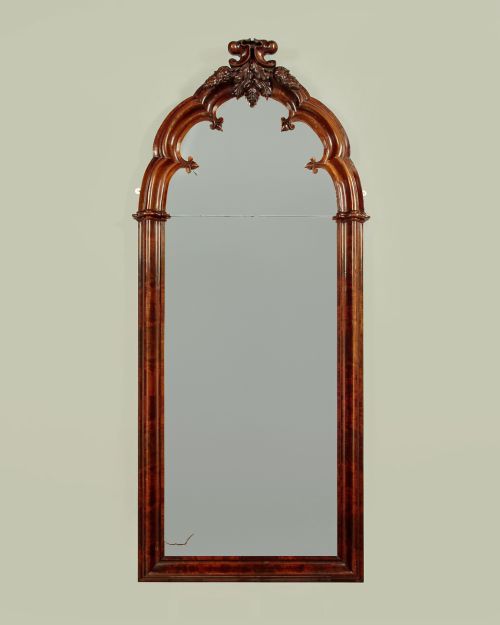
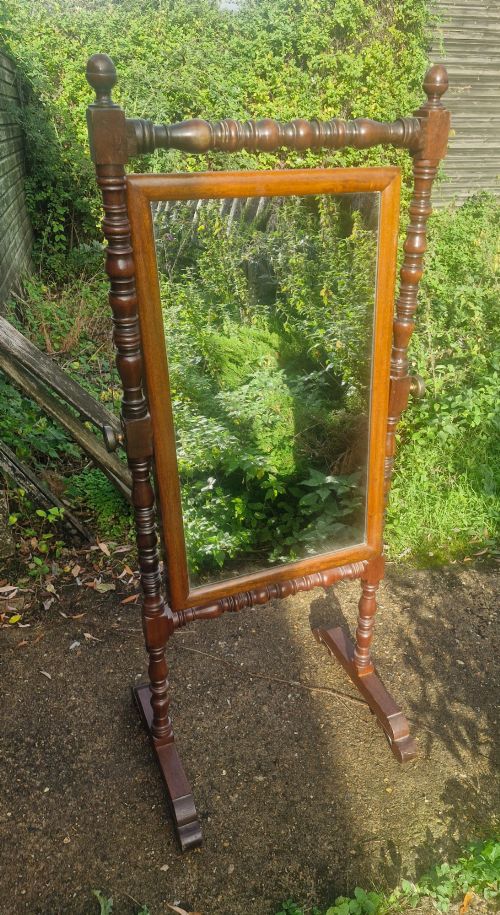
The primary vehicle for this form is the cheval mirror, a swinging glass mounted within a freestanding frame supported by four legs or a robust trestle base. Alongside these pivot designs, you also meet wall-mounted pier glasses and tall dressing mirrors dating from the Regency and William IV periods onwards.
Assessing the Workmanship
The distinction between standard domestic pieces and finer workshops rests upon the depth of hand-carved detail and the selection of timber veneers. Superior examples display crisp moulding, balanced proportions, and substantial brass pivot pins that hold the heavy swing glass firmly at any desired angle.
The clarity of the mirror plate and the weight of the timber frame indicate the original ambition of the piece. Frames that remain rigid without sagging at the joints reflect superior carpentry in the pivotal mounting and the undercarriage.
Glass Full Length Mirror Retail Price Guide 2026
Typical asking prices for glass full length mirror among the pieces listed under this phrase on Sellingantiques today, from the lower quarter to the upper quarter. They describe what is for sale here now, not the wider market.
Mahogany and walnut dominate the timber selections across these listings, alongside decorative applications of gesso and giltwood.
The Glass Full Length Mirror Glossary
- Cheval mirror
- A freestanding full length dressing mirror hung on vertical pivots within a frame. This allows the user to tilt the glass to various angles.
- Pier glass
- A tall mirror designed specifically to hang on the wall between two windows, or placed over a low pier table. These reflect additional light into darker Victorian reception rooms.
- Gesso
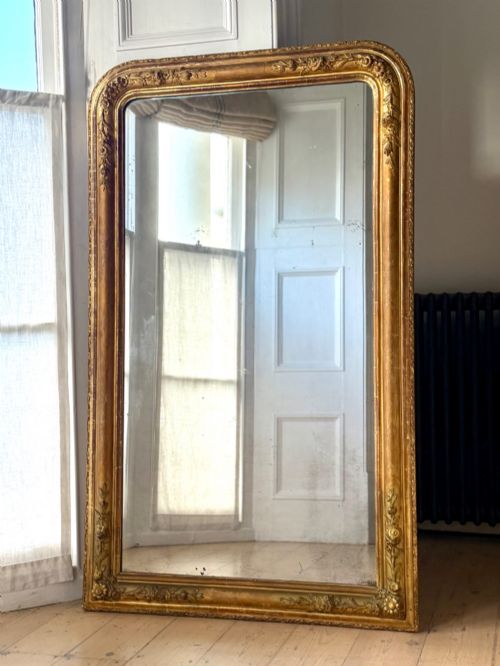
- A plaster-based material applied to wood frames and carved or moulded into intricate decorative patterns before gilding. It provides the crisp relief work seen on gilt mirrors.
- Barley twist
- A turned wooden support resembling a spiralling rope. This decorative turning appears on upright supports of mid nineteenth century stands.
- Tilt dressing glass
- A smaller variant of the swing mirror, though larger scale versions function as full length cheval mirrors on adjustable pivots.
Glass Full Length Mirror: Frequently Asked Questions
What is a cheval mirror?
A cheval mirror is a full length looking glass mounted on a freestanding frame with side pivots. This design allows the plate glass to swing back and forth freely.
Cabinet makers developed the form during the eighteenth century to provide a complete view of attire. The heavy base keeps the tall frame stable during daily use in a bedroom or dressing room.
How do I place a tall mirror?
Freestanding cheval mirrors require adequate floor space to allow the frame to tilt without striking surrounding furniture. Placing them perpendicular to a window captures and distributes natural light.
Heavier wooden examples need level flooring to prevent undue strain on the pivot pins and side uprights. Wall-mounted variants require secure fixing points to support the substantial weight of thick glass and timber.
How do I date a mahogany mirror?
Dating relies on observing the joinery, timber selection, and decorative turnings of the frame and stand. Regency and William IV pieces often exhibit bold architectural lines and heavy scrolled supports.
Victorian iterations frequently incorporate turned pillars, such as barley twist columns, or simple arched crestings. Edwardian and later reproductions tend to borrow earlier Queen Anne walnut or Georgian styling cues.
Why choose a swivel mirror?
Swivel mirrors offer practical adjustability that fixed wall glasses cannot match. The pivoting action accommodates users of different heights without requiring relocation.
They also serve a dual purpose as both a functional dressing aid and a decorative focal point that opens up smaller interior spaces.