
Glass Front Display
Glass front display brings together cabinets and bookcases designed to show and protect valued possessions.
Glass Front Display
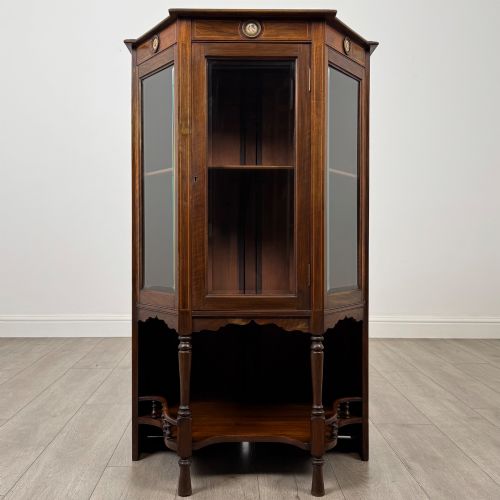
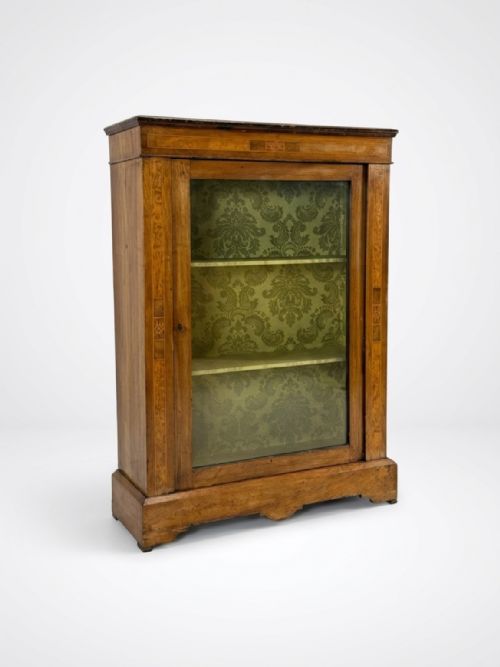
A glass front display piece serves primarily to exhibit ceramics, books, or curiosities while keeping dust at bay. Buyers browsing this selection encounter everything from compact pier cabinets to large breakfront bookcases and shop counters.
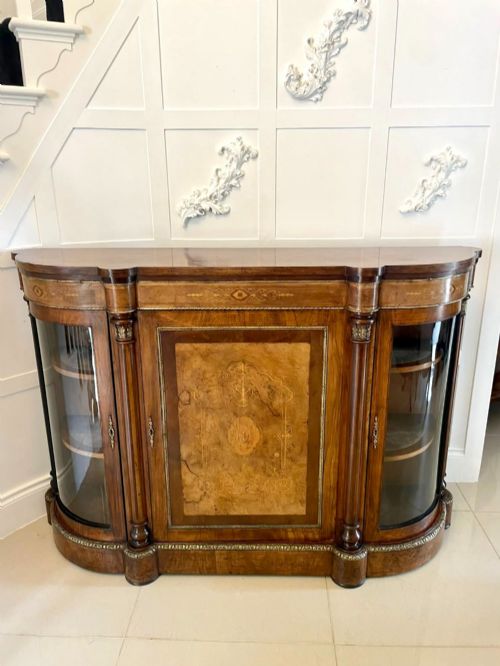
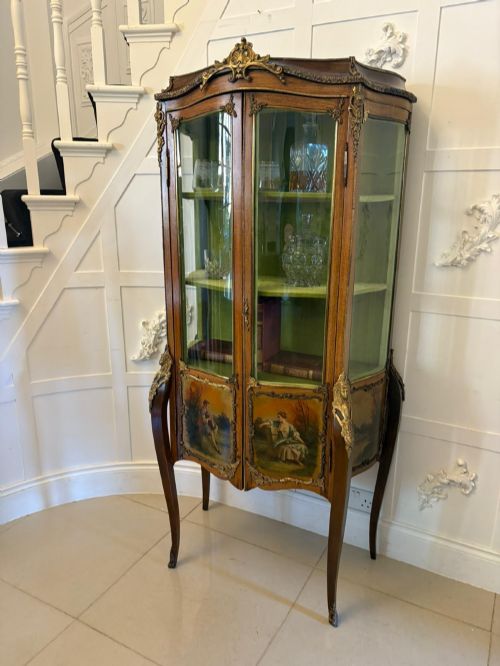
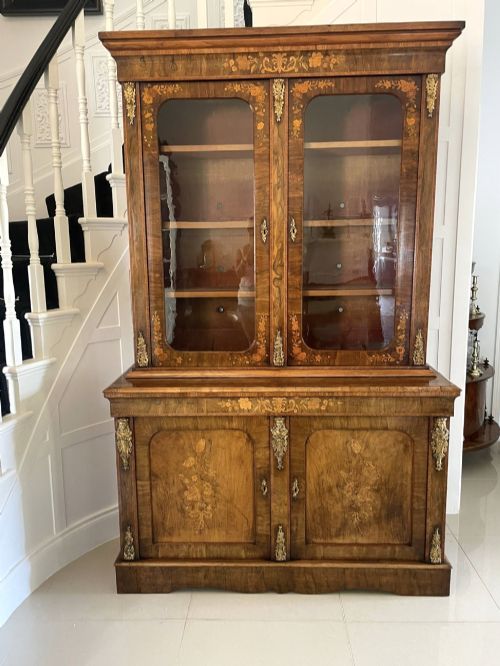
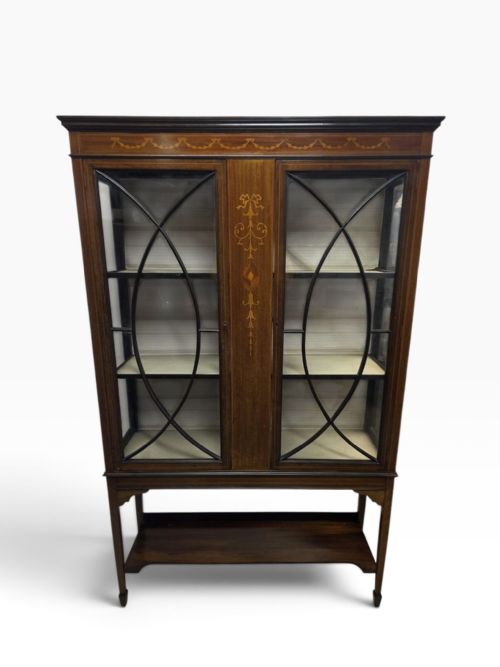
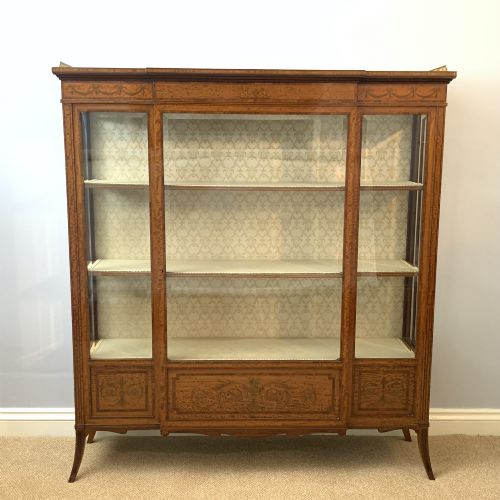
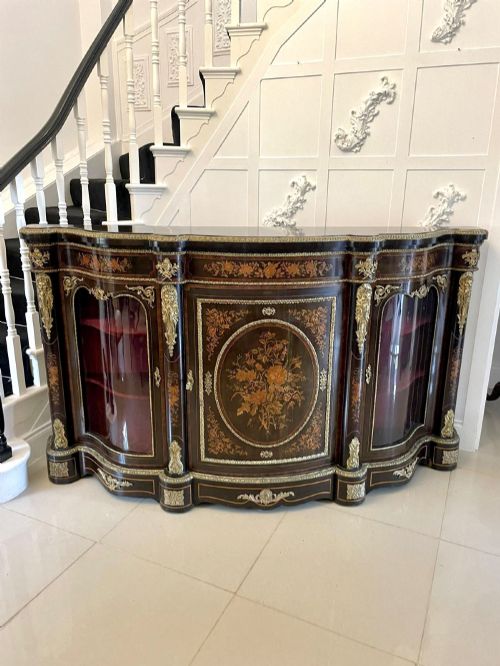
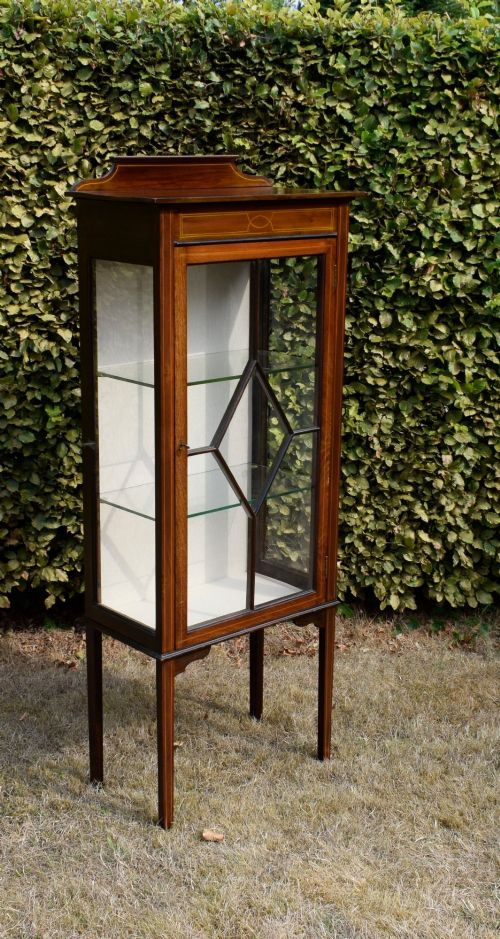
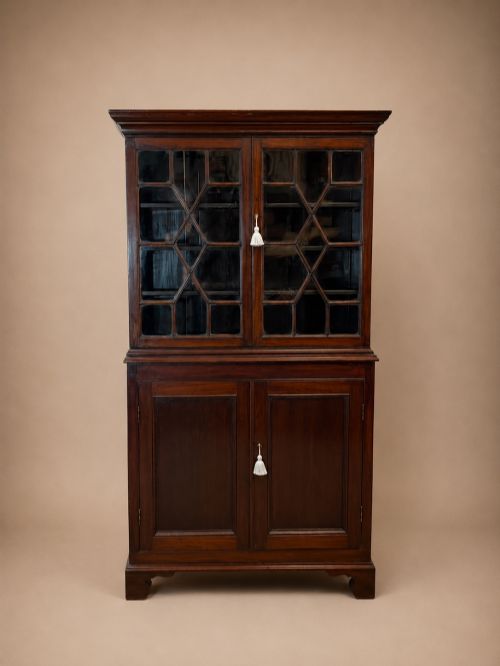
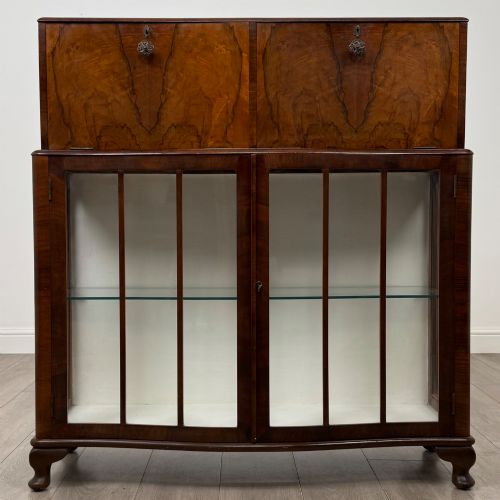
The objects stem predominantly from the Victorian, Edwardian, and early twentieth-century periods, spanning styles such as Sheraton Revival, Louis XV Revival, and Art Deco. Woods like mahogany, walnut, and satinwood dominate the forms.
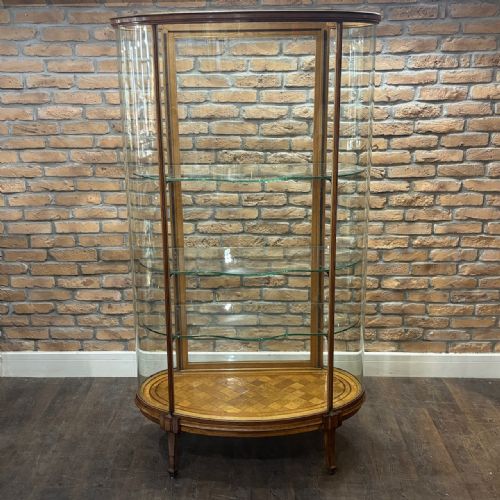
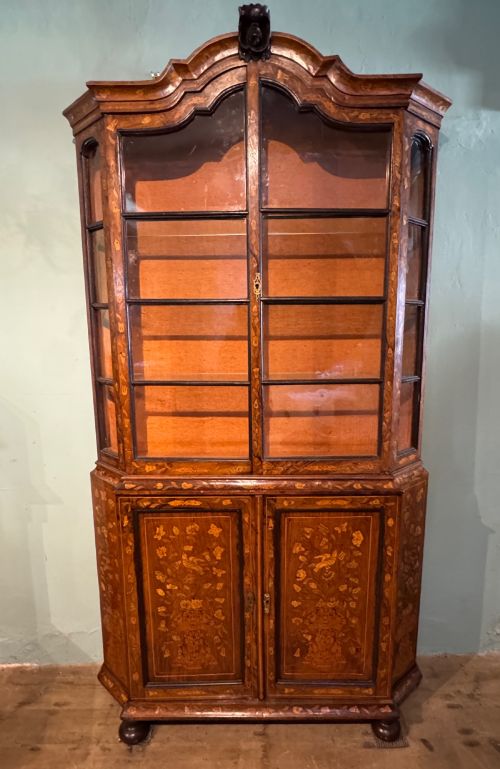
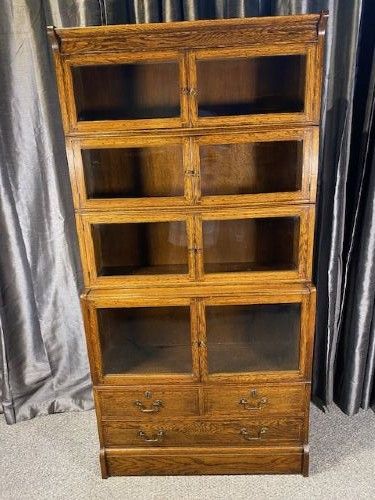
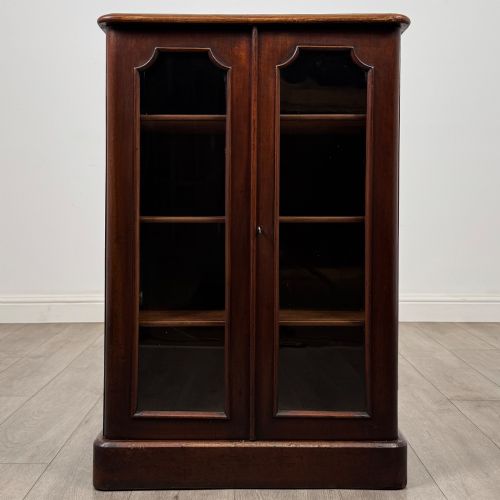
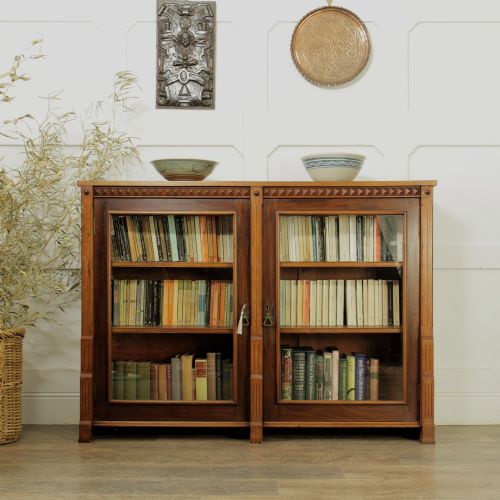
Display cabinets, bookcases, and credenzas form the core of the offerings, often fitted with glazed doors and intricate shelving. Specialised items such as taxidermy dioramas and shop display cases also appear within the selection.
How They Were Made
Cabinet makers utilised solid and veneered timbers, applying rich grains of walnut, mahogany, and satinwood over structural carcases. Artisans enhanced these surfaces with delicate floral marquetry, stringing, and painted details.
Glazing techniques involved securing panes of glass within timber framework, sometimes curved to form bow fronts or serpentine shapes. Mounts in ormolu, brass, and chrome added structural accents and decorative borders to the doors and mounts.
Listings feature walnut, mahogany, satinwood, and oak timbers across Victorian and Edwardian glazed display forms.
What Varies in Quality
The calibre of a piece rests heavily on the depth of its timber figure and the precision of its marquetry inlay. Cabinets boasting hand-chiselled ormolu mounts and serpentine shaping stand apart from simpler utilitarian storage.
Construction methods dictate longevity, distinguishing workshop pieces with fitted interiors and balanced proportions from standard production items. The clarity of the glass and the integrity of the original glazed framework also influence the overall standard.
F. Sage & Co·Edwards & Roberts·Dudley & Co·Rowland Ward Ltd·Maison Gagneau·Maple & Co.
The Glass Front Display Glossary
- Marquetry
- Decorative veneer work forming pictures or patterns using various woods. Artisans cut contrasting pieces of timber to fit precisely into a prepared ground.
- Ormolu
- Gilt bronze ornamentation mounted onto furniture surfaces. This technique creates a rich metallic contrast against dark woods like walnut and mahogany.
- Pier cabinet
- A low freestanding cabinet designed to fit against the wall space between windows. These slim glazed pieces often feature marquetry and gilt mounts.
- Vitrine
- A glass-sided display cabinet intended for showing porcelain and small ornaments. They frequently incorporate satinwood or mahogany frames with delicate inlay.
- Breakfront
- A large cabinet design where the central section projects forward from the flanking wings. This architectural arrangement adds visual depth to bookcases and sideboards.
Glass Front Display: Frequently Asked Questions
What rooms suit a glass front display cabinet?
These cabinets work well in dining rooms for china and silver, or in studies for housing collections and books.
Their glazed doors protect contents from dust while allowing full visibility in domestic living spaces.
How do I date a glass front display piece?
Dating relies on observing the prevailing wood choices, hardware styles, and decorative motifs such as marquetry or inlay.
Victorian pieces often feature heavy burr walnut and ormolu, whereas Edwardian examples frequently showcase lighter satinwood and painted details.
Were these cabinets used in shops or homes?
While many examples served domestic purposes in libraries and drawing rooms, others originated directly from commercial settings.
Shop display counters and specialised haberdashery units were built for retail environments before finding their way into private interiors.