
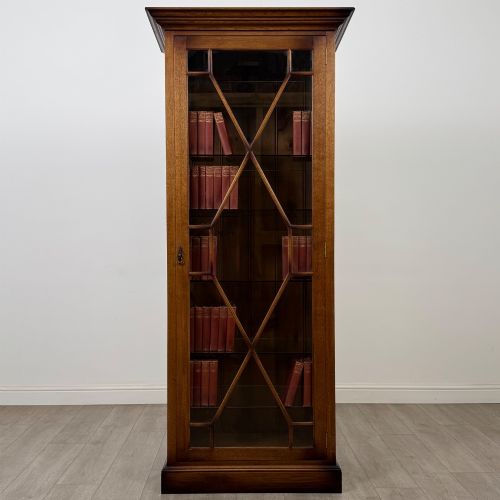


Vintage Glazed Showcase
A vintage glazed showcase is a glass-fronted cabinet designed to hold and display objects, offering a clear view from multiple angles.
Vintage Glazed Showcase
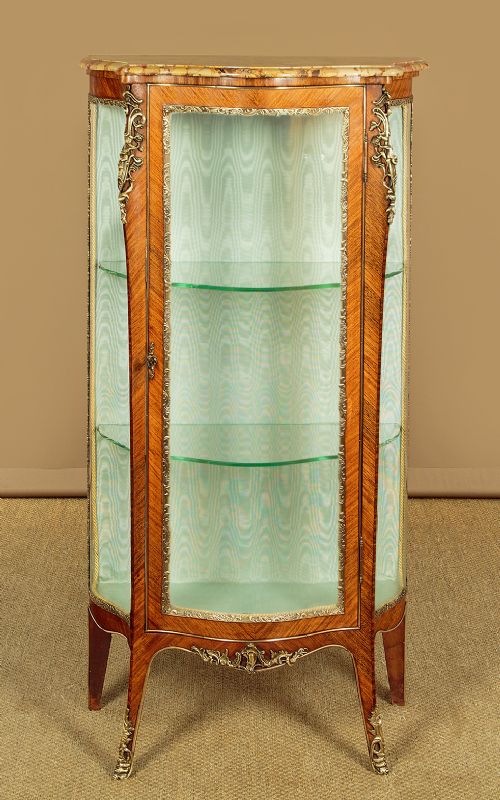
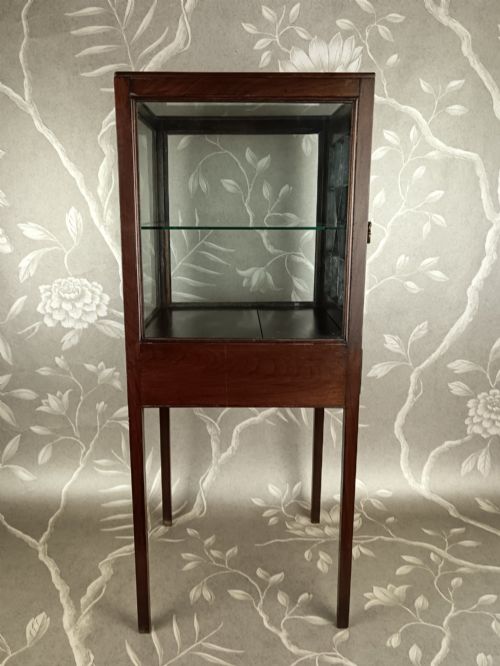
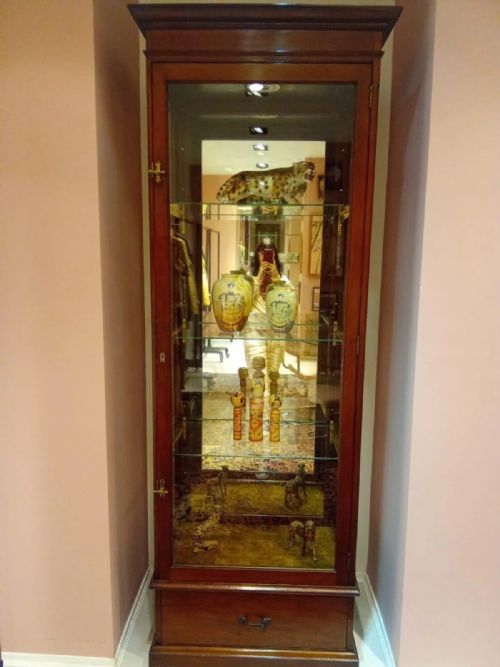
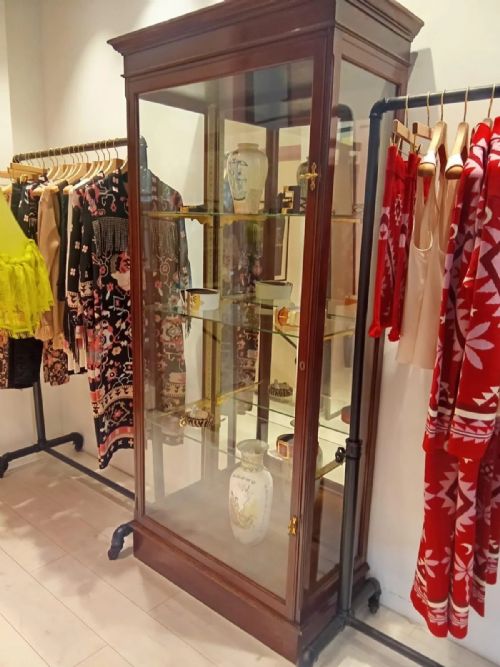
A vintage glazed showcase combines transparent glass panels with timber frameworks to hold and display precious items safely. When you search for this phrase, you encounter forms ranging from tall freestanding structures to compact tabletop units.
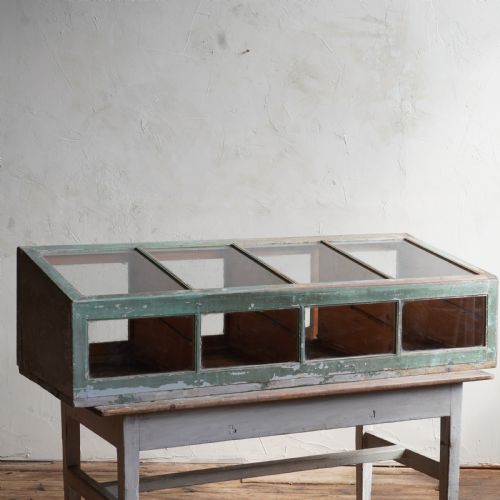
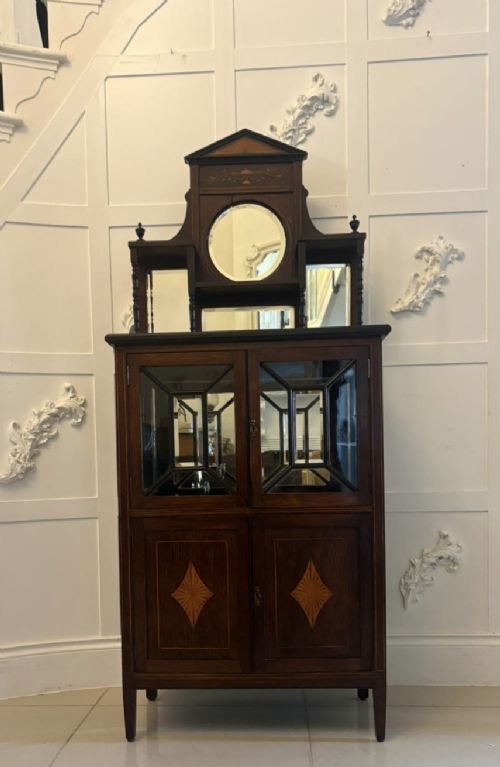
The selection on this page relies heavily on Edwardian and 1930s pieces, alongside Victorian and 19th Century examples. Freestanding display cabinets and countertop shop fittings dominate the available styles.
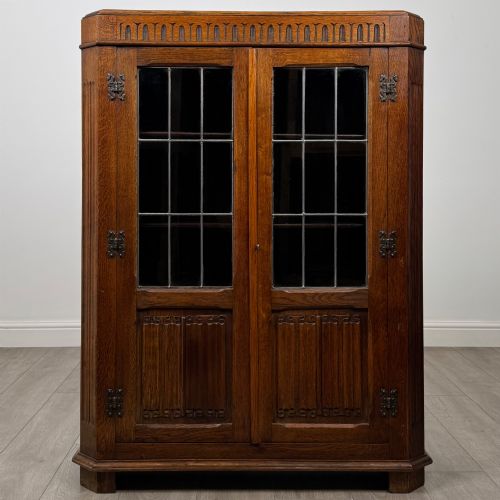
Makers utilised mahogany, oak, and walnut carcasses, often fitted with internal mirrors or fabric linings. These variations reflect domestic parlour uses as well as commercial retail environments.
How they were made
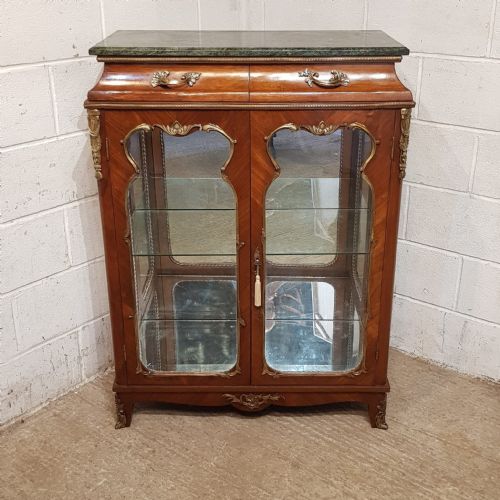
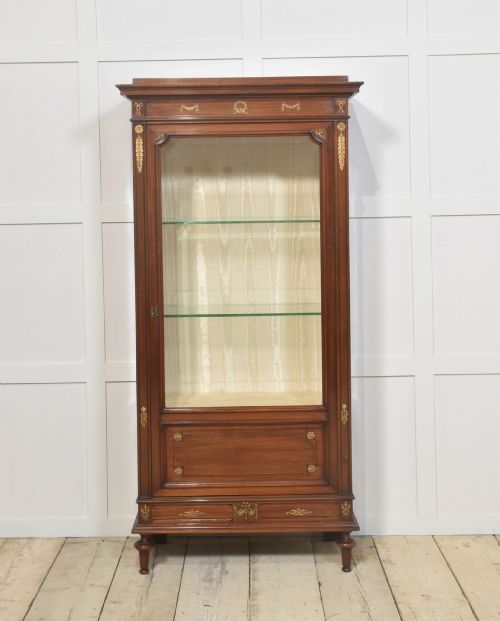
Cabinet makers constructed the main frames using solid timbers such as mahogany, oak, and walnut, frequently incorporating curved or flat glass panels. Brass and gilt metal mounts added structural reinforcement and decorative contrast to the timber joints.
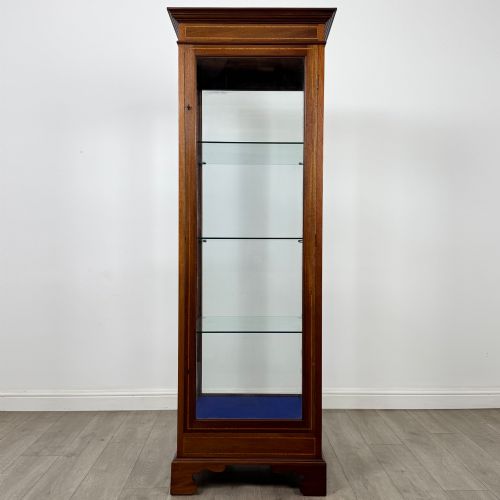
Interior surfaces often received mirrored backs or linings of velvet and fabric to enhance the visual depth of the displayed objects. Specialised shop fittings included adjustable glass shelves and hand sign-written branding details.
Sweet shop displays and apothecary counters share shelf space with fine mahogany vitrines.
What varies in quality
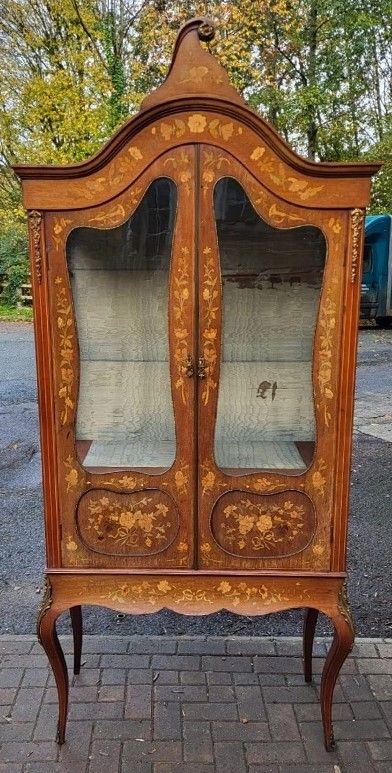
The standard of construction depends upon the selection of timber veneers and the precision of the glass framing. Examples featuring intricate floral marquetry inlay or gilt metal mounts represent more elaborate craftsmanship than plain utilitarian shop counters.
Proportion and structural integrity separate standard commercial cabinets from refined domestic vitrines. The inclusion of original mirrors, adjustable glass shelving, and intact painted or inlaid details elevates the overall execution.
F. Sage & Co.·Robert West Gunsmith·Breitling watches·Rurka
The Vintage Glazed Showcase Glossary
- Vitrine
- A glass-fronted display cabinet used primarily for porcelain, curiosities, or decorative objects. These often feature glazed sides to maximise light penetration.
- Bijouterie table
- A low display table with a glazed top and compartmented interior designed for jewellery and small collectables. These pieces frequently stand on slender legs.
- Marquetry
- Decorative woodwork where thin pieces of veneer are fitted together to form geometric or floral patterns. This technique appears frequently on Edwardian cabinet surfaces.
- Vernis Martin
- A type of European furniture varnish imitating Japanese lacquerwork, seen on select French display pieces. The technique produced a glossy, translucent finish.
Vintage Glazed Showcase: Frequently Asked Questions
What is a glazed showcase?
A glazed showcase is an enclosed cabinet or table featuring glass panels designed to exhibit collectables while protecting them from dust.
These pieces range from tall freestanding units built for parlours to smaller countertop versions originally used in shops.
How do I use one at home?
These cabinets suit the display of ceramics, glassware, books, or small ornaments in living rooms and hallways.
Countertop and tabletop variants fit comfortably on sideboards or desks to hold smaller items like pocket watches or medals.
Are these cabinets secure?
Many vintage showcases utilise wooden framed glass doors, though security depends entirely on whether the original lock and key mechanism remains functional.
They offer excellent visibility and dust protection rather than high-security storage for valuables.
How do I distinguish periods?
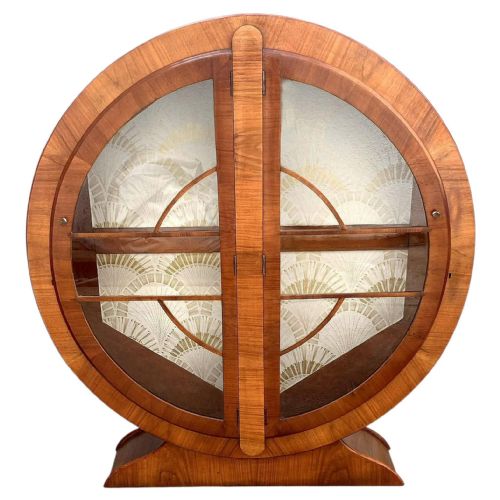
Edwardian and late 19th-century pieces often feature mahogany with inlaid marquetry or satinwood, whilst 1930s examples lean towards Art Deco walnut curves.
Commercial shop fittings from the 1920s typically display utilitarian oak or ebonised frames with maker plaques or painted lettering.