
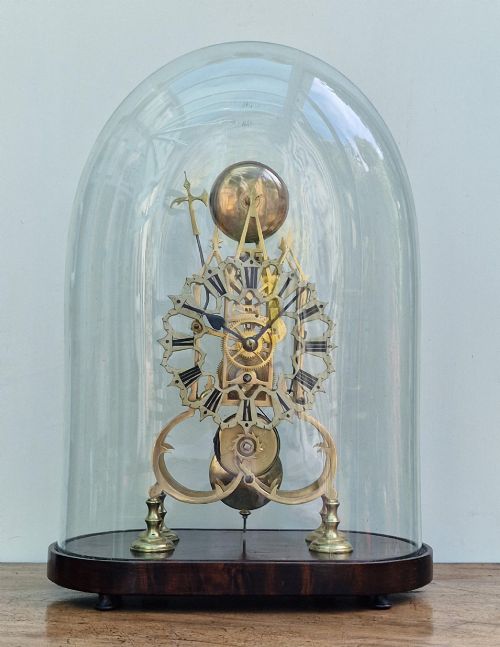
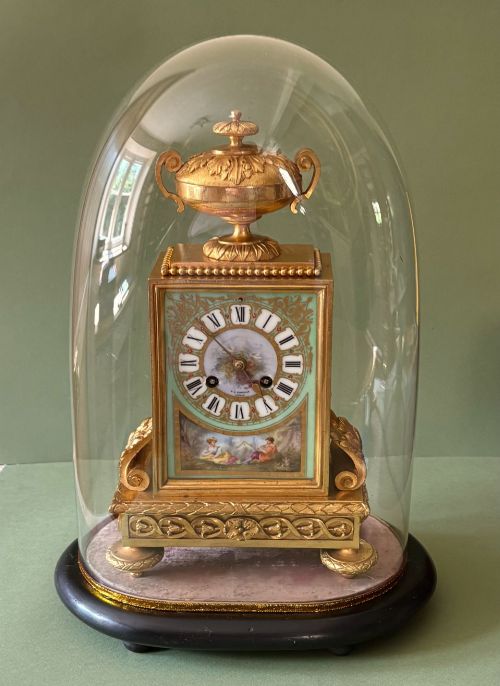
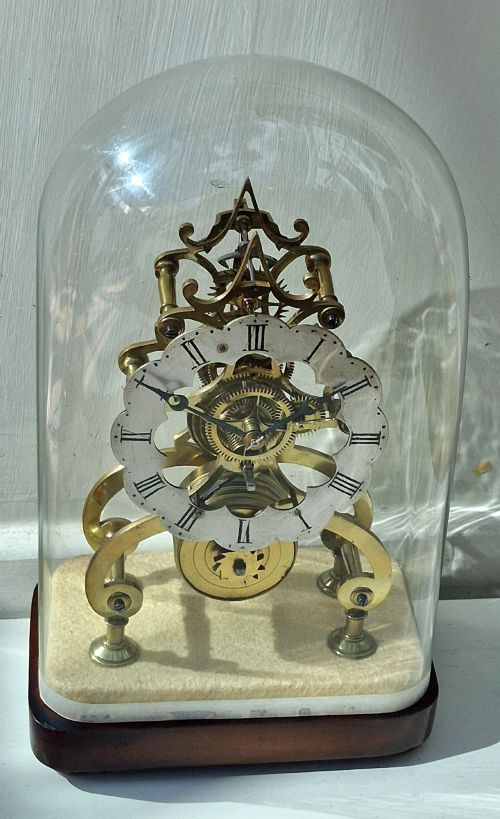
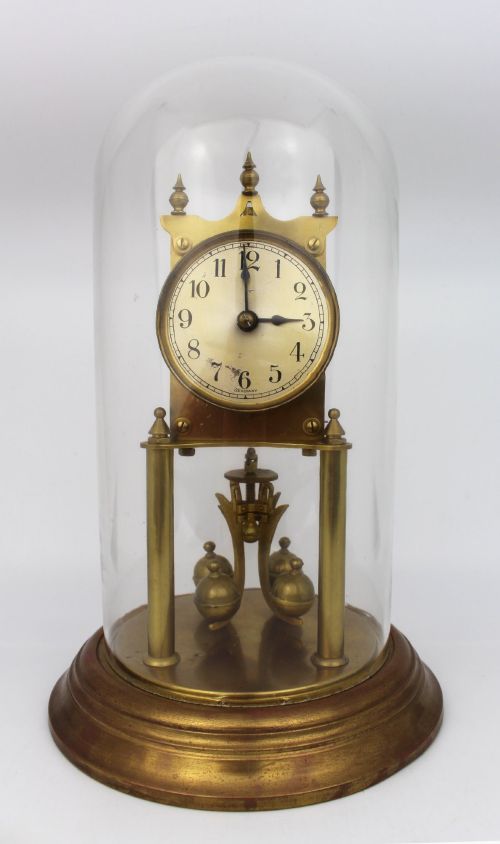


Glass Dome Mantel Clock
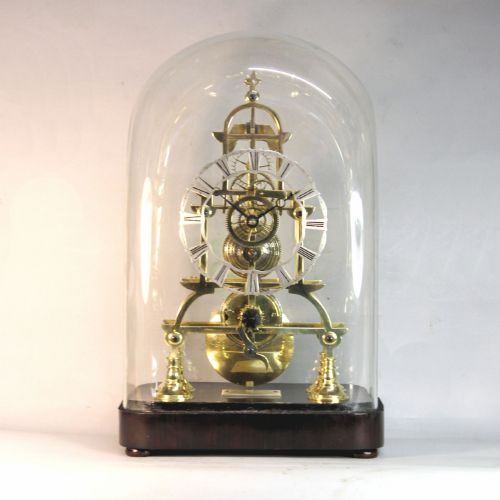
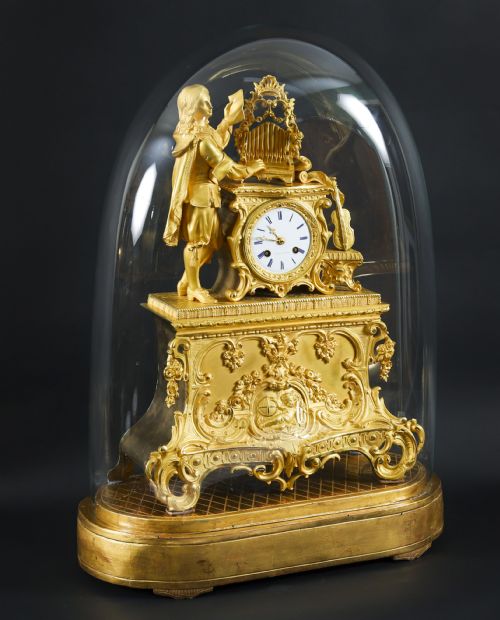
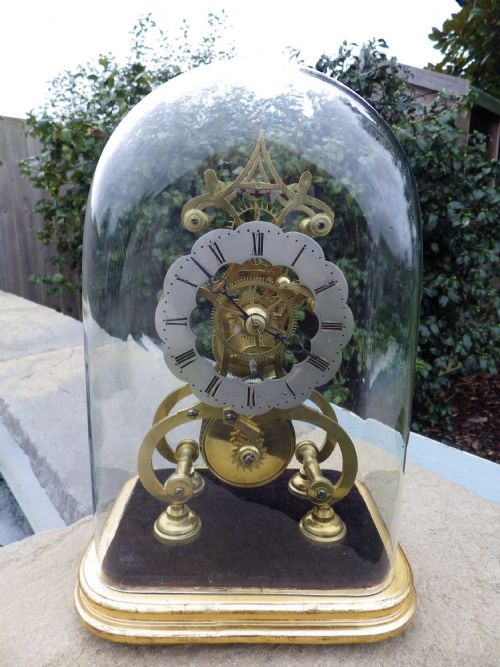
Glass dome mantel clock pieces are striking timepieces protected by clear glass covers, offering a clear view of intricate internal mechanics.
Understanding the glass dome mantel clock
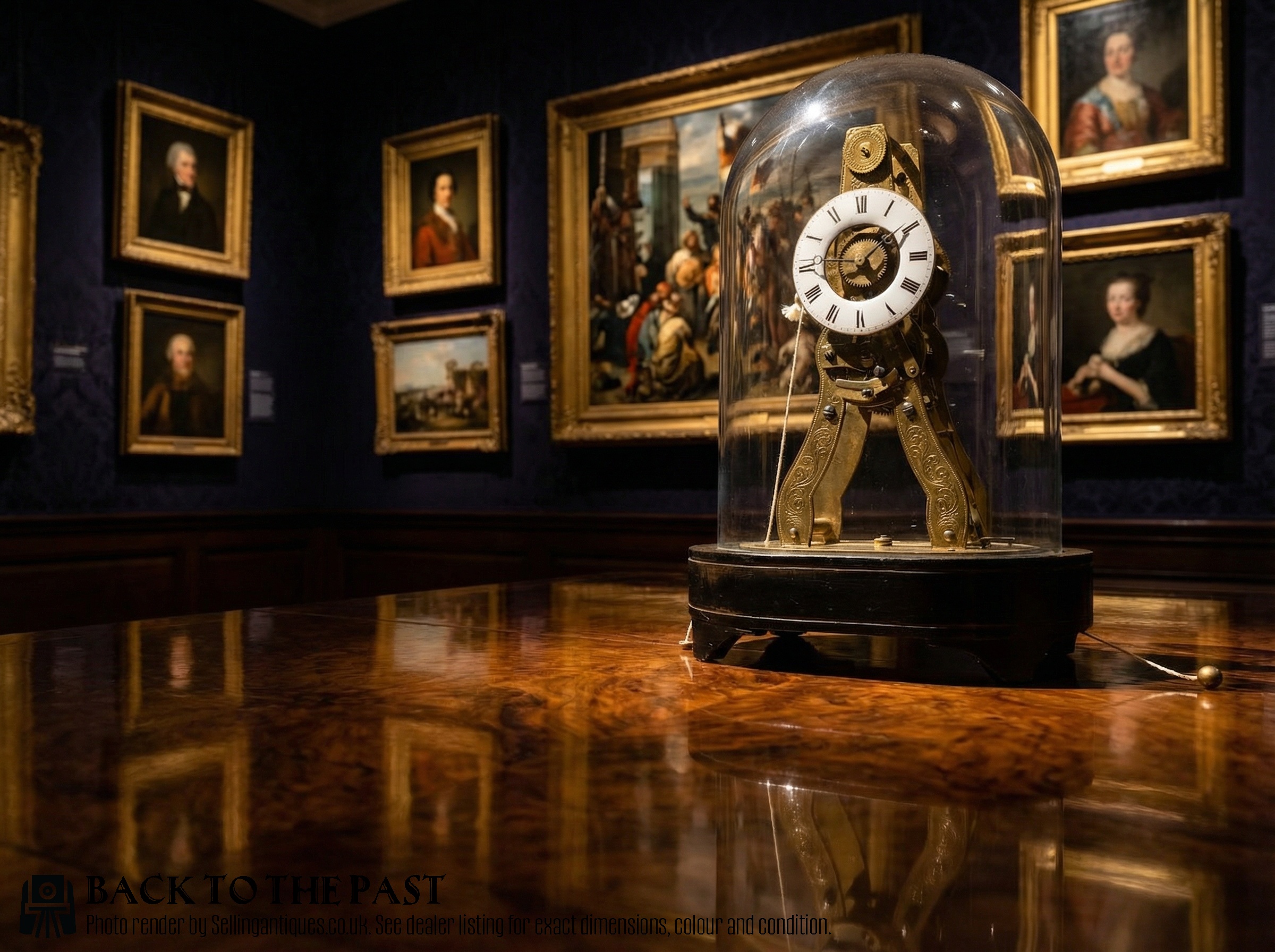
A glass dome mantel clock combines a functional timepiece with a protective glass cover, keeping dust away from delicate mechanisms. These pieces appear across Victorian, Edwardian, and Art Deco periods, showcasing diverse mechanical ingenuity.
Originating from various eras, these clocks range from ornate nineteenth-century exhibition pieces to early twentieth-century innovations. Each item preserves the horological technology and aesthetic preferences of its specific period.

Construction and materials
Maker construction relies on traditional materials such as brass, wood, mahogany, marble, and enamel, encased beneath clear blown or formed glass. These sturdy elements support complex gear trains and delicate dials.
Movements span mechanical skeleton setups, torsion year mechanisms, and early electric Bulle systems, demonstrating varied manufacturing techniques across different decades. Enamel dials and metallic housings receive careful finishing to ensure both durability and visual appeal.
Retail Price Guide 2026
Typical UK retail prices for glass dome mantel clock, calculated from the Sellingantiques database of over a million retail prices indexed since 2003. This retail price guide relies exclusively on Sellingantiques data; no external sources or auction records are used, so the figures do not describe the wider market.
Listings feature Victorian, Edwardian, and Art Deco styles, incorporating brass, marble, mahogany, and glass.
Assessing quality and craftsmanship
Quality separates through the refinement of the movement and the complexity of the skeletonised brass frame rather than mere age. Superior examples feature meticulously finished gear trains and high-grade materials like marble or mahogany bases.
The clarity and integrity of the original glass dome influence the overall desirability of the piece. Masterful execution in the dial enamel and the precision of the signatures elevate certain clocks above standard production models.
B H A·Bulle
The Glass Dome Mantel Clock Glossary
- Skeleton clock
- A timepiece designed with an open framework that exposes the entire gear train and movement to view.
- Torsion clock
- A clock regulated by a torsion pendulum that rotates back and forth, often requiring winding only once a year.
- Bulle clock
- An early electric clock utilising a battery-driven pendulum swinging through a magnetic field.
- Ormolu
- Gilt bronze ornamentation applied to clock bases and mounts during the nineteenth century.
- Enamel dial
- A clock face created by fusing powdered glass to a metal substrate at high temperatures.
Frequently Asked Questions
What is a glass dome mantel clock?
A glass dome mantel clock is a timepiece protected by a removable glass cover, designed to display the movement on a shelf or mantelpiece.
These clocks range from Victorian skeleton designs to early twentieth-century electric movements, keeping dust away from delicate brass gears.
How do torsion clocks work?
Torsion clocks utilise a suspended pendulum that twists and untwists rather than swinging back and forth in a traditional arc.
This slow rotational movement allows the clock to run for long periods, famously known as year clocks, requiring infrequent winding.
What are Bulle clocks?
Bulle clocks represent an early form of electric timekeeping developed in the early twentieth century, utilising an electromagnetic pendulum.
Instead of a mainspring, these clocks rely on battery power to maintain the swing of the pendulum and drive the gear train.
How do I care for a glass dome?
Glass domes require gentle cleaning with a soft cloth and mild glass cleaner, lifting the dome carefully to access the clock underneath.
Avoid lifting the dome by its top knob if present, supporting the base of the glass to prevent accidental slips.
How do I identify a Victorian skeleton clock?
Victorian skeleton clocks feature exposed brass plates and gear trains arranged to show the entire mechanical operation of the timekeeper.
They usually sit upon a wooden or marble base and are covered by a blown glass dome to protect the intricate brasswork.