



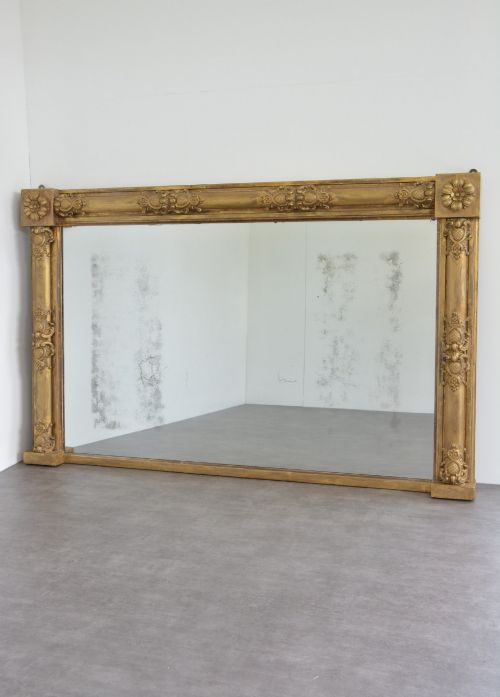
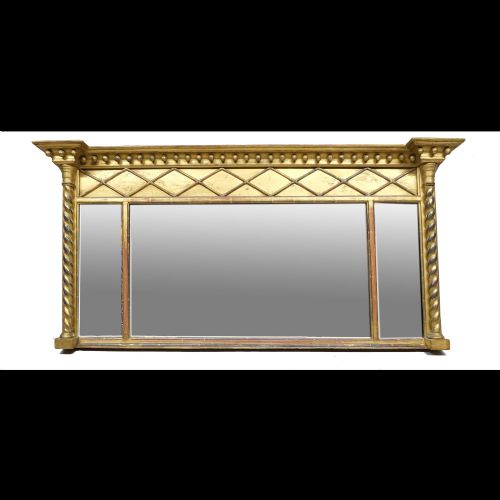
Giltwood Mantel Glass
A giltwood mantel glass brings warmth and reflected light to a room, uniting the fireplace with the rest of the interior.

Giltwood Mantel Glass
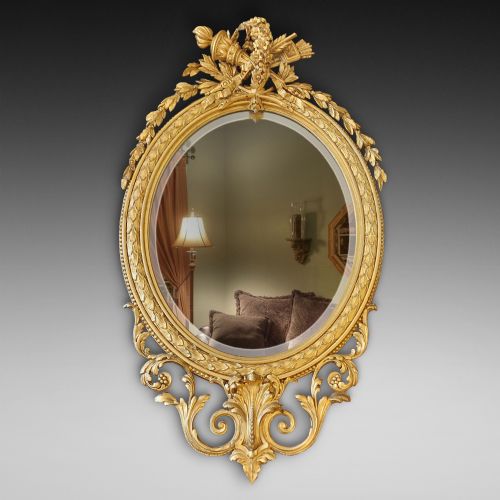
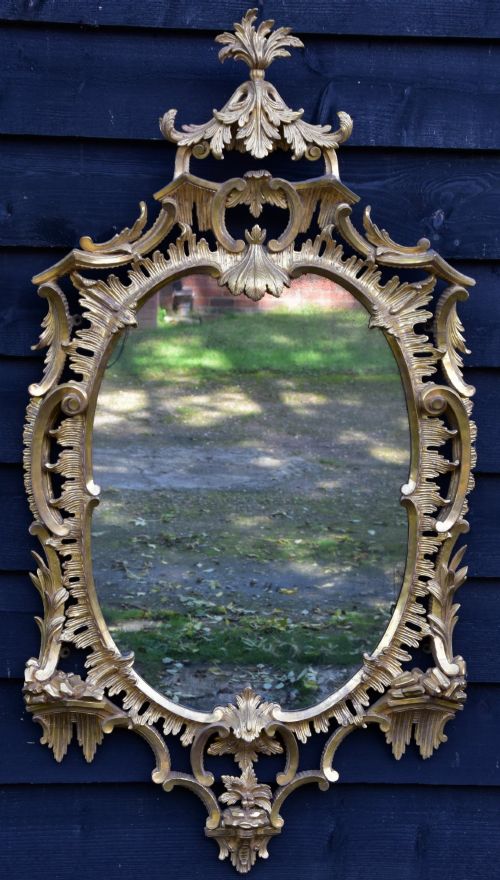
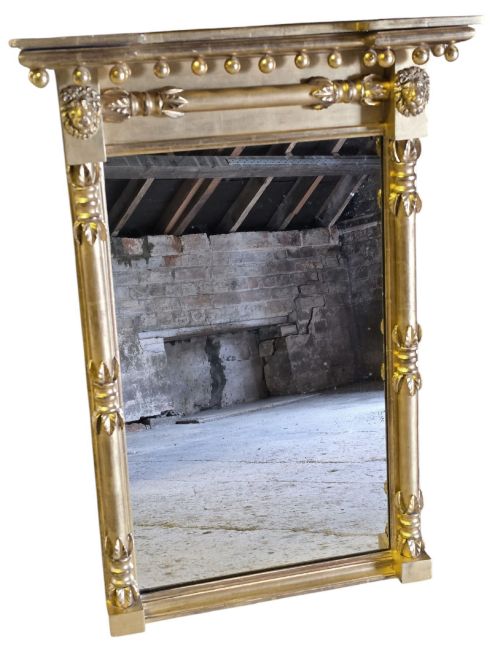
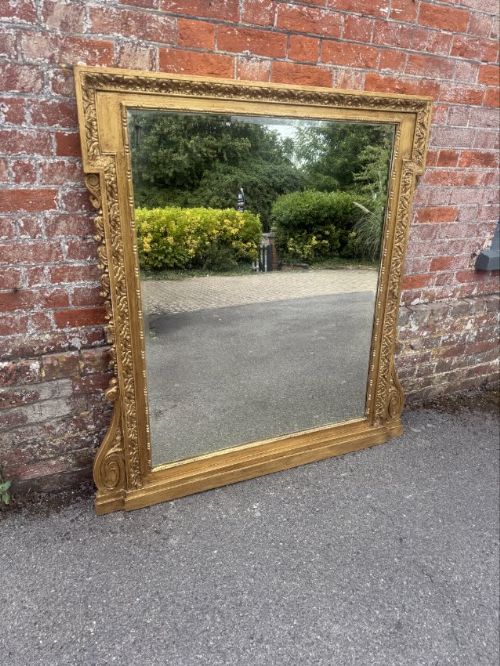
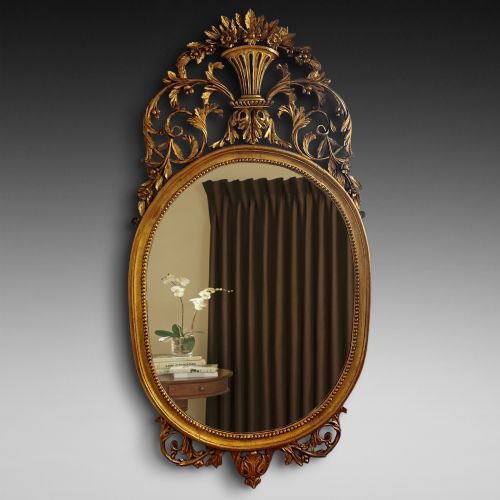
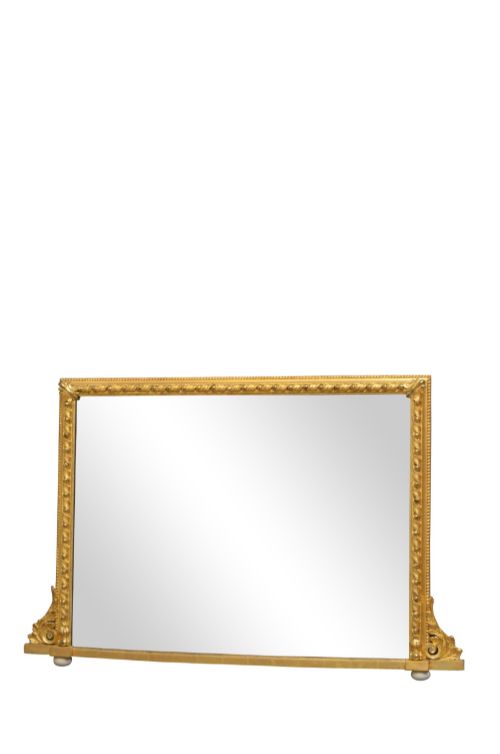
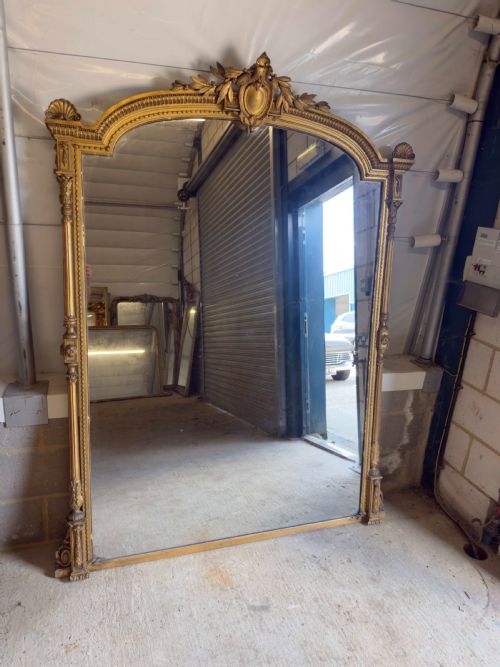
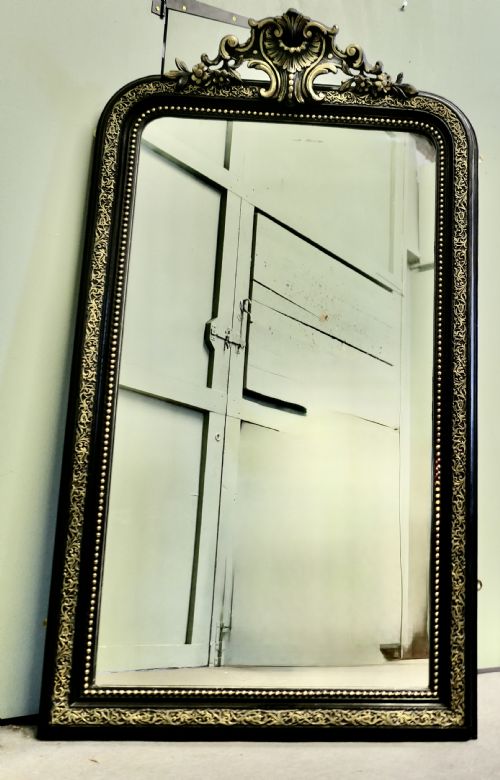
A giltwood mantel glass is a large looking glass designed to sit above a fireplace, anchoring the chimney breast within a room. These mirrors take several forms, including expansive overmantels, tall pier mirrors, and smaller wall-hung plates.
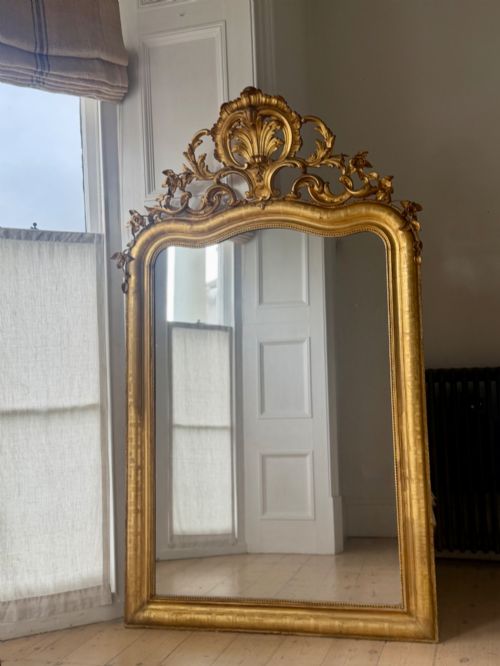
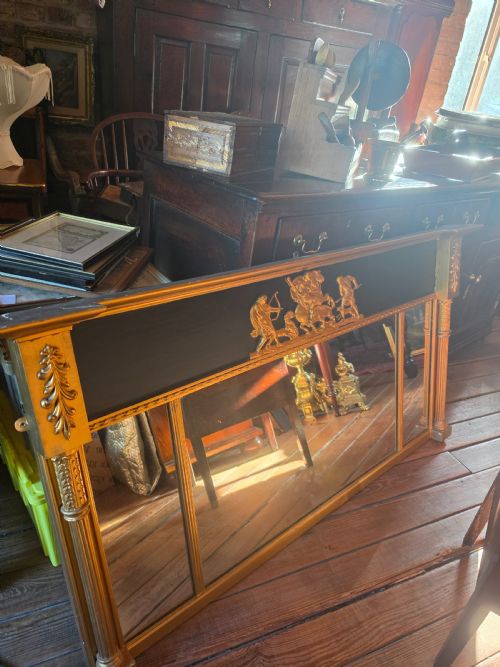
The pieces appearing on this page span the Georgian, Regency, and Victorian eras, alongside French and English country house examples. The nineteenth-century overmantel mirror is the form most commonly met here, often featuring arched tops and heavy neoclassical or rococo detailing.
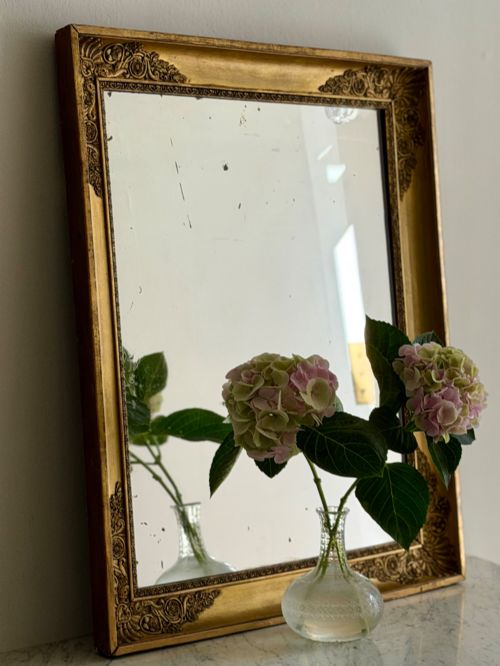
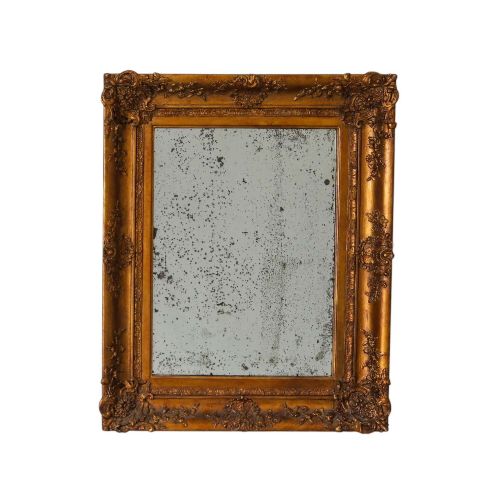
Many items retain their original mirror plates, showing authentic signs of age such as foxing and mercury shading. This category also includes specific regional variations, from Irish country house pieces to French marriage mirrors.
How They Were Made
Makers constructed the timber frames from carved wood, applying layers of gesso to build up intricate surface ornamentation. Gilders then laid gold leaf or used oil gilt to cover the prepared surface, producing a warm metallic finish.
Early plates utilised mercury glass, while later nineteenth-century examples incorporated standard silvered mirror glass. Craftsmen secured these heavy plates within the wooden rebate using traditional backing boards and protective materials.
Giltwood Mantel Glass Retail Price Guide 2026
Typical asking prices for giltwood mantel glass among the pieces listed under this phrase on Sellingantiques today, from the lower quarter to the upper quarter. They describe what is for sale here now, not the wider market.
Listings feature pieces spanning the 18th, 19th, and early 20th centuries, utilising giltwood, gesso, wood, and mercury glass.
What Varies in Quality
The depth and crispness of the hand-carved wood and gesso ornamentation separate standard examples from finer works. Superior pieces display sharply defined neoclassical motifs, scrolling foliage, or architectural mouldings that retain their original layering without excessive restoration.
The preservation of the original glass plate significantly affects the character of a mantel glass. Plates that show light, natural foxing without heavy deterioration maintain historical integrity, whereas poorly executed modern replacements alter the visual depth of the looking glass.
The Giltwood Mantel Glass Glossary
- Giltwood
- Wood covered with gold leaf or metal leaf. This surface treatment gives frames a bright, reflective metallic finish that mellows with age.
- Gesso
- A plaster mixture applied to wood frames. Craftsmen carve and mould this material to create intricate relief decorations before gilding.
- Overmantel
- A large mirror designed to hang specifically above a fireplace mantelpiece. These pieces often match the horizontal proportions of the hearth below.
- Foxing
- Age-related spotting and dark marks within the mirror glass. These oxidation spots develop behind the glass plate over many decades.
- Pier glass
- A tall, narrow mirror designed to hang on the wall space between windows. They frequently feature detailed crestings and original matching plates.
Giltwood Mantel Glass: Frequently Asked Questions
How do I hang a heavy mantel glass?
Heavy overmantel mirrors require secure wall fixings anchored directly into structural masonry or heavy timber studs. Professional installation is essential due to the substantial weight of the carved wood and glass plate.
Weight distribution must be carefully calculated using appropriate brackets that support the base of the frame while securing the top against the wall.
How do I clean a giltwood frame?
Dust giltwood frames gently with a soft, dry brush to avoid damaging the delicate gold leaf surface. Moisture and chemical cleaners can strip the historical gilding away entirely.
Glass plates can be cleaned with a mild glass cleaner applied to a cloth rather than sprayed directly onto the mirror, protecting the surrounding wood.
What is the difference between an overmantel and a pier mirror?
An overmantel mirror is wide and proportioned to sit horizontally across a chimney breast above a fireplace. They were traditionally used to reflect candlelight and brighten the room.
A pier mirror is tall and narrow, built specifically to fit the narrow wall space between two windows or above a pier table.