






Arts and Crafts Overmantel Mirror
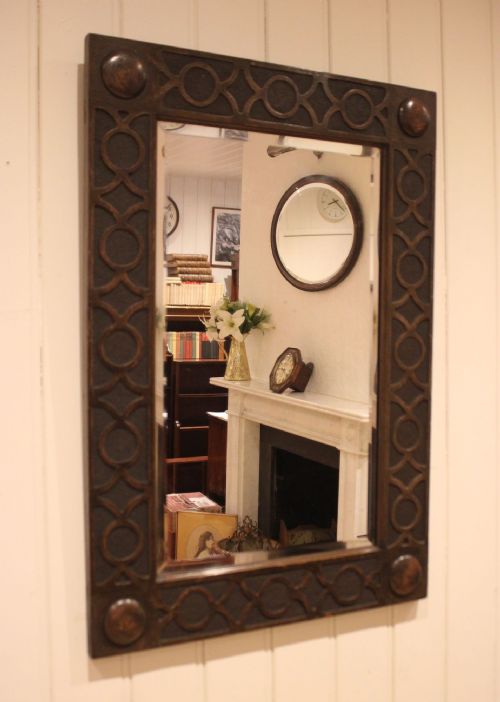
An arts and crafts overmantel mirror anchors a chimney breast with honest construction and thoughtful detail, bringing warmth to a period interior.
Arts and Crafts Overmantel Mirror
When you search for arts and crafts overmantel mirror, you encounter wide timber frames designed to sit above a fireplace, often combining functional shelves with bevelled glass. The selection here spans the late nineteenth and early twentieth centuries, drawing heavily on Edwardian and Victorian production alongside specific revivals.
You meet straightforward oak and mahogany forms next to more eclectic pieces showing Moorish or Jacobean influence. Wall mirrors and overmantel frames appear frequently, reflecting the period's preference for domestic utility combined with artistic design.
How they were made
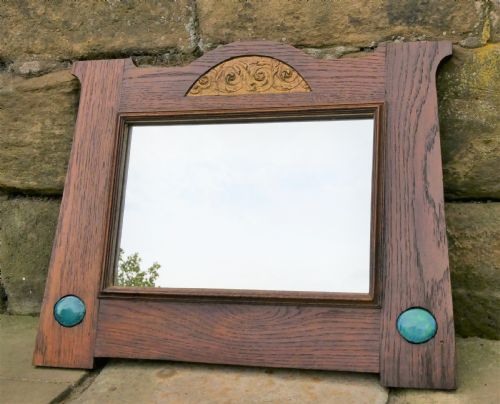
Joinery relies on solid oak and mahogany, frequently shaped by hand and ornamented with carved motifs or marquetry veneers. Makers utilised ebonised wood and applied black lacquer to create stark contrasts within domestic spaces.
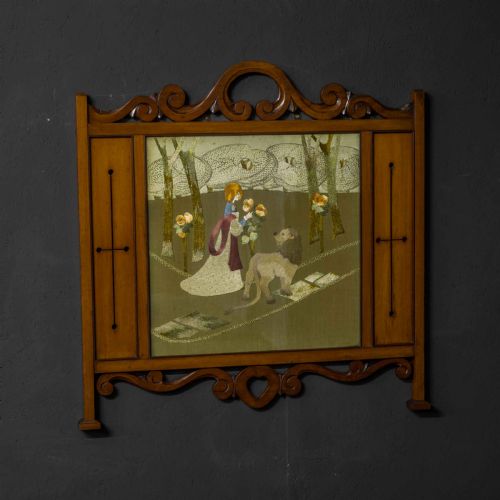
Metalwork played a defining role, with beaten copper panels inset directly into wooden frames. Ceramic elements and heart-shaped mirror plates also feature, anchored by traditional carpentry joints rather than hidden fasteners.
Arts and Crafts Overmantel Mirror Retail Price Guide 2026
Typical asking prices for arts and crafts overmantel mirror among the pieces listed under this phrase on Sellingantiques today, from the lower quarter to the upper quarter. They describe what is for sale here now, not the wider market.
What varies in quality
The distinction between standard commercial output and finer work rests on the depth of the carving and the selection of timber. Heavier oak framing and substantial mahogany structures generally indicate more ambitious workshop production.
Attribution to known designers or specific galleries elevates certain examples above ordinary domestic furnishings. The integration of hand-beaten copper and complex marquetry veneers marks the upper end of the surviving range.
Liberty & Co·Rowley Gallery·Aymer Vallance
The Arts and Crafts Overmantel Mirror Glossary
- Overmantel mirror
- A large looking glass specifically proportioned to hang on the wall directly above a fireplace mantelpiece. These pieces often incorporate small display shelves or decorative carved cornices.
- Marquetry veneers
- Thin slices of decorative wood arranged to form intricate pictorial patterns on a solid timber background. This technique adds visual texture to the flat surfaces of the frame.
- Moorish Revival
- An architectural and decorative style popular in the nineteenth century that incorporates geometric arches and exotic fretwork. Mirrors in this taste borrow heavily from North Eastern design traditions.
- Ebonised wood
- Timber treated with a chemical stain or dark finish to imitate the dense black appearance of ebony. Victorian and Edwardian makers used this method to create sharp aesthetic contrasts.
Arts and Crafts Overmantel Mirror: Frequently Asked Questions
How do I hang an overmantel mirror safely?
These frames carry significant weight due to their solid timber construction and large glass plates. Secure the piece directly into structural wall studs using appropriate heavy-duty brackets.
Ensure the hanging wire or fixing points match the total mass of the object to prevent shifting over time.
Can I place these mirrors in a hallway?
While originally intended for the domestic hearth, many overmantel frames function effectively in large hallways or above sideboards. Their generous proportions help to bounce ambient light into darker corners of a room.
Check the width of the frame against your wall space to maintain correct visual balance.
How do I clean antique mirror glass?
Wipe the surface gently with a soft cloth slightly dampened with water or mild glass cleaner. Avoid spraying liquid directly onto the glass, as moisture can seep behind the silvering and cause black spots.
Take care to keep moisture away from exposed wooden edges and copper insets.
What defines the Edwardian style?
Edwardian design generally favours lighter timbers, cleaner lines, and less cluttered ornamentation than heavy Victorian pieces. Oak and mahogany remain prominent, often paired with simpler geometric carvings.
These mirrors often feel airier while retaining traditional craftsmanship.