

Giltwood Armchairs
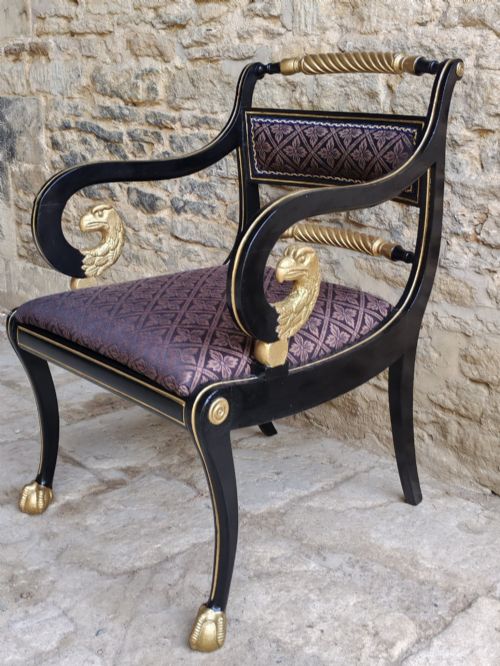
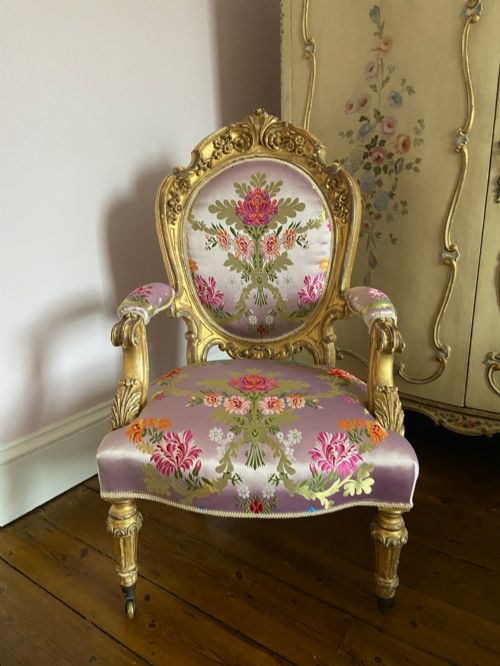
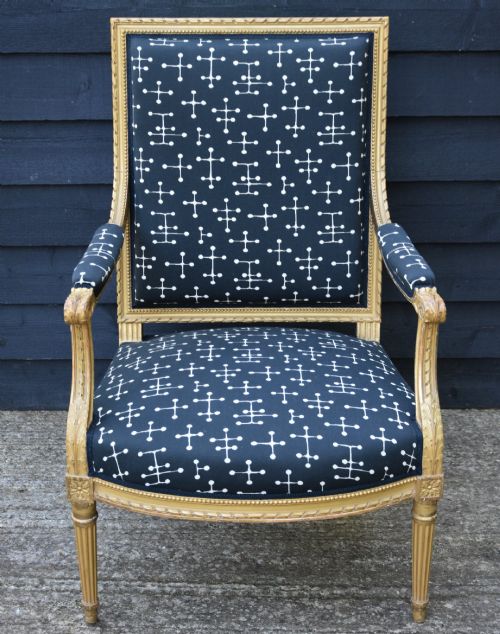
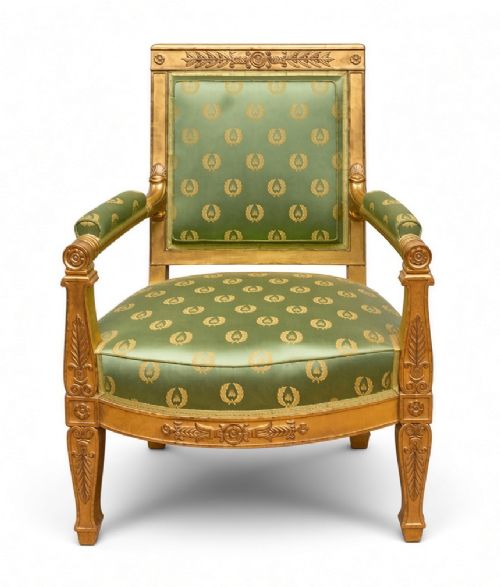
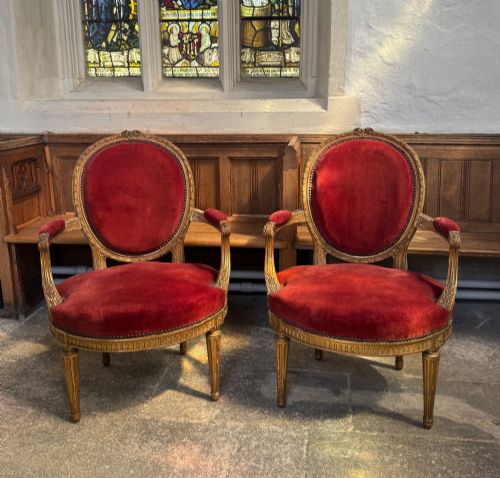
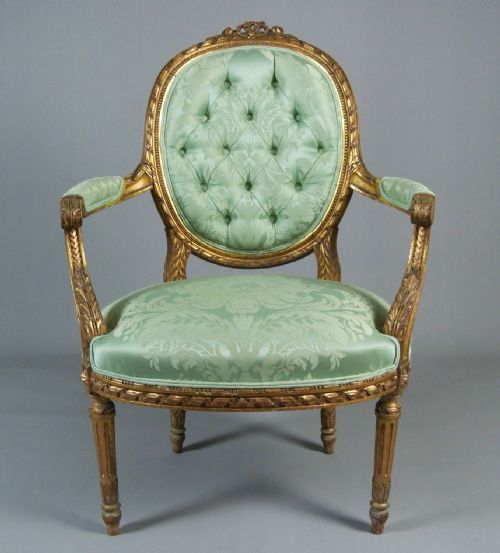
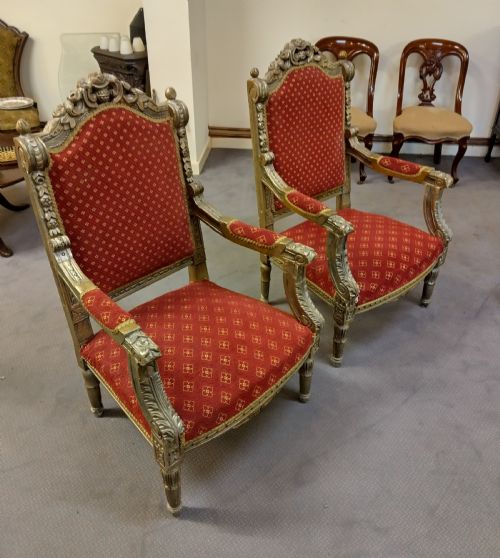
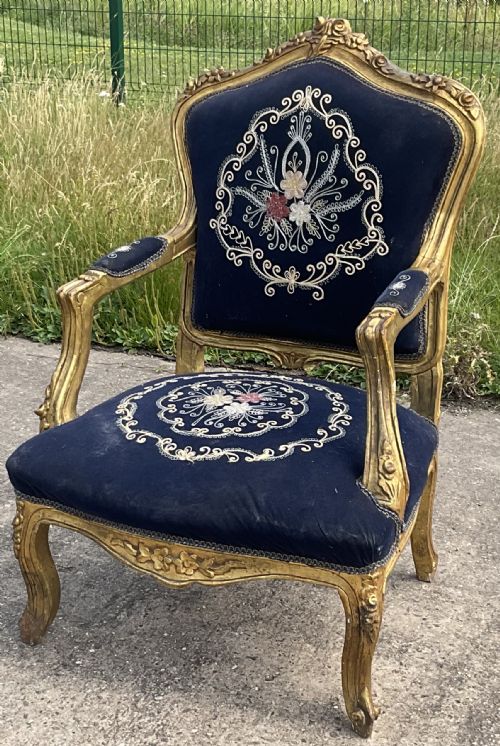
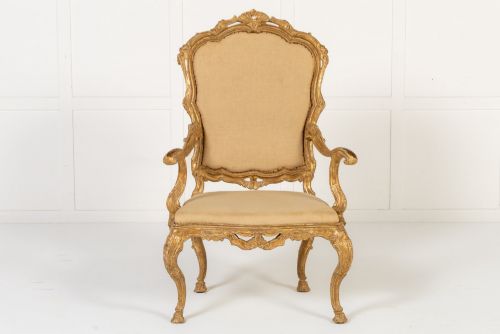
These giltwood armchairs bring magnificent presence to a room, offering a brilliant marriage of carved timber and historic textile upholstery.
Giltwood Armchairs
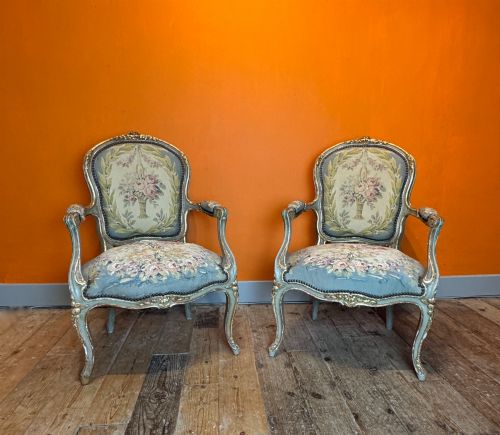
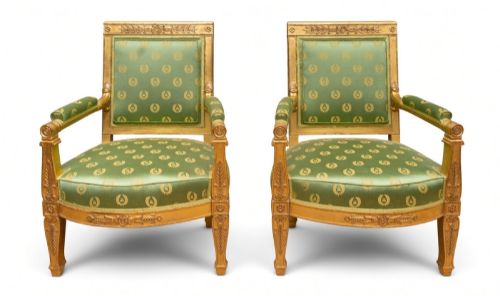
When you search for giltwood armchairs, you encounter grand seating primarily from the nineteenth century, encompassing Regency, Victorian, and Edwardian interpretations alongside continental revivals. These stately seats frequently appear as matched pairs, designed to anchor formal salons and drawing rooms with symmetrical elegance.
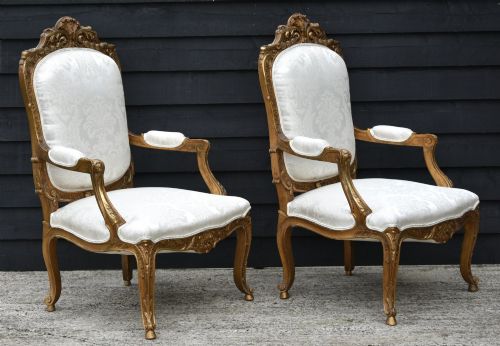
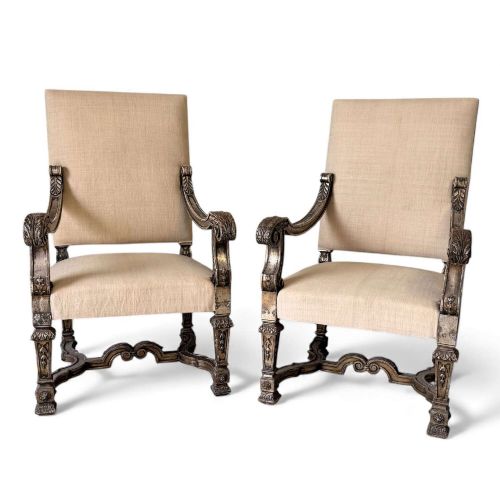
The aesthetic vocabulary draws heavily from French taste, with Louis XV and Louis XVI revival styles dominating the selection. Pieces range from intimate open armchairs and bergères to substantial throne chairs, showcasing elaborate carved decoration.
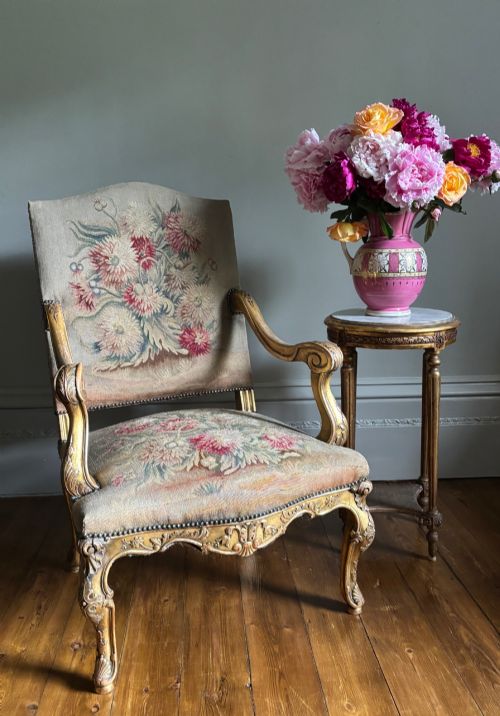
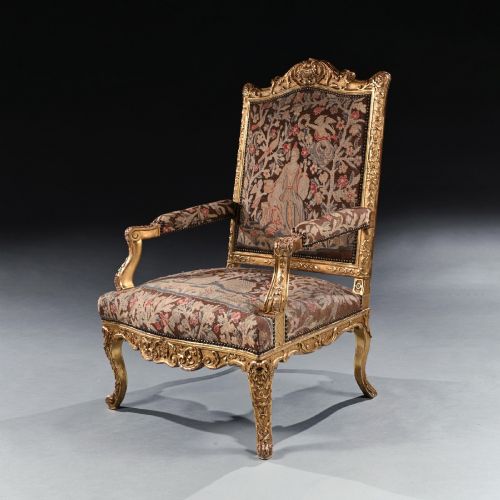
Origins span English workshops, Swedish ateliers, and French cabinetmakers, demonstrating how widely European makers embraced gilded seating. Many examples retain historic textile covers, including wool and original tapestry work that complement the gilded frames.
Materials and Making
The underlying frames are constructed from solid hardwoods such as beech, shaped through skilled carpentry before receiving surface ornamentation. Carvers then work directly into the timber to create crisp floral motifs, scrolls, and structural mouldings.
Application of gold leaf over preparation layers creates the signature metallic brilliance, sometimes contrasted with areas of paint, ebonisation, or exposed wood. Upholstery techniques involve traditional stuffing methods finished with textiles, velvet, fabric, or tapestry covers.
Retail Price Guide 2026
Typical UK retail prices for giltwood armchairs, calculated from the Sellingantiques database of over a million retail prices indexed since 2003. This retail price guide relies exclusively on Sellingantiques data; no external sources or auction records are used, so the figures do not describe the wider market.
Some nineteenth-century makers snuck painted faux-patina beneath the gold leaf just to keep Regency courtiers guessing.
Judging Quality
The depth and crispness of the hand-carving separate standard production from exceptional pieces, as finer frames display sharp relief work rather than softened contours. The handling of the gilding layer dictates visual warmth, with superior application revealing subtle variations in tone rather than flat uniformity.
The integrity of the original frame construction and the survival of period upholstery, such as authentic tapestries or early textiles, elevate a piece's historical authenticity. Proportion and balance in the arms and backrest further distinguish superior seating from more utilitarian examples.
Holland and Sons
The Giltwood Armchairs Glossary
- Giltwood
- Wood that has been coated with thin sheets of gold leaf over a prepared ground. This technique provides a luminous metallic finish that resists tarnishing.
- Bergère
- An enclosed upholstered armchair with sides filled in with upholstery or cane. These comfortable seats emerged in France during the eighteenth century.
- Fauteuil
- An open-framed upholstered armchair with exposed wooden arms. The style is characteristic of French formal seating traditions.
- Aubusson
- A style of tapestry woven in France, frequently used for upholstery on high-end period armchairs. These textiles depict pastoral or floral scenes.
Frequently Asked Questions
Are these armchairs comfortable to sit in?
These seats are designed with generous proportions and upholstered backrests for formal relaxation. Their supportive structure makes them suitable for daily sitting in a drawing room.
At the same time, historic upholstery may feel firmer and sit at a different height compared to modern lounge furniture. Buyers often place them as statement seating where visual impact outweighs long hours of lounging.
How do I identify a revival style?
Revival pieces borrow their decorative vocabulary from earlier monarchical periods, such as the curved cabriole legs of Louis XV or the straight fluted columns of Louis XVI. Makers in the nineteenth century reinterpreted these historical French and Italian designs with renewed enthusiasm.
Examining the timber beneath the gilding and the construction joints helps confirm the actual nineteenth-century date of manufacture. Comparing the carving detail against known revival pieces clarifies the specific stylistic movement.
How should I care for giltwood?
Gold leaf requires gentle maintenance, avoiding moisture and harsh chemical cleaners that can lift the delicate metallic surface. Dusting softly with a dry, lint-free cloth preserves the bright finish over time.
Keep these chairs away from direct sunlight and strong heat sources to protect both the fragile gilding and the historic textiles. Stable indoor humidity prevents the underlying timber frame from shifting and cracking.
Did these chairs always come in pairs?
Many formal nineteenth-century salons required symmetrical seating arrangements, leading makers to construct armchairs in matched pairs or larger sets. Surviving pairs remain highly sought after for balancing a fireplace or window placement.
Single chairs also appear, often functioning as reading chairs or accent pieces in smaller spaces. Pairs offer greater versatility for interior designers seeking visual harmony.