


Gilt Wood Display Cabinet
A gilt wood display cabinet brings warmth and polished glass together to showcase treasured possessions in any room.
Gilt Wood Display Cabinet
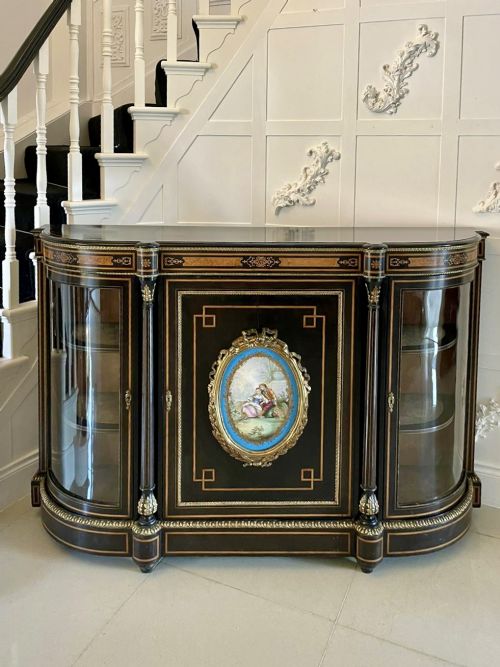
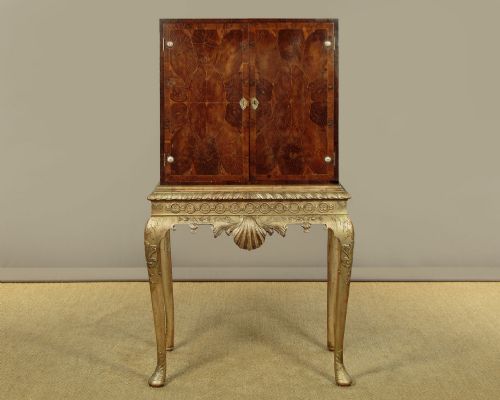
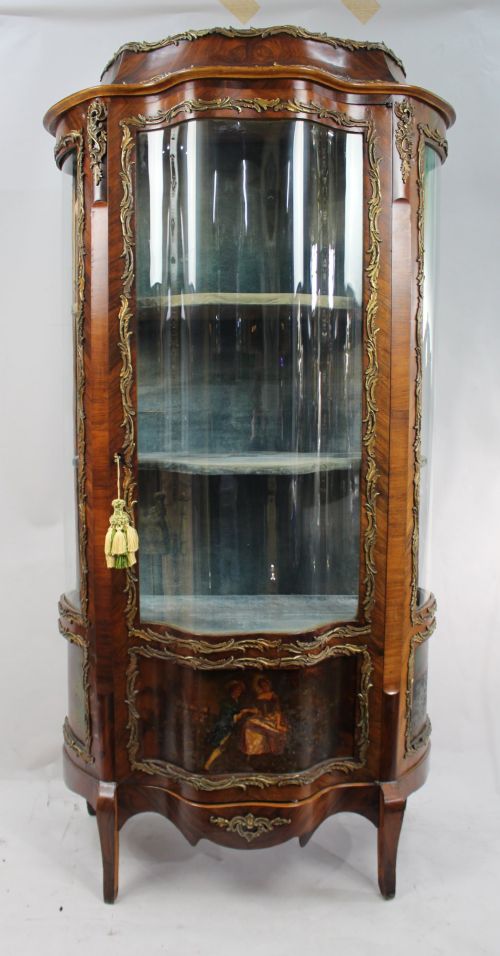
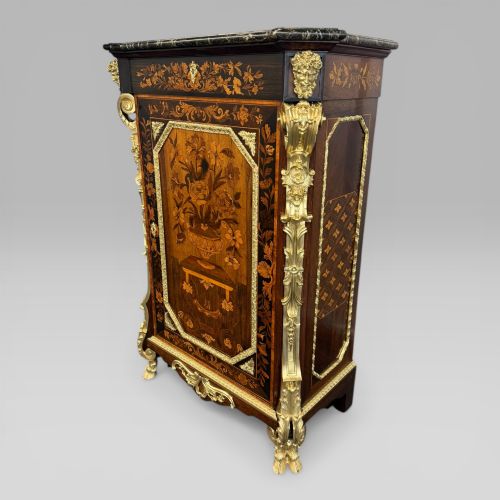
A gilt wood display cabinet combines carved wooden frames with metallic leaf finishes, designed to elevate the interior of a room while holding precious items behind glass. These pieces emerge in styles like French Rococo Revival, Louis XV Revival, and Napoleon III, reflecting nineteenth-century and Edwardian tastes for ornate presentation.
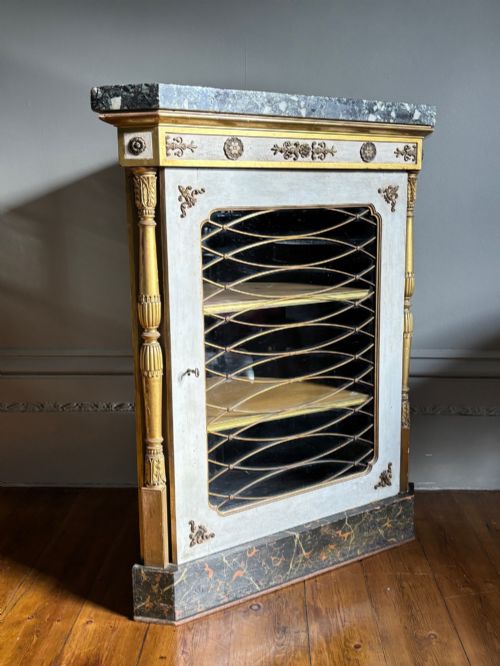
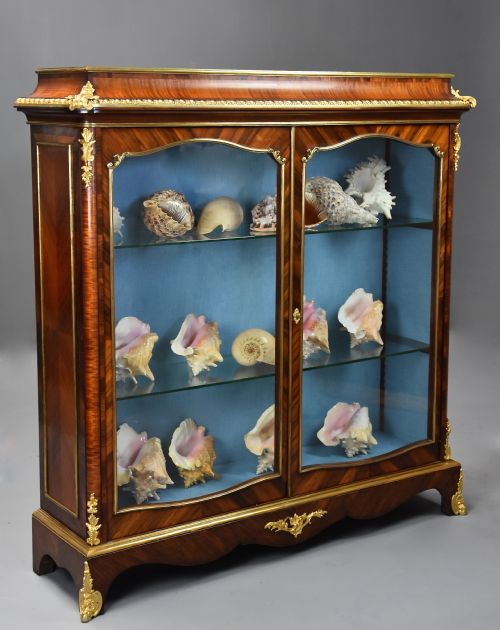
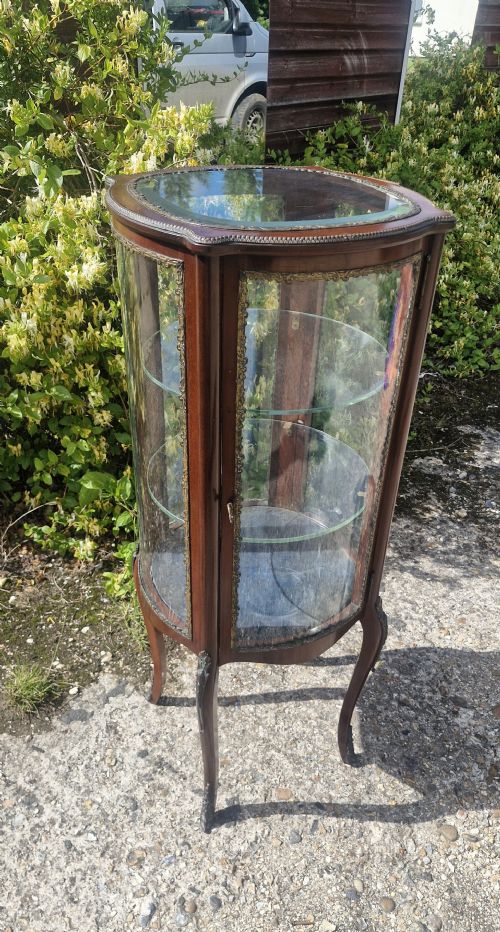
The objects take various forms across the listings, appearing as freestanding vitrines, corner cabinets, and pier cabinets. Buyers encounter both compact wall-hanging shelves and grand continental breakfront furniture with glazed sides.
Materials and Construction
Carpenters build the carcasses using diverse timbers such as kingwood, mahogany, walnut, and rosewood, often applying giltwood or parcel gilt surfaces directly onto the carved structure. Metal mounts in ormolu and brass provide structural accents along corners and cornices.
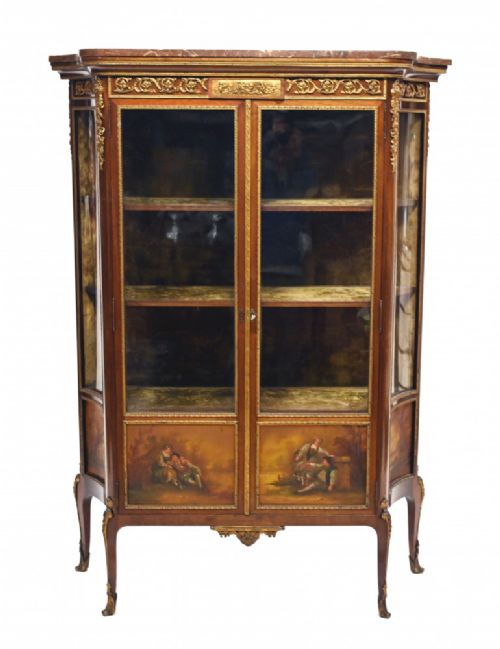
Glazing panels enclose the primary chambers while intricate details like marquetry inlay, painted Vernis Martin panels, or lacquered finishes complete the exterior decorative scheme.
Periods represented span from the Regency era through Victorian and Edwardian times into the early twentieth century.
Standards of Craftsmanship
Finishing separates standard production from exceptional work, particularly in the precision of the gilding and the depth of the wood carving. Superior examples display crisp definition in floral or scroll motifs and tightly fitted glass doors.
The integration of cast ormolu mounts and the complexity of marquetry patterns determine the refinement of the piece. Master workshops construct cabinets with balanced proportions and seamless joins across curved bombe surfaces.
Edward Holmes Baldock·Paul Sormani·S Jamar
The Gilt Wood Display Cabinet Glossary
- Ormolu
- Gilded bronze mounts applied to furniture. This technique adds metallic highlights and ornamental detailing to cabinet exteriors.
- Vitrine
- A glass-fronted display cabinet. This form protects delicate objects while offering all-round visibility.
- Marquetry
- Fitted wood veneers forming decorative patterns. Craftsmen use contrasting timbers to create floral or geometric designs.
- Vernis Martin
- A simulated Japanese lacquer finish developed in France. This technique uses layered varnishes to produce painted decorative scenes on furniture.
- Pier Cabinet
- A narrow cabinet designed to stand against a wall pier between windows. These pieces often feature glass doors and elaborate mounts.
Gilt Wood Display Cabinet: Frequently Asked Questions
Where should I place a gilt wood display cabinet?
These cabinets suit reception rooms and drawing rooms where natural light illuminates the glass panels and highlights the metallic surface finish.
Position them against plain walls to allow the carved giltwood and decorative mounts to stand out without visual clutter.
What items belong inside these cabinets?
Glass shelves accommodate porcelain collections, small silver objects, and glassware, keeping delicate pieces protected behind glazed doors.
The enclosed environment prevents dust accumulation while offering clear visibility from multiple angles within the room.
How do I identify a Victorian vitrine?
Victorian examples frequently incorporate walnut, kingwood, or ebonised timbers paired with elaborate marquetry and cast ormolu mounts.
Look for revival influences such as Louis XV curves or French Rococo decorative motifs typical of the period.
Are these cabinets suitable for modern interiors?
The reflective metallic surfaces and glass panels introduce brightness and texture into contemporary living spaces.
Pairing antique wood tones with minimalist surroundings allows the craftsmanship of the cabinet to become a focal point.