
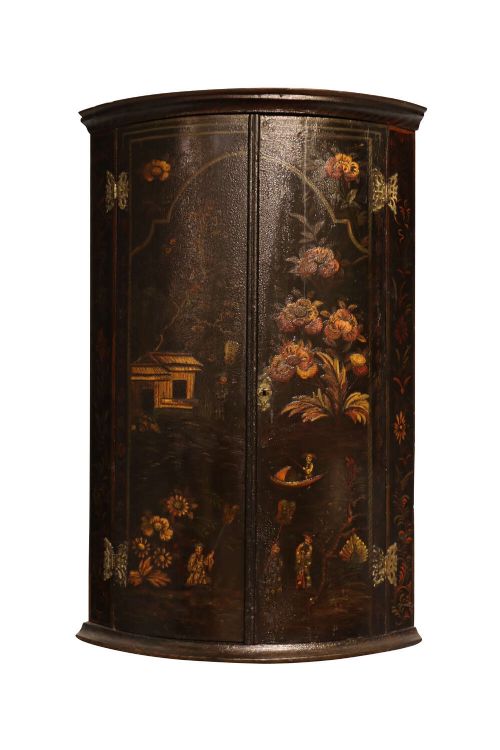


Georgian Style Lacquer Cupboard
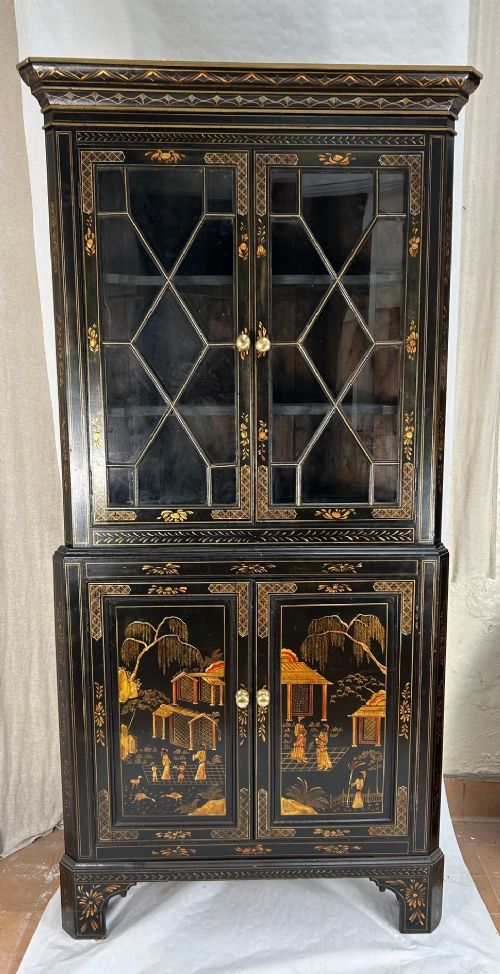
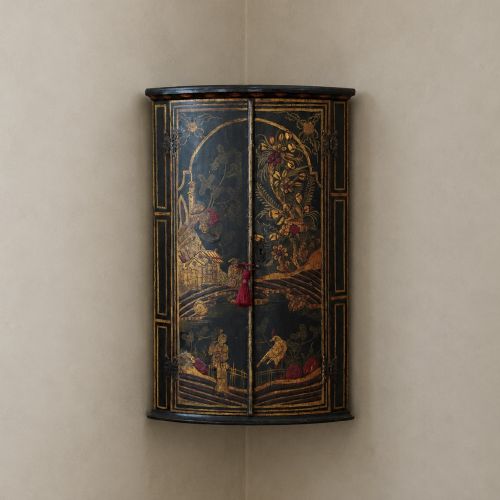
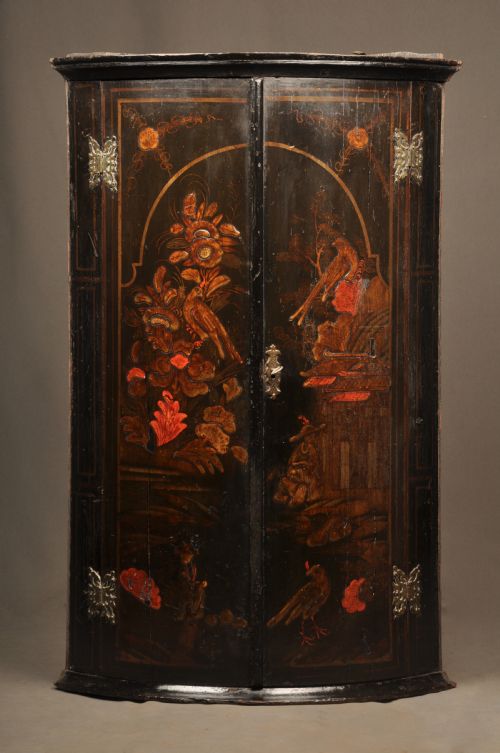
A georgian style lacquer cupboard brings the distinct painted narrative of Chinoiserie into a room, offering rich visual depth through dark lacquer and metallic leaf.
Georgian Style Lacquer Cupboard
When you search for a georgian style lacquer cupboard, you encounter a selection spanning several distinct periods, most frequently featuring Edwardian interpretations alongside original 18th century and 19th century pieces. These items primarily take the form of corner cupboards and corner cabinets, designed to fit snugly into architectural junctions while displaying intricate surface decoration.
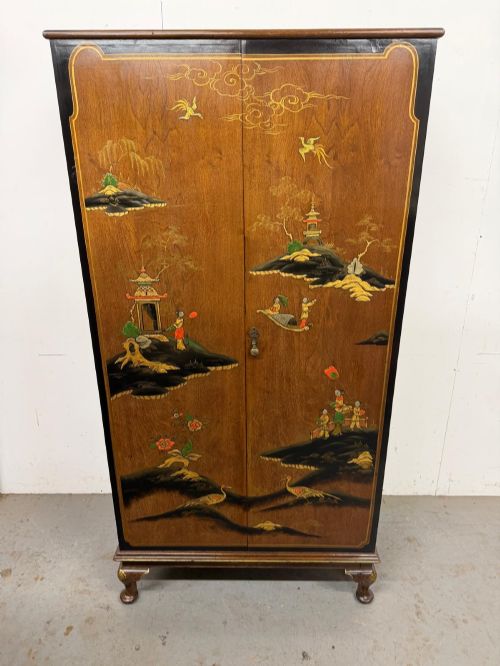
The aesthetic is deeply rooted in Chinoiserie, encompassing both Georgian Chinoiserie and Edwardian revivals that mimic earlier decorative schemes. Alongside corner pieces, the evidence includes compactum wardrobes and display cabinets finished in the same painted and lacquered manner.
Pieces span from the early 18th century through the Victorian era and into the early 20th century, notably around 1910 and 1920. This mix demonstrates a lasting preference for corner storage that combines practical utility with ornate pictorial panels.
How they were made
The construction relies on wood carcasses, including pine, finished with lacquer, paint, and gold leaf to create high-contrast decorative surfaces. Artisans applied layers of lacquer to build a deep, reflective ground before introducing painted Chinoiserie scenes.
Metal components such as brass hardware provide structural emphasis and functional closure on doors. Gilt accents and glass panels appear on specific display cabinets and corner cupboards to highlight the contents within.
Several cupboards hide elaborate miniature landscapes behind modest corner doors, proving that interior surprise was a priority.
What varies in quality
Quality reveals itself in the intricacy of the painted Chinoiserie details and the depth of the lacquer finish across the wood and pine structures. Pieces with multi-layered gold leaf and carefully executed figures show a higher level of craftsmanship than simpler painted surfaces.
The preservation of the original brass fittings and the crispness of the door alignment distinguish the finer examples. The integration of period glass and stable corner joints further separates standard utility pieces from more masterly works.
The Georgian Style Lacquer Cupboard Glossary
- Lacquer
- A durable resin finish applied in multiple coats and polished to a smooth surface. It provides the signature glossy background characteristic of these painted cabinets.
- Compactum wardrobe
- A multi-compartment wardrobe designed for efficient clothing storage. It combines hanging space with drawers and shelves within a single case.
- Japanned
- European emulation of East Asian lacquer techniques, using heat-cured varnishes and metallic powders. This finish creates the characteristic raised or flat metallic motifs seen on period corner cupboards.
Georgian Style Lacquer Cupboard: Frequently Asked Questions
Where do these corner cupboards fit best?
These pieces fit naturally into unused room junctions, transforming dead angles into focal points. Their triangular footprints make them practical for smaller spaces without sacrificing floor area.
They pair well with traditional and eclectic room schemes, offering display space behind glass doors or concealed storage within painted panels.
How do 18th century pieces differ from Edwardian ones?
Authentic 18th century examples carry the patina of age in their lacquer and wood structures, reflecting period construction methods. Edwardian revivals often utilise similar Chinoiserie motifs but belong to a later 20th century stylistic interest.
Examining the underlying pine and the wear patterns helps distinguish the earlier originals from later interpretations.
What is Japanning on these cabinets?
Japanning is a European technique developed to imitate Asian lacquerware using varnishes, paints, and metallic dust. It creates the glossy dark background typical of these Chinoiserie designs.
Over time, this finish develops a characteristic network of fine cracks known as crazing, which distinguishes period surfaces.
How should I maintain a lacquer surface?
Keep these items away from direct sunlight and steady heat sources to protect the delicate lacquer and gold leaf. Dust them gently with a soft, dry cloth without applying modern chemical polishes.
Maintaining stable room humidity prevents the wood underneath from expanding and stressing the painted finish.