
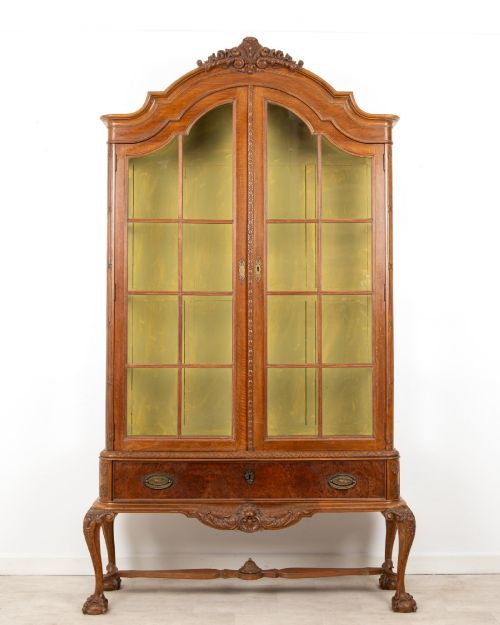
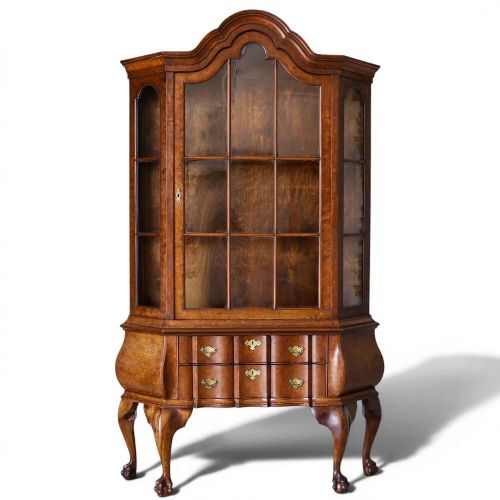


Cabriole Leg China Cabinet
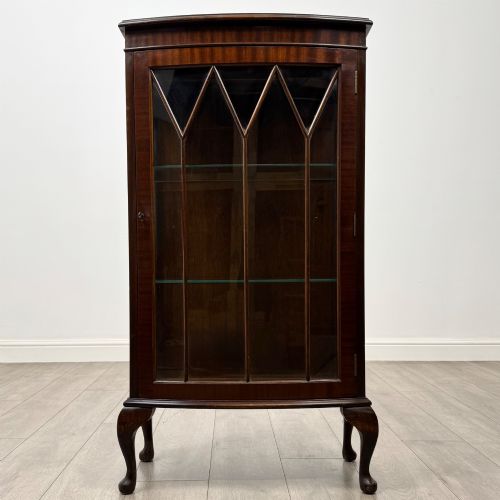
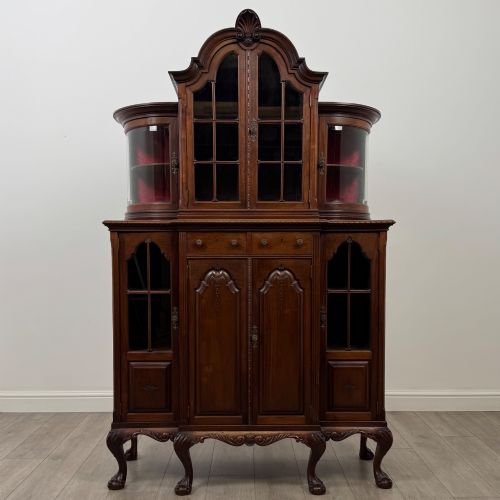
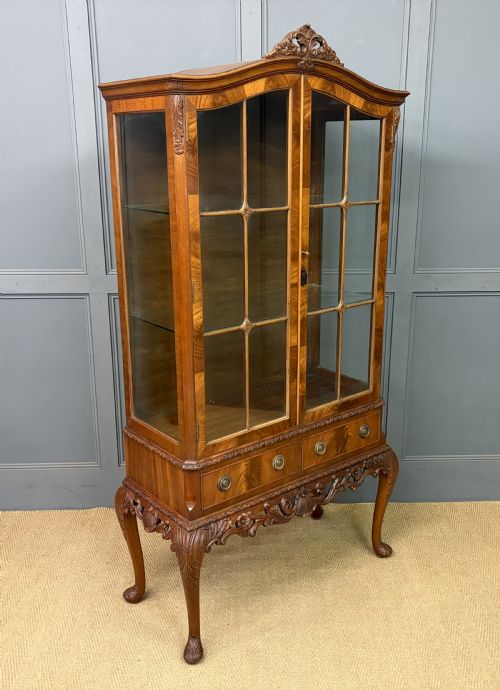
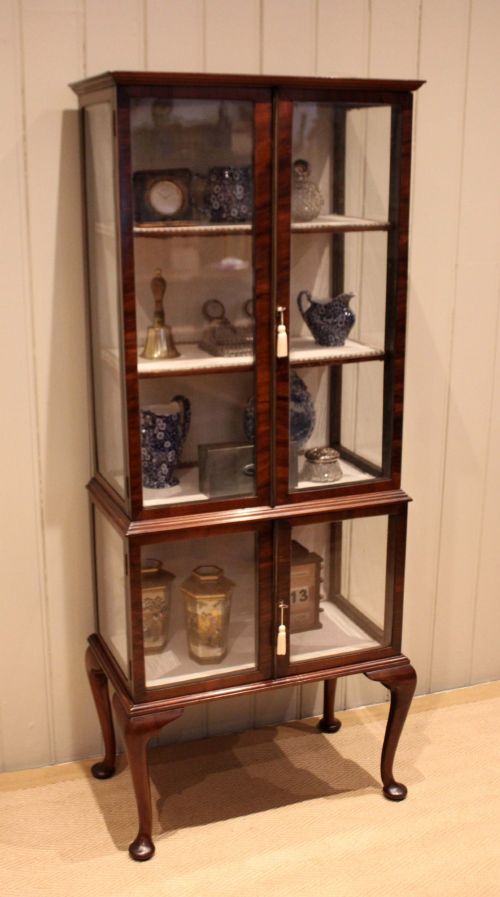
A cabriole leg china cabinet brings elegance to a room, offering glazed shelving designed to display fine porcelain and decorative objects.
Cabriole Leg China Cabinet
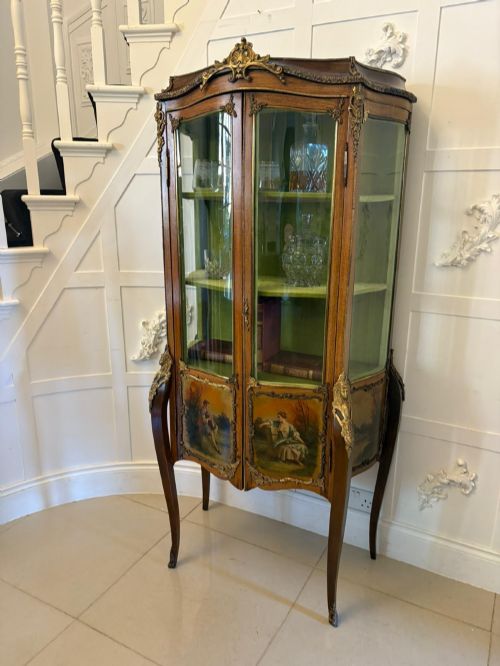
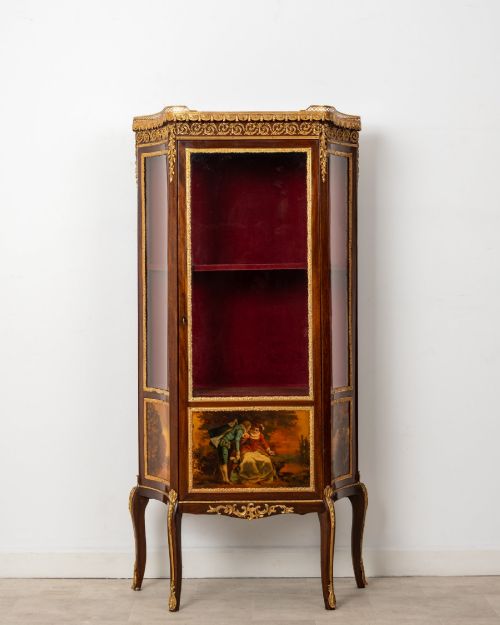
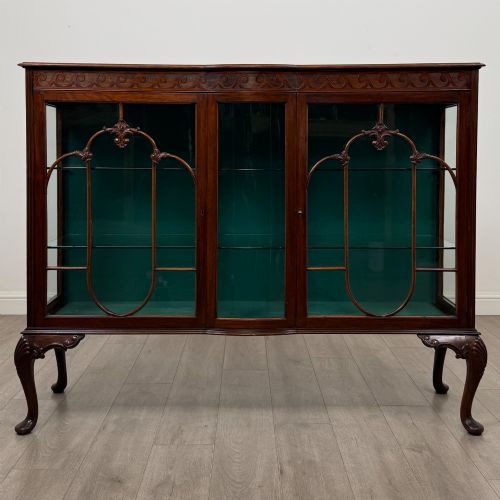
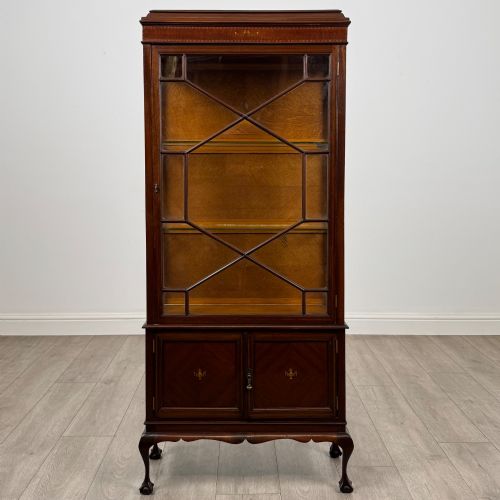
A cabriole leg china cabinet combines glazed display space with distinctive curved supports derived from classical furniture design. When searching for a cabriole leg china cabinet, buyers frequently encounter Edwardian and Victorian iterations alongside revival pieces spanning the nineteenth and early twentieth centuries.
The form encompasses display cabinets, vitrines, and bookcase cabinets executed in timber such as mahogany, walnut, and kingwood. These pieces serve primarily to exhibit tableware, glassware, and ornaments behind protective glass panels.
Materials and construction methods
Craftsmen built these cabinets using solid and veneered timbers including mahogany, walnut, kingwood, and satinwood, often applying intricate inlay or parquetry. Glazed doors and side panels allow light to enter the interior shelving space.
Decorative mounts in ormolu, gilt bronze, and brass accent the timber frames, while fabric linings sometimes cover the internal backingboards. The characteristic curved legs are shaped directly from the wood to provide stable support.
Makers occasionally lined cabinet interiors with fabric to ensure porcelain collections stood out against a soft background.
Distinguishing quality in construction and finish
Quality reveals itself in the selection of timber veneers, the precision of marquetry inlay, and the finesse of the bronze or ormolu mounts. Finer examples display carefully matched grain patterns and well-proportioned curved legs that balance the weight of the glazed upper section.
Interior detailing, such as shaped wooden framing around glass panels and high-grade cabinet hardware, separates superior pieces from standard production. The integration of period revival styles requires skilled joinery to maintain structural integrity across glazed doors.
Maple & Co.·Epstein·Francois Linke
The Cabriole Leg China Cabinet Glossary
- Cabriole leg
- A furniture leg that curves outward at the knee and tapers inward toward the ankle, finishing in a pad or foot. This form originates from traditional animal leg designs.
- Vitrine
- A glass-fronted display cabinet or showcase used specifically for exhibiting porcelain, curiosities, and fine objects. These pieces often feature glazed sides to maximise interior illumination.
- Parquetry
- A geometric mosaic of wood pieces used for decorative floors and cabinet surfaces. Makers arrange contrasting timber veneers to create repeating patterns.
- Ormolu
- Gilt-bronze decorative mounts applied to furniture, popular in French-influenced cabinet making. The technique involves gilding a brass or bronze object with a mercury-gold amalgam.
Cabriole Leg China Cabinet: Frequently Asked Questions
What fits inside a cabriole leg china cabinet?
These cabinets suit porcelain dinner services, glassware collections, and small decorative ornaments. The glass shelving and enclosed space protect delicate items from dust while keeping them visible.
Larger versions accommodate taller ceramic figures or multi-piece sets, whereas smaller proportions suit compact dining rooms or drawing rooms.
How do I date a glass display cabinet?
Dating relies on timber selection, revival styles, and construction techniques visible in the cabinet frame. Edwardian and Victorian pieces often exhibit specific brass hardware and veneer patterns characteristic of their decade.
Cabinet feet and decorative ormolu mounts also provide clues, reflecting popular taste from the nineteenth and early twentieth centuries.
Where should I place a display cabinet?
Position the cabinet in a room with stable temperature and away from direct sunlight to protect timber veneers and internal fabric linings. A living room or dining area offers a suitable environment for viewing collections.
Ensure adequate floor clearance for the curved legs, allowing the piece to stand level without putting strain on the glazed door hinges.
How do French and English styles differ?
French revival cabinets frequently incorporate kingwood, parquetry, and elaborate ormolu mounts in the Louis XV or Rococo manner. These pieces emphasise curved serpentine fronts and decorative bronze accents.
English examples often utilise mahogany or walnut with simpler lines, drawing on Queen Anne or Chippendale revival traditions that focus on timber grain and inlay.