



Gilt Slip Wall Art
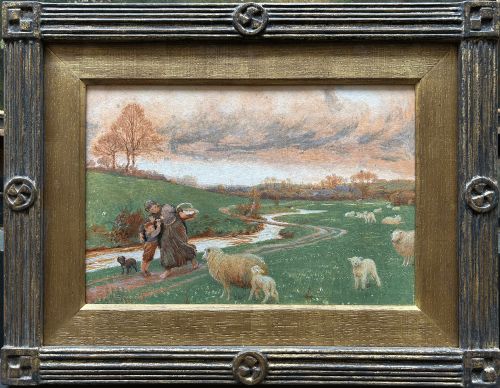
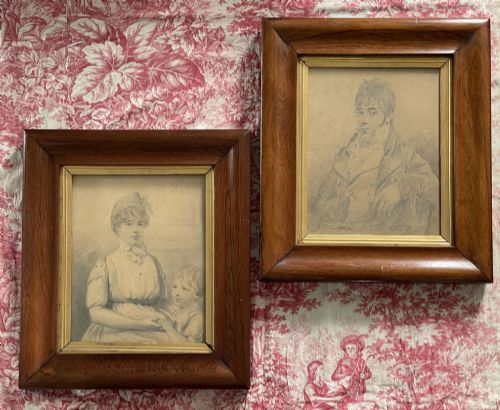
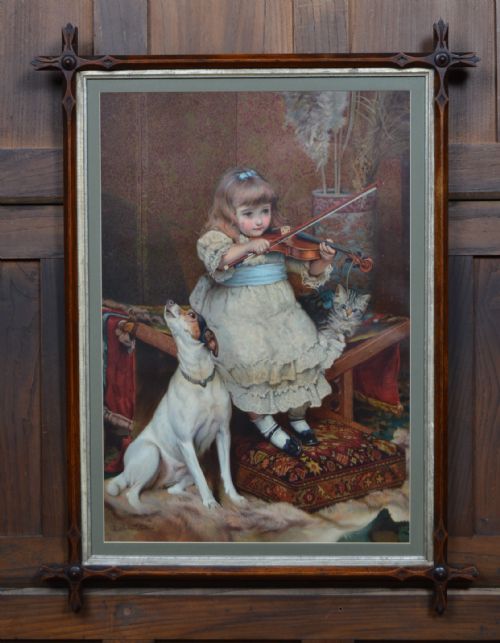
These gilt slip wall art pieces bring period frames and traditional canvases together, offering character and depth for a focused interior.
Gilt Slip Wall Art
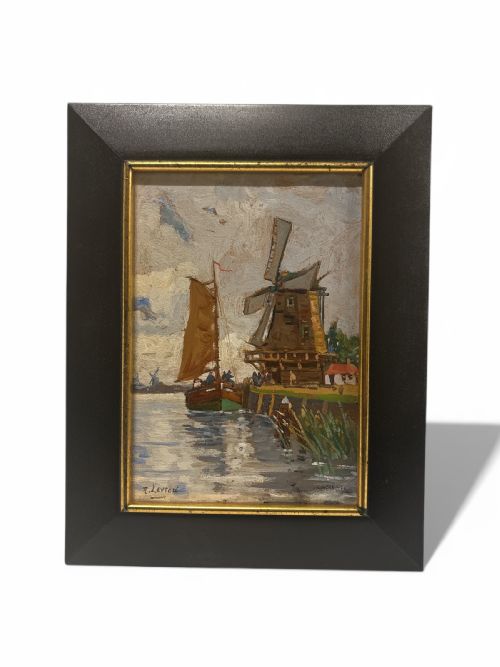
When searching for gilt slip wall art, you encounter framed oil paintings, watercolours, portraits, and textiles spanning the eighteenth to twentieth centuries. These works combine historical subjects, from landscapes to botanical studies, with distinct inner framing borders.
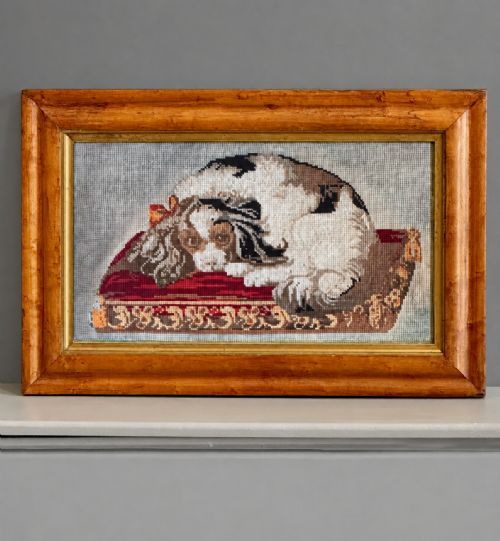
You are most likely to meet nineteenth-century and Victorian examples on this page, alongside Regency and Edwardian pieces. The selection includes framed textiles like Berlin work and needlework alongside traditional oil on canvas compositions.
How they were made
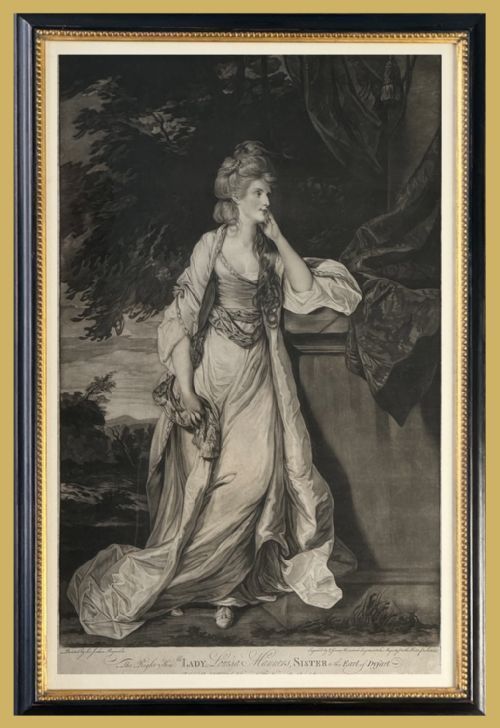
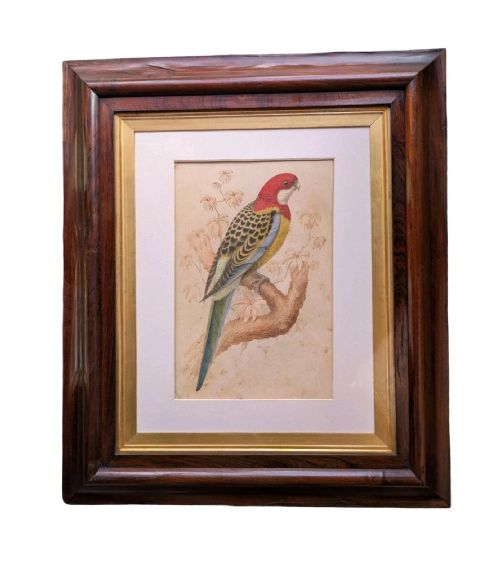
Makers utilised wood, glass, and paper, applying gold leaf to inner slips that surround oil paintings, watercolours, and engravings. Canvases received layers of oil paint, while works on paper utilised graphite, mezzotint, and chromolithography techniques.
Frames incorporated burr maple and rosewood alongside traditional gilding methods to highlight the artwork within. Artisans combined textile craft, such as tapestry and needlework, with specialised framing to protect delicate surfaces.
Listings span the eighteenth, nineteenth, and twentieth centuries, featuring oil on canvas, watercolours, and engravings.
What varies in quality
The standard of an artwork depends upon the finesse of the brushwork, the depth of the subject matter, and the preservation of the original materials. Works executed with confident pigment application and fine detail stand apart from simpler naive pieces.
The quality of the framing and the application of gold leaf on the slip play a significant role in the overall presentation. Intact period surrounds, such as burr maple or rosewood frames, elevate the visual impact of the piece.
R Leyton·Valentine Green·Sir Joshua Reynolds·Gustave De Bréanski·Edwin Hughes·Gainsborough·W.A. Clark·Charles Burton Barber·Alfred Graham·J. Mitan·John Ferneley Jnr
The Gilt Slip Wall Art Glossary
- Gilt slip
- A narrow inner frame border covered in gold leaf that separates the main picture frame from the artwork itself. This technique adds depth and focuses the eye on the composition.
- Mezzotint
- A printmaking process of the intaglio family where the plate is roughened to achieve rich tonal gradations. It allows for subtle transitions between light and dark areas in portraits.
- Chromolithography
- A planographic colour printing method that builds up multiple hues using separate stones or plates. It became prominent for reproducing paintings and illustrations in the nineteenth century.
- Berlin work
- A style of counted-thread embroidery popular during the Victorian era that utilised brightly coloured wools. These needlework pieces were frequently mounted behind glass in wood frames.
Gilt Slip Wall Art: Frequently Asked Questions
How do I date these artworks?
Dating relies on stylistic clues, framing methods, and the materials used in the support. Nineteenth-century pieces often display specific mounting techniques and paper types.
Signatures, artist records, and subject matter also help narrow down the period of creation.
Where should I hang these?
These framed works suit traditional reception rooms, studies, and hallways where period character is desired. They pair well with neutral walls that allow the gold leaf and wood frames to stand out.
Avoid direct sunlight to protect fragile watercolours, paper prints, and textiles from fading.
Are all pieces original?
The inventory consists of period works, including nineteenth-century oil paintings, Regency engravings, and Victorian needlework. Each item reflects the materials and techniques of its specific era.
Examining the backboards, framing materials, and medium helps confirm the authenticity of the piece.