


19th Century Graphite Art
Nineteenth century graphite art offers a direct window into the hand of the past through intimate pencil drawings, sketches, and academic studies.
19th Century Graphite Art
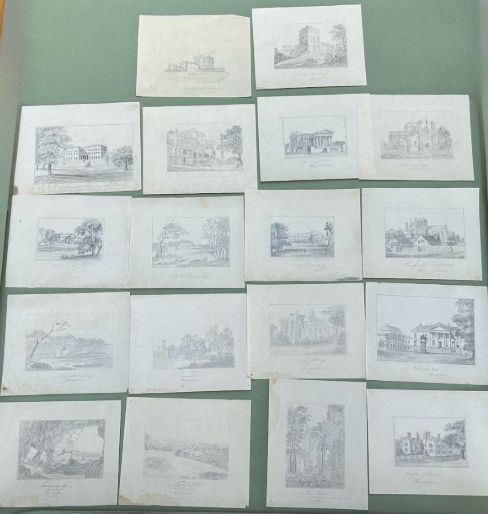
Nineteenth century graphite art encompasses original pencil drawings, sketches, and figural studies created during the Georgian, Regency, and Victorian eras. These works range from rapid architectural records and landscape views to highly finished academic portraits and allegorical scenes.
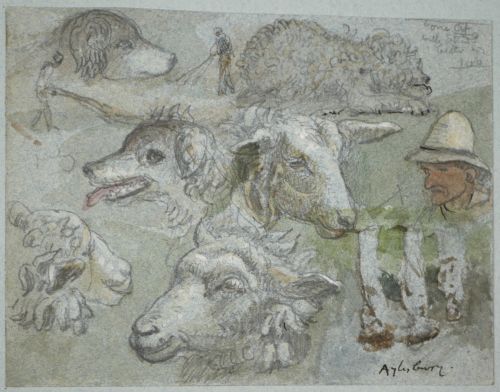
The pieces on this page appear in various formats, frequently mounted as framed artwork on paper. Many are executed on toned paper or combined with media such as watercolour, chalk, and ink to build depth and contrast.
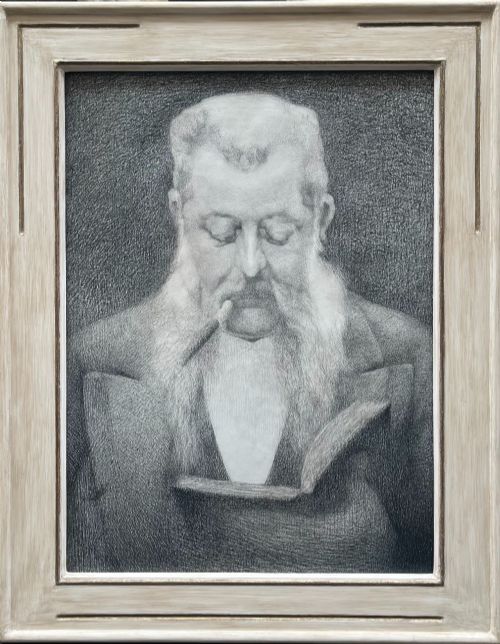
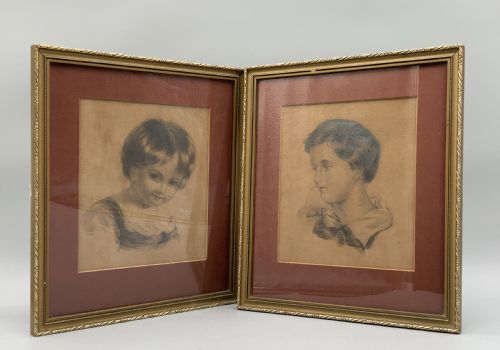
Subjects span everyday domestic animals, expressive human portraits, and historical or symbolist compositions. Buyers encounter both anonymous sketches and signed works reflecting academic traditions across British and French schools.
How They Were Made
Artists of this period utilised graphite pencil applied to paper, often selecting toned paper to provide a neutral mid-tone that allowed highlights in chalk or white bodycolour to stand out. Some drawings incorporate watercolour washes or ink to define shadows and structure.
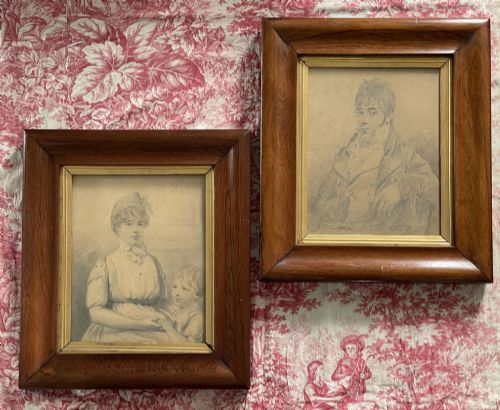
Framed presentation typically involves wood frames, sometimes enhanced with gold leaf and protected beneath glass to preserve the delicate paper surface from atmospheric damage.
Several drawings capture quiet domestic moments, including a cheeky dog in the kitchen contemplating temptation and a cat watching closely.
What Varies in Quality
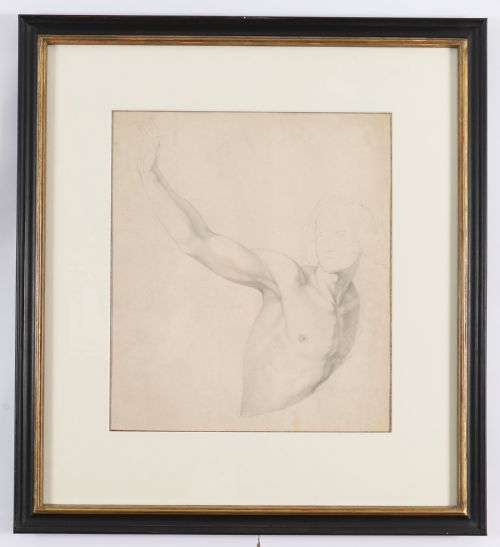
The standard of execution in academic life studies and portraiture separates accomplished academic drawing from simpler amateur sketches. Mastery of proportion, particularly in figural works and male nude studies, distinguishes the most skilled draftsmen.
Condition and preservation of the paper support also define the piece, alongside the clarity of the graphite lines and the presence of contemporary signatures, dates, or stamps that place the artwork within a documented context.
James Smetham·Sir Thomas Lawrence·Sir Francis Leggatt Chantrey·Henri Josephe Hesse·Alexandre Decamps
The 19th Century Graphite Art Glossary
- Academic Realism
- A style of painting and drawing produced under the influence of European academies of art, prioritising strict anatomical accuracy and traditional technique.
- Toned Paper
- Paper manufactured with a natural grey, brown, or tan tint rather than pure white, used by artists to build up highlights and darks efficiently.
- Grisaille
- A painting or drawing executed entirely in shades of grey or neutral monochrome to mimic the appearance of relief sculpture or stone.
- Figural Study
- A preparatory or finished drawing focused on the human form, often utilised in academic training to master proportion and posture.
- Symbolist School
- An artistic movement focusing on metaphorical images, inner emotions, and mystical or allegorical themes rather than strict optical realism.
19th Century Graphite Art: Frequently Asked Questions
How should I frame antique graphite drawings?
Protect works on paper behind glass with conservation-grade mounts to prevent direct contact with the glazing. Keep framed pieces away from direct sunlight to avoid fading the graphite and paper.
Ensure the backing materials are acid-free to maintain the integrity of the paper support over time.
What is the difference between a sketch and a study?
A sketch is typically a rapid preliminary recording of a scene or idea, capturing immediate movement or composition. A study involves greater detail and careful observation, often focusing on a specific figure or element.
Academic studies in this medium were frequently created as rigorous training exercises by artists mastering human anatomy.
How do I identify French works from British pieces?
French drawings often reflect academic traditions linked to continental portraiture, historical allegories, and chalk techniques seen in nineteenth-century workshops. British examples frequently lean towards local landscapes, architectural studies, and Regency or Victorian domestic portraits.
Inscriptions, framing styles, and artist signatures can further clarify the geographic origin of the paper and medium.
Can pencil drawings include other materials?
Many nineteenth-century works combine graphite with white chalk, ink, or watercolour washes to enhance tonal range and create highlights. Toned paper was also standard for adding depth beneath the pencil marks.
These mixed media approaches allowed artists to achieve finished portraiture and narrative scenes within a single composition.