

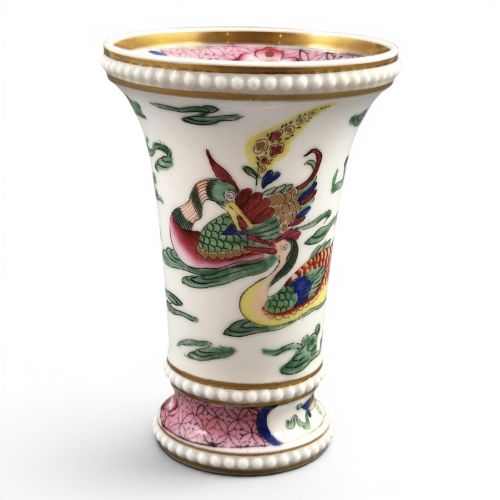


Gilt Porcelain Pot
When you search for a gilt porcelain pot, you enter a world of fine ceramics lifted by gold leaf, enamel, and bronze mounts.
Gilt Porcelain Pot
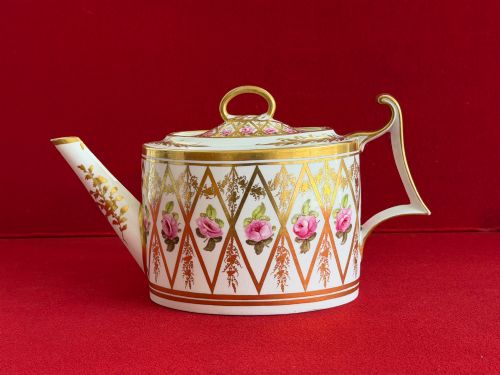
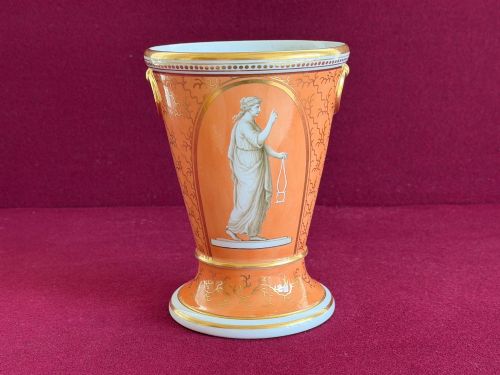
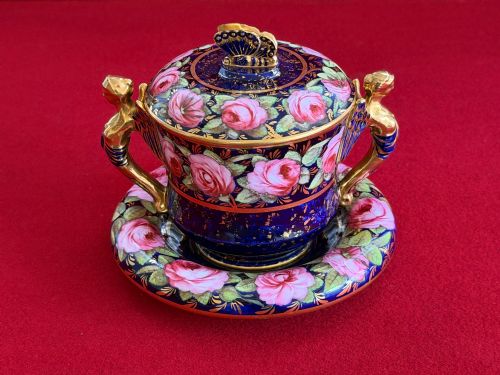
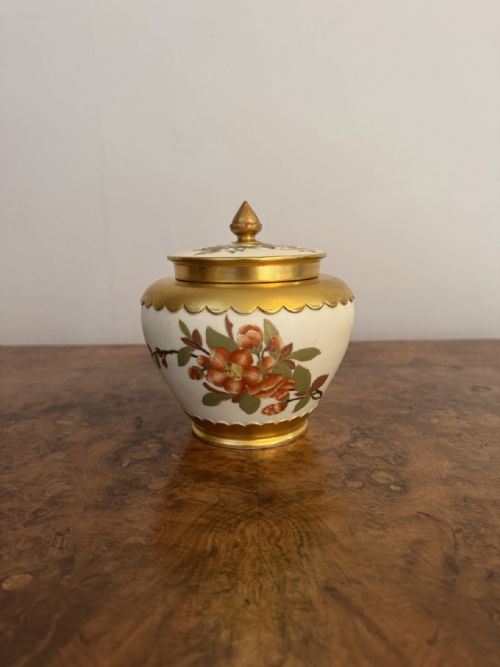
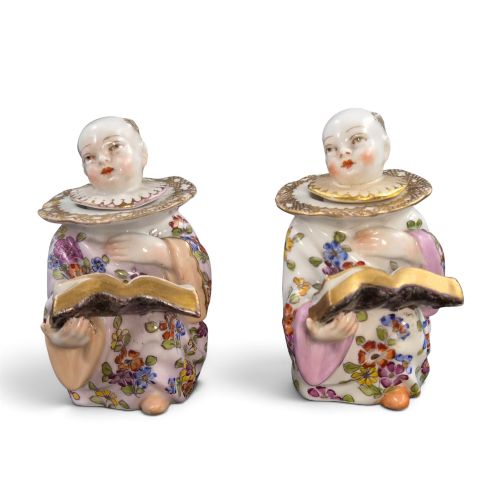
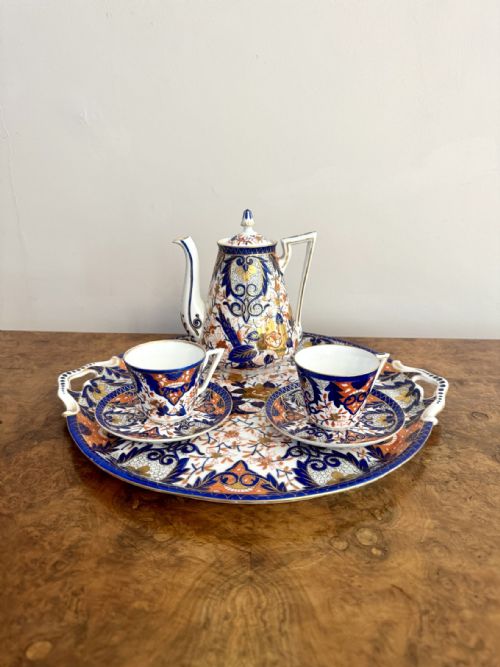
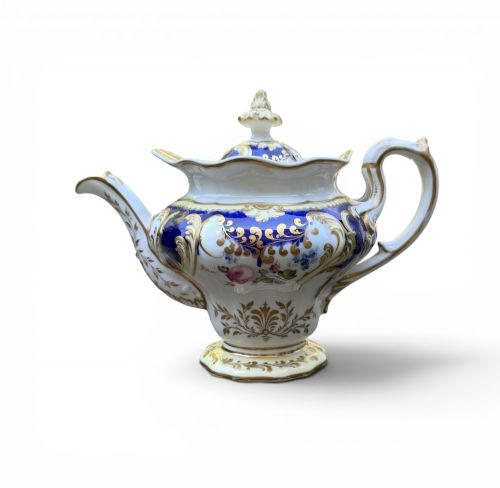
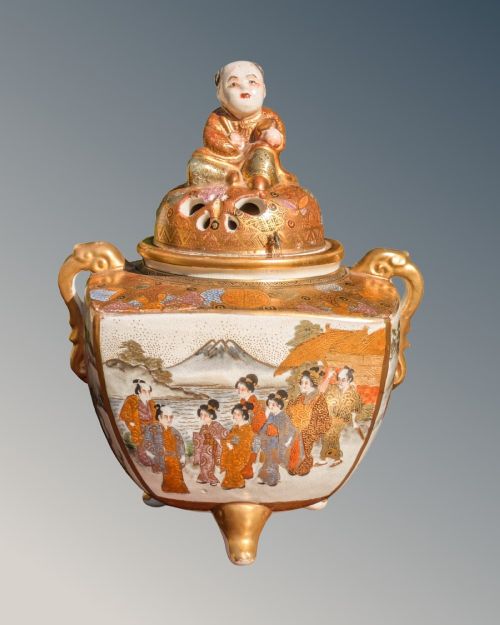
A gilt porcelain pot encompasses vessels designed for display, service, and storage, drawing from Georgian, Victorian, and Meiji periods. The forms include lidded potpourri jars, jardinières, chocolate cups, and decorative vases shaped from porcelain, bone china, and earthenware.
The objects stem from English factories like Royal Worcester, Spode, and Coalport, alongside continental French and German workshops and Japanese Satsuma studios. Buyers most frequently encounter nineteenth-century English and French lidded containers and vases carrying hand-painted details and metallic highlights.
How they were made
Potters shaped ceramic bodies from fine paste porcelain, bone china, or earthenware, firing the pieces before applying enamel pigments by hand. Artisans then added gold leaf, gilding, or gilt bronze mounts to accentuate rims, handles, and panels.
Many items incorporate transfer printing or intricate hand-painting depicting fruit, flowers, and figures, sometimes paired with gilt bronze mounts cast in the French rococo style.
Listings feature items spanning the Georgian, Victorian, Edwardian, and Meiji periods, utilising porcelain, earthenware, bone china, and gilt bronze.
What varies in quality
The standard of painting determines much of the distinction across these items, separating factory-line decoration from master artist output. Hand-painted fruit or figural scenes by known artists command greater attention than simple transfer prints.
The weight and precision of the gilding also divide the range, alongside the crispness of porcelain moulding and the integration of gilt bronze mounts on continental boxes and vases.
Derby Porcelain·Flight And Barr Worcester·Spode·Royal Worcester·Samuel Alcock And Co·Meissen·Kinkozan·Ahrenfeldt And Asalvary·Shozan·Russian Imperial Porcelain Manufactory·Coalport
The Gilt Porcelain Pot Glossary
- Gilding
- The application of gold leaf or gold paint to ceramic surfaces. This finish catches the light and highlights raised moulded details.
- Potpourri
- A lidded vessel pierced with holes to release the scent of dried petals stored inside. These pots often feature elaborate hand-painted decoration.
- Jardinière
- A decorative ceramic pot or stand designed to hold growing plants. They frequently appear with twin handles and rich surface enamel.
- Sucrier
- A small sugar bowl, often featuring a fitted lid and matching ceramic handles. Many examples include delicate gilt borders.
- Bone china
- A type of porcelain containing bone ash, yielding a durable and slightly translucent body. It forms the basis for numerous nineteenth-century English tea and decorative wares.
Gilt Porcelain Pot: Frequently Asked Questions
What is a gilt porcelain pot used for?
These vessels served various domestic and decorative purposes, from holding dried floral potpourri and sugar to housing plants or serving hot chocolate.
Today, collectors use them primarily as decorative focal points on mantelpieces, sideboards, and cabinets.
How do I care for gilt porcelain?
Dust the surfaces gently with a soft, dry cloth to protect the delicate enamel and gold leaf from abrasion.
Keep these objects away from direct sunlight and avoid using water or chemical cleaners, which can damage historic gilding.
How can I tell the period?
Examine the factory backstamps, paste consistency, and painting styles, which evolved from Georgian neoclassical restraint to ornate Victorian and Edwardian aesthetics.
Stylistic cues such as Meiji period Satsuma motifs or French rococo revival gilt bronze mounts also point to specific decades of production.
Where were these pieces made?
Production centres spanned traditional English ceramic hubs in Staffordshire and Worcester, alongside continental factories in France and Germany.
Japanese studios in Kyoto also contributed distinct earthenware and porcelain creations featuring elaborate hand-painted panels.