



Gilt Porcelain Display Bowl
A gilt porcelain display bowl brings together rich metallic leaf and ceramic form, offering a striking centrepiece for any surface.
Gilt Porcelain Display Bowl
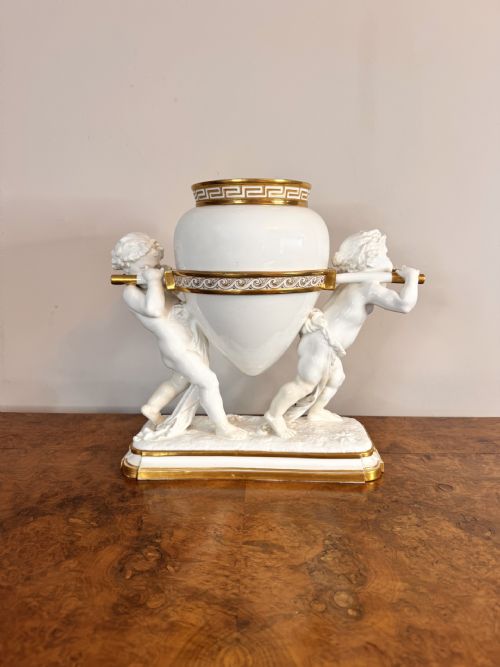
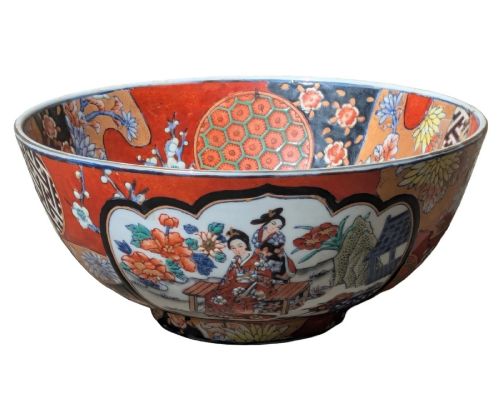
A gilt porcelain display bowl encompasses various decorative vessels designed primarily for presentation rather than daily service. These objects span several distinct traditions, including Japanese Imari, Chinese export pieces, and English cabinet items.
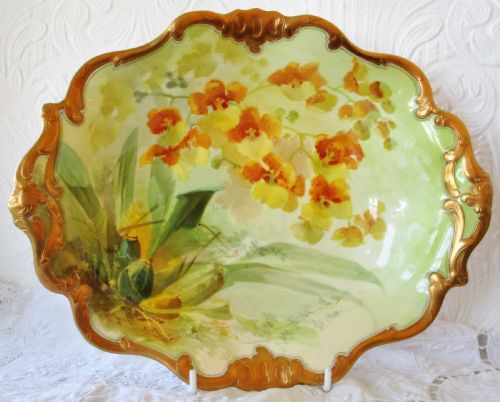
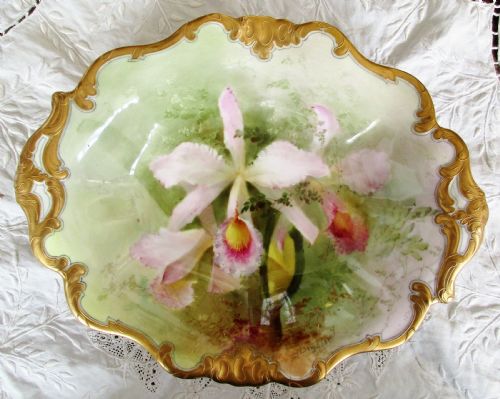
The versions most frequently encountered on this page belong to the nineteenth and early twentieth centuries. They range from shallow Imari bowls and large centrepieces to cabinet dishes featuring hand-painted botanical studies.
Makers and workshops from both Europe and East Asia shaped this category, incorporating cobalt blue, enamel, and gold leaf into ornamental tableware. Collectors select them for their decorative impact and the variety of regional aesthetics represented.
How they were made
Ceramic bodies such as porcelain, bone china, and earthenware form the foundation of these vessels, shaped on a wheel or pressed into moulds. Artisans then applied underglaze pigments like cobalt blue before firing the piece to secure the colour.
Enamel colours and gold leaf or gilt were subsequently added over the glaze and subjected to a lower temperature firing to fuse the decoration to the surface. Detailed botanical motifs or complex geometric patterns were meticulously painted by hand.
Gilt Porcelain Display Bowl Retail Price Guide 2026
Typical asking prices for gilt porcelain display bowl among the pieces listed under this phrase on Sellingantiques today, from the lower quarter to the upper quarter. They describe what is for sale here now, not the wider market.
Listings feature porcelain, bone china, and earthenware combined with enamel, gold leaf, and cobalt blue.
What varies in quality
The precision of the hand-painted decoration separates standard production from exceptional examples. Finer pieces display crisp botanical details, controlled enamel work, and finely burnished gilding that resists wear.
The clarity and weight of the underlying porcelain or bone china also distinguish better items. Superior potting creates balanced forms with even walls and stable bases suitable for prominent display.
Royal Doulton·David Dewsberry·Royal Worcester·J Smith·Wedgwood·Daisy Makeig-Jones·Samson Of Paris
The Gilt Porcelain Display Bowl Glossary
- Cabinet dish
- A decorative ceramic plate or bowl intended for display in a cabinet rather than use at the table. These often feature elaborate painted scenes.
- Gilt
- A thin layer of gold applied to the surface of porcelain or metal. It adds a reflective metallic accent to the ceramic body.
- Imari
- A style of Japanese porcelain featuring a distinctive palette of cobalt blue, iron red, and gold. It was widely exported to Europe from the seventeenth century onwards.
- Enamel
- Opaque glass-like material fused to the surface of ceramics through firing. It provides vibrant colour details alongside painted designs.
- Bone china
- A type of porcelain incorporating animal bone ash. It produces a strong, translucent ceramic body popular in English manufacturing.
Gilt Porcelain Display Bowl: Frequently Asked Questions
How were these bowls originally used?
Most of these pieces served as decorative cabinet items or centrepieces rather than functional tableware. They were showcased on sideboards, tables, or within glass cabinets to highlight the owner's taste.
Larger versions accommodated fruit or floral arrangements, while shallow dishes and plates remained vertical on stands for visual appreciation.
How do I care for gilt porcelain?
Gentle dusting with a soft, dry cloth is the safest way to maintain the surface. Avoid chemical cleaners or abrasive materials that can wear away the delicate gold leaf.
Keep these vessels out of direct sunlight to prevent fading in the enamel colours over time. Hand washing in lukewarm water with mild soap should be done only when strictly necessary.
What is a cabinet dish?
A cabinet dish is an ornamental ceramic plate created for display rather than dining. These items frequently showcase detailed hand-painted artwork, such as botanical studies or armorial crests.
They were produced by major potteries to demonstrate the pinnacle of their decorating skills.