



Imari Ware Fruit Bowl
An imari ware fruit bowl brings rich cobalt blue and vibrant enamel decoration to the table, combining functional serving with striking Japanese craftsmanship.
Imari Ware Fruit Bowl
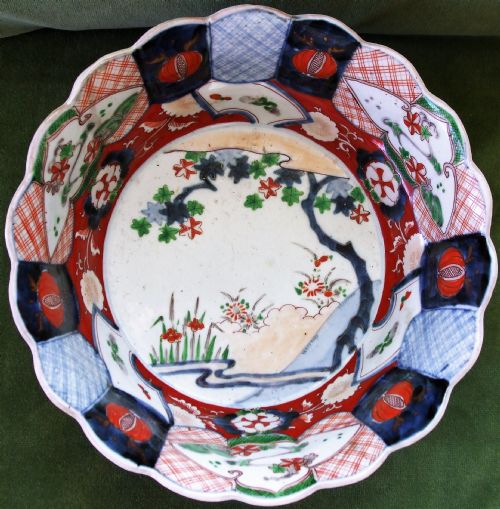
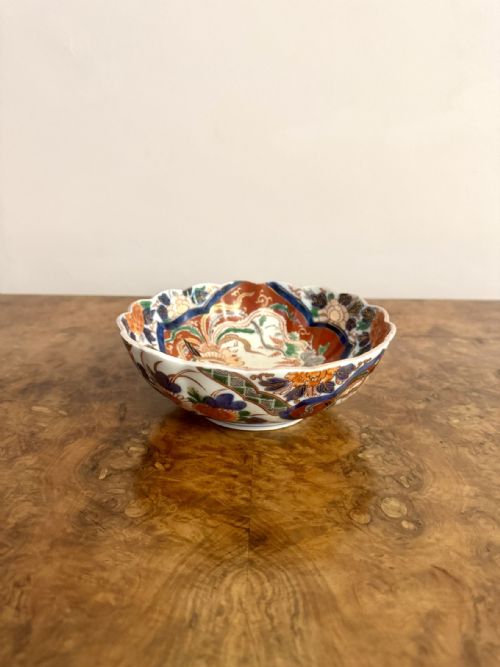
An imari ware fruit bowl is a decorative bowl originating from Japan, often taking circular or scallop-shaped forms. These pieces span the nineteenth century, the Meiji period, and the year nineteen hundred.
The selections available here reflect traditional aesthetics from specific historical periods, notably the Meiji era. Each piece demonstrates the distinctive ornamentation associated with imari ware.
How they were made
Makers shaped these bowls from porcelain, applying cobalt blue underglaze and colourful enamel painting over the surface. Many examples incorporate gilding and gold leaf to highlight the intricate patterns.
Techniques relied on precise kiln firing to set the glaze and fix the enamel details. Artisans shaped specific edges, such as scallop profiles, while the clay was pliable before the final glaze application.
Imari Ware Fruit Bowl Retail Price Guide 2026
Typical asking prices for imari ware fruit bowl among the pieces listed under this phrase on Sellingantiques today, from the lower quarter to the upper quarter. They describe what is for sale here now, not the wider market.
Some bowls feature edges shaped like scallops, giving rigid porcelain the gentle appearance of a sea shell.
What varies in quality
The refinement of the painted enamel and the precision of the cobalt blue underglaze dictate the visual strength of a bowl. Crisp application of gold leaf and gilding elevates the overall execution of the design.
Form also plays a role, with carefully shaped scallop edges demanding greater skill from the potter than simple circular rims. The density and finish of the porcelain body further distinguish standard production from superior examples.
The Imari Ware Fruit Bowl Glossary
- Imari ware
- Japanese porcelain decorated in underglaze blue, iron red, and gold, typically produced for export. This style developed a distinct visual identity recognised globally.
- Cobalt blue
- A deep blue pigment used beneath the glaze on ceramic pieces. It remains stable at high kiln temperatures.
- Gilding
- The application of gold leaf or gold powder onto the surface of porcelain. It adds metallic highlights to the painted motifs.
- Meiji period
- The era in Japanese history spanning from eighteen sixty-eight to nineteen twelve. Pieces from this time often feature elaborate enamel work.
- Scallop edge
- A decorative rim shaped into a series of curves resembling a scallop shell. This form requires careful manipulation of the clay before firing.
Imari Ware Fruit Bowl: Frequently Asked Questions
What is an imari ware fruit bowl?
An imari ware fruit bowl is a Japanese porcelain vessel decorated with cobalt blue, enamel, and often gold leaf. These decorative bowls date from the nineteenth century and the Meiji period.
They combine utility with traditional Japanese artistry, making them prominent display items in a home.
How do I date an imari bowl?
Dating relies on stylistic markers from the Meiji period and the nineteenth century, alongside the specific characteristics of the porcelain and enamel. Pieces from around nineteen hundred often exhibit specific decorative traits.
Examining the glaze and the style of the cobalt blue underglaze helps determine the period of origin.
Are these bowls safe for serving fruit?
These antique porcelain bowls are primarily decorative objects suited for display. While made from durable ceramic materials, their historical value warrants careful handling.
Using them for holding dry fruit is common, but hand washing is necessary to protect the enamel and gilding.
What colours appear on imari ware?
Traditional imari pieces feature a strong combination of cobalt blue underglaze and vibrant overglaze enamels. Gold leaf and gilding frequently accent these primary hues.
This palette creates the high-contrast visual style characteristic of Japanese export porcelain from the era.