



Blue Red Porcelain Basin
A blue red porcelain basin is a striking vessel combining cobalt blue and iron red pigments, offering collectors vibrant historic artistry for display.
Blue Red Porcelain Basin
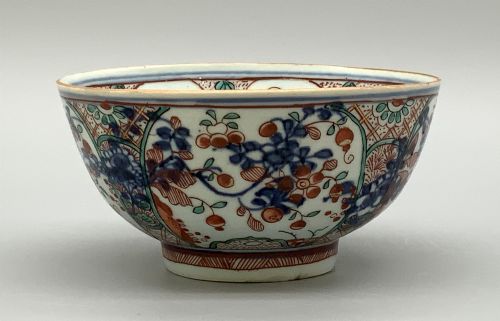
A blue red porcelain basin encompasses decorative bowls, jardinieres, and dishes created across the eighteenth and nineteenth centuries. Buyers searching for a blue red porcelain basin will frequently encounter Japanese Imari pieces alongside Chinese Export examples from periods such as the Kangxi era and Meiji period.
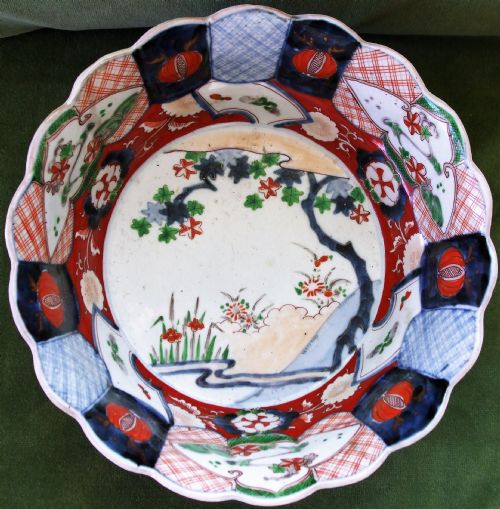
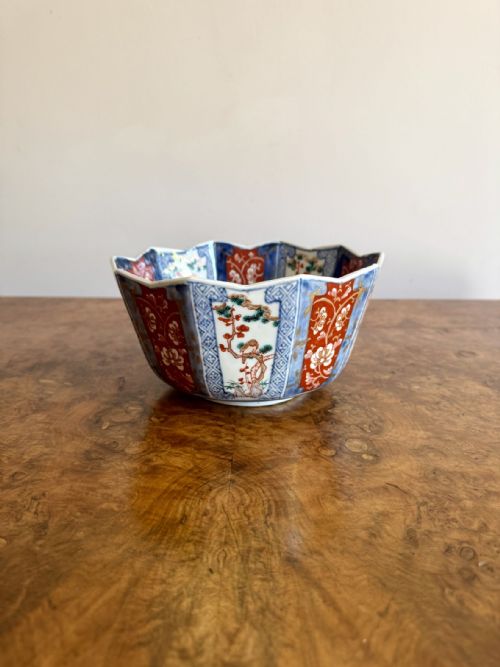
The forms range from large scallop-edge bowls and hexagonal shapes to oval jardinieres and shaving bowls. These vessels primarily reflect Asian export traditions intended for Western interiors, merging traditional forms with robust ceramic bodies.
Materials and production
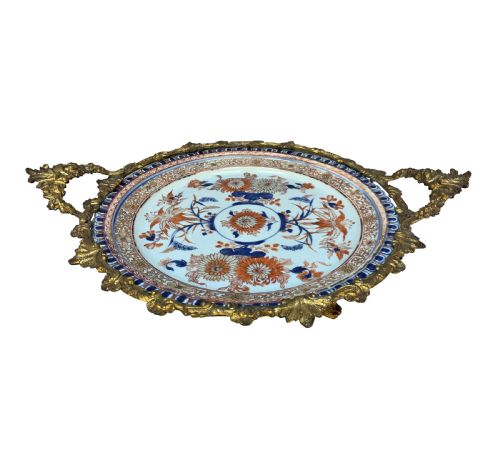
The foundation of every piece is hard-paste porcelain, painted by hand with cobalt blue underglaze and iron red enamel pigments. Certain examples incorporate gilt bronze or ormolu mounts to enhance the presentation of the ceramic bowl.
Makers utilised high-temperature kilns to set the core cobalt blue before applying enamel colours and sometimes gold leaf details. This layered technique produced the characteristic palette seen across Japanese Imari and Chinese export production.
Current listings feature porcelain basins from the eighteenth and nineteenth centuries, including works from the Kangxi and Meiji periods.
Assessing quality
Quality rests upon the precision of the hand-painted detailing and the crispness of the cobalt blue and iron red pigments. Superior pieces display confident brushwork and balanced compositions across complex forms like scallop edges and hexagonal bodies.
The presence of period metalwork, such as ormolu mounts, elevates the status of a piece, demonstrating how successfully the ceramic integrates with decorative bronze. Condition of the enamel and glaze surface remains paramount to the overall standard of the vessel.
The Blue Red Porcelain Basin Glossary
- Imari
- A style of Japanese porcelain originating from Arita, typically featuring a distinctive palette of cobalt blue, iron red, and gilt. It became immensely popular throughout European export markets during the eighteenth and nineteenth centuries.
- Jardiniere
- An ornamental pot or basin designed to hold plants or flowers. In antique ceramic forms, these often feature robust handles or tripod supports.
- Ormolu
- Gilded bronze used for decorative mounts on furniture and ceramics. It adds architectural structure and opulence to porcelain bowls and basins.
- Kangxi
- A period of the Qing dynasty spanning from sixteen sixty-two to seventeen twenty-two. Porcelain from this era is celebrated for its technical mastery and vibrant glaze quality.
Blue Red Porcelain Basin: Frequently Asked Questions
How do I clean an antique porcelain basin?
Clean porcelain basins gently using lukewarm water and a soft cloth, avoiding abrasive chemicals that might damage the enamel or gilt.
Dry the surface thoroughly with a lint-free towel to protect both the ceramic body and any historic metal mounts.
Can I use these basins for plants?
While jardinieres were originally constructed to hold plants, historic porcelain pieces require careful handling to prevent moisture damage.
Consider placing a modern liner inside the basin rather than planting directly into the antique ceramic.
What is the difference between Imari and Chinese export?
Imari porcelain typically originates from Japan, specifically the Arita region, showcasing a distinct palette of blue, red, and gold.
Chinese export porcelain of a similar palette often reflects Kangxi or general Qing dynasty production styles intended for foreign markets.
How do I identify a Meiji period piece?
Meiji period items date from eighteen sixty-eight to nineteen twelve, aligning with the reign of the Japanese emperor.
Pieces from this era often exhibit confident hand-painted decoration on forms such as shallow bowls and oval jardinieres.