
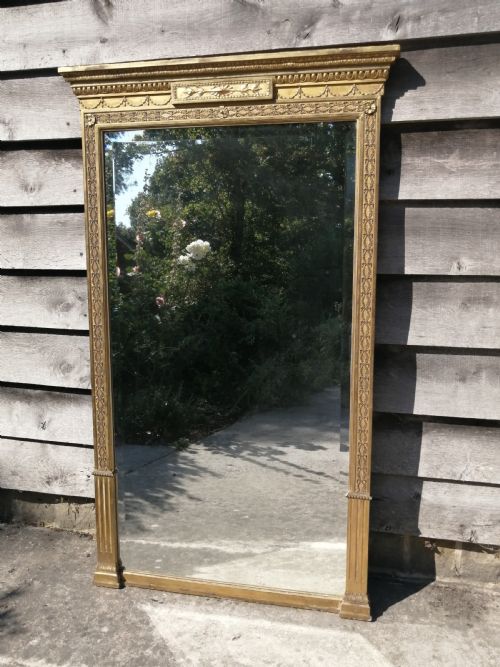
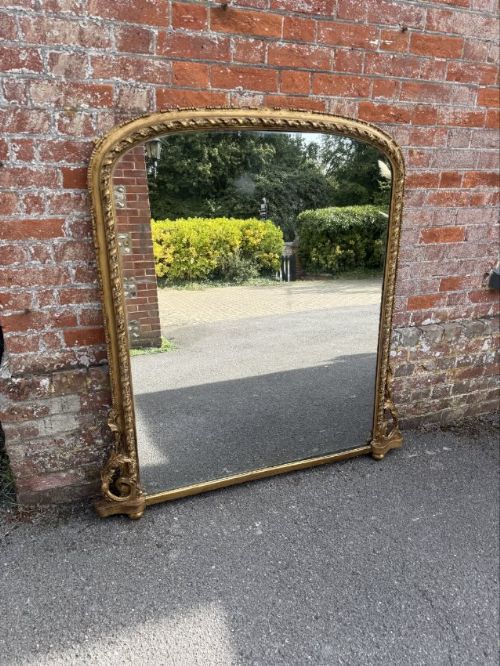
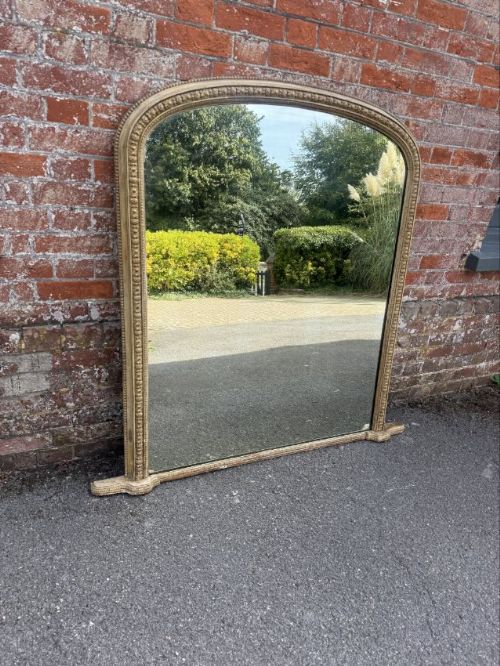
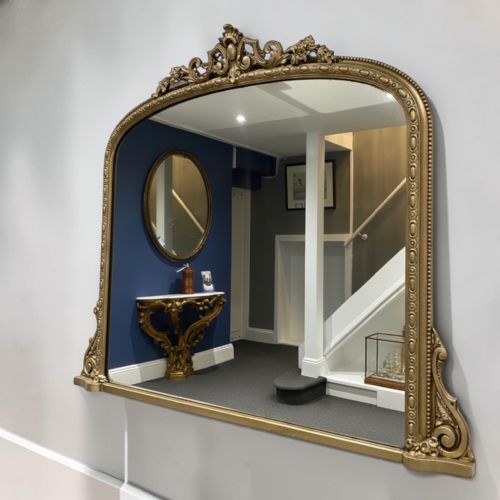
Gilt Overmantel Chimney Glass
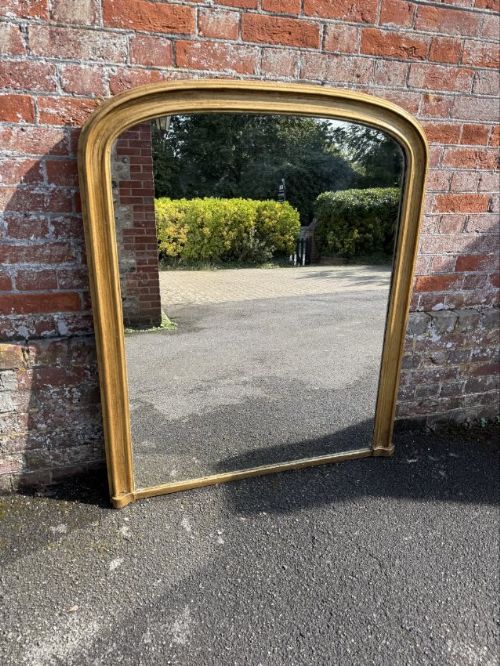
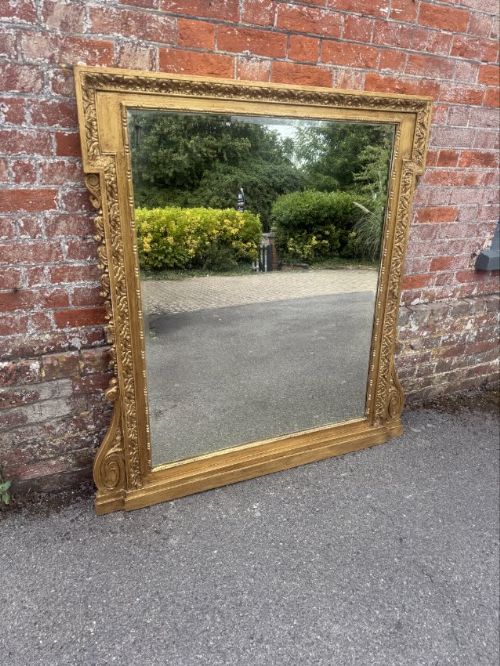
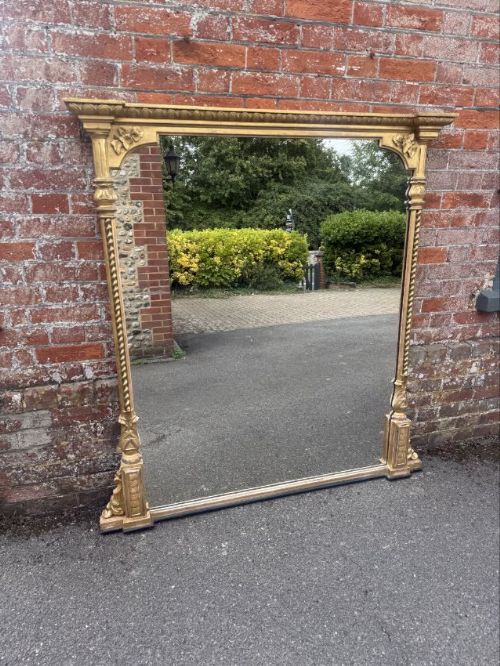
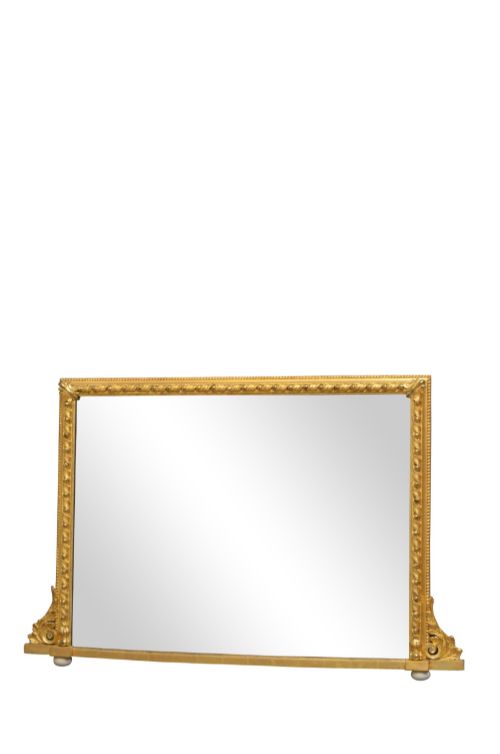
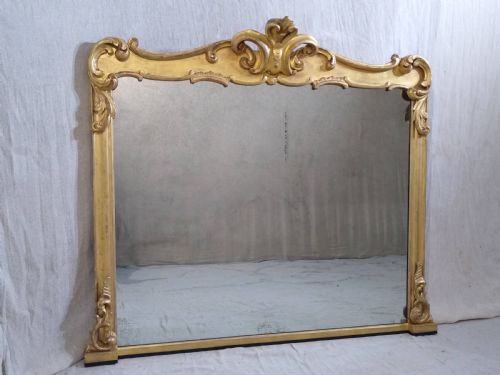
A gilt overmantel chimney glass sits low above a fireplace, reflecting light and widening a room through its grand scale and gilded frame.
Gilt Overmantel Chimney Glass
A gilt overmantel chimney glass is a large mirror designed specifically to hang on the wall directly above a mantelpiece or fireplace opening. These grand looking glasses anchor formal reception rooms by reflecting natural daylight and echoing the architecture of the hearth below.
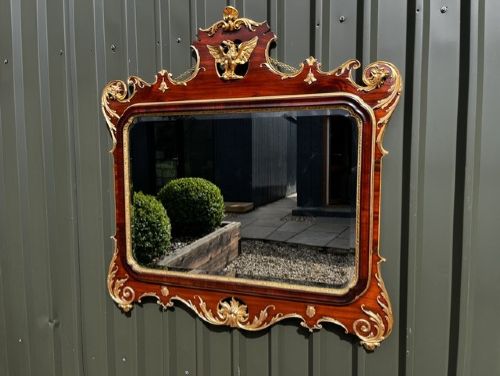
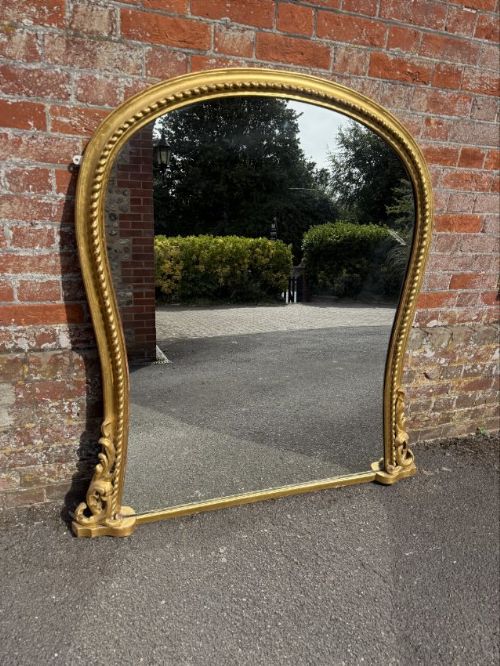
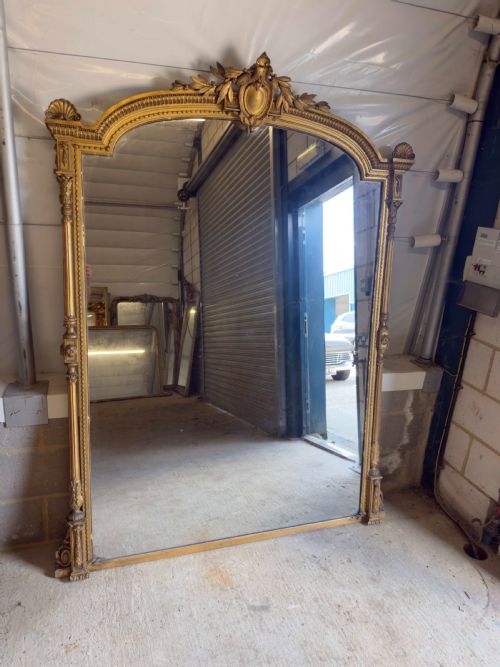
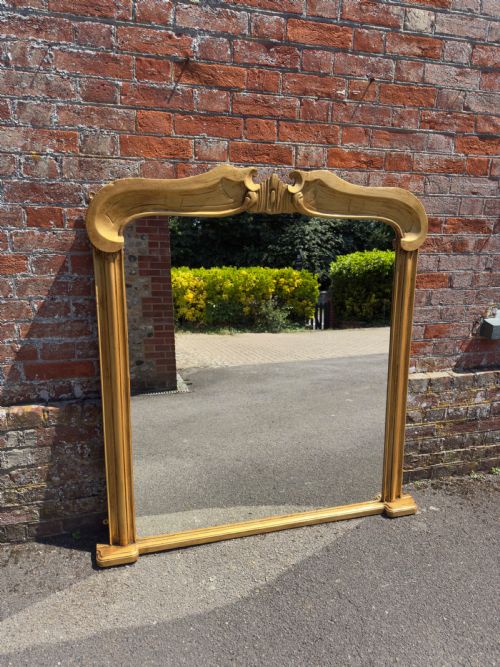
The pieces appearing on this page span from the Georgian and Regency periods through the Victorian and Edwardian eras, displaying styles ranging from robust Neoclassical to ornate Rococo. Victorian examples frequently feature arched tops, carved wood and gesso ornamentation, and distinct rope twist or ribbed frames.
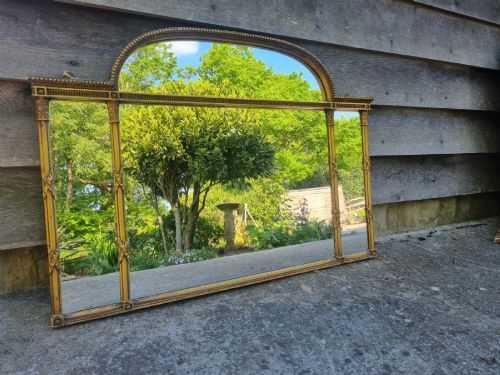
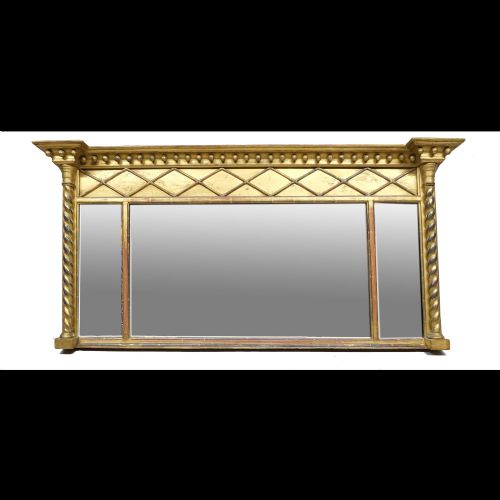
Buyers meet varied formats including multi-plate compartments, break-arch profiles, and parcel-gilt mahogany structures alongside bright, heavily gilded frames. Many retain their original mirror plates, which often show signs of natural ageing such as foxing.
Materials and Construction
Makers built the foundational framework of these large mirrors using sturdy timber such as pine, mahogany, or carved wood, providing a stable core for the heavy glass plates. Wooden joinery and bracing sustained the substantial weight required for grand wall placement above hearths.
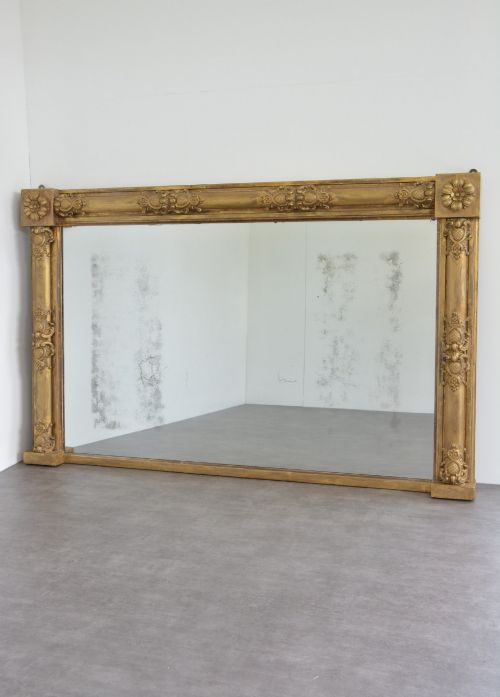
Designers applied layers of gesso - a mixture of chalk and binder - over the wooden base to build up intricate relief mouldings, rope twists, and neoclassical decorations before applying gold leaf or liquid gilding. Composition ornament moulded from resin and putty was also pressed onto frames to create rapid, highly detailed floral and architectural motifs.
Reflective surfaces utilised silvered or mercury-backed mirror glass, sometimes cut into triple plates or compartmentalised sections separated by moulded wooden muntins or gilt margins.
Listings on this page encompass 19th Century, Regency, and Georgian periods, utilising materials such as gesso, giltwood, and original mirror glass.
Distinctions in Quality
The calibre of a gilt overmantel chimney glass depends largely on the depth and crispness of the hand-carved woodwork versus moulded composition details. Sharp undercutting in floral swags and crisp leaf motifs indicate superior artisan skill during the construction phase.
The integrity of the original gilding and the preservation state of the mirror plate determine visual richness. Finer examples maintain an even layer of gold leaf with natural patination, whilst the retention of original silvered glass with soft foxing adds authentic period character without obscuring reflection.
Structural proportions and architectural harmony separate standard production mirrors from exceptional commissions. Well-balanced pediments, robust original backing boards, and substantial scale elevate a piece for domestic or country house interiors.
The Gilt Overmantel Chimney Glass Glossary
- Gesso
- A plaster-like mixture applied to wood frames to create a smooth surface for gilding or to carve detailed decorative relief. It allows intricate mouldings to adhere firmly to the timber base.
- Overmantel
- A large decorative mirror or painting designed specifically to hang on the wall above a fireplace mantel. Its horizontal or arched proportions match the width of the hearth below.
- Foxing
- The speckled brown spots and age-related degradation appearing within the silvered backing of antique mirror glass. This natural oxidation process confirms the age of the original glass plate.
- Giltwood
- Timber that has been coated with thin leaves of gold or gold-coloured metal leaf. It provides a luminous, reflective finish that catches candlelight and daylight.
- Trumeau
- A large wall mirror or panel featuring a combination of a reflective glass plate and decorative artwork or carving above it. These architectural pieces often integrate directly into wall panelling.
Gilt Overmantel Chimney Glass: Frequently Asked Questions
Where should I hang a gilt overmantel chimney glass?
These mirrors are traditionally positioned on the chimney breast directly above a fireplace mantelpiece. Their wide horizontal proportions balance the architectural weight of the hearth and draw the eye upward.
Outside of the fireplace, they function effectively above large sideboards or low console tables in spacious reception rooms. Secure wall fixings are essential due to the substantial weight of the timber and glass.
How do I identify a Regency overmantel mirror?
Regency mirrors frequently exhibit classical architectural elements such as reeded columns, ball-stud frames, and tripartite glass plates divided into separate sections. The influence leans towards strict symmetry and restrained neoclassical motifs.
Proportions tend to be grand and linear, reflecting the interior design aesthetics of the early nineteenth century. Mahogany and gilded surfaces dominate this distinct period of production.
What is foxed glass?
Foxed glass refers to the natural degradation of the silver or mercury backing behind the mirror plate, resulting in dark spots or cloudy patches. This occurs over decades as air and moisture interact slowly with the reflective materials.
Rather than a defect, many collectors value foxed glass because it authenticates the original age of the piece and offers a soft, non-uniform reflection.
How do I clean an antique gilded frame?
Gilded frames require gentle maintenance using a very soft, dry brush to remove surface dust from intricate gesso carvings. Moisture and chemical cleaning agents can strip or permanently damage fragile gold leaf and composition ornament.
Professional restoration is recommended if the gilding is actively flaking or if the wooden structure requires stabilisation.