




Classic Gold Overmantel Mirror
A classic gold overmantel mirror anchors a chimney breast with scale, reflecting light and space through decades of decorative history.
Classic Gold Overmantel Mirror
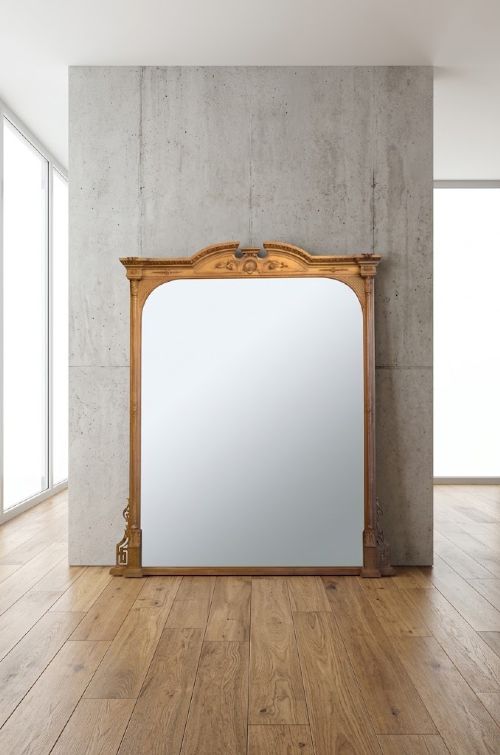
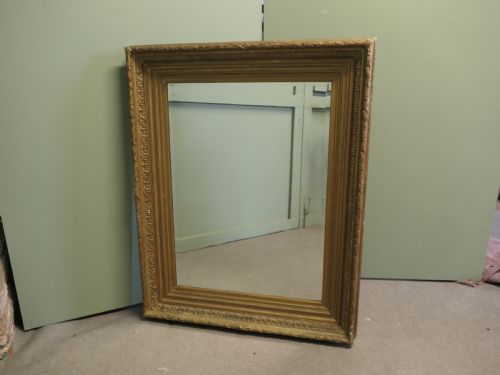
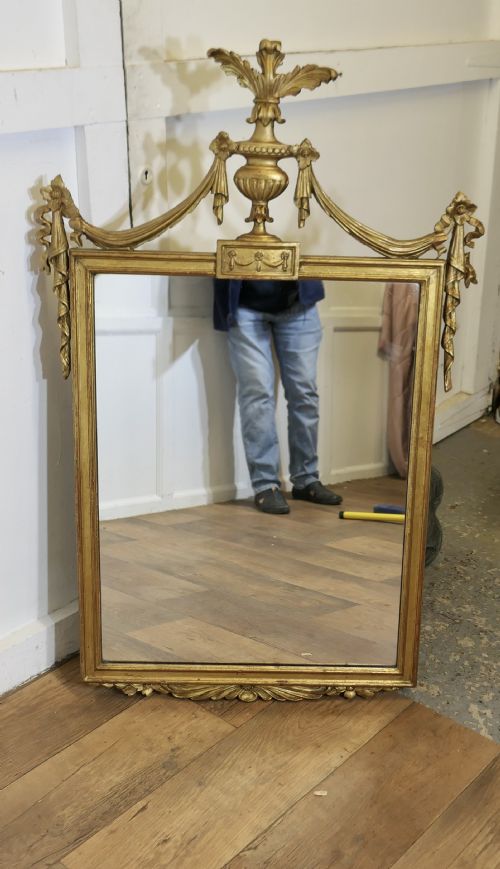
A classic gold overmantel mirror is a grand rectangular or arch-topped glass designed specifically to sit above a fireplace mantelpiece. The pieces gathered here span from the Georgian era through the Victorian period, including Regency, Edwardian, and French regional styles.
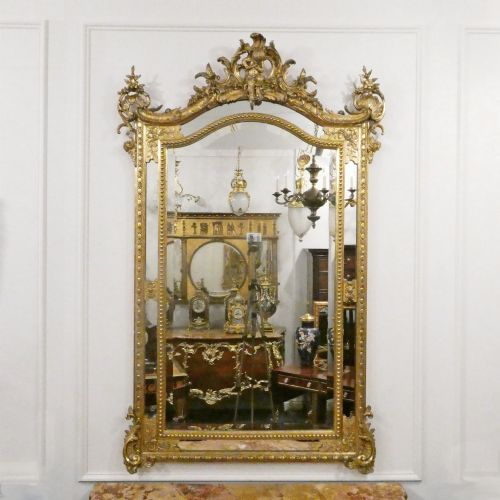
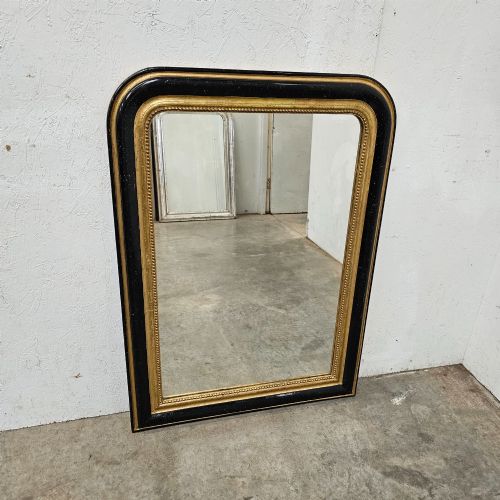
The most common form encountered is the large English Victorian gilt overmantel mirror, often built with substantial proportions to dominate a principal reception room. Alongside these sit French examples in the Louis Philippe and Napoleon III styles, bringing distinct continental moulding and simpler sight lines.
Makers shaped these frames to catch the natural light of high-ceilinged rooms, utilising long horizontal proportions that match the width of period hearths. Wall mirrors and pier glasses also appear among the selection, sharing the same gilded vocabulary and period construction.
How they were made
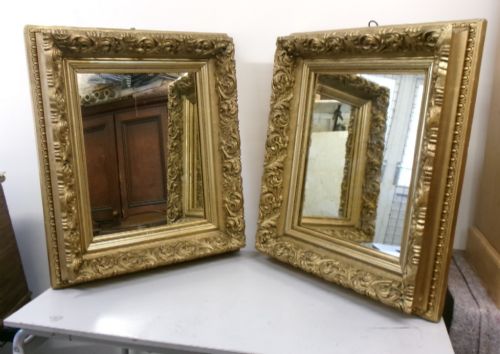
Carved wood and gesso provide the structural foundation for these gilded surfaces, allowing artisans to build up crisp relief ornament. Composition material is frequently pressed into moulds to create repetitive running leaf motifs and floral corners along the frame.
Giltwood and parcel gilt finishes are applied over a prepared ground, giving the frames their characteristic metallic sheen. Heavy pine often forms the underlying timber carcase, supporting the substantial weight of the mirrored glass plate.
Styles represented across the inventory include Regency, Edwardian, Georgian, and various French regional revivals.
What varies in quality
The distinction between ordinary and exceptional frames lies in the depth of the carving and the crispness of the moulded ornament. Pieces described as fine quality show hand-carving in the wooden elements rather than relying entirely on moulded composition.
Proportion and scale dictate the visual success of the piece, with better examples maintaining structural balance across large expanses of glass. The quality of the original gilding and the integrity of the underlying gesso layers determine the long-term character of the surface.
The Classic Gold Overmantel Mirror Glossary
- Overmantel mirror
- A large wall glass specifically proportioned to hang on the wall above a fireplace mantel. These pieces usually feature a wide horizontal format.
- Gesso
- A plaster-like mixture applied to wooden frame carcases to provide a smooth surface for gilding. Artisans carved and moulded this material to create decorative relief ornament.
- Giltwood
- Timber that has been covered with gold leaf or metallic powder. It forms the primary visual finish across the majority of these period frames.
- Pier glass
- A tall mirror designed to hang on the narrow wall space between windows. They share many construction techniques with overmantel mirrors.
- Louis Philippe
- A mid-nineteenth-century French style characterised by restrained classical lines and gently rounded upper corners. These frames often have simpler mouldings than earlier baroque revivals.
Classic Gold Overmantel Mirror: Frequently Asked Questions
How do I hang a heavy overmantel mirror?
These frames carry significant weight due to their wooden carcases and thick glass plates, requiring secure fixings into solid masonry walls rather than plasterboard alone. Professional installers use heavy-duty mirror plates screwed directly into structural wall studs or brickwork.
Positioning the base just above the mantel shelf allows the weight to be partially supported while wall brackets take the primary load. Ensuring the hanging wire or strap is properly rated for the specific weight prevents accidental shifting over time.
How do I clean antique gilt frames?
Gilded surfaces require gentle maintenance to preserve the fragile metallic leaf and underlying gesso ornament. Dusting with a soft, dry brush removes surface particles without disturbing the finish.
Moisture and modern chemical cleaning sprays should be kept entirely away from antique gilding, as liquids dissolve the traditional water-gilding size. Glass cleaner must be applied directly to a cloth rather than the glass to prevent runoff into the antique wooden joints.
How do I tell Georgian from Victorian mirrors?
Georgian mirrors from the mid-eighteenth century typically exhibit lighter architectural proportions and architectural details like broken-pediment crests. Carved wooden enrichment tends to be sharper and executed in native timbers before heavy composition moulding became widespread.
Victorian examples are generally larger, heavier, and frequently incorporate machine-pressed composition ornament over pine carcases. The gilding on nineteenth-century pieces often shows a deeper reddish bole beneath the gold leaf compared to earlier work.