







Gilt Oriental Display Plate
These gilt oriental display plate pieces bring rich hand-painted palettes and gold detailing to a room, offering a striking focal point for any wall or cabinet.
Gilt Oriental Display Plate
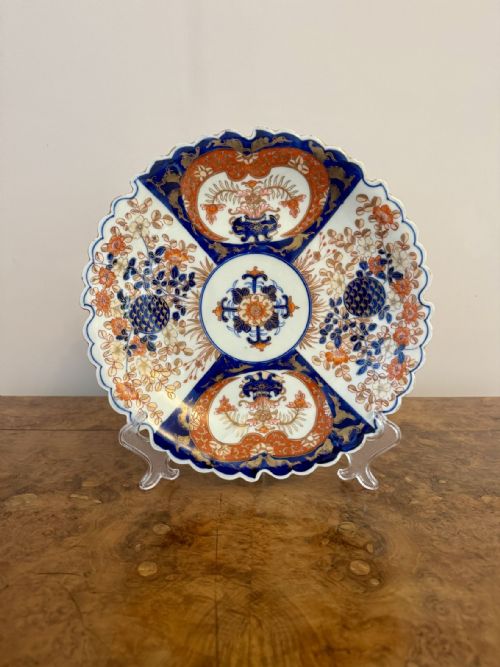
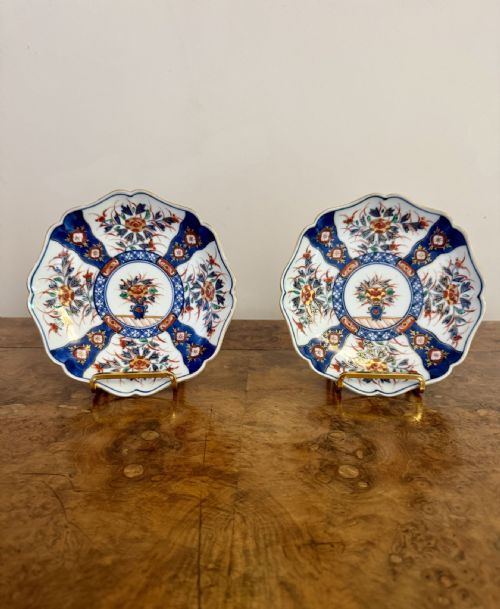
A gilt oriental display plate is a decorative ceramic piece designed primarily for visual appreciation rather than daily dining use. When searching for this phrase, buyers encounter substantial chargers, shallow bowls, and decorative plates originating from Japanese and Chinese kilns.
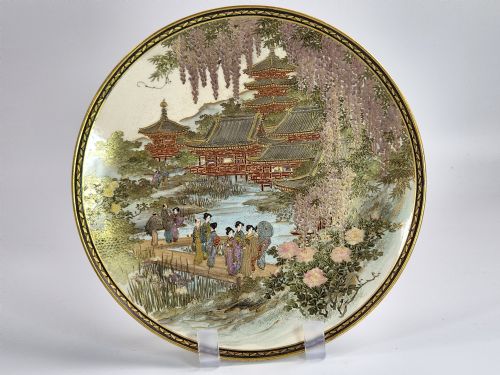
The pieces on this page are predominantly Japanese Imari wares from the Meiji period and the years around nineteen hundred, alongside Chinese export ceramics and Satsuma production. Collectors often find larger chargers spanning significant diameters, featuring scalloped edges and intricate multi-figure scenes.
Originating from 19th Century traditions up through the early twentieth century, these plates showcase traditional export styles intended for Western and domestic drawing rooms. They bridge decorative arts and functional forms, retaining their bold visual presence over a century later.
Materials and production techniques
Potters shaped these objects from porcelain, earthenware, and standard ceramic bodies before applying cobalt underglaze pigments. The resulting blue underpainting provided the foundation for subsequent enamelling and metallic application.
Artisans layered vibrant enamel colours alongside gold leaf or gold gilt to create the characteristic metallic sheen visible across the surface. Hand-painting techniques ensured that each charger and plate maintained individual brushwork and distinct pictorial depth.
Gilt Oriental Display Plate Retail Price Guide 2026
Typical asking prices for gilt oriental display plate among the pieces listed under this phrase on Sellingantiques today, from the lower quarter to the upper quarter. They describe what is for sale here now, not the wider market.
Decorative styles represented include Japanese Imari, Chinese Export, Satsuma, and Kutani, alongside specific forms such as wall chargers and shallow bowls.
Assessing quality in decorative plates
The refinement of the hand-painted brushwork distinguishes superior examples from standard production. Artisans who executed complex multi-figure compositions and precise cobalt underglaze detailing achieved a higher level of artistic accomplishment.
The application and preservation of the gold leaf or gilt contribute significantly to the visual impact of the object. Richness of enamel colours and the crispness of scalloped edges or moulded forms further define the distinction between ordinary and exceptional plates.
The Gilt Oriental Display Plate Glossary
- Imari
- A traditional style of Japanese export porcelain originating from the town of Arita, typically characterised by a palette of cobalt blue, iron red, and gilt highlights. This aesthetic proved immensely popular across European markets during the nineteenth century.
- Meiji Period
- The era in Japanese history spanning from 1868 to 1912, marked by the opening of trade with Western nations and a surge in the production of high-quality decorative arts for export. Pieces from this period often display meticulous hand-painted detail.
- Charger
- A large decorative plate or platter traditionally utilised for ceremonial display or service rather than individual dining. These substantial objects frequently command the visual centre of a wall arrangement or cabinet.
- Cobalt Underglaze
- A blue pigment applied directly to the raw ceramic body before glazing and firing, ensuring the colour remains impervious to wear. It forms the structural blue outlines seen in many traditional Asian export plates.
- Satsuma
- A type of Japanese earthenware characterised by a crackle-glaze ivory body decorated with elaborate polychrome enamels and extensive gilt. These pieces frequently depict historical figures, landscapes, and floral motifs.
Gilt Oriental Display Plate: Frequently Asked Questions
How do I hang a heavy charger?
Large decorative chargers require specialised spring-loaded brass wall hangers designed to distribute weight evenly around the rim without causing stress to the ceramic body.
Ensure the mounting hardware is securely anchored into a wall stud or utilises appropriate wall anchors to support the substantial weight of porcelain and earthenware pieces safely.
Can I use these plates for food?
Antique display plates are intended strictly for decorative purposes and should not be utilised for serving food or liquid. The historic enamels and gold gilt can be sensitive to modern detergents, cutlery, and acidic foods.
Exposing these antique surfaces to daily dining use risks damaging the hand-painted glazes and metallic highlights that define their historical and aesthetic value.
How do I clean my display plate?
Dust the surface gently with a soft, dry microfibre cloth or a clean, dry artist's brush to remove accumulated particles. Avoid chemical cleaners, abrasive sponges, and excessive moisture, which can harm the fragile historic enamels.
If deeper cleaning is necessary, consult a professional conservator rather than attempting wet cleaning on delicate gold leaf or gilt details.