









Cobalt Blue Japanese Platter
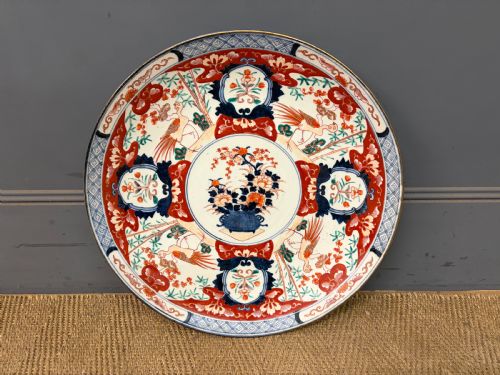
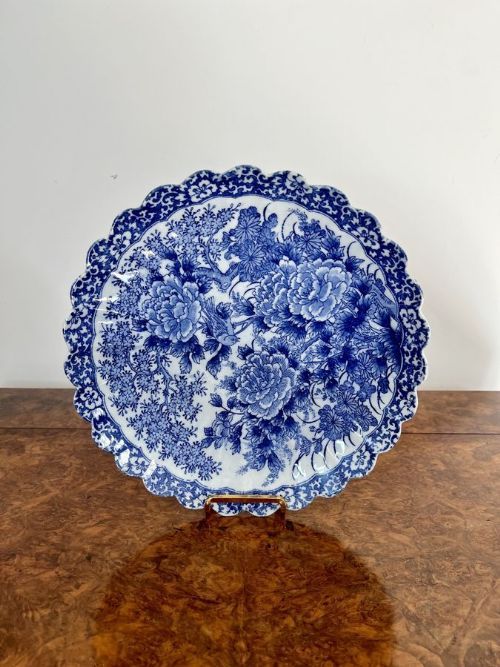
When you search for a cobalt blue japanese platter, you find large chargers and serving dishes painted in deep cobalt and iron red.
Cobalt Blue Japanese Platter
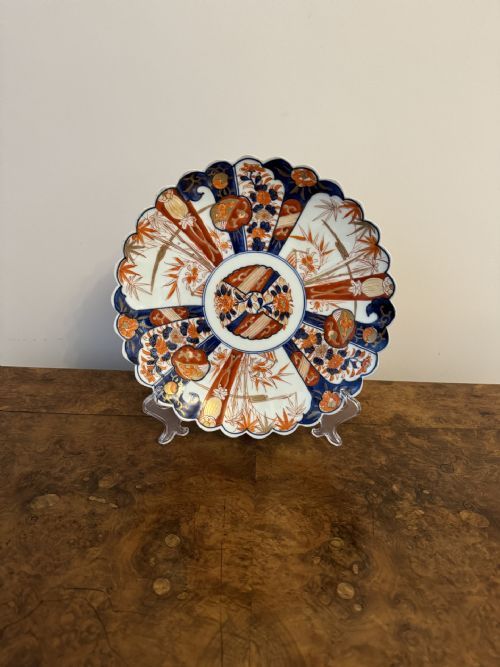
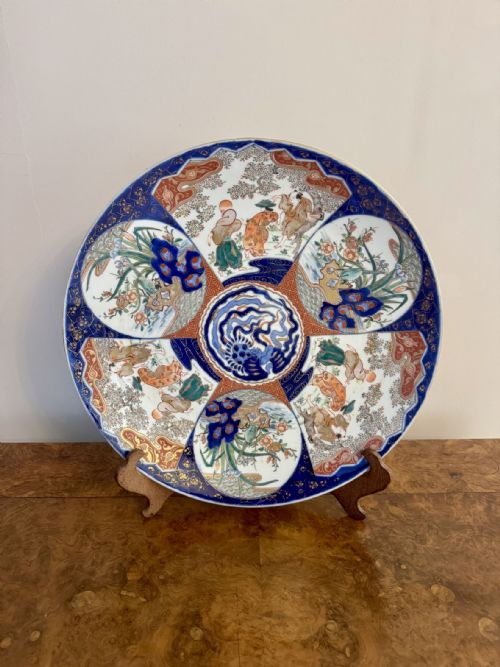
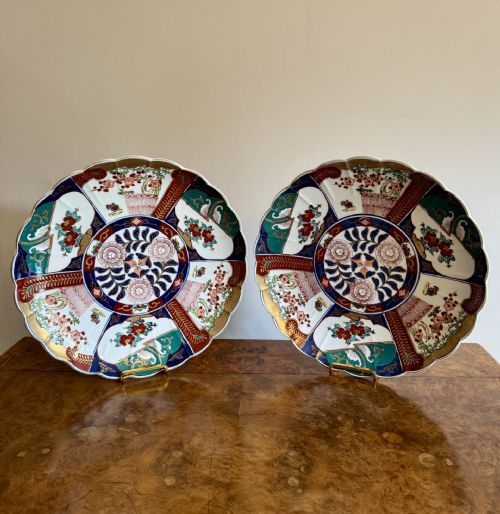
A cobalt blue japanese platter typically takes the form of a large charger, decorative plate, or serving dish intended for display or ceremonial use. These pieces often originate from the Meiji and Edo periods, alongside later interpretations produced in nineteenth and early twentieth century Britain.
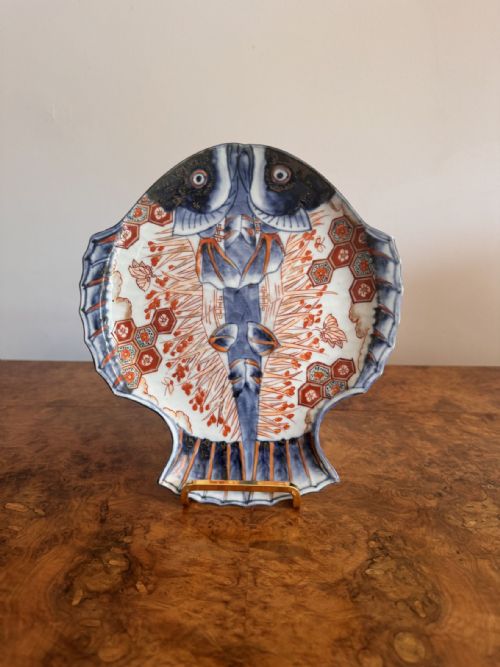
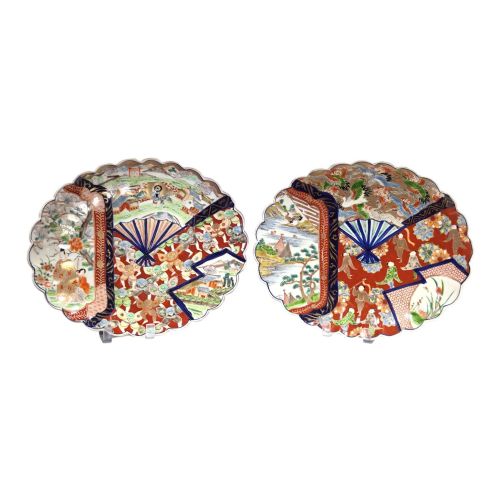
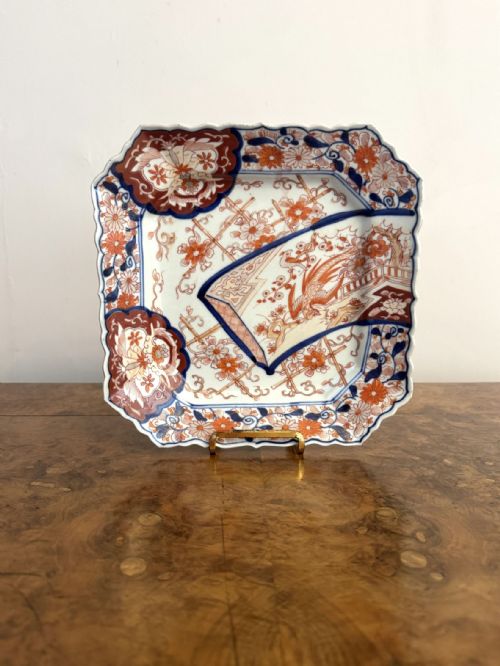
The dominant aesthetic follows the Imari tradition, merging rich cobalt underglaze with iron red and gilt highlights. Formats vary widely from traditional round chargers to scalloped edges, square plates, fish shapes, and fan designs.
How they were made
Potters shaped porcelain and ceramic bodies by hand or wheel before applying cobalt underglaze pigment directly to the raw clay. After an initial firing, artisans added enamel colours and gold leaf details, returning the vessel to the kiln for a final low temperature fix.
British makers such as Royal Crown Derby adapted these techniques during the Edwardian and later periods, employing porcelain bodies and intricate hand painted patterns like the Witches Imari.
Cobalt Blue Japanese Platter Retail Price Guide 2026
Typical asking prices for cobalt blue japanese platter among the pieces listed under this phrase on Sellingantiques today, from the lower quarter to the upper quarter. They describe what is for sale here now, not the wider market.
Some nineteenth century artisans pushed technical boundaries by moulding heavy porcelain chargers into the unexpected shape of a swimming fish.
What varies in quality
Quality rests in the crispness of the cobalt underglaze transfer or brushwork and the precision of the hand applied enamel and gilt details. Pieces showing meticulous hand painting, particularly those depicting complex figural scenes such as the Seven Lucky Gods, stand apart from simpler commercial output.
Structural variations also define the tier of a piece, from standard circular chargers to unusual moulded forms like fish, squares, and fans that demand greater skill from the potter.
Royal Crown Derby
The Cobalt Blue Japanese Platter Glossary
- Imari
- A style of Japanese porcelain decorated in underglaze blue, iron red, and gold. It originated in the town of Arita and became widely exported to Europe.
- Charger
- A large decorative plate or platter used primarily for display on walls or tables rather than for serving food. These pieces measure significantly larger than standard dining plates.
- Meiji Period
- A historical era in Japan spanning from 1868 to 1912, characterised by the opening of trade with the West and a massive increase in porcelain exports.
- Edo Period
- The period in Japanese history lasting from 1603 to 1867, during which traditional ceramic arts flourished under the shogunate.
- Cobalt Underglaze
- A blue pigment applied to ceramic ware before glazing and firing, capable of withstanding extremely high kiln temperatures without fading.
Cobalt Blue Japanese Platter: Frequently Asked Questions
How do I date a Japanese charger?
Dating relies on examining the porcelain body, the depth of the cobalt blue underglaze, and the style of the hand painted enamel decoration. Edo period pieces display different potting techniques compared to later Meiji or twentieth century works.
Characteristics such as foot ring finish and glaze pooling also provide clues to the era of production.
Were these platters used for food?
Most large chargers and serving dishes of this scale were designed for ceremonial presentation or decorative display rather than daily dining. Their substantial size and delicate enamel or gilt work made them unsuited for heavy practical use.
Over time, owners typically hung them on walls or placed them on sideboards to showcase the cobalt and red patterns.
What does Arita mean on a listing?
Arita is the Japanese town and surrounding region where the production of porcelain first began. Ware described as Arita Imari originates from this historic manufacturing hub.
Pieces bearing this attribution reflect the traditional kilns and techniques established in the Hizen province.