
Gilt Framed Portrait Print
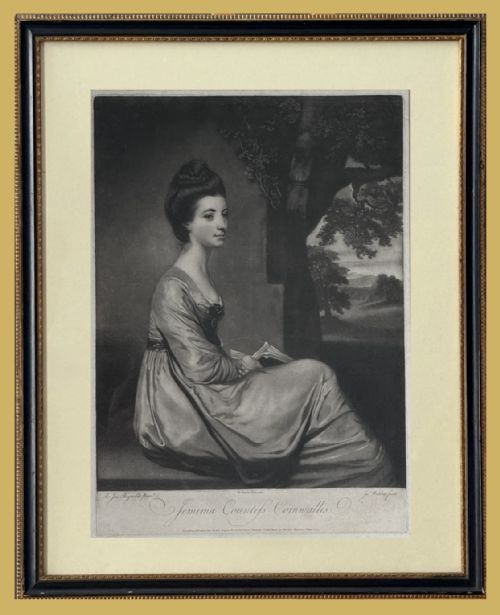
When you search for a gilt framed portrait print, you find works on paper housed in gold leaf mouldings that bring historic faces to any wall.
Gilt Framed Portrait Print
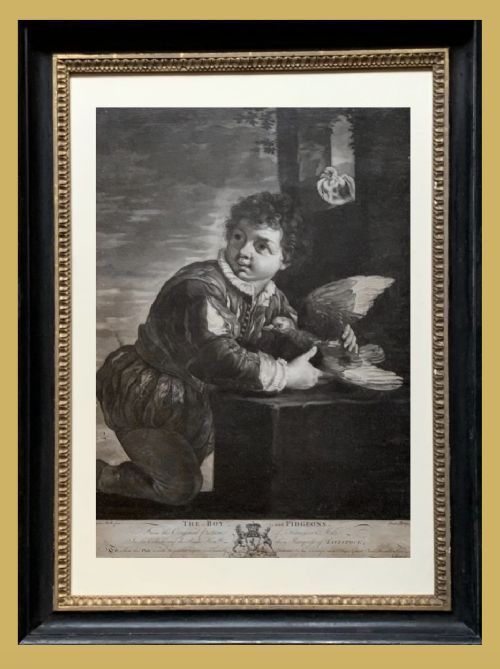
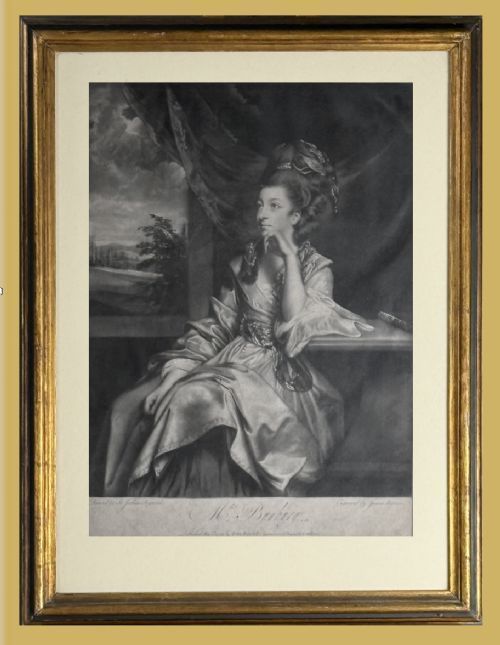
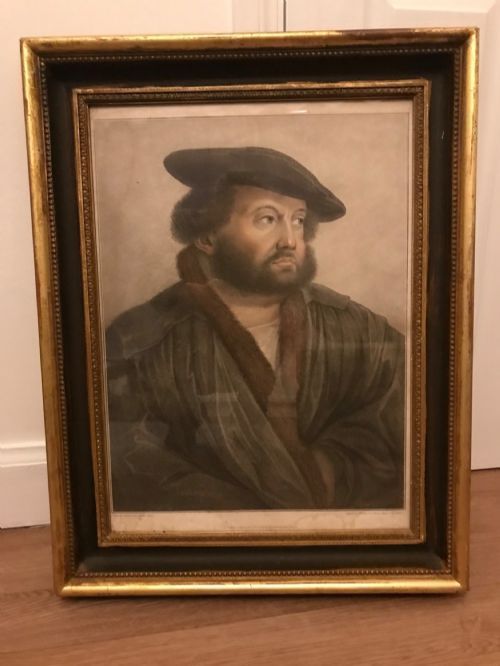
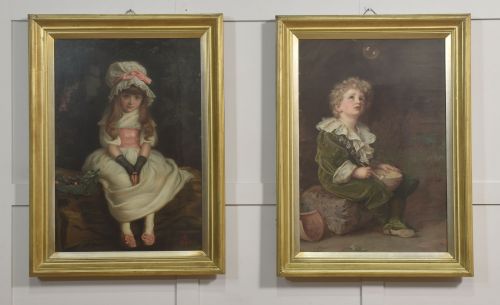
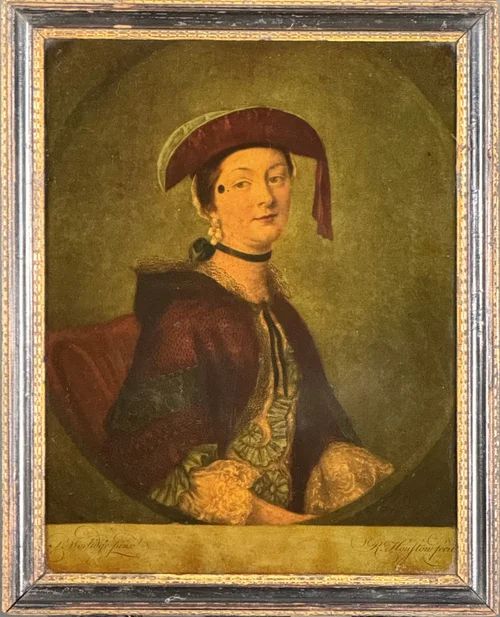
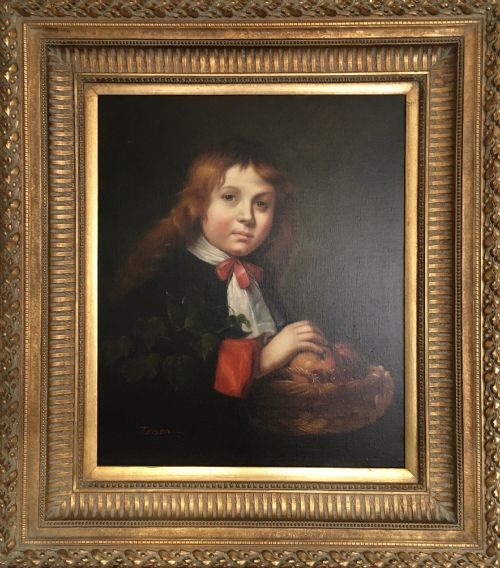
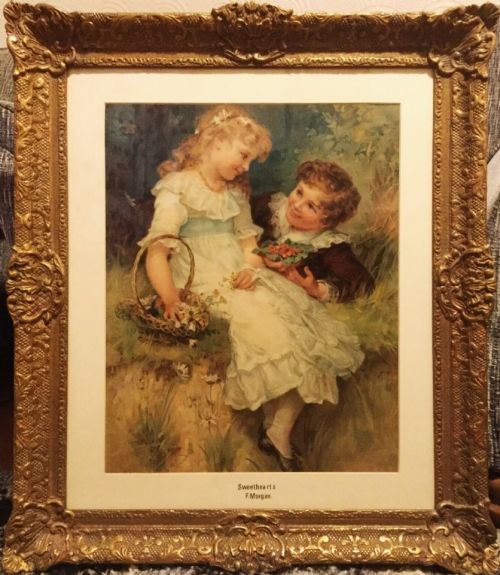
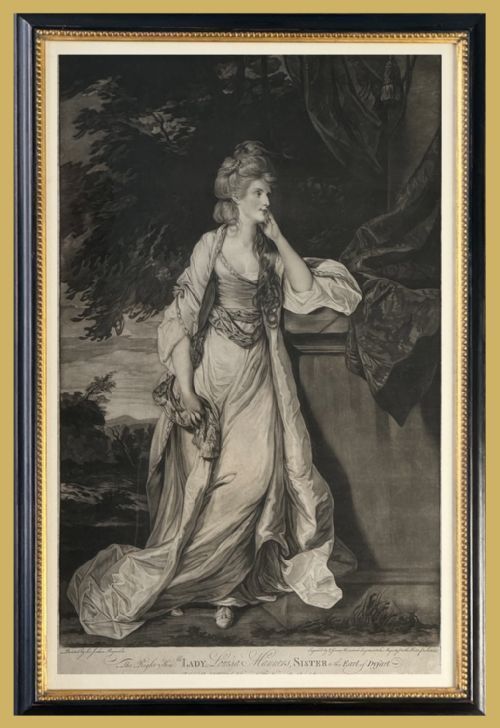
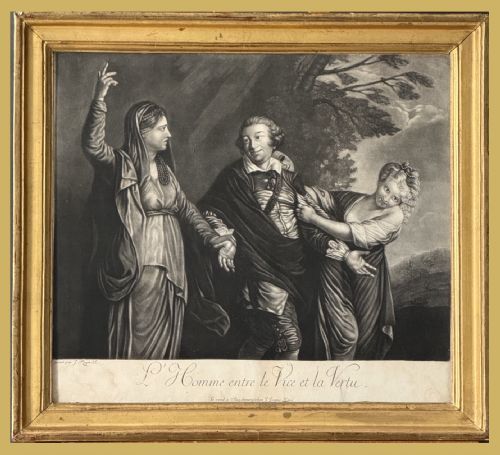
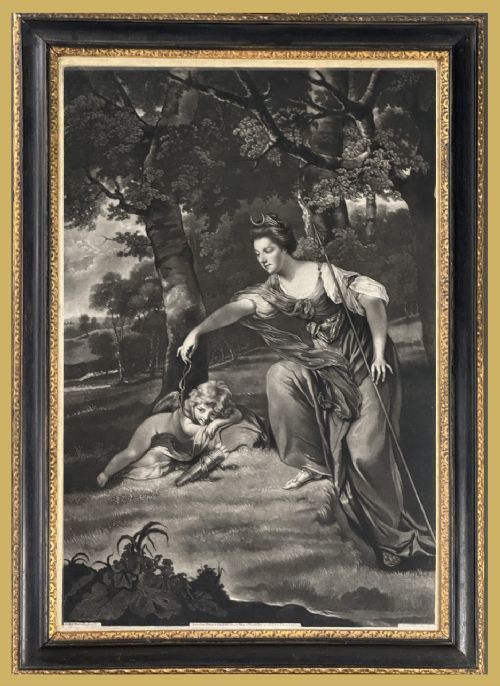
A gilt framed portrait print brings together historical paper works and decorative timber mouldings finished in gold leaf or giltwood. The pieces on this page span the eighteenth century, the nineteenth century, and later twentieth-century iterations, covering forms from mezzotints and stipple engravings to oleographs and lithographs.
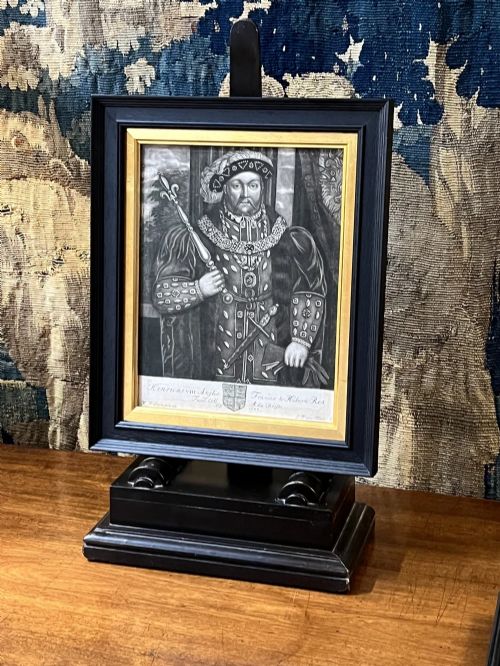
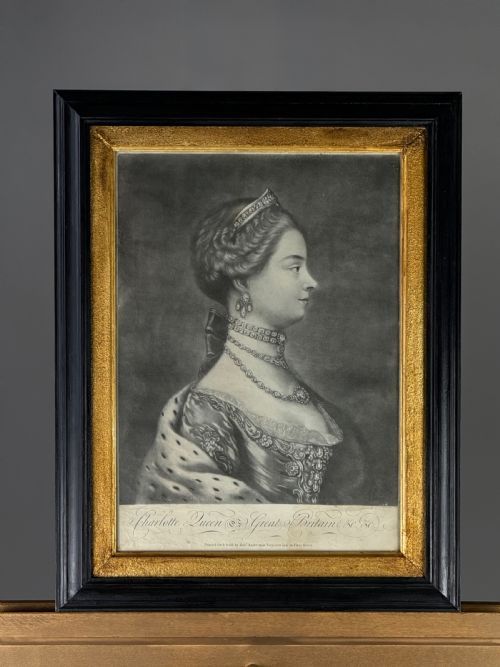
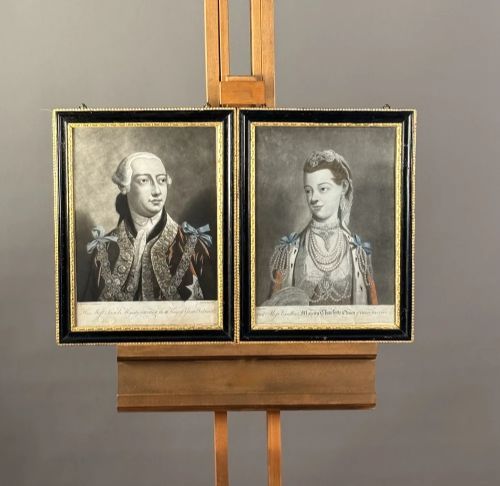
Buyers encounter subjects ranging from royal figures and nobility to children and literary characters, often reproduced after artists like Sir Joshua Reynolds or Hans Holbein. Georgian and Victorian examples sit alongside Edwardian and mid-century items, reflecting shifts in both printmaking technology and interior taste.
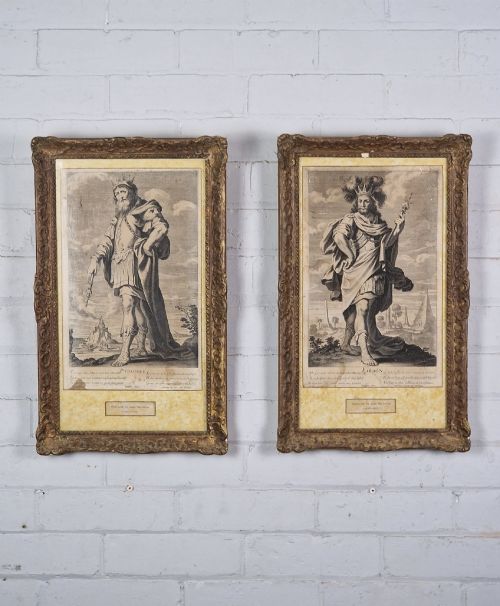
The enclosing frames vary from simple gilded borders to elaborate French Baroque and neoclassical styles. Many pieces retain glass protection over the paper, ink, or pastel surface, preserving the delicate mediums within their period surrounds.
Paper, Ink, and Giltwood
Printmakers utilised copper plates for traditional methods such as mezzotint, stipple engraving, and drypoint, applying ink to paper surfaces that were sometimes hand-coloured or reverse painted. Later examples employ oleograph and lithograph techniques on paper or canvas, capturing the tones of original oil paintings.
The surrounding frames consist of wood substrates prepared with gesso before the application of gold leaf, gilt, or giltwood finishes. These mouldings often feature applied composition ornaments in Georgian, Regency, or Victorian styles to complement the artwork.
Gilt Framed Portrait Print Retail Price Guide 2026
Typical asking prices for gilt framed portrait print among the pieces listed under this phrase on Sellingantiques today, from the lower quarter to the upper quarter. They describe what is for sale here now, not the wider market.
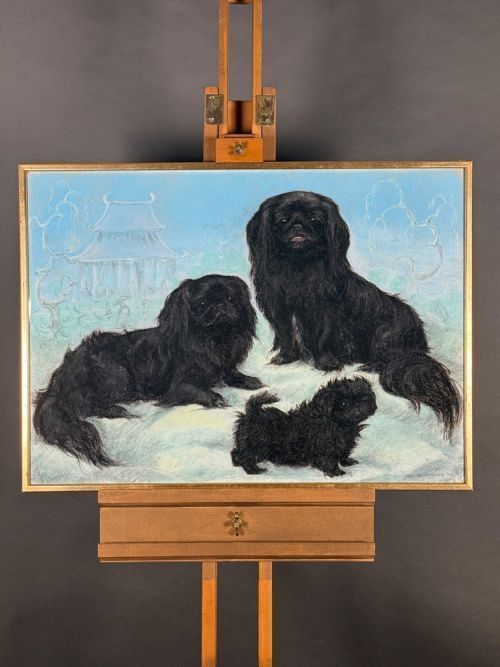
Several portraits capture domestic animals, including a study of three Pekingese dogs and a drypoint of a foal.
Impression Depth and Frame Integrity
Quality in a portrait print rests on the crispness of the ink impression and the depth of the plate mark on the paper. Early mezzotints and stipple engravings pulled from fresh plates display sharper tonal gradations than later or worn impressions.
The condition and authenticity of the gilt frame contribute heavily to the piece. Original period frames with intact gold leaf and matching corner construction elevate the overall integrity compared to later replacements.
John Boydell·James Watson·Francesco Bartolozzi·Valentine Green·John Faber·Thomas Frye·Adam Buck·Louis Icart
The Gilt Framed Portrait Print Glossary
- Mezzotint
- A printmaking process where the copper plate is roughened to produce dark tones, then scraped and burnished to create light areas. This technique allows for rich, velvety shadows particularly suited to portraiture.
- Giltwood
- Wood that has been coated with gold leaf or a gold-coloured finish. It provides the reflective metallic border characteristic of traditional frames.
- Oleograph
- A mechanical colour lithograph textured to imitate an oil painting on canvas or paper. Popular in the nineteenth and twentieth centuries, these prints brought reproductions of famous artworks into domestic interiors.
- Drypoint
- A printmaking technique where an image is scratched directly onto a metal plate with a sharp needle. This creates a raised ridge of metal called burr, which holds ink and produces a rich, velvety line.
Gilt Framed Portrait Print: Frequently Asked Questions
How do I identify a true period frame?
Examine the construction of the corners and the material beneath the gold surface, as eighteenth and nineteenth-century frames often utilise gesso over carved or moulded wood with distinct patination.
Look for shrinkage cracks in the gesso and signs of age on the reverse, which help distinguish original housings from later reproduction frames.
What is the difference between an engraving and a mezzotint?
An engraving uses lines cut directly into a metal plate with a burin to form the image, resulting in a crisp and linear definition.
A mezzotint works from dark to light by roughening the entire plate first, producing smooth tonal gradations rather than distinct lines.
Can I hang these prints in direct sunlight?
Paper, ink, and water-based colours are sensitive to ultraviolet light and will fade significantly over time if exposed to direct sun.
Position these works on interior walls away from windows to preserve the integrity of the paper and the tones of the ink.
How should I clean a gilded frame?
Dust the moulding gently with a soft, dry brush to remove surface particles without disturbing the delicate gold leaf finish.
Avoid using water, liquid cleaners, or solvents, as moisture can damage the underlying gesso and cause the gilt layer to flake off.