
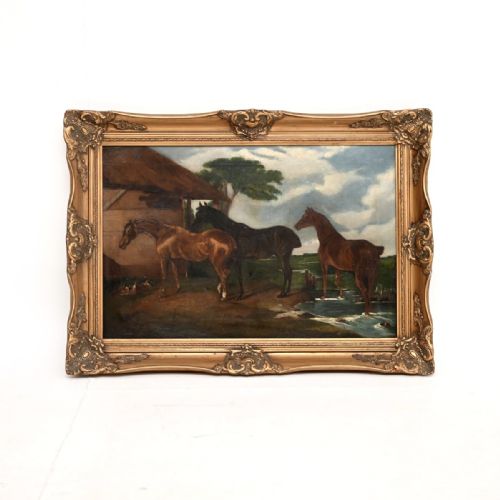


Traditional Portrait Wall Decor
Traditional portrait wall decor brings centuries of character into a room through oil paintings, framed prints, and panels.
Traditional Portrait Wall Decor
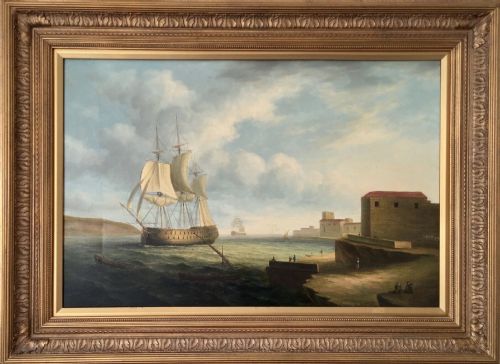
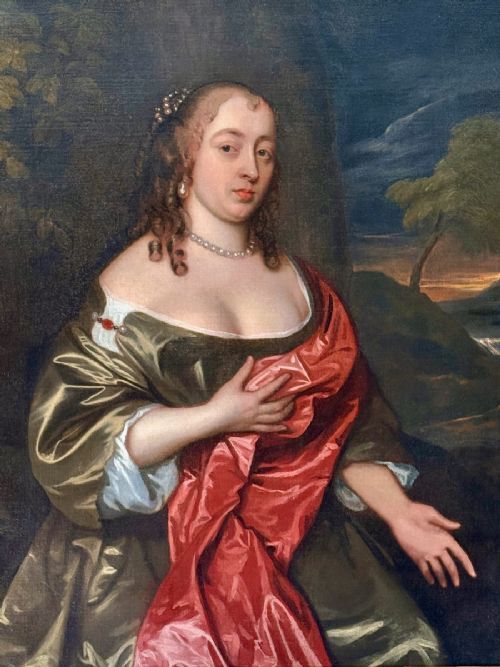
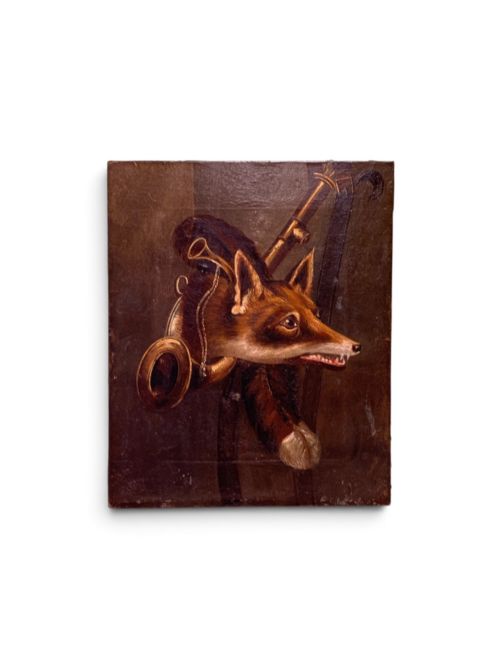
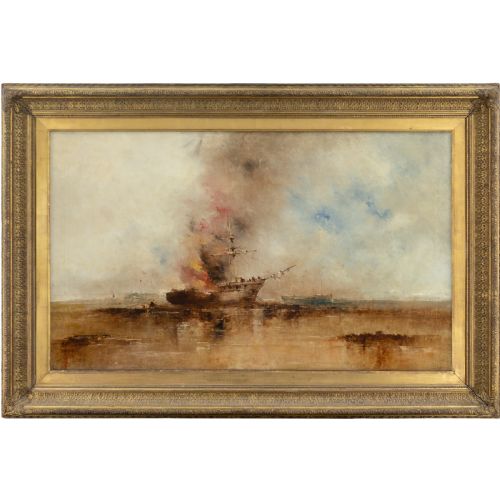
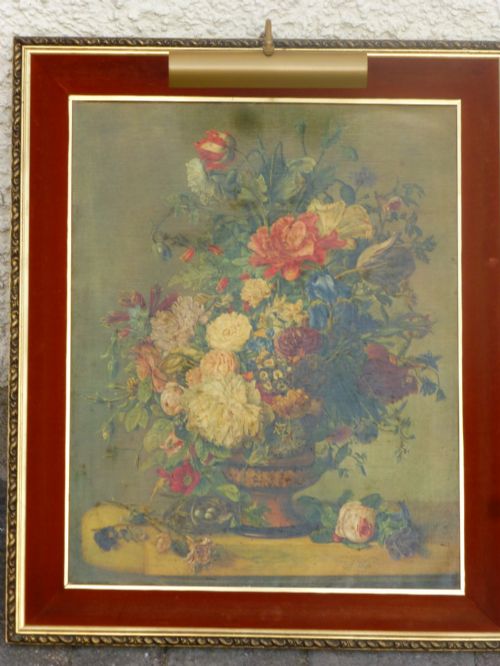
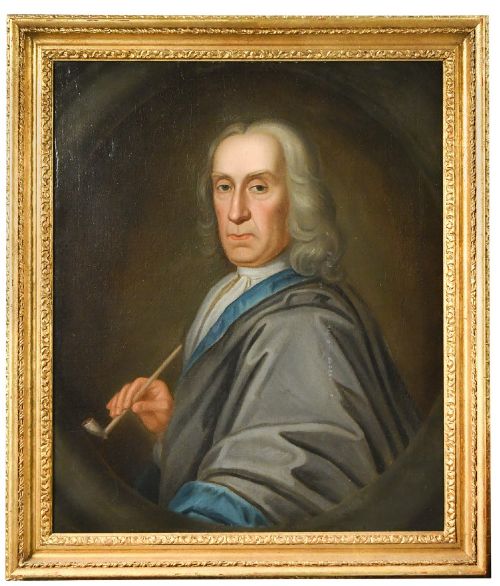
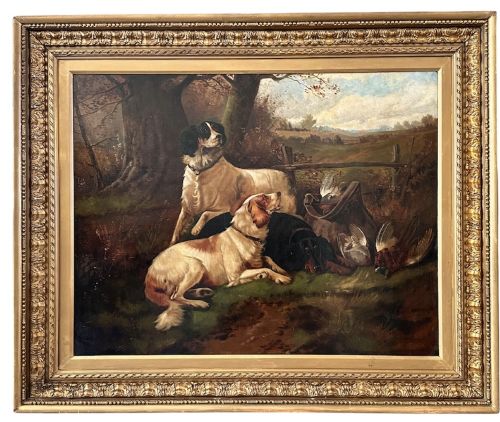
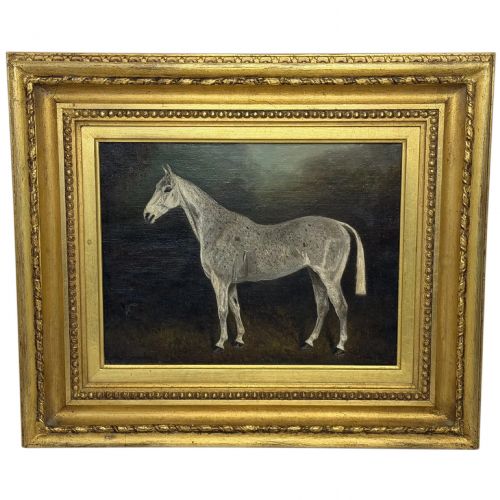
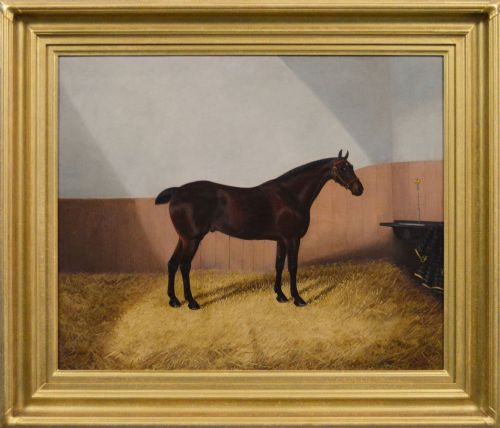
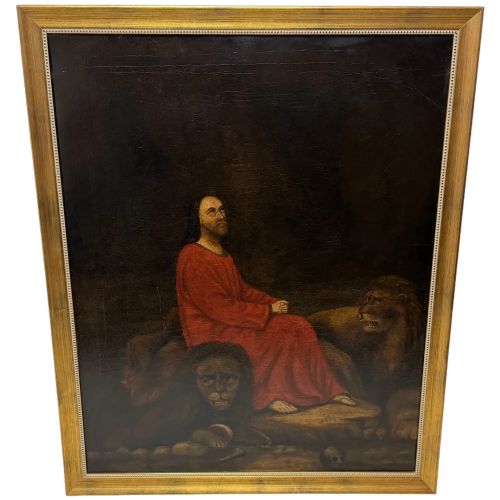
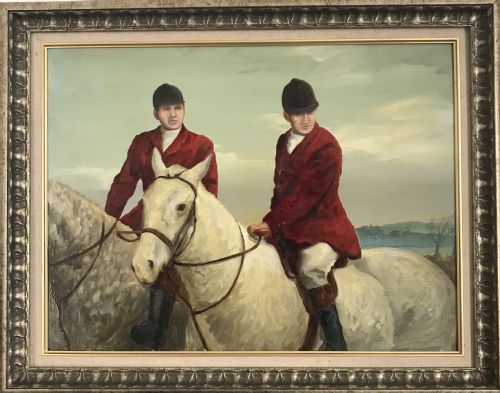
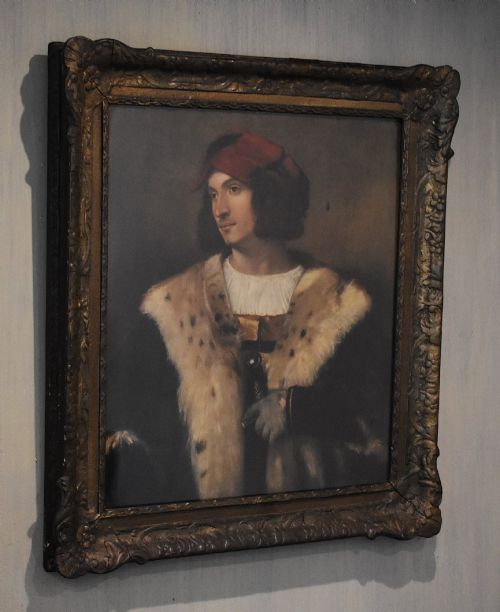
Traditional portrait wall decor encompasses oil paintings, panels, and framed artworks originating from the seventeenth century onward. Buyers discover works depicting human figures, animals, sporting scenes, and landscapes framed for interior display.
Works appear in formats varying from compact wood panels to large canvases housed in period timber and gilt surrounds. The grouping spans multiple centuries of artistic endeavour, uniting portraiture with decorative wall art.
Materials and construction
Makers applied oil paint to stretched canvas, wooden panels, and paper supports using traditional brushwork techniques. Canvases are frequently mounted on timber stretchers while panels utilise solid wood or pine.
Frames are constructed from wood, incorporating gilt finishes, carved moulding, or simple oak surrounds. Some pieces employ paper prints, engravings, and oleographs finished with period framing.
Traditional Portrait Wall Decor Retail Price Guide 2026
Typical asking prices for traditional portrait wall decor among the pieces listed under this phrase on Sellingantiques today, from the lower quarter to the upper quarter. They describe what is for sale here now, not the wider market.
Listings feature works spanning from the seventeenth century to the mid-twentieth century, utilising oil paint, canvas, wood, and gilt frames.
Factors of quality
Quality rests upon the skill of the brushwork, the accuracy of anatomical or facial rendering, and the preservation of the original surface. Masterful handling of light and shadow distinguishes superior examples from standard decorative works.
The integrity of the original support, whether canvas or wood panel, alongside the matching quality of the period frame, influences the standing of a piece. Finer works exhibit confident draughtsmanship and careful pigment layering.
James Hardy·John Hayls·Anton Weiss·John Sargent Noble·Albert Clark·C W Tuck·Basil Nightingale·W Williams·Benjamin Cam Norton·William Adolph Bouguereau·Abraham Cooper·Cornelis Van Der Voort·John Emms·Franz Xaver Winterhalter·James Archer·John Partridge·Abraham Van Blyenberch
The Traditional Portrait Wall Decor Glossary
- Oil on canvas
- Pigment mixed with drying oil applied to a woven fabric support stretched over a wooden frame. This method remains standard for durable fine art paintings.
- Gilt wood
- Timber frames or decorative elements coated with a thin layer of gold leaf or metallic gilt powder. Such surrounds enhance the visual weight of traditional artworks.
- Panel painting
- Art executed on a flat piece of wood rather than flexible canvas. Oak and pine served as common rigid supports in earlier periods.
- Oleograph
- A mechanical colour lithograph textured to imitate the appearance of an oil painting. These reproductions became popular for affordable wall decoration.
- Eglomise
- A technique where design and gilding are applied to the reverse side of glass. It creates a reflective, decorative border often seen on antique prints.
Traditional Portrait Wall Decor: Frequently Asked Questions
How do I date an old portrait?
Dating relies on clothing styles, hairstyles, painting techniques, and the construction of the canvas stretcher or wood panel. Inscribed names and biographical details of the sitter also provide clues.
Examinations of the reverse side often reveal maker stamps, old labels, or framing methods typical of specific decades.
Are these paintings original or reproductions?
The selection includes both original hand-painted works in oil and period reproductions such as engravings and oleographs. Descriptions specify whether an item is an original painting or a print.
Close inspection under magnification reveals brush texture on oils versus dot patterns or flat surfaces on mechanical prints.
How should I hang heavy framed art?
Heavy framed oil paintings require secure wall fixings screwed directly into structural wall studs or heavy-duty masonry anchors. Steel picture wire rated well above the weight of the frame ensures safety.
Positioning pieces away from direct sunlight and moisture protects both the canvas and the gilt wooden frame from deterioration.
What subjects are most common?
Equestrian scenes, horses, dogs, and human portraits dominate the available artworks. Sporting subjects and domestic animals reflect historical tastes in country house decoration.
Landscape backgrounds and narrative scenes frequently accompany the primary human or animal subjects.