




Gilt Earthenware Vase
When you search for a gilt earthenware vase, you find ceramic vessels enriched with gold leaf and enamel that bring traditional Satsuma and European craftsmanship into your room.
Gilt Earthenware Vase
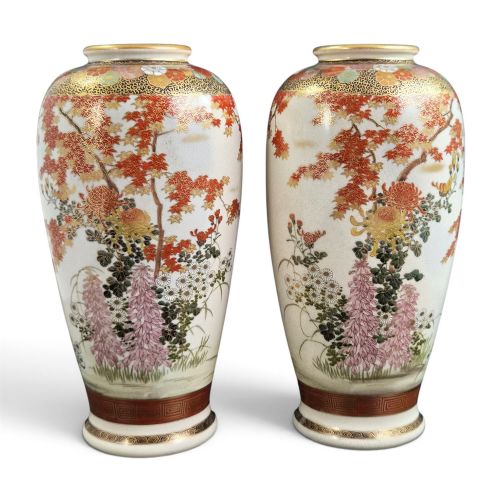
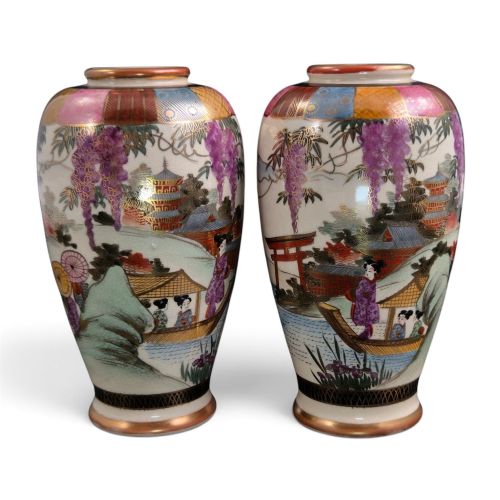
A gilt earthenware vase combines ceramic bodies with applied gold decoration, often taking the form of traditional Satsuma vessels from Japan alongside European earthenware pieces. These objects span the nineteenth and early twentieth centuries, encompassing Victorian, Edwardian, and Taisho periods.
You will encounter baluster vases, bottle vases, miniature vessels, and larger pairs designed for display, plus occasional table lamps and jardiniere forms. Most examples originate from Japanese workshops in Kyoto or feature European pottery designs from the same eras.
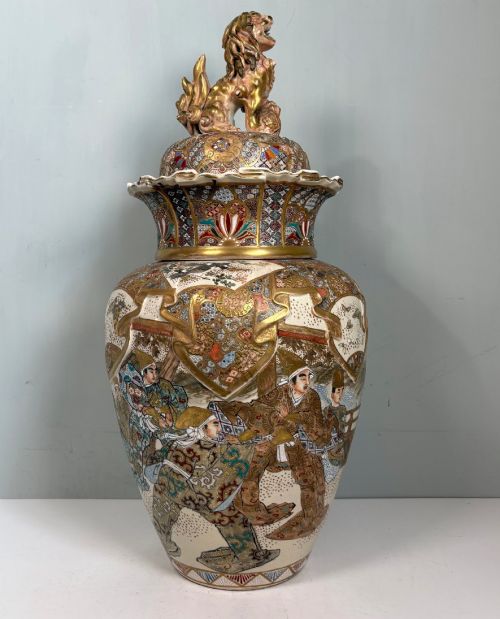
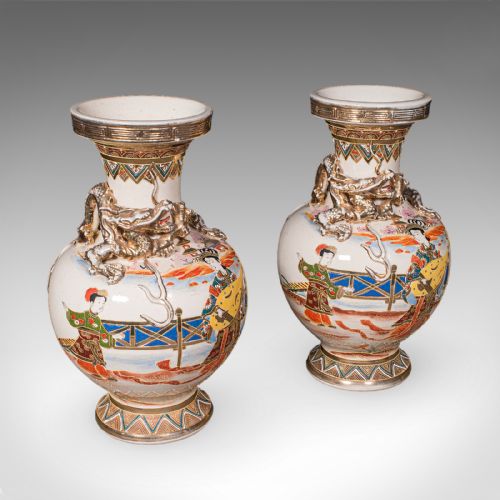
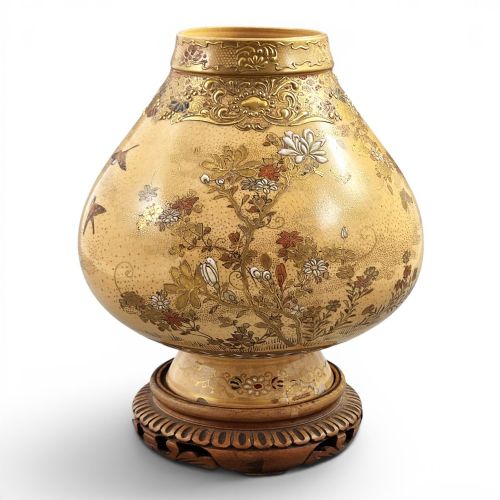
The aesthetic centres on intricate hand-painted figural scenes, landscapes, and floral motifs enhanced by raised enamel and rich gold details. These vessels served primarily as decorative items in period interiors and continue to function as focal points in modern rooms.
Materials and construction methods
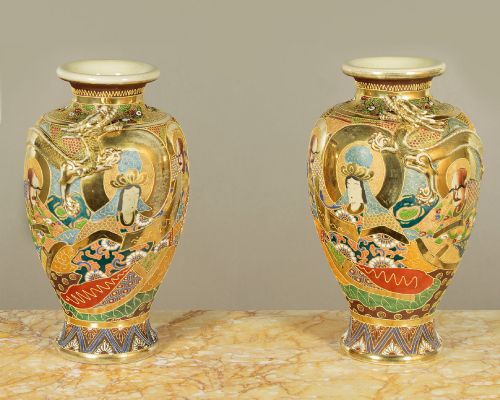
Makers utilised porous earthenware bodies coated in glazes that provided a stable surface for detailed painting and enamelling. Artisans applied gold leaf and gilt directly over the glaze, often building up thick relief patterns known as moriage.
Workshops combined mineral pigments with gold leaf to depict court figures, landscapes, and mythical subjects. Firing techniques fixed the enamel and gold to the ceramic base, producing the durable finish seen on surviving examples.
Shi-Shi lions sit atop incense burners ready to ward off evil spirits while guarding your mantelpiece with permanent, watchful dignity.
Distinguishing finer examples
Quality rests upon the precision of the hand-painted details and the complexity of the figural or landscape panels. Finer pieces demonstrate meticulous brushwork in the facial expressions of figures and the delicate rendering of floral elements.
The richness and application of the gold leaf and raised moriage separate standard production vessels from works originating in renowned Kyoto workshops. Signature marks from recognised makers also indicate higher execution standards.
Maruni Kobe·Kinkōzan·Chosei·Nanzan·Seiko-en Chokei·Hakusan·Hododa·Ernst Wahliss·Carlton Ware
The Gilt Earthenware Vase Glossary
- Satsuma
- A type of Japanese earthenware originating from Satsuma Province, traditionally characterised by a crackle glaze and detailed polychrome and gilt decoration. These pieces became prominent during the Meiji period.
- Moriage
- A decorative ceramic technique where slip or enamel is piped onto the surface to create raised patterns before gilding. This method adds a tactile, three-dimensional quality to the vessel.
- Baluster
- A vase shape featuring a rounded body that tapers toward the base and swells upwards before a flared neck. This silhouette appears frequently in nineteenth-century ceramic design.
- Earthenware
- Porous pottery fired at lower temperatures than stoneware or porcelain, requiring a glaze to achieve watertightness. It forms the core structural body for the pieces found in this category.
- Koro
- A traditional Japanese incense burner supported by legs and fitted with a pierced cover. These vessels often feature guardian lion figures and rich gilt ornamentation.
Gilt Earthenware Vase: Frequently Asked Questions
How do I care for a gilt earthenware vase?
Dust these vessels gently with a dry, soft cloth to protect the delicate gold leaf and enamel surface from abrasion. Avoid using water, liquid cleaners, or chemical solvents, which can damage the antique glaze.
Keep the vase away from direct sunlight and areas with high humidity to preserve the integrity of the ceramic body and the pigments. Handle the piece by its body rather than delicate handles or rims.
Where were Satsuma vases made?
Traditional Satsuma pottery originated in the Satsuma Province of Kyushu, Japan, but the pieces produced for export during the Meiji period largely came from Kyoto. Kyoto workshops perfected the fine crackle-glaze aesthetic combined with lavish gold and enamel painting.
Master artisans in these urban centres catered to Western tastes, creating intricate vases, koro, and decorative items for international exhibitions. These export pieces represent the majority of the Japanese earthenware found today.
How can I identify the period of a vase?
Examine the style of the decoration, the craquelure of the glaze, and any artist signatures or workshop marks stamped on the base. Nineteenth-century Meiji examples often feature dense figural processions and heavy moriage gilding.
Later Edwardian and Taisho pieces show stylistic shifts towards simplified motifs or different colour palettes. Comparing the vessel form and signature against known maker timelines helps narrow down the production era.
What is moriage decoration?
Moriage is a decorative technique where liquid clay or enamel is applied in dots or lines to create a raised, textured surface on the ceramic. Artisans then cover these raised areas with gold leaf or metallic paint to achieve a rich, ornate effect.
This method adds depth and a tactile dimension to the painted scenes of court figures and landscapes. It remains a hallmark of finer Satsuma production from the late nineteenth century.