


Gilt Decorative Plates
Gilt decorative plates bring the brilliance of gold leaf and hand-painted porcelain or carved giltwood into living spaces.
Gilt Decorative Plates
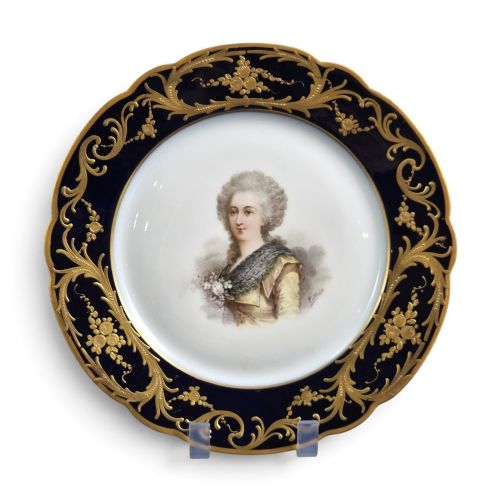
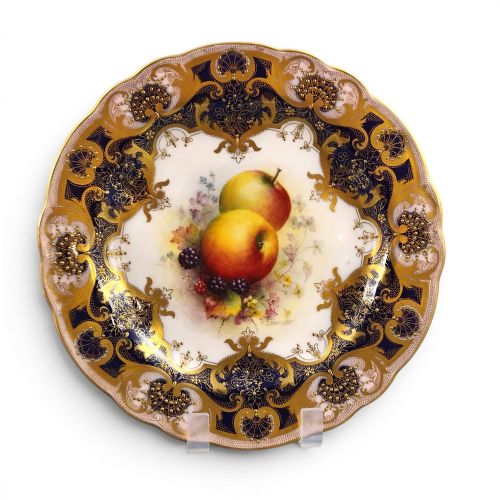
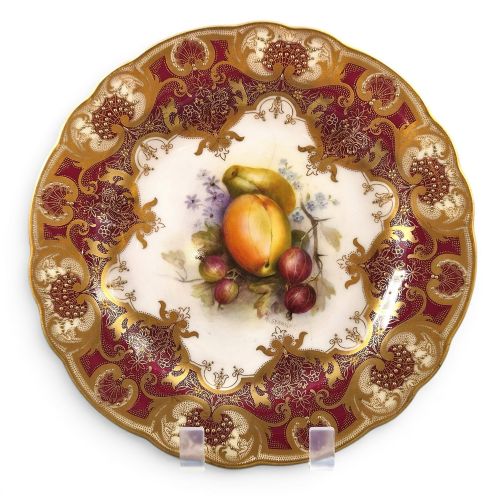
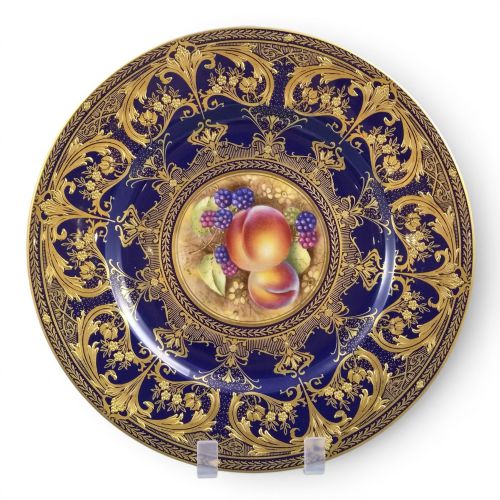
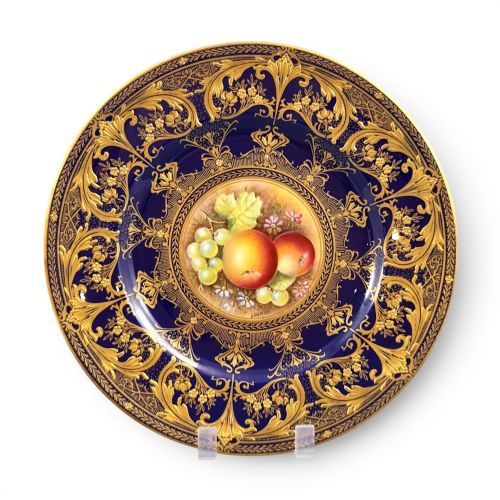
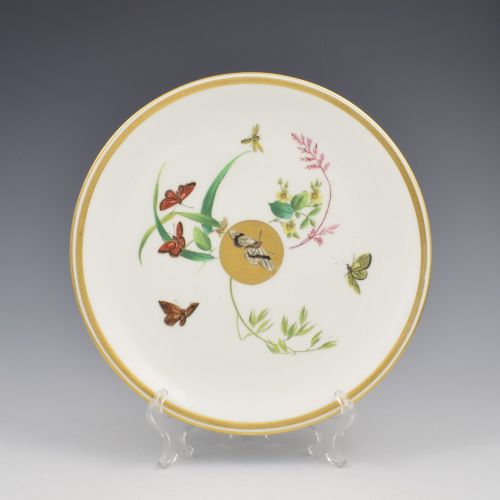
Gilt decorative plates encompass cabinet plates, chargers, and dishes produced across the nineteenth and twentieth centuries in European and Asian kilns. Buyers find items ranging from nineteenth century French Sèvres-style porcelain portrait plates to Japanese Kutani chargers and English bone china cabinet plates.
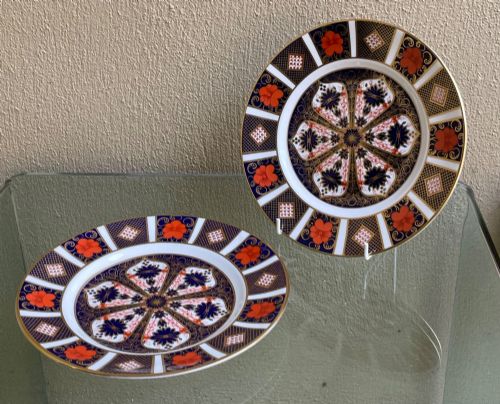
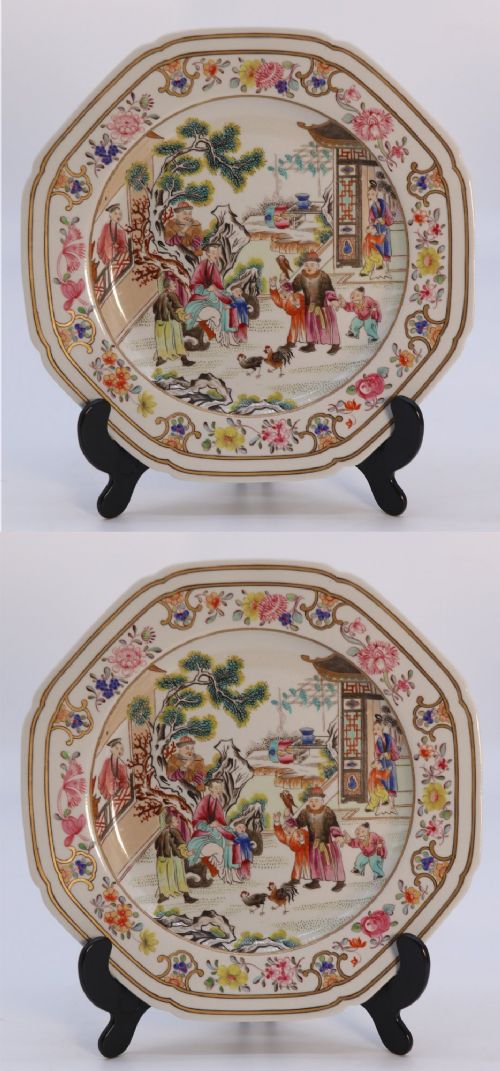
The forms vary from octagonal dessert plates to large chargers and basketweave dishes designed primarily for display rather than dining. Neoclassical, Victorian, French Rococo, and Japanese Imari styles dominate the visual language of these pieces.
Makers such as Royal Worcester, Royal Crown Derby, Minton, and Mason’s appear frequently among the English examples, alongside continental porcelain and carved giltwood items.
Materials and production methods
Makers utilised hard-paste and soft-paste porcelain, bone china, ironstone, and earthenware as the primary ceramic bodies for these plates.
Decoration relied heavily on manual skill, employing gold leaf, gilding, and enamel paint applied over glazes or directly onto porcelain surfaces.
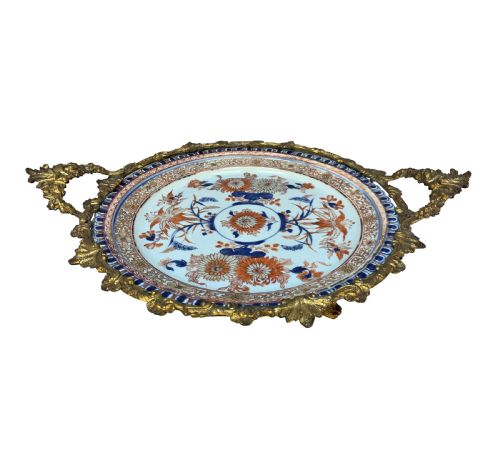
Some pieces incorporate structural elements like orrmolu mounts or carved giltwood frames, combining metalwork and carpentry with ceramic art.
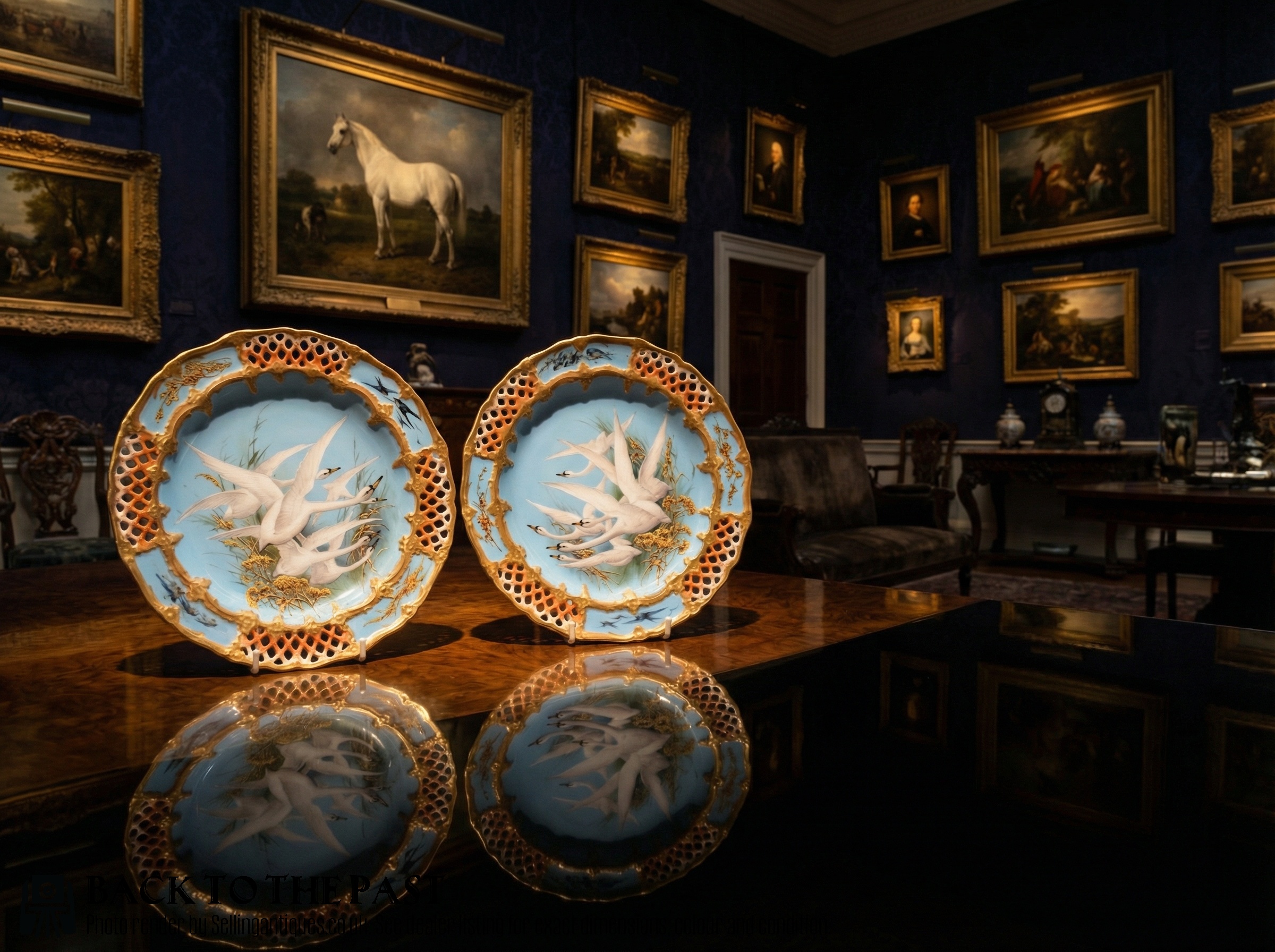
Cupid and Psyche gaze eternally across pierced porcelain borders while porcelain fruit ripens under perpetual gold leaf.
Judging the quality of plates
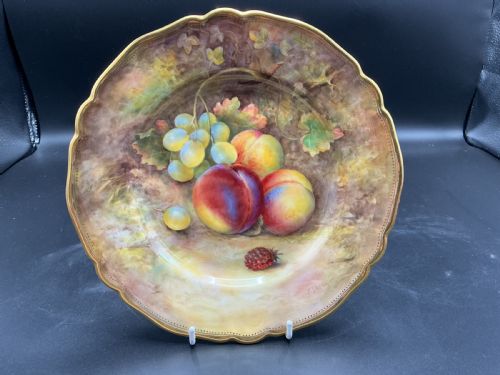
Quality rests in the precision and depth of the hand painting, particularly on pictorial subjects, fruit studies, and intricate Japanese Imari patterns.
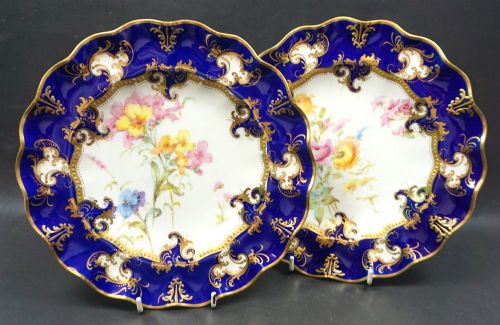
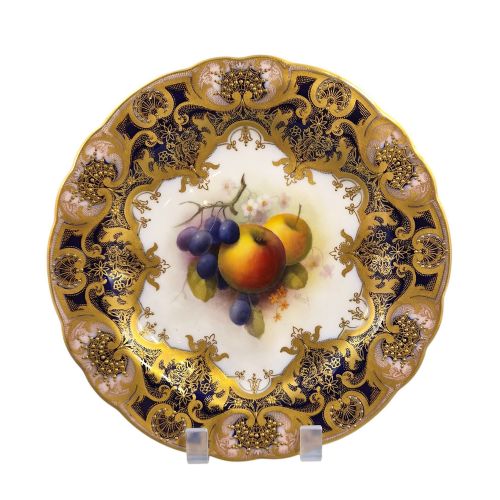
The application of the gold leaf or gilding dictates the richness of the finish, with heavier, burnished applications holding their lustre far better than thin washes.
Purity of the porcelain body and the crispness of moulded details, such as basketweave textures or pierced borders, distinguish superior cabinet pieces from standard production.
Royal Worcester·Royal Crown Derby·Royal Doulton·John Davenport
The Gilt Decorative Plates Glossary
- Cabinet plate
- A decorative ceramic plate intended for display in a cabinet or on a wall rather than for practical table use. These typically feature elaborate hand-painted scenes or rich gilding.
- Charger
- A large decorative plate or dish that exceeds the size of standard diningware. They were historically placed beneath other courses or utilised purely for display.
- Imari
- A style of Japanese porcelain decorated in underglaze blue and overglaze red, green, and gold. European factories frequently copied these vibrant colour schemes.
- Gilding
- The application of gold leaf or gold powder to a surface such as porcelain, wood, or metal. Burnished gilding can be polished to a bright, reflective metallic shine.
- Ironstone
- A heavy, durable type of earthenware patented in England during the nineteenth century. It provided a robust alternative to porcelain for large charger plates.
Gilt Decorative Plates: Frequently Asked Questions
How do I hang a cabinet plate safely?
Cabinet plates can be displayed using adjustable brass spring hangers that grip the rim securely without damaging the ceramic body. Ensure the wall fixing is anchored firmly, particularly for heavy porcelain chargers.
Alternatively, dedicated wall brackets or shadow boxes provide stable support for valuable pieces. Avoid adhesive disc hangers on antique plates as the glue can degrade glazes and gilding over time.
Can I use these plates for serving food?
These pieces are intended primarily as decorative cabinet plates and display items rather than functional tableware. Historic glazes and delicate overglaze enamel or gold leaf can wear away or absorb moisture with regular use.
Furthermore, nineteenth century ceramic formulas may not meet modern food safety standards regarding lead content in glazes. Enjoy them visually on walls, stands, or within cabinets instead.
How do I identify the period of a plate?
Examine the maker marks stamped, painted, or impressed on the reverse of the ceramic body. Reference books and online databases connect these specific ciphers and pattern numbers to exact manufacturing dates.
Stylistic clues such as Aesthetic movement motifs, Victorian colour palettes, or Georgian shapes also narrow down the era. Compare the painting technique and glaze characteristics with documented pieces from known makers.