
Gilt Cabinet Plate
A gilt cabinet plate brings fine porcelain and gleaming gold leaf together for display rather than the dining table.
Gilt Cabinet Plate
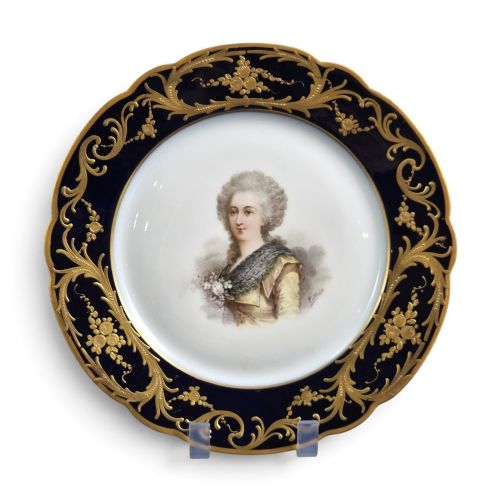
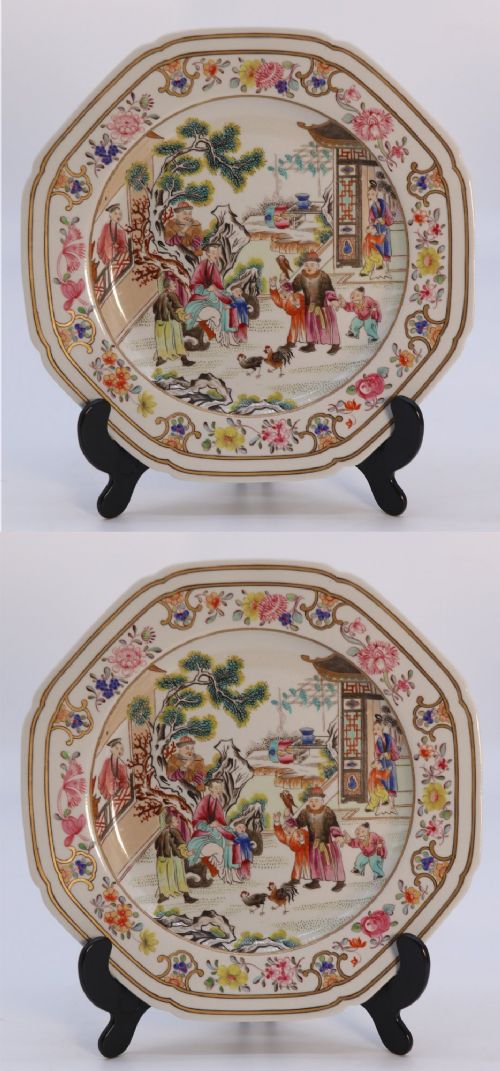
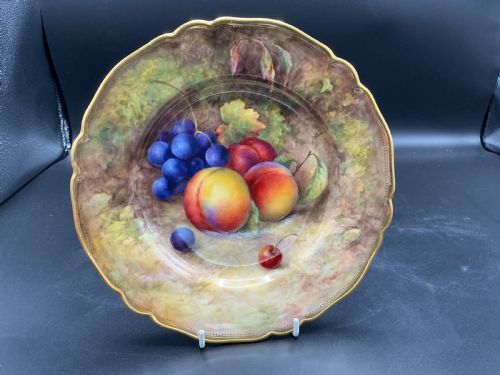
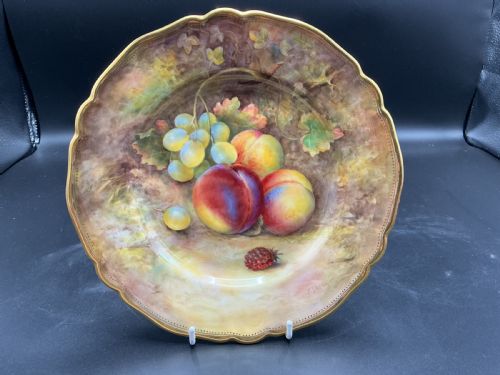
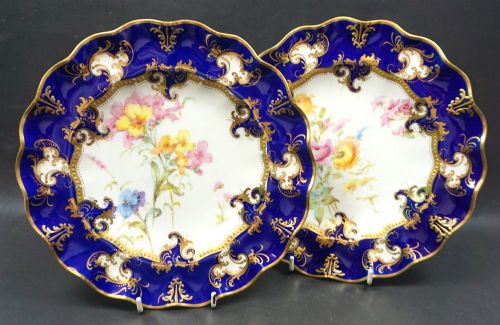
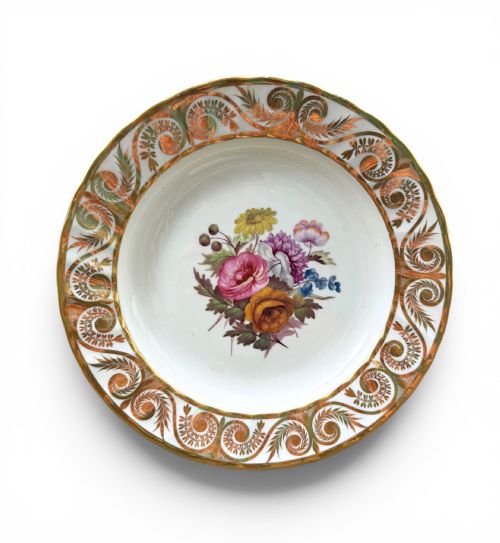
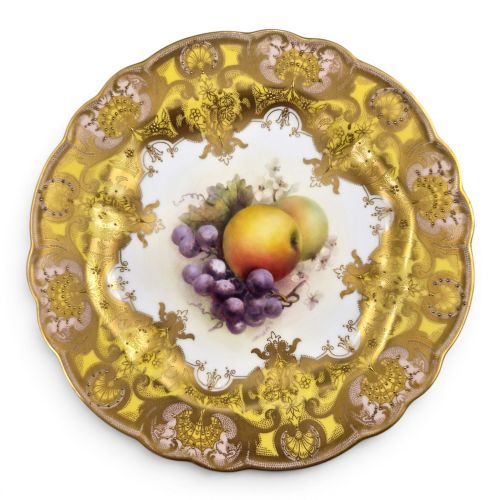
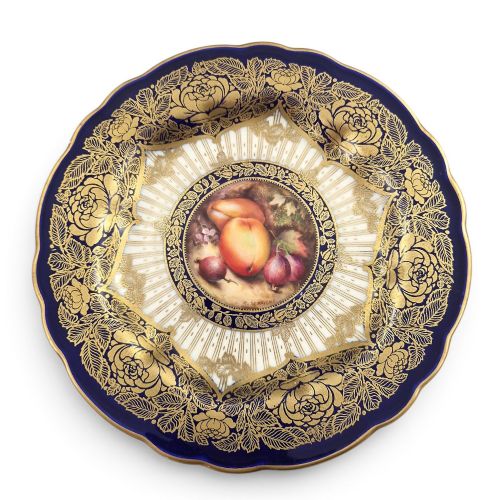
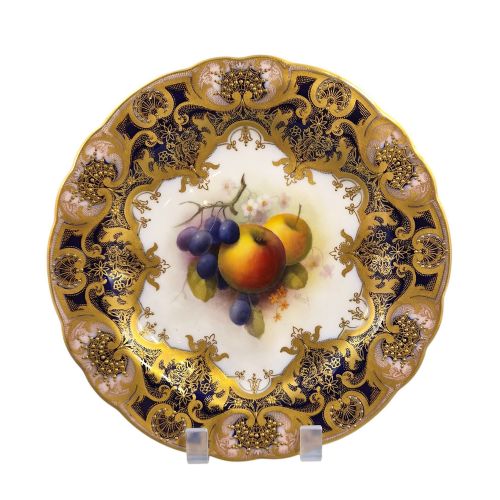
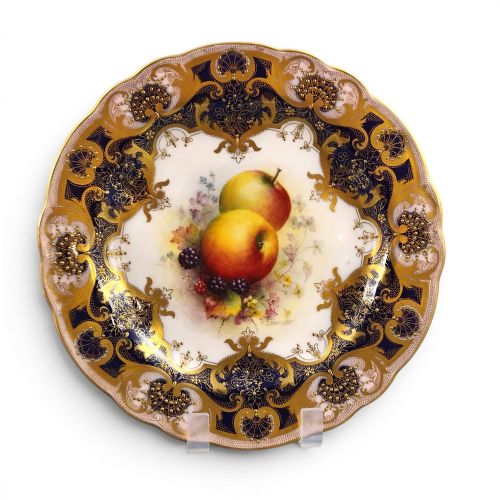
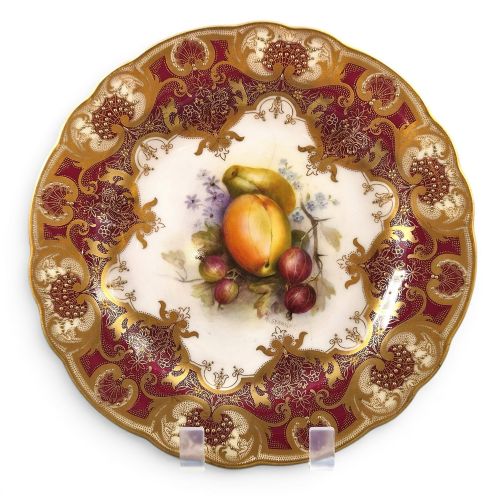
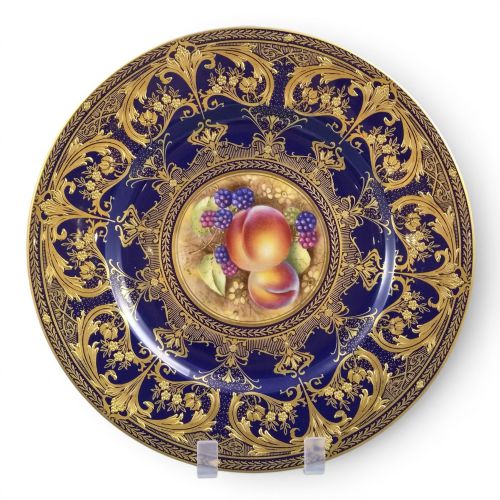
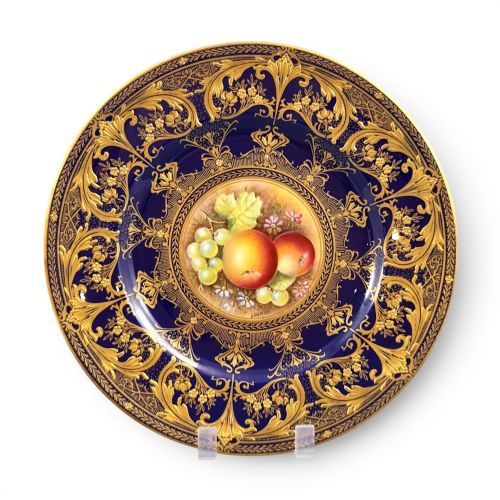
When you search for a gilt cabinet plate, you are looking at decorative porcelain dishes intended for display on walls or in cabinets rather than everyday service. These pieces typically feature elaborate gilding alongside hand-painted fruit, botanical studies, armorial crests, or portrait scenes. The selection on this page spans from the Georgian and Regency eras through the Victorian and Edwardian periods up to the mid-twentieth century.
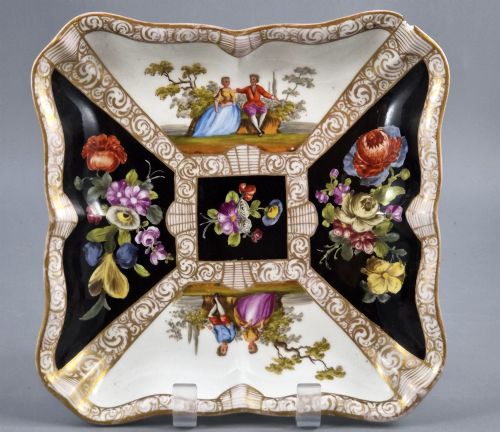
The versions you are most likely to meet here include English factory productions from Royal Worcester, Minton, and Derby, alongside continental porcelain from Meissen and Sèvres-style workshops. Forms range from standard circular plates to octagonal shapes, square dishes, and reticulated dessert plates with pierced borders. Porcelain and bone china dominate the material evidence, often enhanced with gold leaf and enamel painting.
How they were made
Makers utilised high-grade porcelain, bone china, and ironstone as the foundation for these display pieces, shaping them into plates and dessert dishes before firing. Skilled painters then applied enamel colours by hand, depicting botanical specimens, landscapes, birds, or portraits with precise brushwork. Artisans added gold leaf or liquid gilding by hand to the rims, borders, and central motifs, often returning the piece to the kiln for a final fixative firing.
Techniques varied from the raised paste gilding seen on nineteenth-century services to transfer-printing enhanced by hand-colouring. English and continental manufactories employed specialised artists for individual subjects, such as fruit or armorial crests, ensuring each painted surface received distinct artistic attention.
Listings feature porcelain and bone china forms from the Georgian era through to the mid-twentieth century, including works by Royal Worcester and Meissen.
What varies in quality
Quality in these decorative plates rests primarily on the skill of the painting and the complexity of the gilding. Hand-painted studies by named artists command greater attention than standard factory transfers, showing finer detail in shading and composition. The weight of the porcelain, the crispness of any pierced reticulation, and the depth of the gold leaf application further distinguish finer examples from standard production wares.
The prestige of the manufactory also influences the standing of a piece, with established houses like Royal Worcester, Meissen, and Barr, Flight and Barr demonstrating superior paste preparation and glaze finish. Preservation of the original enamel colours and the brightness of the gilding across decades of handling complete the distinction between ordinary domestic wares and top-tier cabinet pieces.
Royal Crown Derby·Royal Worcester·Royal Doulton·John Davenport of Longport·Barr Flight and Barr
The Gilt Cabinet Plate Glossary
- Cabinet plate
- A decorative ceramic plate intended for display in a cabinet or on a wall rather than for dining use. These pieces usually feature elaborate painted scenes or rich gilding.
- Gilding
- The application of gold leaf or gold powder to the surface of porcelain. It highlights rims, handles, and borders.
- Reticulated
- Having an openwork or net-like pattern formed by piercing the paste before firing. This technique appears frequently on dessert plates and decorative dishes.
- Imari palette
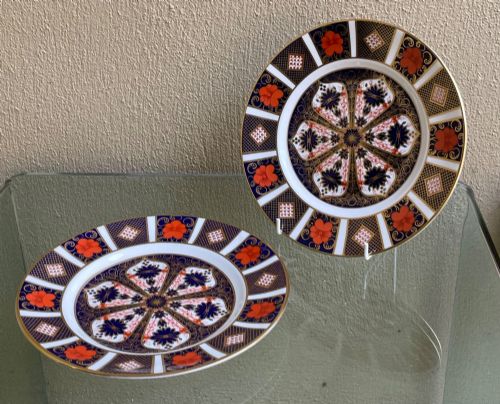
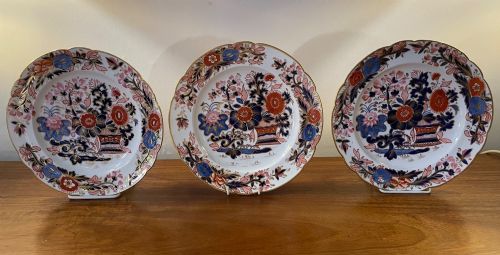
- A decorative colour scheme featuring underglaze blue, iron red, and gilt, inspired by Japanese export porcelain. English factories adopted this style widely during the Georgian and Victorian periods.
- Armorial
- Decorated with a coat of arms or family crest. These bespoke items were often commissioned by landed families.
Gilt Cabinet Plate: Frequently Asked Questions
What is a gilt cabinet plate?
A gilt cabinet plate is an ornamental ceramic dish embellished with gold leaf and hand-painted decoration. They were produced primarily for display in dining rooms and drawing rooms rather than for serving food.
These items range from single decorative dishes to extensive dessert services commissioned by prominent families and institutions.
How were cabinet plates displayed?
Historically, these plates were housed in glazed display cabinets, arranged on plate rails, or mounted directly onto walls using wire hangers. Their rich gilding and painted subjects caught the light of gas lamps or candles.
Collectors today continue to display them in wall racks or dedicated cabinets to protect the delicate enamel and gold surfaces.
How do I identify the period?
Dating relies on factory backstamps, impressed marks, and stylistic clues such as the colour palette and painting technique. Georgian and Regency pieces often feature handwritten pattern numbers and armorial crests.
Victorian and Edwardian examples frequently bear printed factory ciphers that narrow the production date to specific years or decades.
Are these plates meant for dining?
These pieces are designed exclusively for visual appreciation and collection. The fragile nature of the enamel painting and the delicate application of gold leaf mean they are unsuited to daily use.
Hand-washing with care is essential if cleaning ever becomes necessary, as modern dishwashers will ruin the gilt and painted surfaces.