
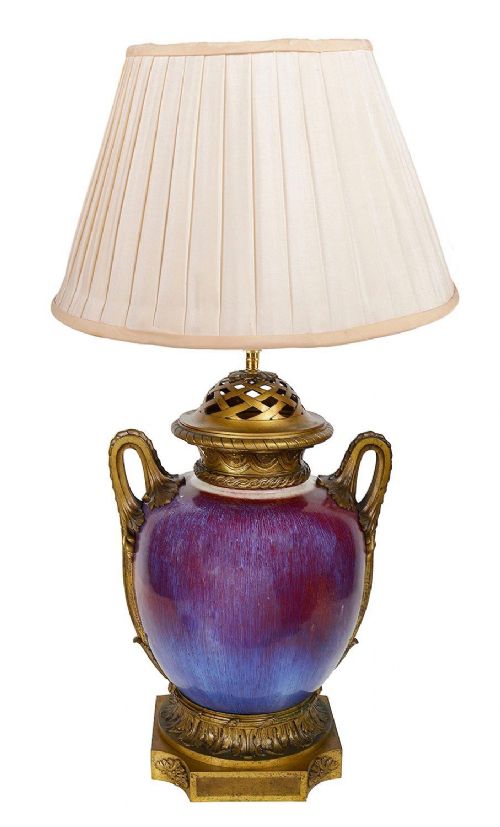
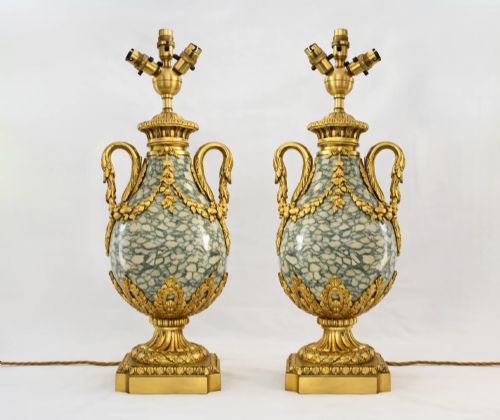


Gilt Bronze Mounted Urns
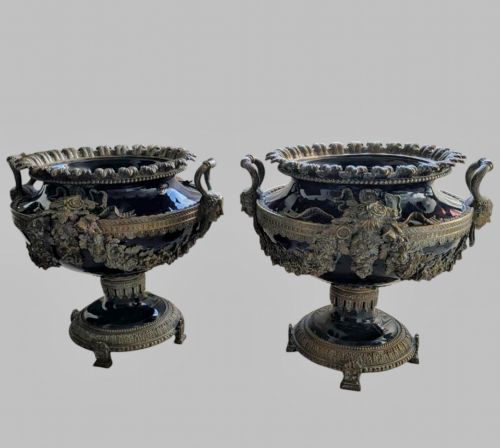
Gilt bronze mounted urns combine rich porcelain, marble, or glass vessels with ornate metal mounts.
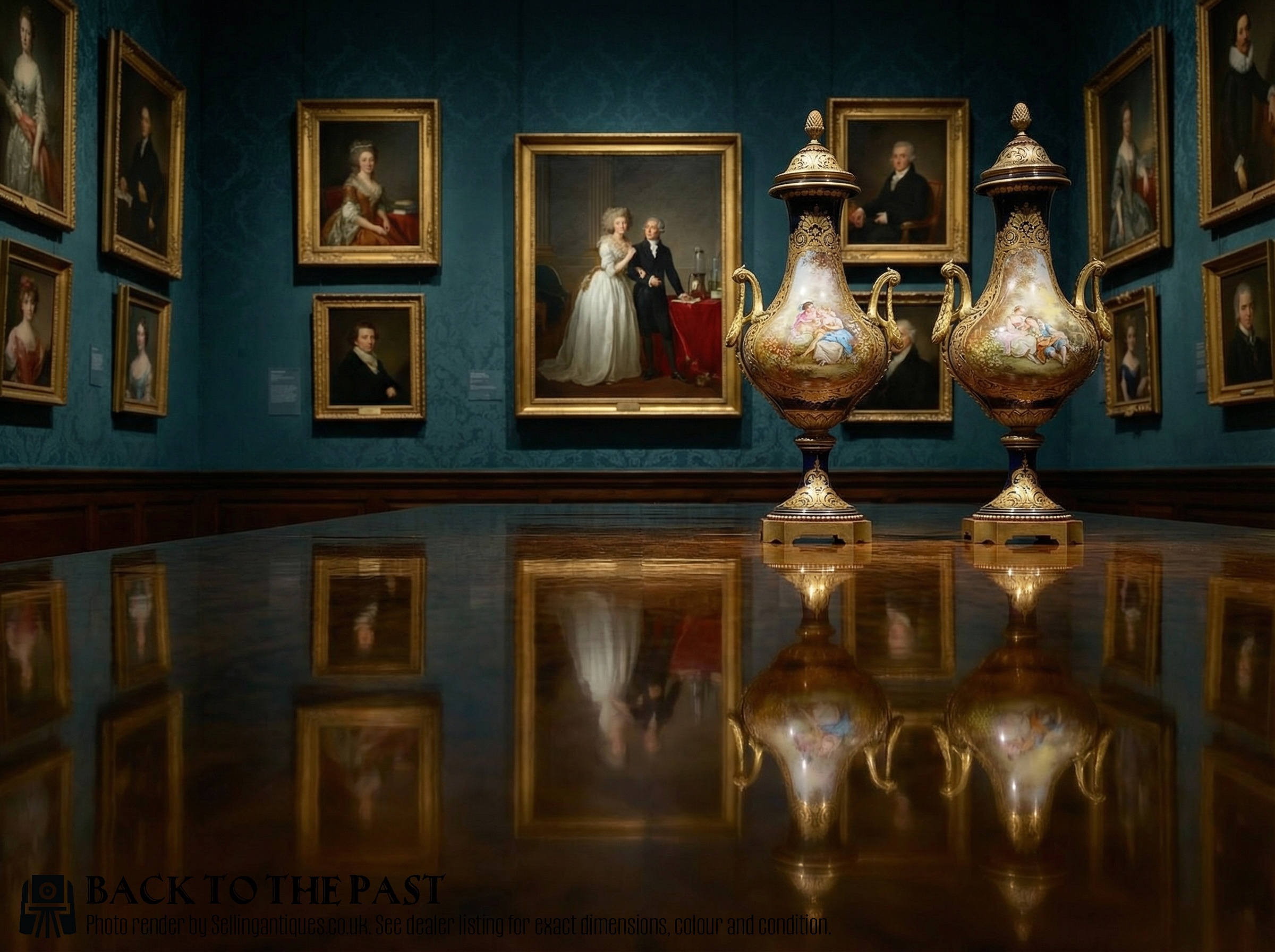
Gilt Bronze Mounted Urns
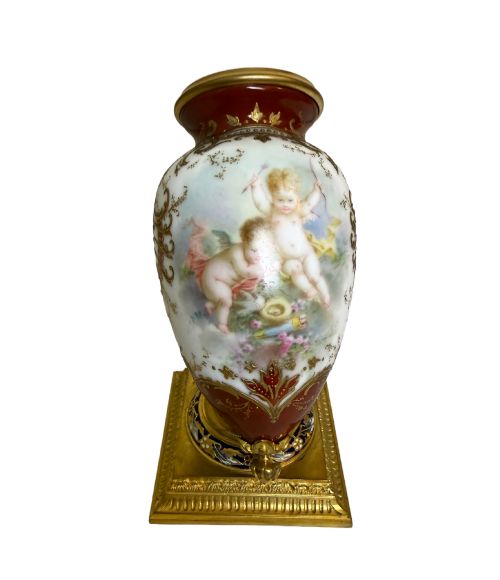
These pieces are decorative vessels and functional objects elevated by cast metal mounts, originating predominantly from nineteenth-century French workshops.
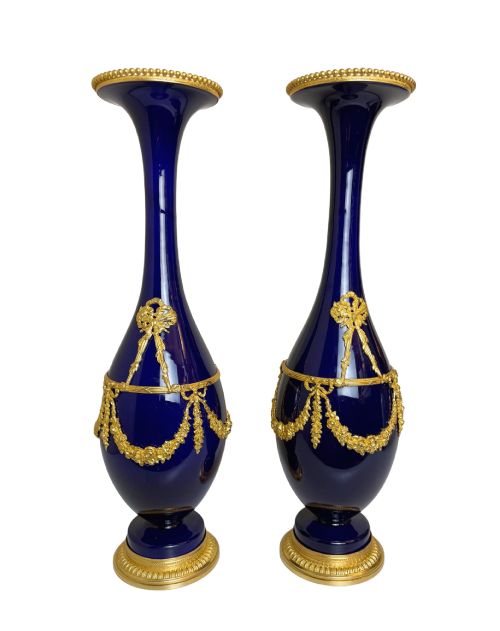
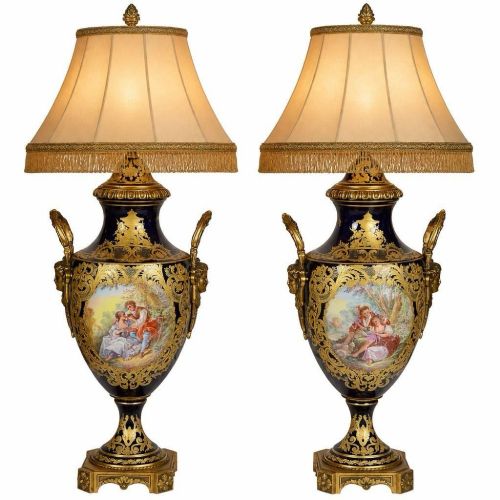
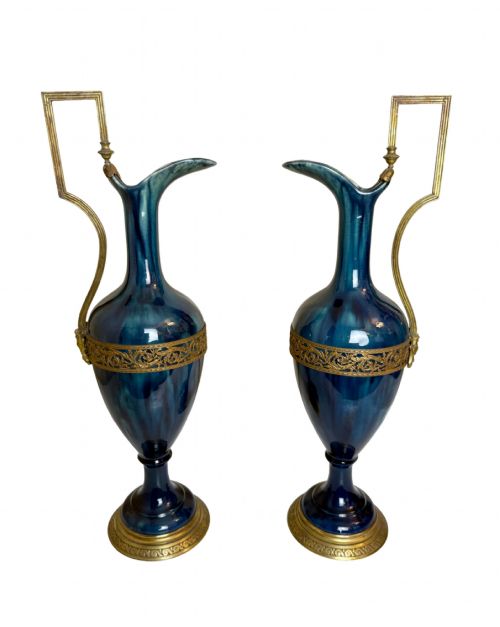
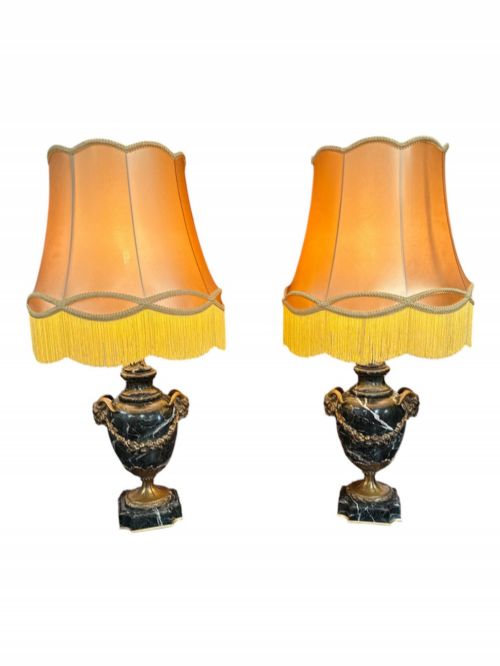
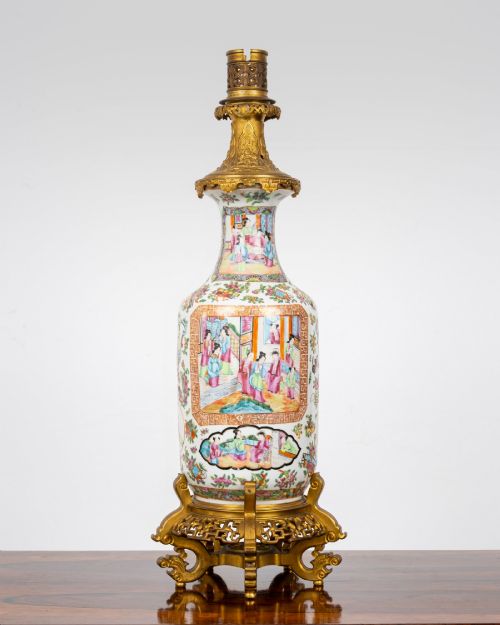
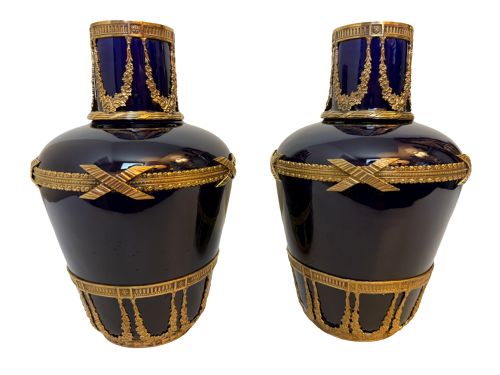
The buyer encounters pairs of porcelain vases, ceramic jardinières, marble lamps, and cassolettes adapted from earlier neoclassical or rococo designs.
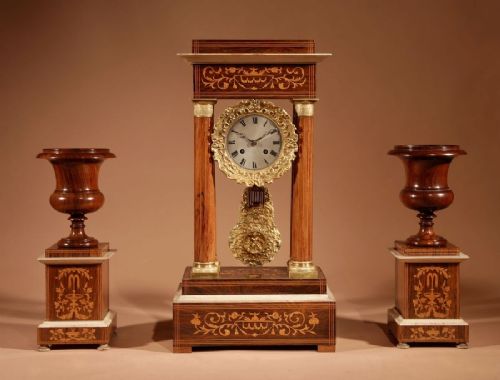
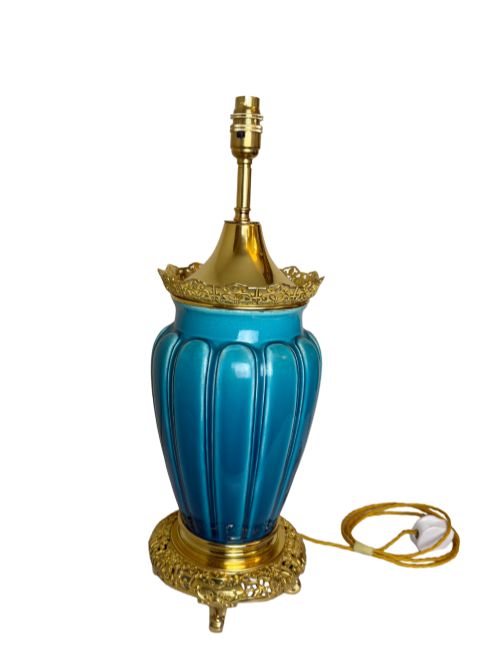
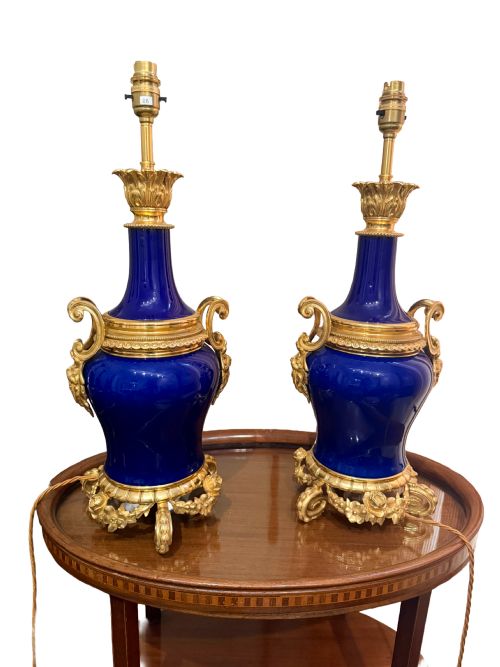
Many items bridge utilitarian purposes and display, serving as mantel garnitures, table lamps, or centrepiece bowls.

Materials and technique
The construction relies on combining fired ceramic, porcelain, glass, or stone bodies with cast bronze mounts that are subsequently gilded or finished as ormolu.
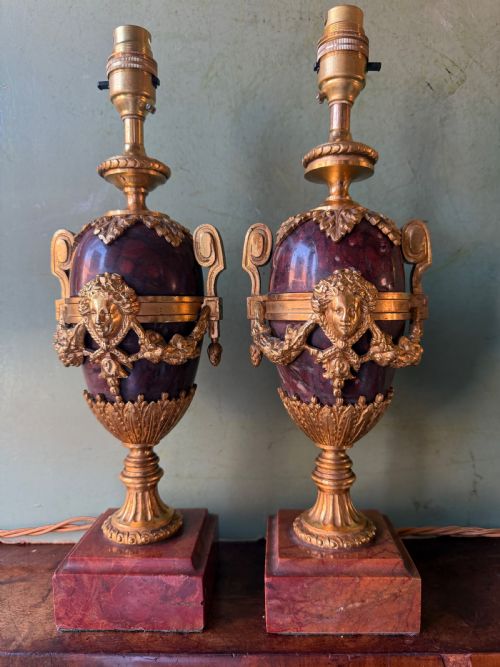
Makers integrated materials like rouge marble, onyx, and champlevé enamel with chased metal elements secured by pins and screws.
Vessels often incorporate imported Asian porcelain or European porcelain bodies painted in styles imitating Sèvres and Meissen potteries.
Listings feature nineteenth-century French porcelain and marble vessels fitted with ormolu mounts alongside eighteenth-century Chinese export vases.
Judging the standard
Quality rests in the crispness of the bronze chasing and the depth of the gilding, which distinguishes finely detailed mounts from softer, flat castings.
The harmony between the vessel and its metal frame dictates overall success, where mounts follow the natural contours of the ceramic or stone without awkward gaps.
The choice of materials, such as solid marble or heavy porcelain paired with substantial bronze, separates grand exhibition-standard pieces from lighter domestic examples.
Louis Goret
The Gilt Bronze Mounted Urns Glossary
- Ormolu
- Gilt bronze, where finely ground gold is amalgamated with mercury and applied to cast bronze before heating. This process creates a durable, warm metallic surface found on mounts and clock cases.
- Cassolette
- A decorative vase or urn with a reversible lid that transforms from a closed vessel into a container for potpourri. These often feature drilled stones or pierced metal galleries.
- Garniture
- A set of three or more matching ornamental objects, usually comprising a central vase or clock flanked by matching urns or candelabra. They were designed to decorate mantelpieces.
- Champlevé
- An enamelling technique where troughs or cells are hollowed out of the metal surface and filled with vitreous enamel paste before firing. The technique produces vibrant coloured patterns alongside exposed bronze lines.
- Sèvres style
- Porcelain decorated in the manner of the famous French royal factory, typically featuring rich coloured grounds such as turquoise, blue, or pink with gilded accents.
Gilt Bronze Mounted Urns: Frequently Asked Questions
What are gilt bronze mounted urns?
These decorative objects combine ceramic, glass, or stone vessels with cast and gilded bronze mounts. They were produced primarily during the nineteenth century in imitation of earlier French court styles.
Such pieces functioned as ornamental mantel ornaments, lamps, or centrepieces, often created in balanced pairs for symmetrical interior display.
How do I identify French nineteenth-century styles?
Look to the specific vocabulary of the mounts, which typically draw on Louis XVI neoclassical restraint with symmetrical swags and urn motifs, or looser rococo asymmetry.
Materials such as rouge marble, onyx, and porcelain painted in the manner of Sèvres provide further clues to nineteenth-century revival periods.
Were these urns originally made as lamps?
Many nineteenth-century pieces were created as decorative vases, cassolettes, or garniture elements rather than lighting. They were frequently converted into table lamps later by running electrical wiring through the centres.
Original factory lamps do exist, but conversions remain common among nineteenth-century ceramic and porcelain vessels.
How should I care for ormolu mounts?
Clean the gilt bronze surfaces gently with a dry, soft microfibre cloth to remove dust. Avoid chemical polishes or abrasive cleaners, which strip away the thin layer of gold.
Protect marble and ceramic bodies from moisture and direct sunlight to preserve hand-painted enamels and natural stone finishes.