

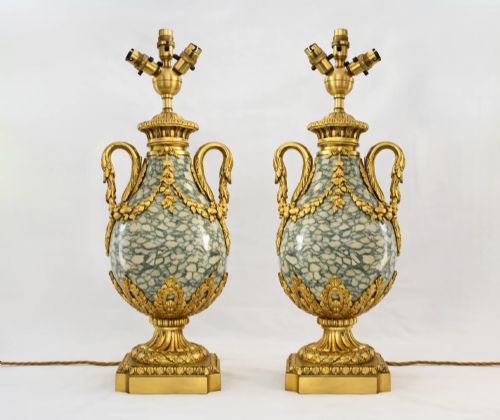


Gilt Bronze Mounted Lamps
Gilt bronze mounted lamps combine cast metalwork with porcelain, marble and crystal, bringing nineteenth-century European and Asian craftsmanship into a room.
Gilt Bronze Mounted Lamps
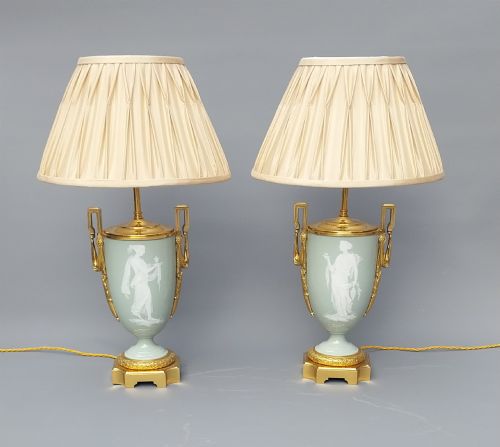
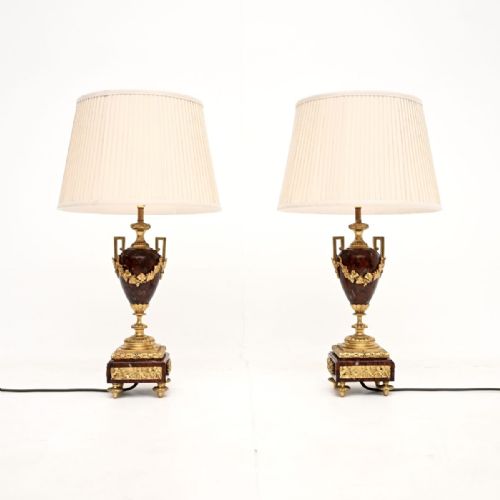
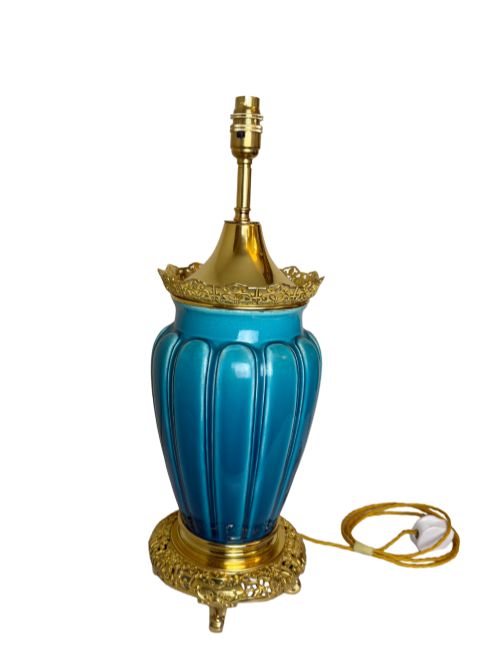
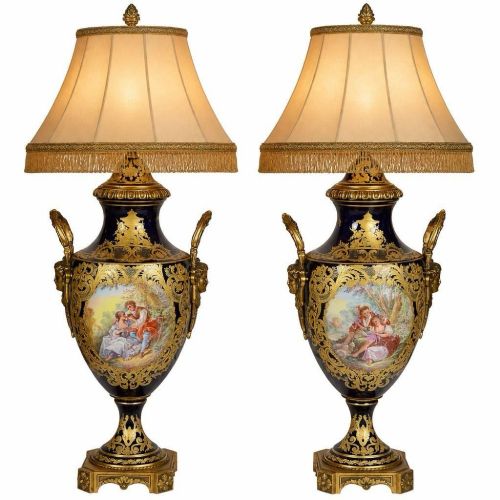
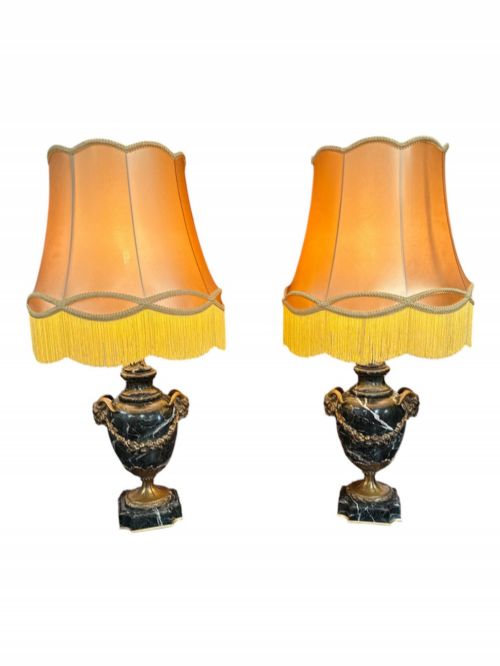
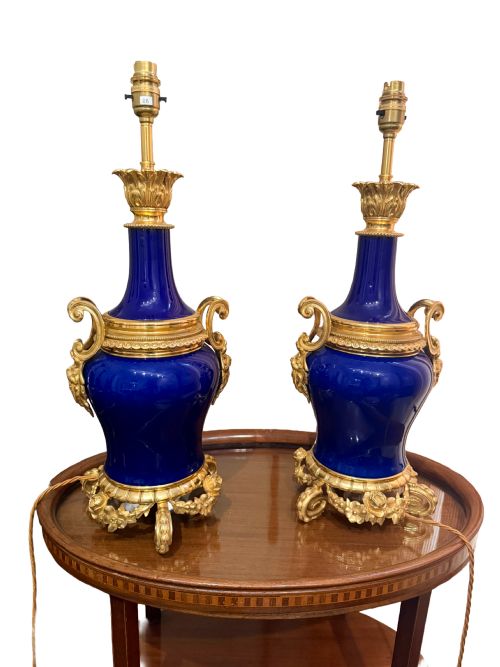
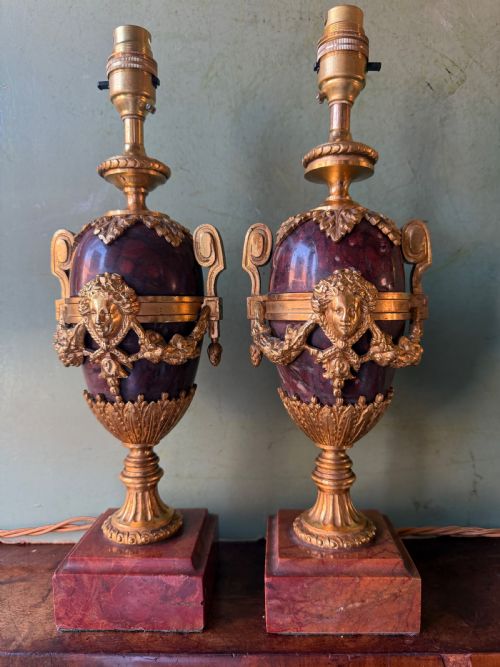
Gilt bronze mounted lamps take several distinct forms across the selection, appearing most frequently as converted nineteenth-century porcelain or marble vases fitted for electricity. Table lamps dominate the inventory, often presenting as symmetrical pairs derived from French Louis styles or Chinese export ceramics.
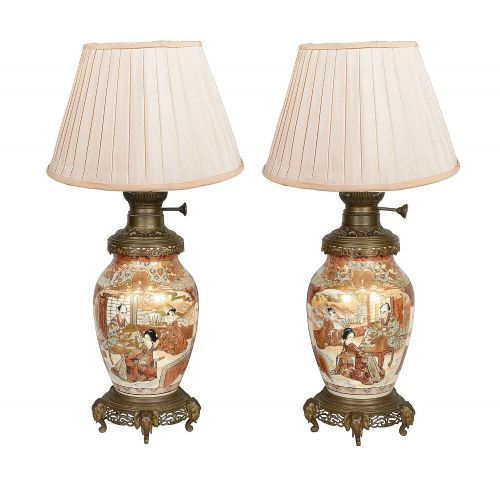
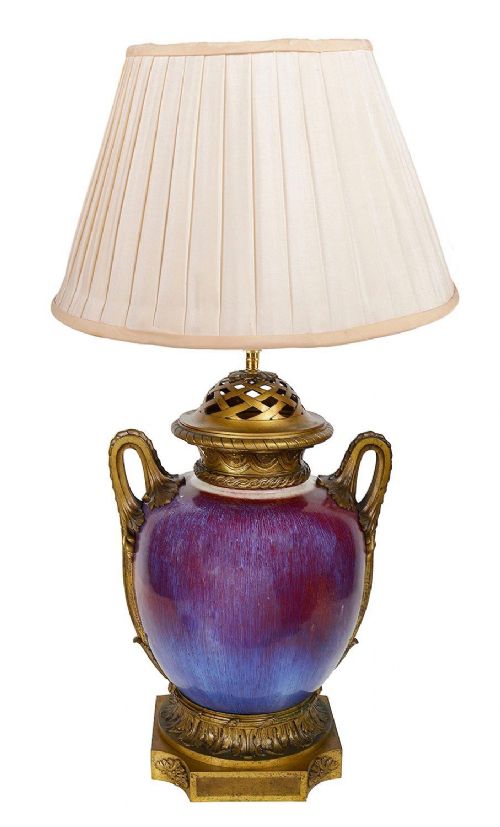
The category extends beyond standard table illumination to incorporate decorative cassolettes, urns, and occasional furniture integrated with metal mounts. Makers drew inspiration from diverse traditions, pairing nineteenth-century French ormolu with Japanese Satsuma, Chinese cloisonne, and Sevres style porcelain bodies.
Originating largely from nineteenth-century workshops in France, these pieces reflect widespread European enthusiasm for mounting exotic or classical vessels in gilded brass and bronze. Buyers encounter everything from compact bedside lighting to substantial column lamps designed for prominent reception spaces.
How they were made
Makers constructed these pieces by combining cast metal mounts with solid bodies of marble, porcelain, glass, or exotic hardwoods such as mahogany and walnut. Ormolu and gilt bronze components were typically cast from hand-carved moulds, chased to sharpen surface detail, and treated with a gold amalgam or electroplating finish.
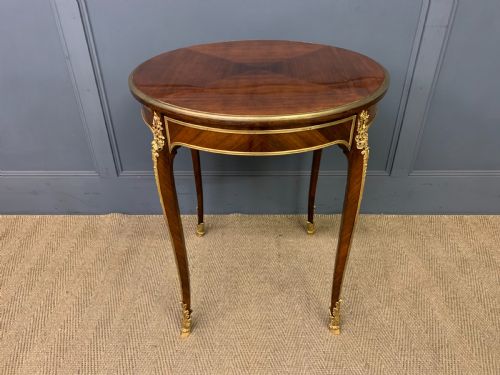
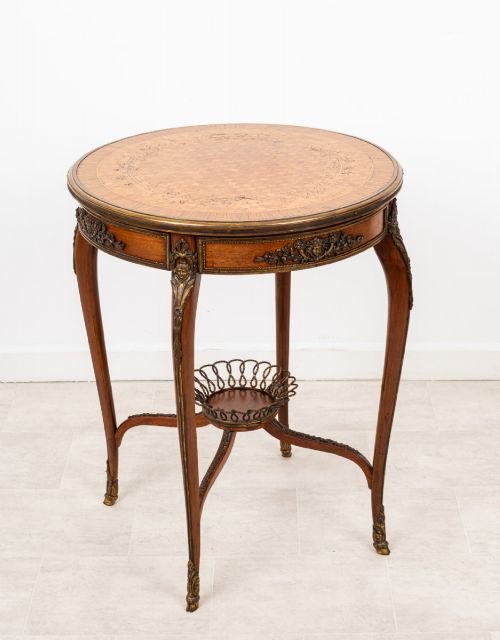
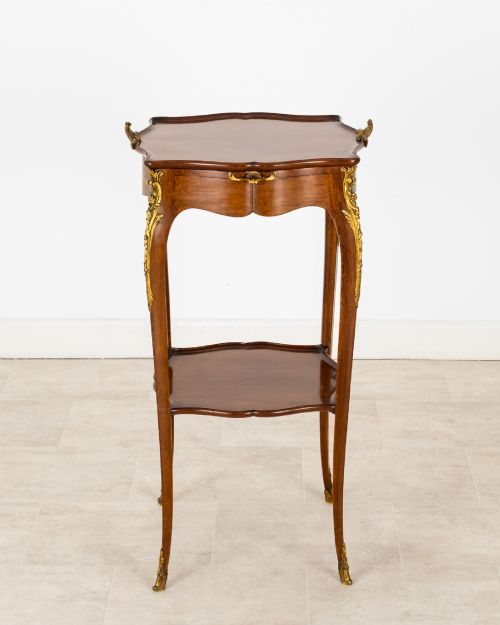
Craftsmen secured the metal mounts around ceramic vases or stone columns using threaded rods, pins, and custom-fitted brass collars designed to follow the contours of the vessel. Marquetry tables and wooden lamp stands incorporated precise inlay work, gilt brass galleries, and cast sabots to complete the ensemble.
Listings feature pieces spanning the eighteenth to the early twentieth century, incorporating French Neo-classical, Rococo Revival, and Chinese export styles.
What varies in quality
Quality separates through the crispness of the bronze chasing and the harmony between the mount and the vessel it embraces. Superior examples exhibit deep, clean definition in the acanthus leaves, scrollwork, and figural details of the ormolu, whereas lesser pieces show soft, blurred casting marks from worn production moulds.
The selection of the core material also dictates the standing of a piece, with high-grade items utilising unblemished rouge marble, hand-painted Sevres style porcelain, or heavy cloisonne enamel rather than plain ceramics. Integration matters equally; finer mounts follow the exact curvature of the porcelain or stone without gaps, uneven overhangs, or clumsy mechanical fixings.
François Linke
The Gilt Bronze Mounted Lamps Glossary
- Ormolu
- Gilded bronze produced by applying a mercury and gold mixture to a bronze base, fired to leave a rich golden layer. It was widely utilised on nineteenth-century French decorative objects and furniture mounts.
- Cassolette
- A decorative vessel shaped like a vase or urn, often reversible with a lid that reveals a burner or a solid top. In lamp form, the body retains its classic neoclassical silhouette.
- Cloisonne
- An enamelwork technique where thin metal wires are soldered to a metal base to create compartments filled with coloured paste and fired. These decorated vessels frequently serve as the central bodies for antique lamps.
- Marquetry
- The art of applying small pieces of wood veneer to a structure to form decorative patterns or pictorial designs. It appears on the tables and stands associated with nineteenth-century lighting arrangements.
- Gueridon
- A small French round table supported by one or more central columns, frequently mounted with gilt bronze or brass. They often served as surfaces to display decorative lamps in period interiors.
Gilt Bronze Mounted Lamps: Frequently Asked Questions
How do I clean gilt bronze mounts?
Gilt bronze and ormolu require gentle dusting with a soft dry brush to prevent dirt accumulation in the recessed chasing. Avoid abrasive metal polishes or chemical cleaners that strip the delicate gold surface layer.
Moisture should be kept away from both the metal and any adjacent porcelain or marble. If deeper cleaning becomes necessary, use a damp cloth followed immediately by thorough drying with a lint-free cloth.
Are these lamps recently converted?
Many nineteenth-century porcelain vases and urns were adapted into lamps long after their initial manufacture, sometimes during the twentieth century. Wiring and internal fittings are frequently updated to meet contemporary safety standards while preserving the antique body.
Buyers should examine the internal hardware and cord exit points to understand how the conversion was executed. These alterations allow decorative vessels from earlier centuries to function safely as practical room lighting.
How do I date these lamps?
Dating relies upon stylistic markers drawn from French revival periods, such as Louis XV, Louis XVI, and Empire designs popular across the nineteenth century. The character of the porcelain glaze, the weight of the bronze casting, and the construction methods of any wooden base all provide clues to the era of manufacture.
Because many pieces combine older ceramic bodies with nineteenth-century metalwork, consulting the specific materials and decorative motifs helps establish a reliable timeframe. Secondary evidence from similar catalogued pieces in the archive aids comparison.
Where should I place a heavy lamp?
Substantial marble-based or bronze-mounted lamps require sturdy furniture capable of supporting considerable weight, such as a heavy centre table, desk, or sideboard. Placing them away from high-traffic walkways prevents accidental knocks against delicate porcelain bodies or protruding ormolu handles.
Consider the height of the surface relative to seating areas to ensure the light source sits comfortably at eye level. Pairing matching lamps on side tables or console tables creates visual symmetry in a room.