
Gilt Blue Ceramics
Gilt blue ceramics unite rich cobalt glazes with gleaming metallic decoration across centuries of fine porcelain and ironstone.
Gilt Blue Ceramics
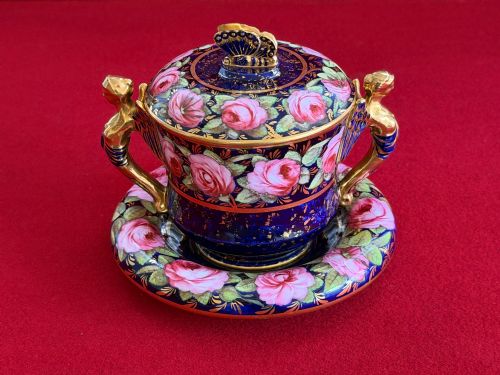
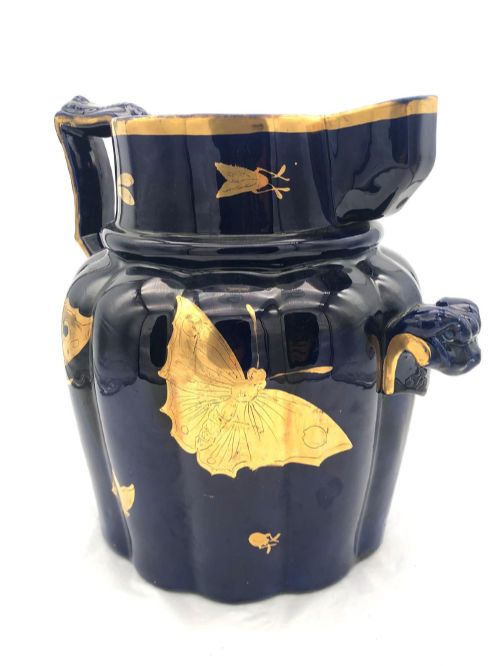
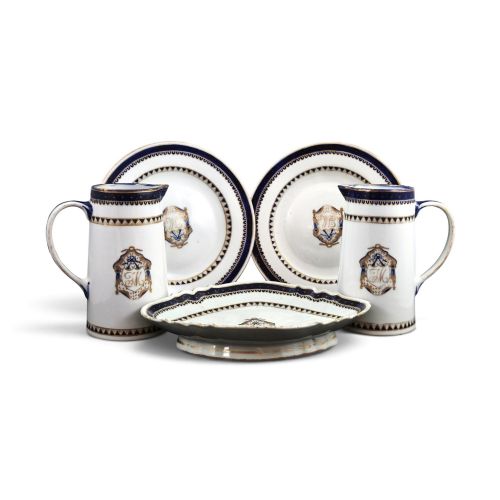
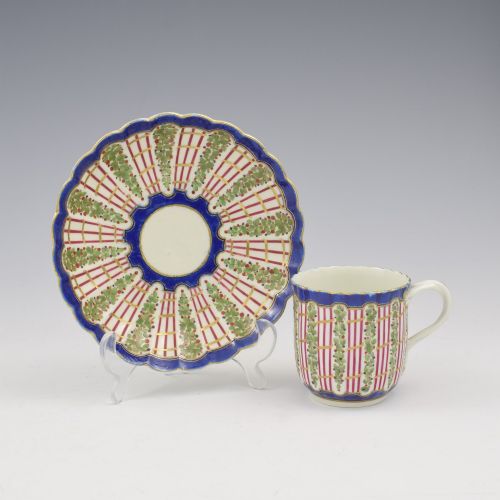
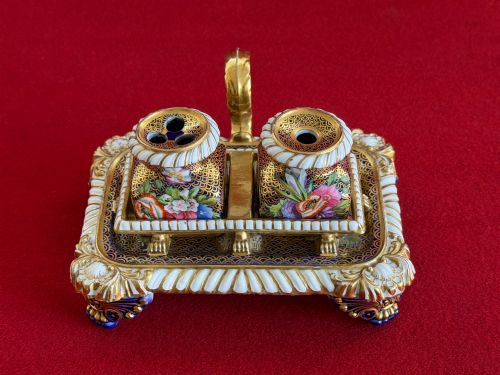
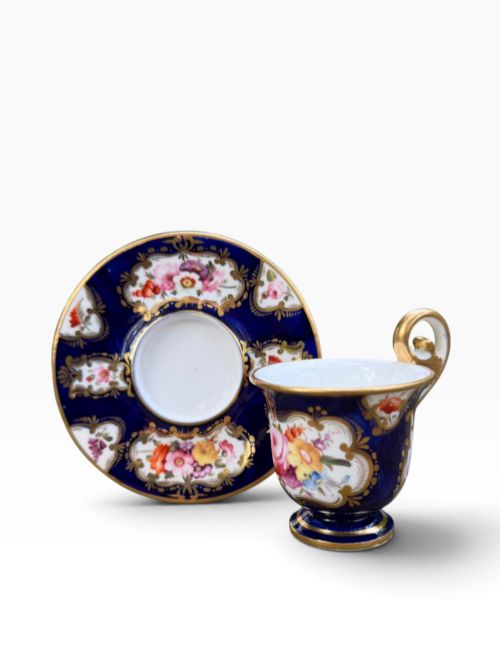
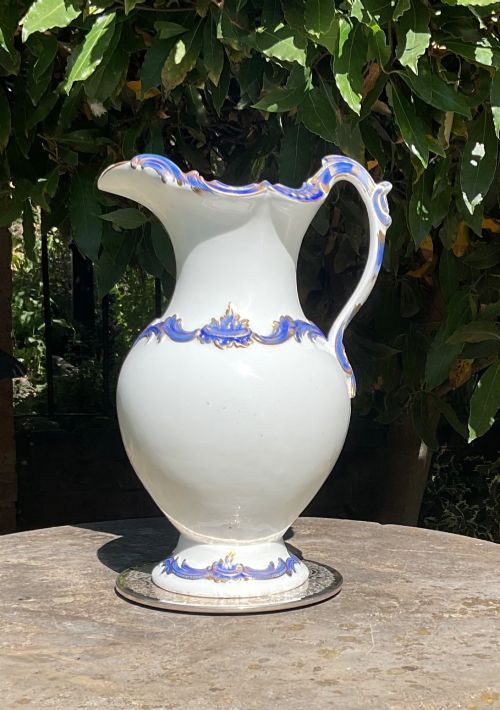
Gilt blue ceramics encompass vessels, tableware, and decorative objects that combine deep blue grounds or underglazes with gold leaf, gilding, or ormolu mounts. The pieces span eighteenth-century Georgian and Regency tea wares to nineteenth-century Victorian vases and Edwardian cabinet plates.
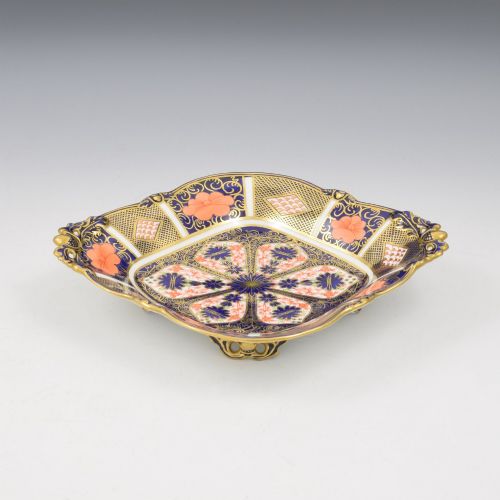
Vases, jugs, decorative plates, and table lamps dominate the selection, often drawing on French rococo revival or Japanese Imari styles. English factories like Worcester, Spode, Derby, and Masons sit alongside French and Chinese exports on this page.
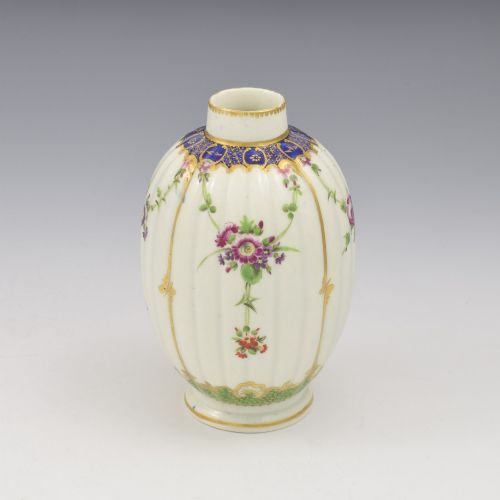
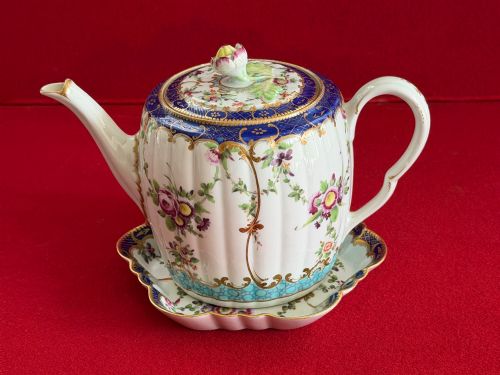
Buyers encounter cobalt blue glazes, turquoise grounds, and cobalt panels enriched with hand-painted gold detailing, gilt bronze trim, or enamel highlights. These items reflect both functional domestic use and grand decorative display from the 18th to the early 20th century.
Materials and production methods
Potters shaped these objects from porcelain, bone china, or ironstone, applying rich cobalt or bleu céleste blue glazes before firing the ceramic body. Artisans then added intricate gold leaf or gilding by hand, frequently returning pieces to the kiln to fix the metallic lustre.
Gilt bronze and ormolu mounts appeared on French and English urns, vases, and table lamps, secured mechanically to frame the ceramic bodies. Ironstone pieces utilised durable earthenware formulations designed for heavy service jugs and ewers.
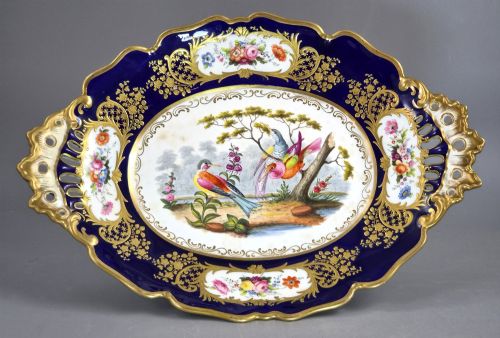
Painters executed polychrome flowers, fancy birds, and intricate borders over or under the glaze, combining cobalt pigments with raised or flat gold detailing.
The inventory spans the 18th century, Georgian, Regency, Victorian, Edwardian, and 20th-century periods.
Judging quality and execution
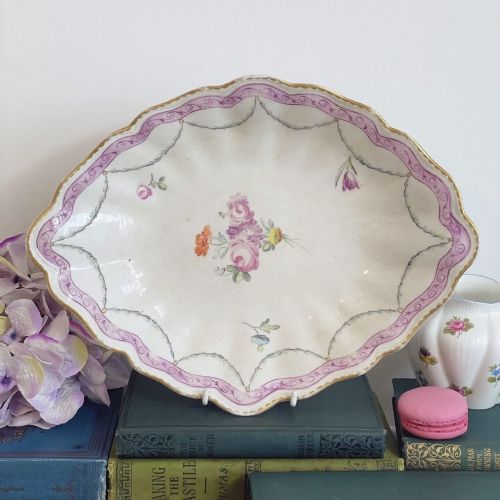
The precision of the hand-painting separates ordinary production from exceptional artistic achievement, particularly in detailed bird panels, fruit studies, and botanical motifs. Crispness in the gilding and the depth of the cobalt or turquoise blue ground determine the visual impact of a vase or cabinet plate.
The quality of secondary mounts, such as cast ormolu trim on porcelain urns and table lamps, indicates the workshop standards during periods like the Regency or late 19th century. Maker attribution, such as signed Royal Worcester pieces or documented Derby and Worcester factory periods, elevates historical interest.
Spode·Derby·Coalport·Sèvres·Masons Ironstone·Royal Crown Derby·Royal Worcester·Hicks and Meigh·Chamberlain Worcester
The Gilt Blue Ceramics Glossary
- Ormolu
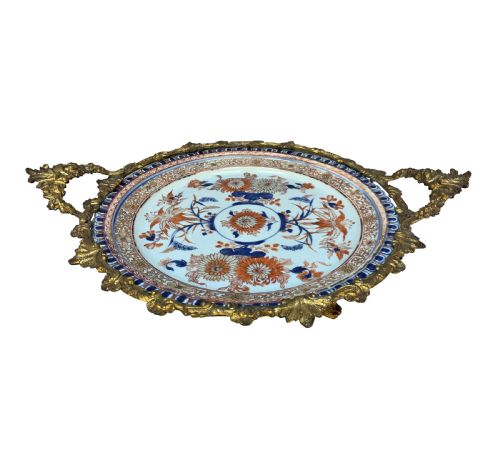
- Gilt bronze mounts applied to furniture, clocks, and ceramic vessels. This technique involves coating cast bronze with a finely ground gold mercury amalgam and heating it.
- Imari palette
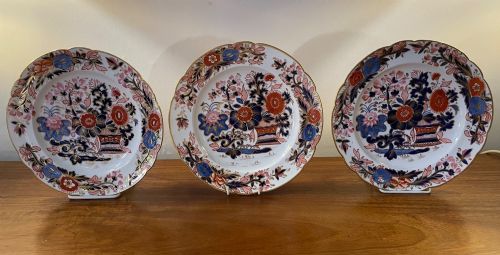
- A decorative scheme inspired by Japanese export wares, featuring iron red, cobalt blue, and gold. English and European factories adopted these distinct patterns extensively during the 18th and 19th centuries.
- Bleu céleste
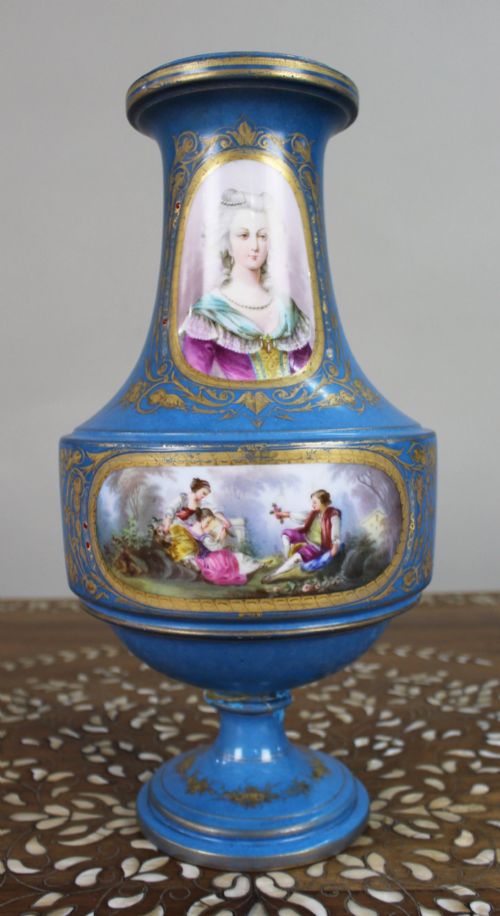
- A bright turquoise blue glaze colour developed at the Sèvres porcelain factory in France. It frequently serves as a ground colour for decorative vases and tazzas.
- Bone china
- A type of soft-paste porcelain incorporating bone ash, developed in England to create a whiter and more durable ceramic body. It accepts cobalt underglazes and surface gilding with high clarity.
- Ironstone
- A heavy, durable ceramic patent material introduced in the early 19th century. It bridges the gap between earthenware and porcelain, often decorated with Imari patterns and rich blue and gold designs.
Gilt Blue Ceramics: Frequently Asked Questions
How do I care for gilt blue ceramics?
Wash porcelain and ironstone items gently by hand using lukewarm water and mild soap, avoiding abrasive sponges that can scratch the delicate gold leaf.
Keep table lamps and ormolu-mounted vases away from direct sunlight and damp environments to protect the metallic trim and painted enamel surfaces.
Are these pieces suitable for daily use?
Many items, such as tea canisters, cups, and jugs, served practical functions in Georgian and Victorian households. However, antique plates and cabinet pieces featuring extensive gilding function better for display than heavy everyday dining.
Hand-washing remains essential for older bone china and ironstone to preserve the historical hand-painted details and gold highlights.
How can I distinguish English porcelain from French styles?
English factories like Worcester, Spode, and Derby frequently utilised bone china bodies and local floral or bird motifs influenced by Oriental exports. French pieces often embraced Sèvres-style bleu céleste grounds, turquoise glazes, and heavy ormolu or gilt bronze mounts.
Examining the base marks, paste consistency, and gilding style helps clarify the regional origin of 19th-century items.
What periods do these ceramics cover?
The pieces span from the mid-18th century through the Georgian, Regency, and Victorian eras into the Edwardian period and the early 20th century. Earlier examples include Dr Wall Worcester tea wares, while later pieces feature Royal Worcester painted fruit plates and Art Deco lustre designs.
Changes in shape, from rococo revival urns to clean baluster vases, reflect evolving aesthetic tastes across these centuries.