


Gillows Side Cabinet
A gillows side cabinet brings together disciplined Lancaster cabinet-making and fine timber, offering a grounded piece of historic furniture for the home.
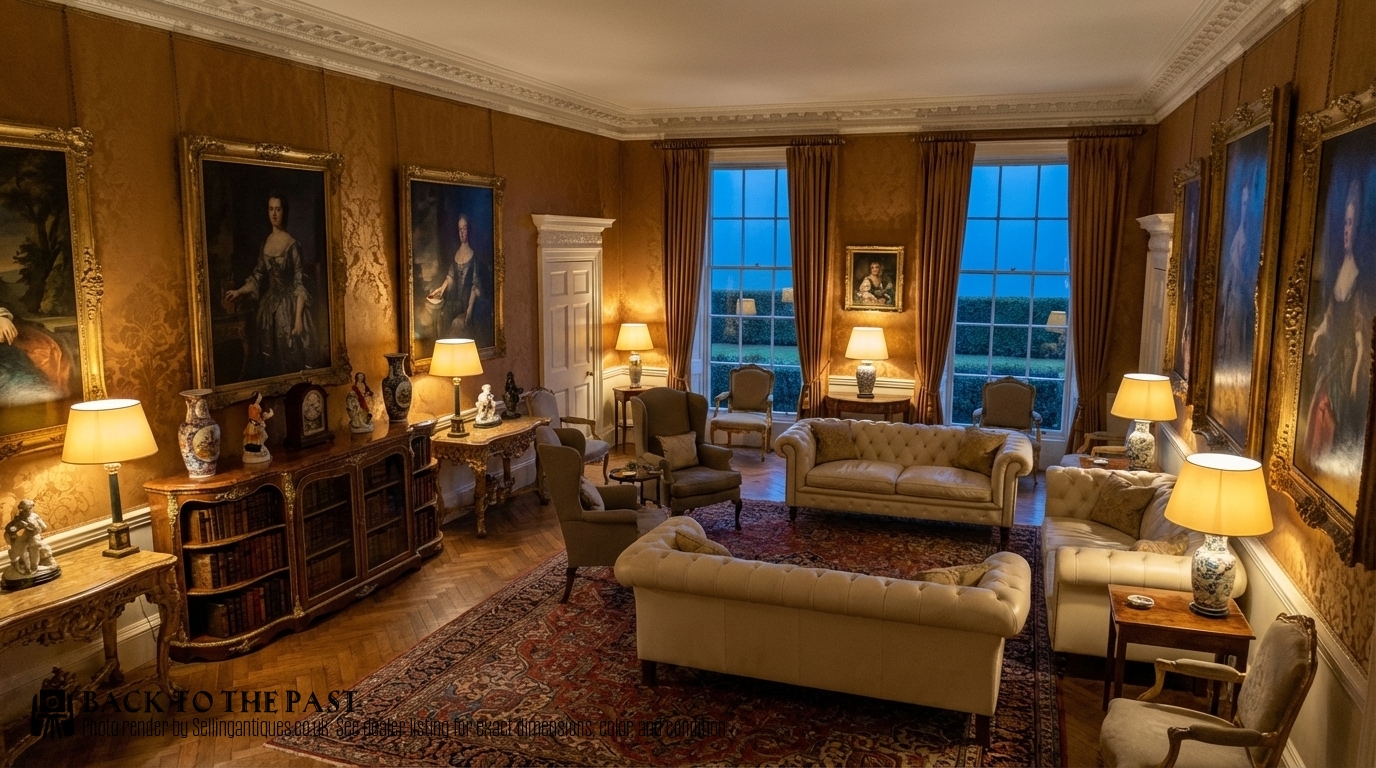
Gillows Side Cabinet
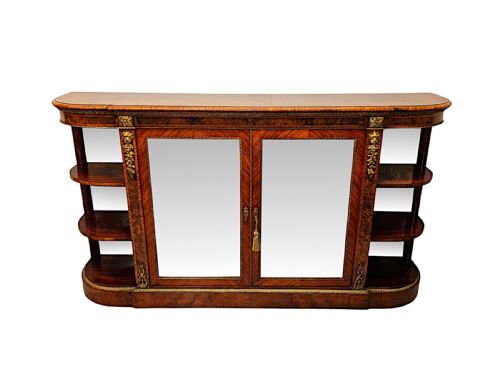
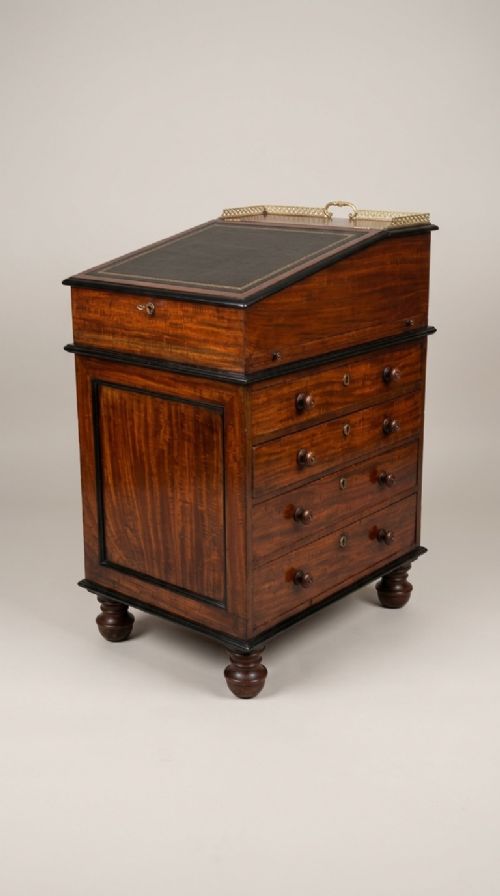
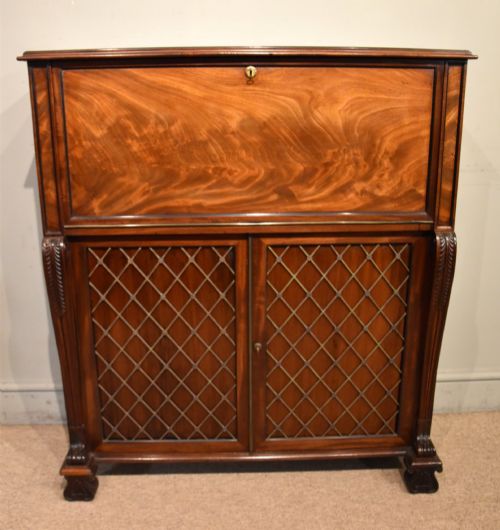
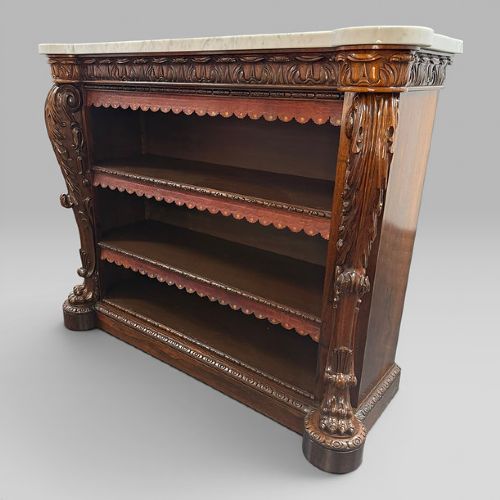
A gillows side cabinet is a storage piece originating from the renowned Lancaster and London firm, spanning periods from the Georgian era through the Victorian period and into the late nineteenth century. These pieces encompass side cabinets, chiffoniers, credenzas, and dwarf bookcases, often incorporating secretaire drawers or open shelving.
Buyers encountering this phrase will find variations ranging from Regency rosewood designs with gilt brass details to later walnut and mahogany iterations. The selection includes attributed works, stamped pieces, and designs executed in the manner of the firm.
Forms extend beyond standard side cabinets to include bedside cabinets, library cabinets, and cabinets on stands, reflecting the diverse output recorded across the Georgian, William IV, and Victorian periods.
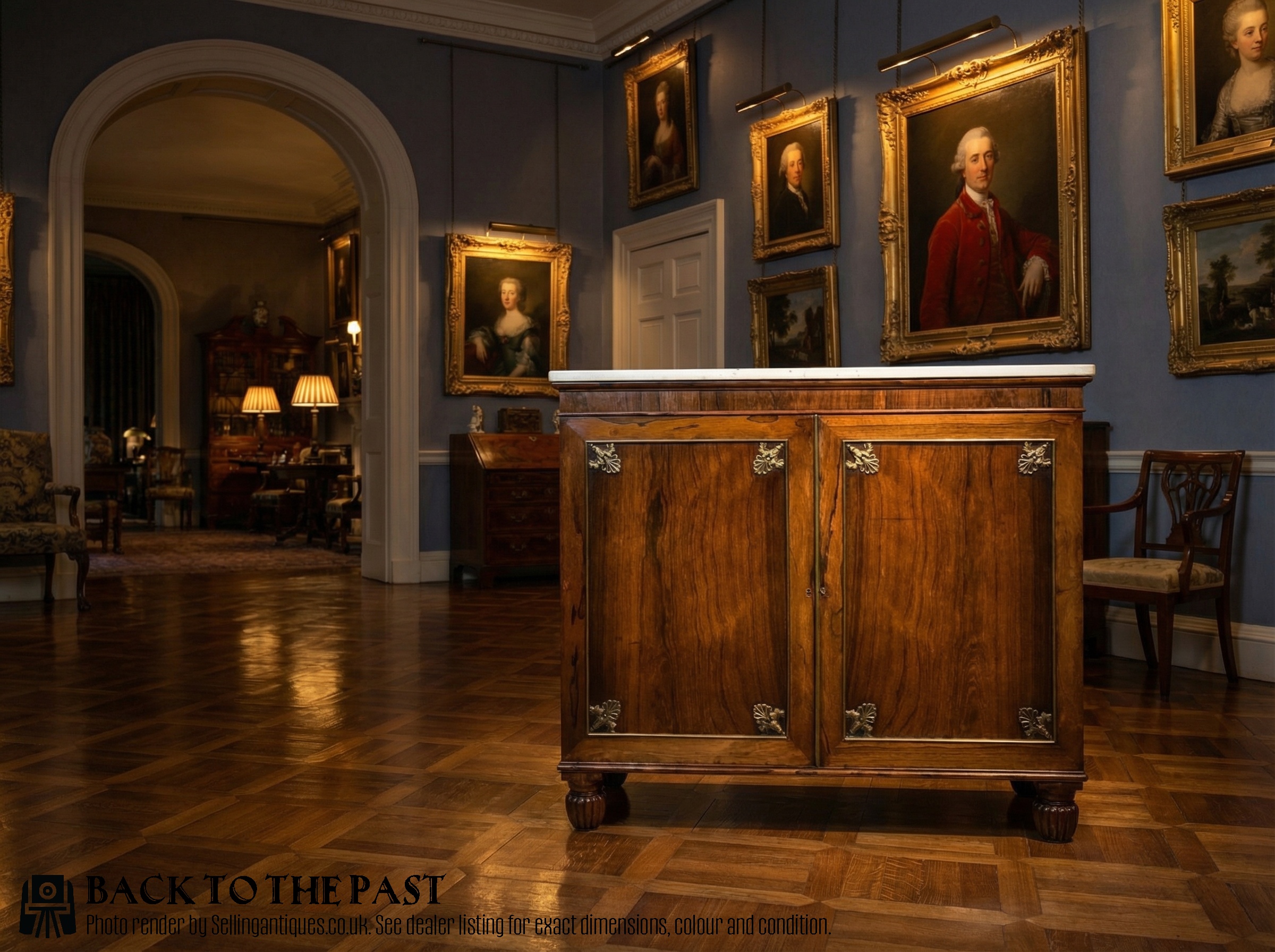
Judging Quality
Quality rests upon the selection and matching of timber veneers, where highly figured burr walnut, rosewood, or satinwood demonstrates superior material grade. The crispness of carved relief work and the integration of brass or ormolu mounts further separate standard execution from finer workshop output.
Interior secondary woods and the precision of internal drawer dovetails indicate the level of care taken during construction. Pieces bearing clear stamps or documentary attribution often reflect the apex of the firm's output during the Regency and Victorian periods.
Listings feature side cabinets spanning the Georgian, Regency, William IV, and Victorian periods, constructed from mahogany, rosewood, burr walnut, satinwood, and oak.
Gillows·Waring and Gillow·Bruce Talbert
The Gillows Side Cabinet Glossary
- Credenza
- A grand display cabinet, frequently featuring mirrored backs, glass doors, and ormolu mounts. This form is often associated with mid-nineteenth-century reception rooms.
- Chiffonier
- A compact sideboard or cabinet equipped with enclosed lower cupboards and sometimes a shelf superstructure above. These pieces served practical storage roles in nineteenth-century interiors.
- Secretaire
- A desk component integrated into a cabinet, featuring a drop-front flap that conceals small drawers and pigeonholes. This hybrid form combines writing and storage functions.
- Ormolu
- Gilded bronze mounts applied to furniture for decorative enrichment. These metallic elements highlight the neoclassical and revival styles seen on nineteenth-century pieces.
- Marquetry
- The art of applying decorative veneer pieces in wood, metal, or shell to form geometric or pictorial patterns. This technique defines the surface ornamentation of satinwood and walnut cabinets.
Gillows Side Cabinet: Frequently Asked Questions
What defines a gillows side cabinet?
A gillows side cabinet is a storage item produced by the Gillows firm of Lancaster and London, or executed in their distinct manner. These pieces span Georgian, Regency, and Victorian periods.
They utilise timbers like mahogany, rosewood, and burr walnut, often incorporating brass inlay, marble tops, or integrated secretaire drawers.
How were these cabinets originally used?
These cabinets functioned primarily as dining room or drawing room storage for porcelain, linen, or books. Chiffonier variants provided surface display space alongside enclosed lower cupboards.
Secretaire versions also offered a concealed writing surface for correspondence in parlours or libraries.
Where should I place one today?
A side cabinet suits a dining room, hallway, or living space where its surface and interior storage can be utilised daily. Lower dwarf cabinets work well beneath artwork or mirrors.
Allow sufficient clearance for doors to open fully, particularly on breakfront or pedestal models.
How do I identify the period?
Regency and Georgian examples often feature clean architectural lines, rosewood, or mahogany with brass stringing or grille doors. Victorian and later pieces introduce heavier proportions, burr walnut, or marquetry.
Stylistic markers like Aesthetic Movement oak or Sheraton Revival satinwood point toward the later nineteenth century.