

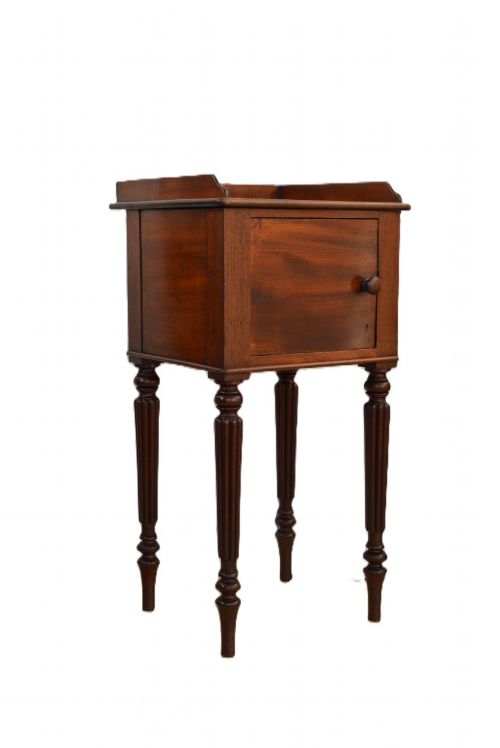


Gillows Mahogany Cabinet
A gillows mahogany cabinet brings enduring Lancaster craftsmanship and fine timbers into a room, offering both display and secure storage.
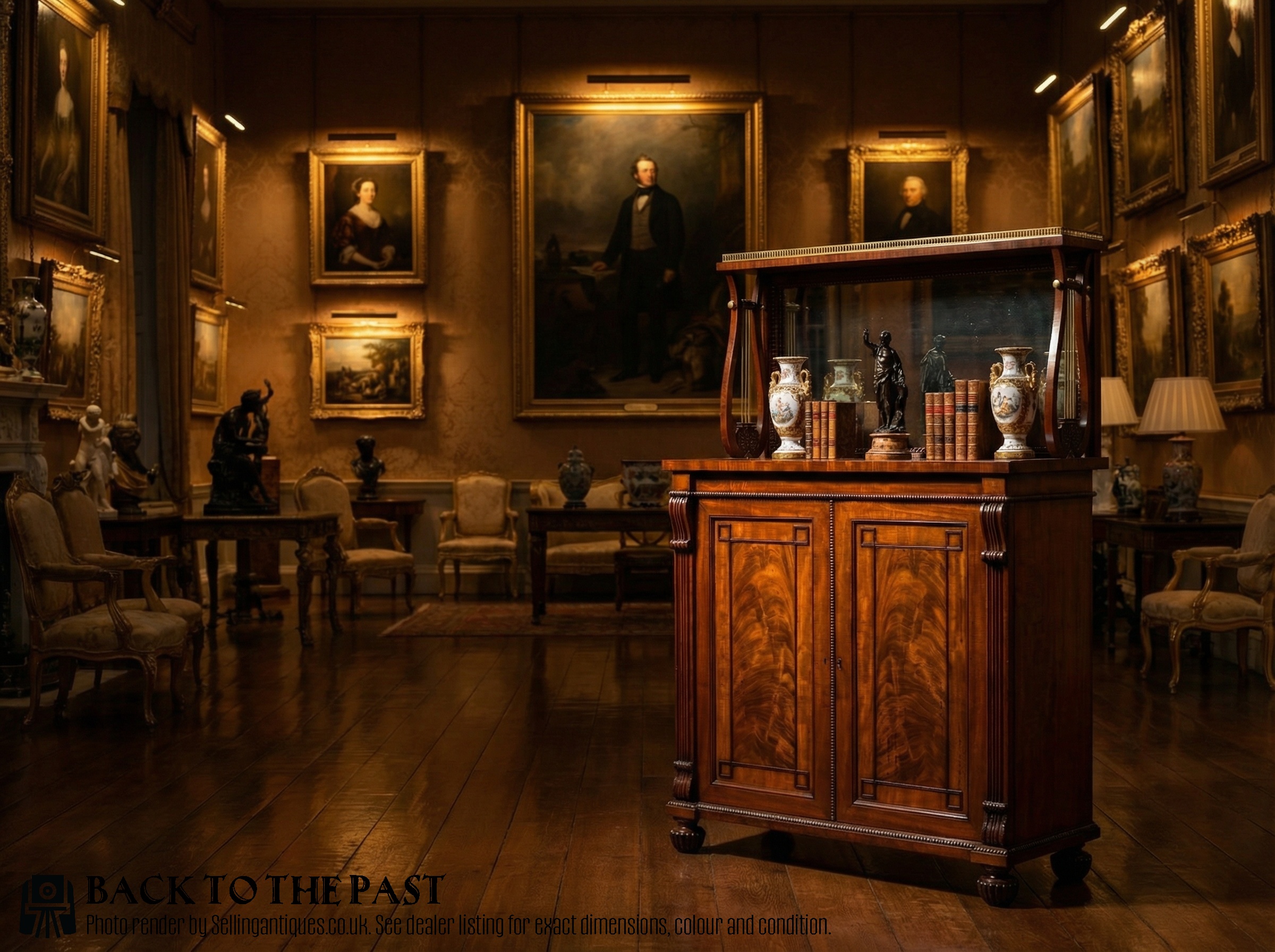
Gillows Mahogany Cabinet
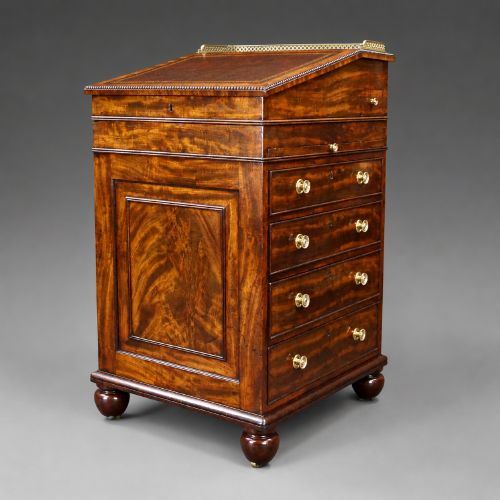
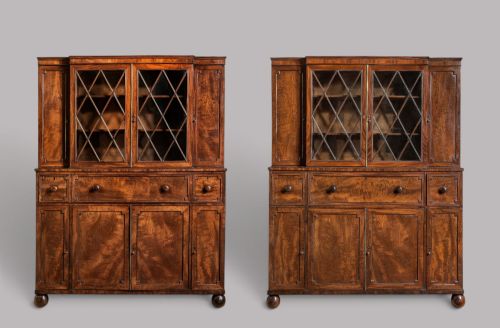
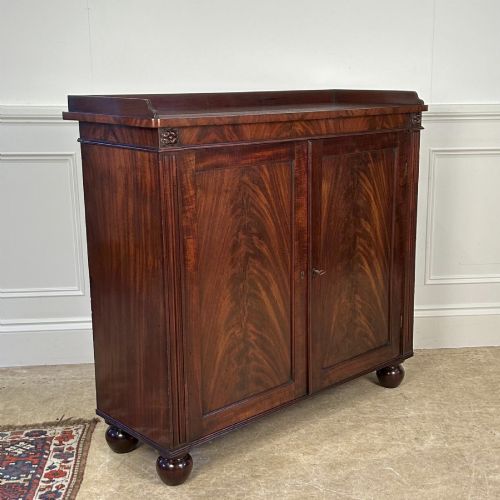
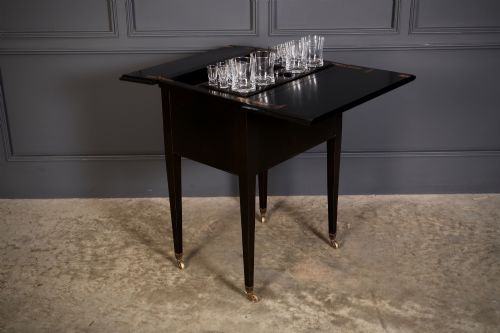
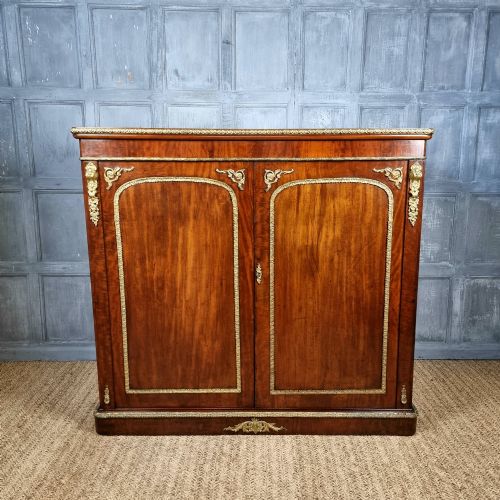
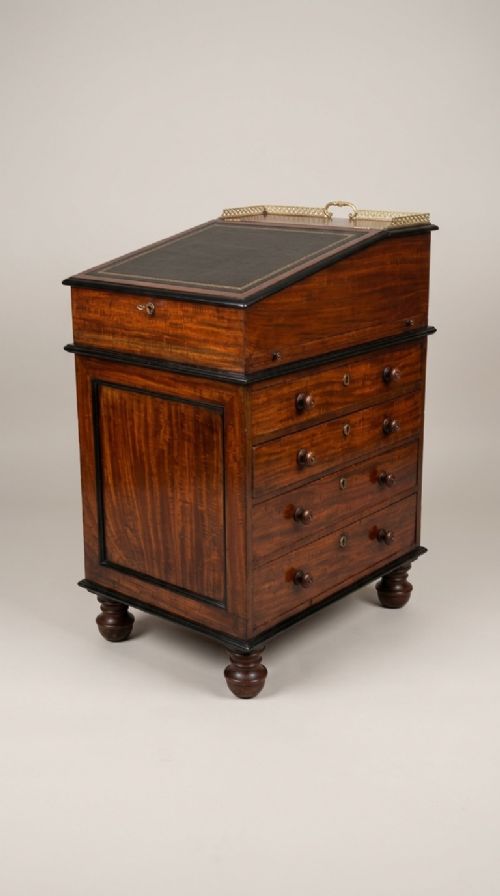
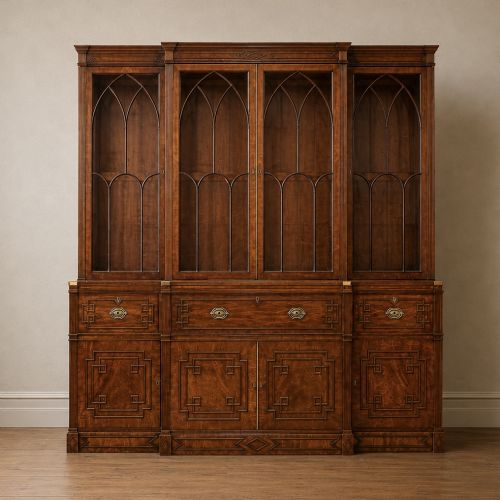
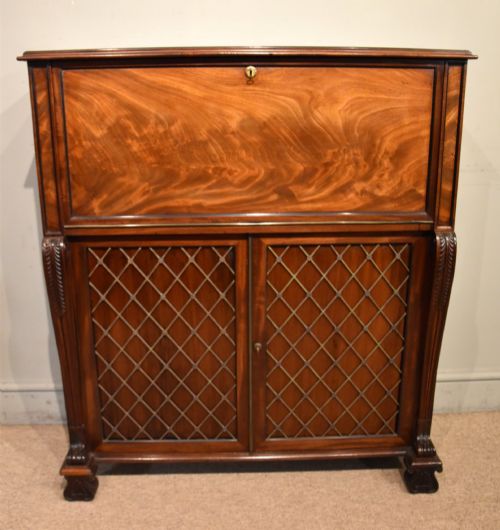
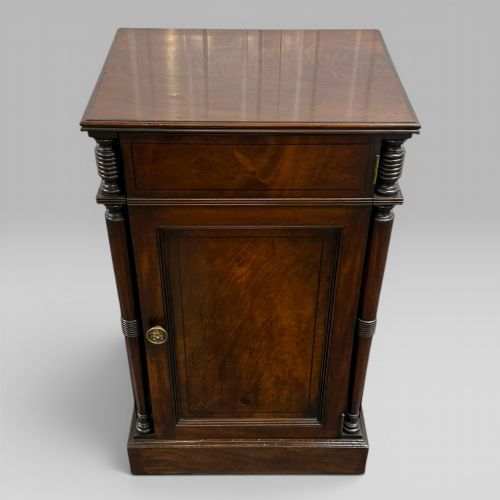
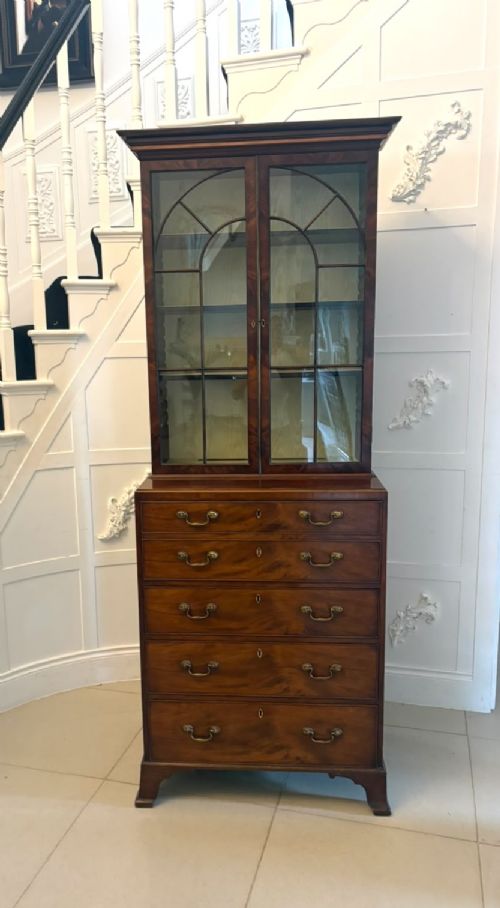
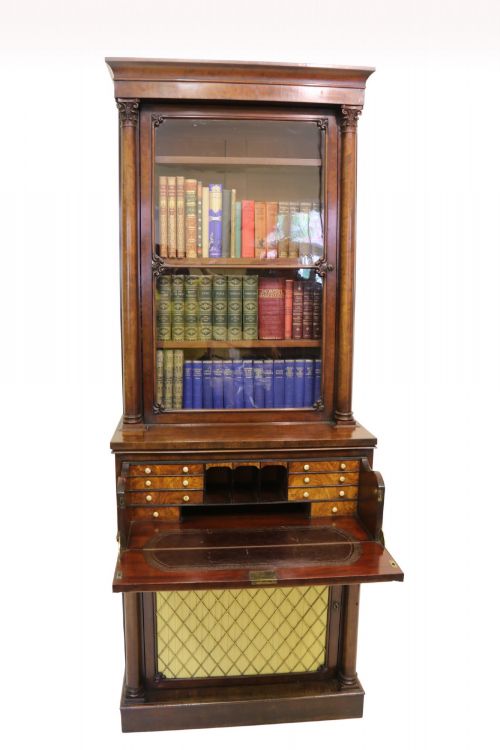
When you search for a gillows mahogany cabinet, you examine pieces originating from the celebrated Lancaster and London firm, spanning the Georgian, Regency, and Victorian eras. These items encompass library bookcases, side cabinets, dwarf secretaires, and bedside cupboards designed for practical household use.
You meet variations ranging from compact dwarf linen presses and pot cupboards to large breakfront bookcases and display cabinets. Many examples survive from the Regency and George IV periods, showing architectural lines and thoughtful proportions.
Pieces frequently emerge with direct attributions, stamped signatures, or distinct design characteristics linking them to the Lancaster workshops. Buyers encounter both documented commissions and pieces created in the manner of the firm.
Materials and construction methods
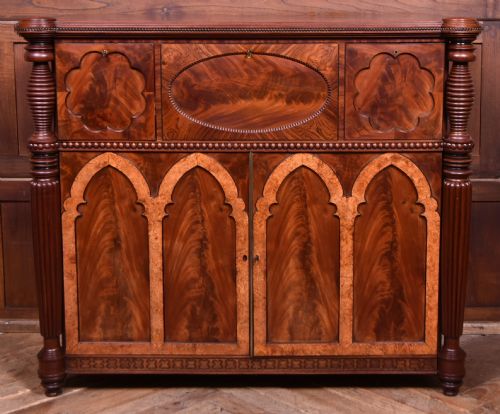
Workshops utilised solid mahogany alongside figured veneers such as flame mahogany, burr walnut, and satinwood to create rich surface movement. Secondary timbers provide structural stability behind the polished primary facades.
Craftsmen incorporated brass hardware, glass panels, and occasional ormolu mounts to accent the timber frames. Carved relief details and delicate inlay work appear across the Georgian and Victorian examples.
Gillows Mahogany Cabinet Retail Price Guide 2026
Typical asking prices for gillows mahogany cabinet among the pieces listed under this phrase on Sellingantiques today, from the lower quarter to the upper quarter. They describe what is for sale here now, not the wider market.
Listings include mahogany, brass, glass, flame mahogany, burr walnut, and satinwood across the Regency, Victorian, and Georgian periods.
Assessing quality in the workshop output
Quality rests in the selection of timber figures, where symmetrical flame mahogany or burr walnut veneers demonstrate superior material choice. The crispness of carved relief elements and the precision of the joinery separate standard production from exceptional workshop output.
Hardware integrity and internal secondary woods reveal the standard of construction, while documented provenance or maker stamps elevate the historical interest of a piece.
Gillows·Waring and Gillows
The Gillows Mahogany Cabinet Glossary
- Secretaire
- A cabinet featuring a pull-down writing drawer fitted with small pigeonholes and letter compartments. This dual-purpose form remained popular throughout the Georgian and Regency periods.
- Breakfront
- A piece of furniture where the central section projects forward from the flanking wings. This architectural arrangement creates depth and visual interest in large bookcases and side cabinets.
- Chiffonier
- A small sideboard or low cabinet typically fitted with enclosed shelves below and sometimes a superstructure. These items served dining and drawing rooms in the nineteenth century.
- Flame mahogany
- A veneer cut from the fork of the mahogany tree to produce a dramatic, flickering grain pattern. Makers prized this timber for prominent drawer fronts and door panels.
- Dwarf cabinet
- A low-standing storage piece designed not to obscure wall hangings or windows. These compact forms suit smaller modern interiors while offering functional capacity.
Gillows Mahogany Cabinet: Frequently Asked Questions
How do I spot a genuine piece?
Look for signature workshop traits such as numbered drawers, specific secondary timbers, and documented construction methods associated with the Lancaster firm. Stamped drawer linings or legible signatures provide the most direct confirmation of origin.
Compare the proportions and brass hardware against known examples from the Regency and Georgian periods. Subtle details in the drawer dovetailing often distinguish authentic workshop output from later imitations.
Where were these cabinets used?
These pieces suited libraries, bedrooms, and principal reception rooms in large houses and town residences. Bedside cabinets and pot cupboards served sleeping quarters, while bookcases and secretaires furnished formal studies.
Side cabinets and chiffoniers functioned in dining spaces for storing glassware and linens. Their versatile forms allowed them to adapt to changing domestic requirements over successive centuries.
How do I care for the timber?
Maintain a stable indoor humidity and keep the wood away from direct heat sources to prevent the mahogany and its veneers from splitting. Regular dusting with a dry, soft cloth preserves the polished surface.
Apply traditional beeswax sparingly when the finish appears dry, avoiding modern silicone polishes that build up residue. Gentle handling protects fragile brass mounts and inlaid borders.
What periods do these pieces span?
The inventory covers items from the George III period through the Regency, George IV, and into the Victorian era. Earlier Georgian examples display classical proportions, while Regency and Victorian pieces introduce varied revival styles.
Production methods evolved across these decades, shifting from eighteenth-century architectural forms to heavier nineteenth-century display cabinets and Gothic revival designs.