

Gilded Wood Framed Artwork
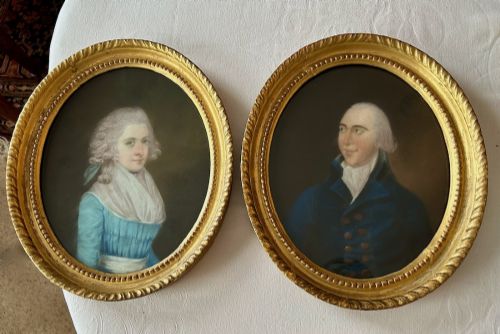
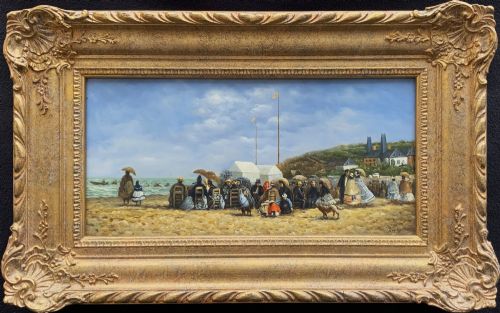
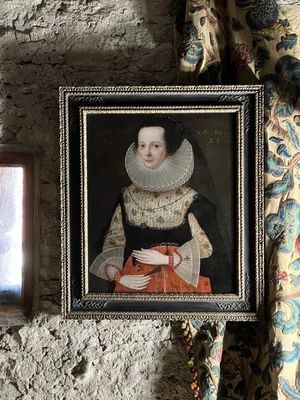
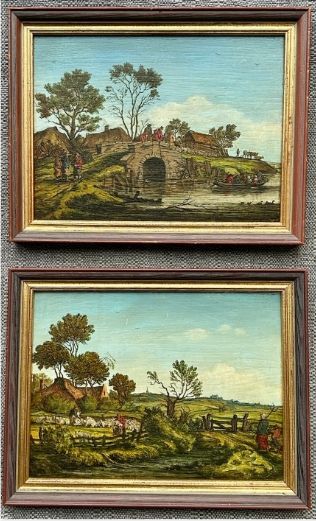
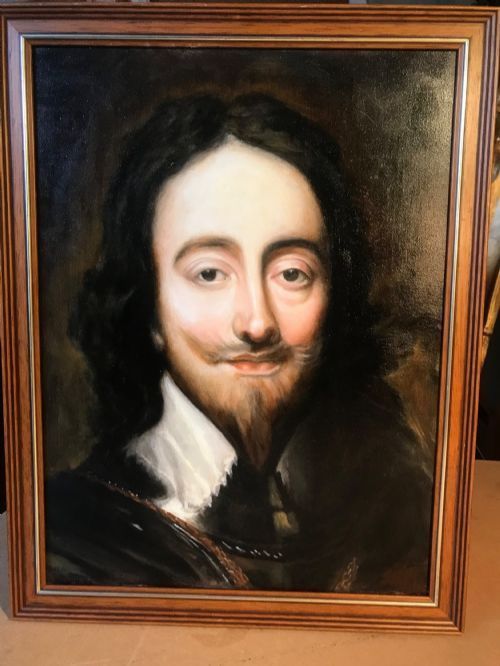
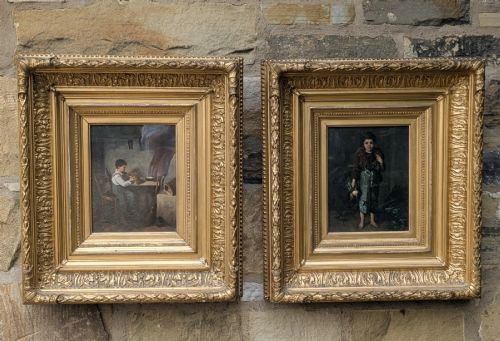
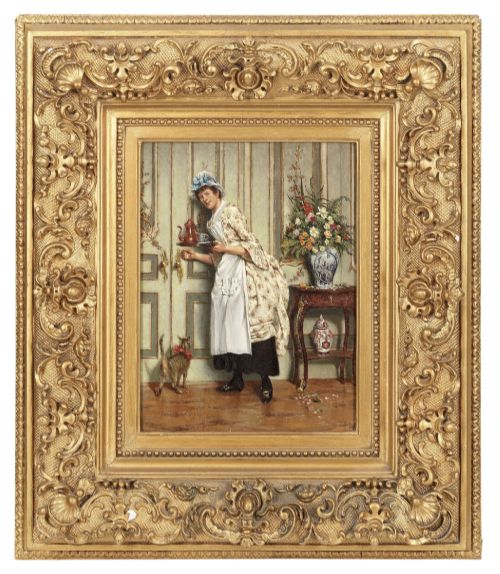
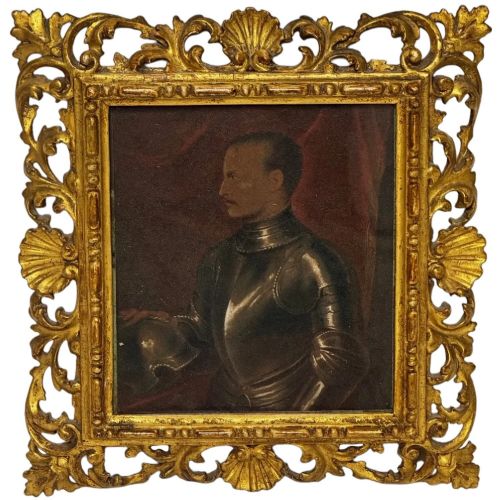
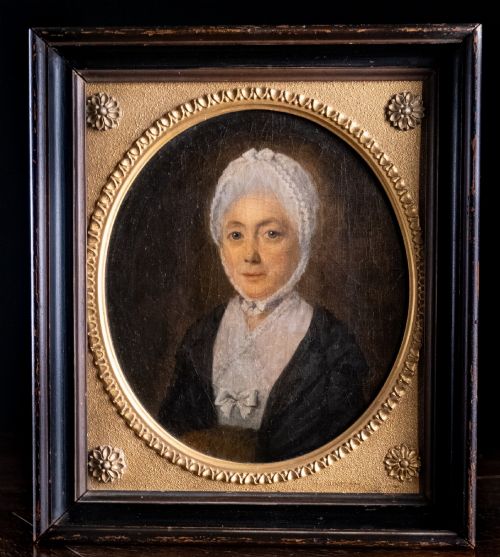
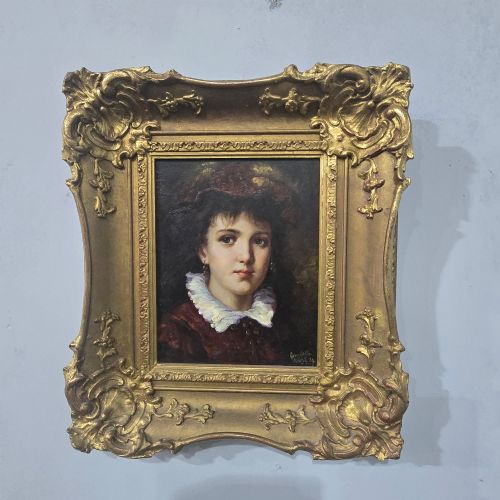
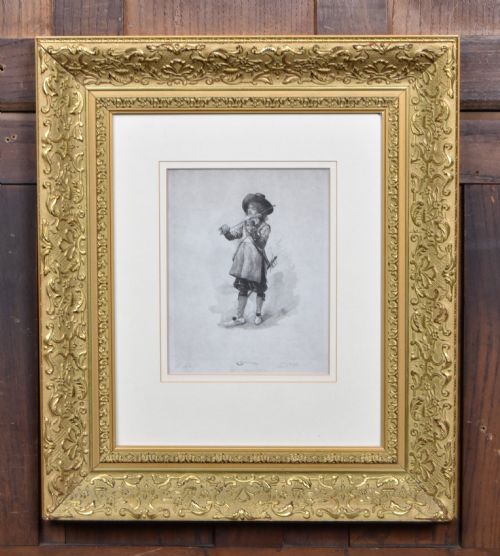
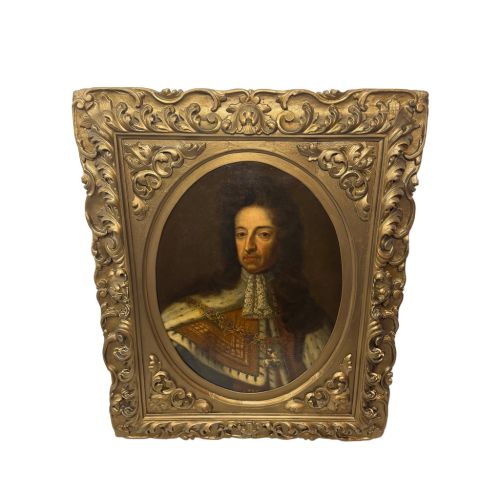
These gilded wood framed artwork pieces combine centuries of portraiture and landscape with ornate metallic borders.
Gilded Wood Framed Artwork
Gilded wood framed artwork encompasses oil paintings, pastels, watercolours, and engravings encased in ornate metallic surrounds. Buyers discover works spanning from the seventeenth century through the twentieth century.
The nineteenth century provides a substantial portion of these listings, alongside eighteenth-century portraits and Dutch Golden Age interpretations. Canals, pastoral landscapes, and historical figures populate the wooden panels and canvases.
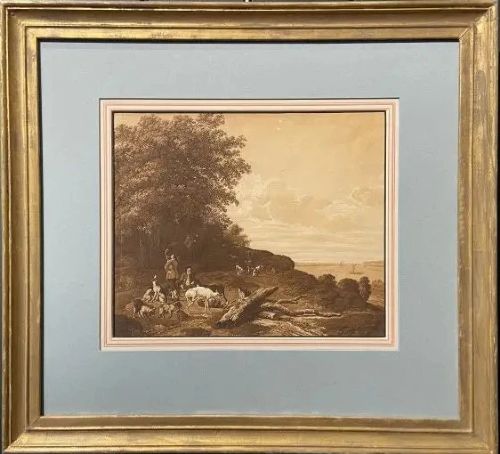
Moulded surrounds in gilt wood and gesso protect these historic watercolours and oil paintings. Each piece presents a distinct window into past artistic styles, including Baroque, Victorian, and Rococo Revival.
How They Were Made
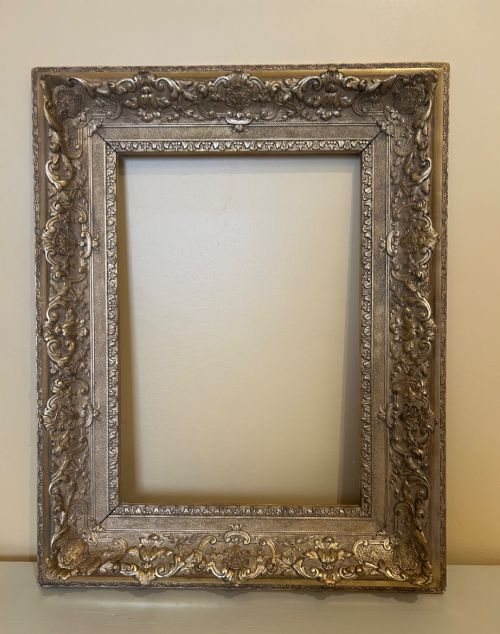
Makers applied thin gold leaf over layers of gesso applied directly to carved wooden foundations. Artisans sculpted intricate floral and geometric motifs into the wet plaster before gilding.
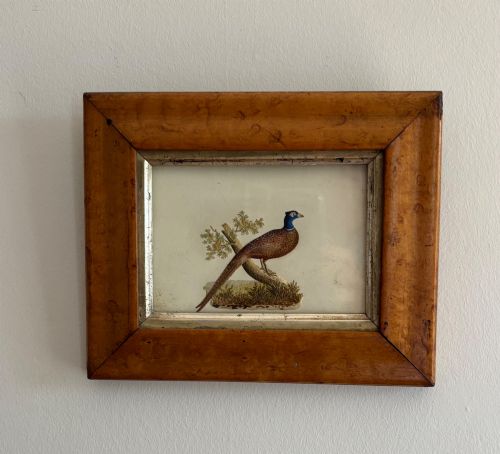
Painters utilised oil on canvas or wood panels, alongside watercolours and gouache on paper, applying pigments by hand. Protective layers of glass frequently shield delicate pastels and paper works within their frames.
Listings feature works executed in oil, pastel, and gouache, housed inside seventeenth to twentieth-century gilded wood frames.
What Varies in Quality
The depth and intricacy of the carved gesso ornamentation set exceptional frames apart from simpler mouldings. Hand-applied gold leaf displays a warmer, more nuanced lustre than later metallic paints.
Artist execution defines the interior canvas, where confident brushwork and precise anatomical drawing elevate portraits above standard decorative output. Original frames matching the period of the artwork hold greater historical cohesion.
Samuel Dixon·Thomas Spinks·Emily Eyres·Stephen Samuel Lewin·Alfred Arthur Brunel de Neuville
The Gilded Wood Framed Artwork Glossary
- Gesso
- A plaster mixture applied to wood frames to create a smooth surface for gilding. Artisans carved intricate relief patterns directly into this foundation.
- Gilt Wood
- Timber coated with a thin layer of gold leaf or metallic powder. This technique provided the opulent appearance of solid gold at a manageable weight.
- Oil on Canvas
- Pigment mixed with drying oils applied to stretched woven fabric. This medium dominated European fine art for centuries.
- Pastel
- A dry pigment stick used to create powdery, vibrant drawings on paper or canvas. These works require glass protection to prevent smudging.
- Oleograph
- A mechanical colour lithograph printed on canvas to imitate an oil painting. Victorians produced these as affordable domestic wall art.
Gilded Wood Framed Artwork: Frequently Asked Questions
Are these oil paintings original?
The inventory contains hand-painted works on canvas, wood panels, and paper alongside period prints and oleographs.
Examine the surface texture closely under indirect light to distinguish authentic brushstrokes from printed reproductions.
What periods do these frames represent?
The collection spans seventeenth-century Dutch pieces, eighteenth-century Georgian portraits, and Victorian landscapes.
Twentieth-century examples also appear, reflecting later revivals of historic framing techniques.
Can I hang these in direct sunlight?
Ultraviolet rays degrade historic oil paints, watercolours, and the organic binders in gesso over time.
Position your artwork away from south-facing windows to preserve the rich colours and metallic lustre.