

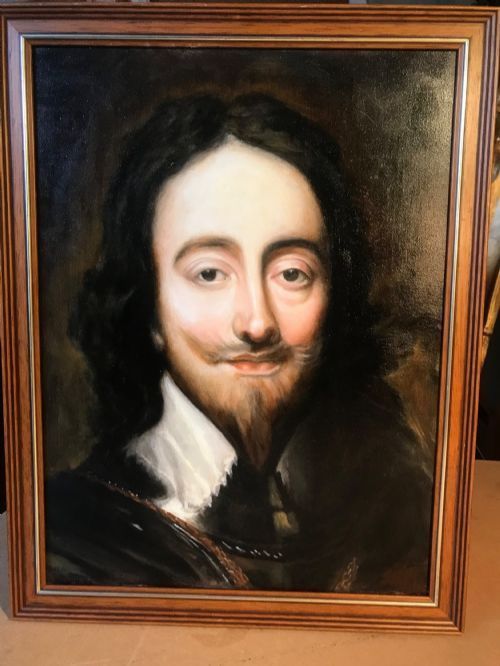
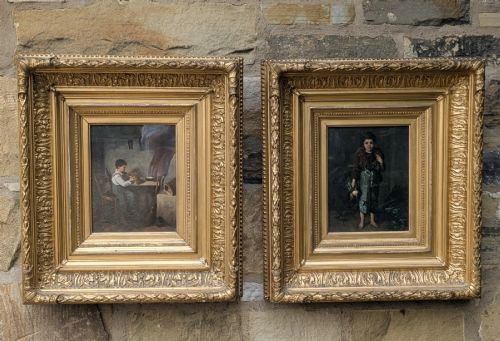
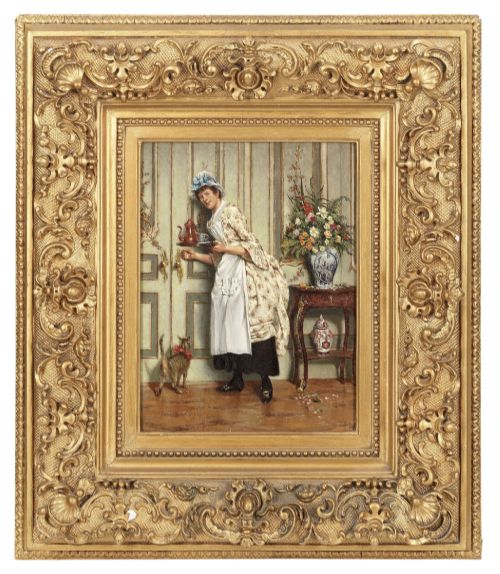
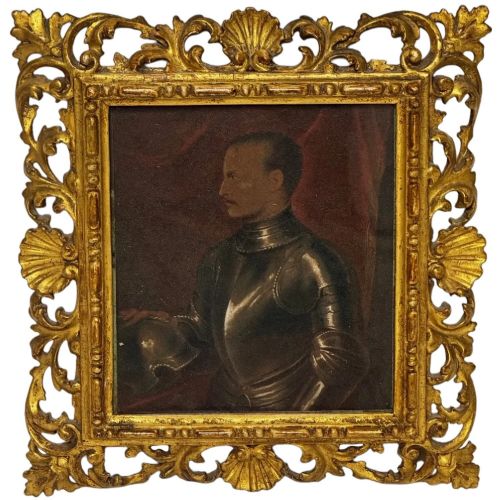
Gilded Wood Frame Artwork
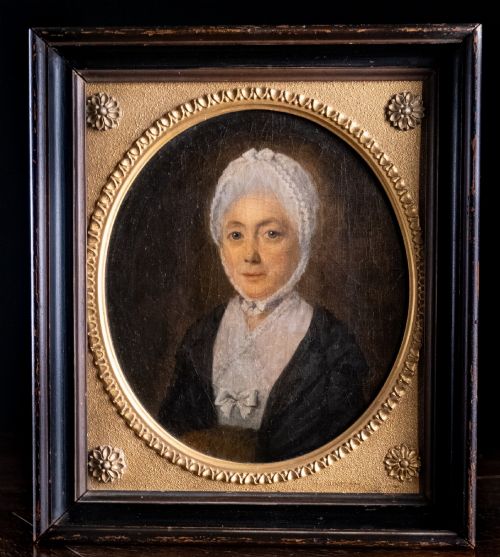
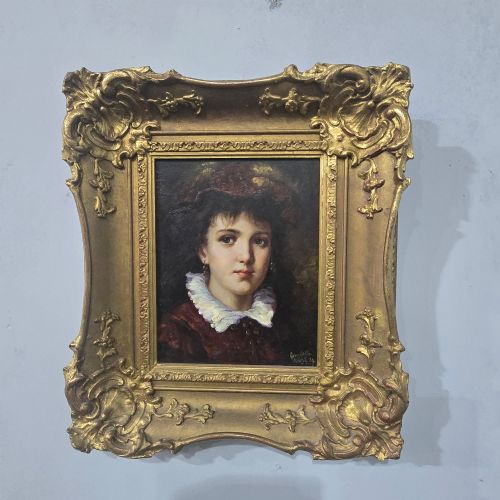
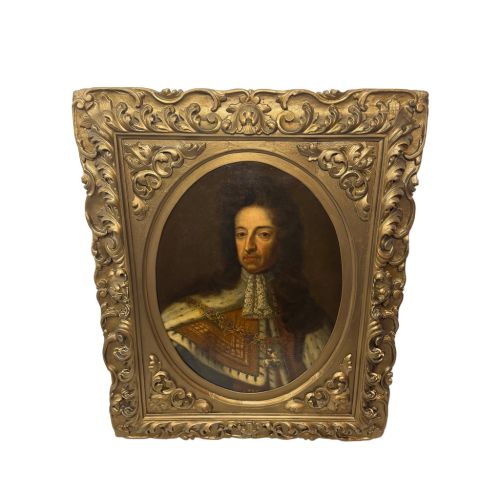
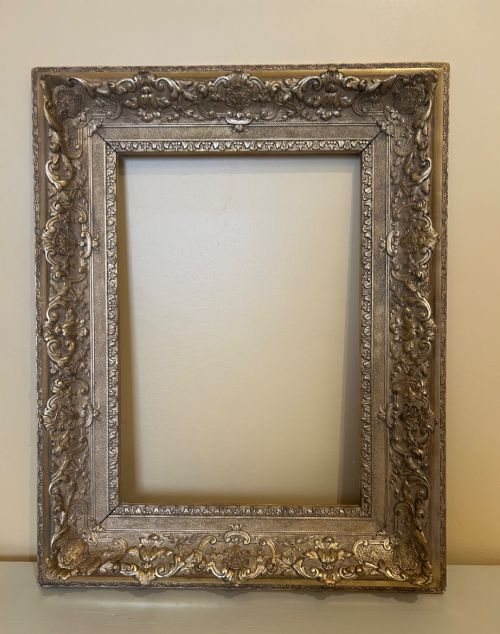
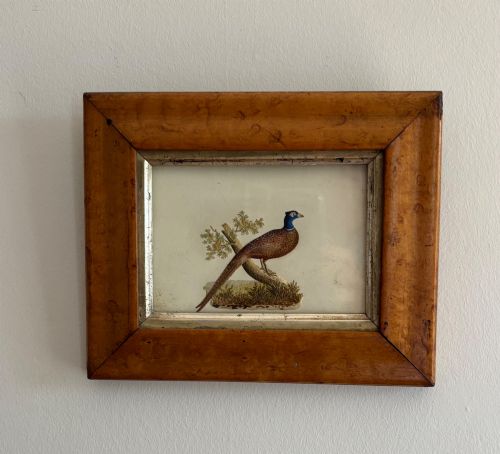
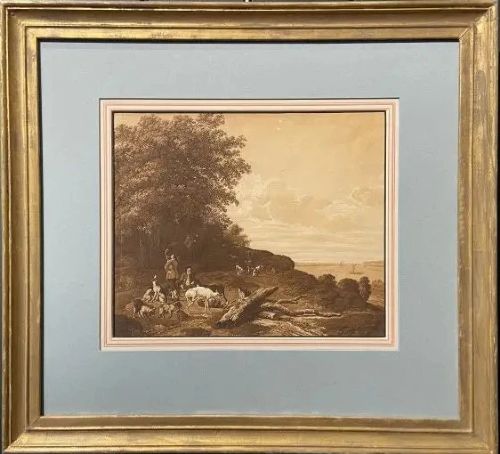
These gilded wood frame artwork selections span centuries of portraits, landscapes and decorative scenes enclosed in ornate metallic surrounds.
Gilded Wood Frame Artwork
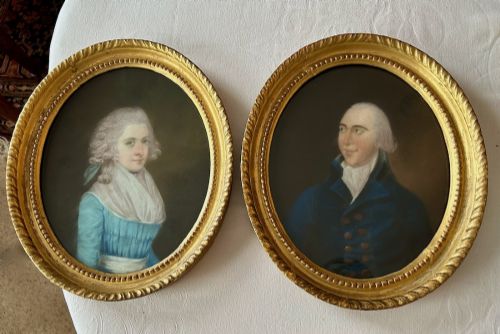
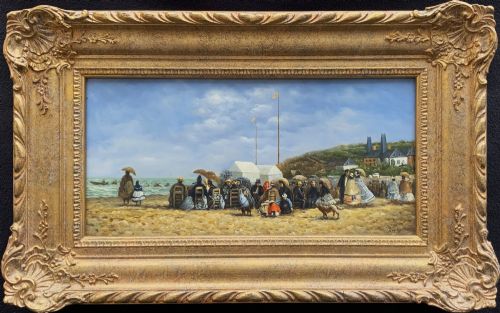
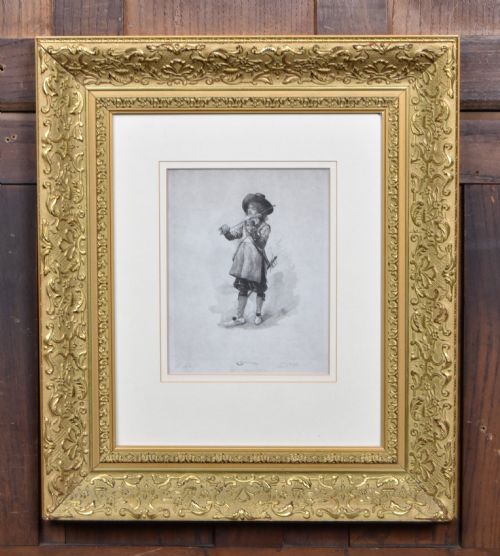
When hunting for gilded wood frame artwork, buyers encounter a diverse selection of paintings, portraits and prints from various periods including the 17th, 18th and 19th centuries. The objects range from oil paintings on canvas and wood panels to watercolours, pastels and engravings.
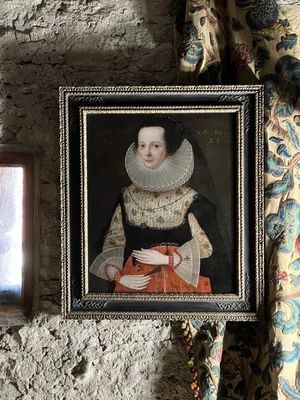
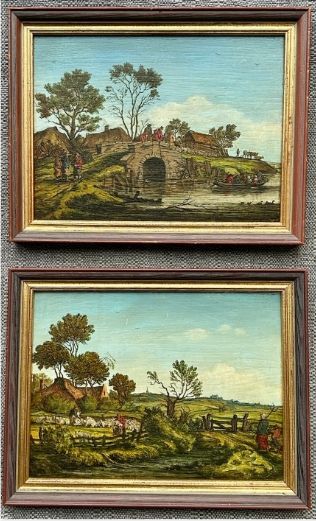
The most common forms on this page pair historical subject matter - such as noble portraits, pastoral landscapes and genre scenes - with period enclosures fashioned from gilt wood or gesso. These pieces capture centuries of European artistic tradition, spanning British, French, Dutch and Italian schools.
Materials and Construction
The physical objects combine painted or drawn imagery on supports like canvas, wood panels and paper with elaborate moulded surrounds. Makers shaped wood and applied gesso layers before adding the characteristic gold or gilt finish to the outer housings.
Artisans employed media such as oil paint, pastel, watercolour and gouache to create the visual works, often encasing delicate surfaces under glass to protect the pigment and paper from environmental wear.
Materials recorded across the inventory include canvas, wood panels, oil paint, gesso, glass and paper.
Quality Variations
The distinction between standard examples and finer works rests in the subtlety of the painting technique, the depth and execution of the carved or moulded frame, and the overall state of preservation. Earlier pieces from the 17th and 18th centuries often display more intricate detailing in both the artwork and the surrounding gilt moulding.
Provenance, historical attribution to known schools or painters, and the originality of the matching frame significantly elevate the standing of a piece within the broader range.
Emily Eyres·Stephen Samuel Lewin·Samuel Dixon·Johannes Lingelbach·Thomas Spinks·Alfred Arthur Brunel de Neuville·Paul-Jean Anderbouhr·Gaston Cornil·Alice Anne Renshaw
The Gilded Wood Frame Artwork Glossary
- Gesso
- A plaster-like mixture applied to wood frames to create a smooth surface before gilding. This material allows artisans to carve intricate relief ornaments.
- Gilt Wood
- Wood that has been coated with a thin layer of gold leaf or metallic powder. It provides the signature reflective surface characteristic of these antique housings.
- Oil on Canvas
- Pigment mixed with drying oil applied to stretched fabric. This technique forms the primary medium for many historical paintings on this page.
- Pastel
- A medium consisting of powdered pigment and a binder rolled into sticks. Works executed in this material require protection under glass.
- Basso-rilievo
- A sculptural technique where figures project only slightly from the background plane. This appears in specific decorative picture pieces.
Gilded Wood Frame Artwork: Frequently Asked Questions
How do I date a gilt frame?
Dating relies on examining the construction methods of the wood, the composition of the underlying gesso, and the style of the moulding ornamentation. Earlier frames often feature hand-carved wooden details, whereas later 19th-century examples frequently utilise moulded composition applied to a wooden base.
Comparing the style of the frame to the period of the artwork it encloses helps establish whether they are original to one another.
Are these paintings original?
The selection includes original period works by named and un-named artists alongside historical copies and post-Renaissance studies after masters like Raphael and Van Dyck. Each listing details the specific medium, such as oil on canvas or pastel on paper, to indicate its nature.
Reviewing the descriptive attribution helps clarify whether a piece is an original primary work from a specific century or a subsequent study.
How should I hang heavy gilt frames?
Due to the substantial weight of wood and gesso construction, secure wall fixings directly into wall studs or heavy-duty masonry anchors are essential. Using professional picture-hanging wire rated above the weight of the piece ensures stability.
Positioning the artwork away from direct sunlight and severe temperature fluctuations protects both the painted surface and the delicate gilt finish.
What subjects are most common?
Portraits dominate the offerings, ranging from 17th-century noblewomen and Georgian figures to Victorian pastel studies. Pastoral landscapes, tavern scenes and animal paintings also appear frequently across the 18th and 19th-century entries.
These subjects reflect the prevailing domestic tastes of European collectors during the Victorian, Georgian and Edwardian eras.