


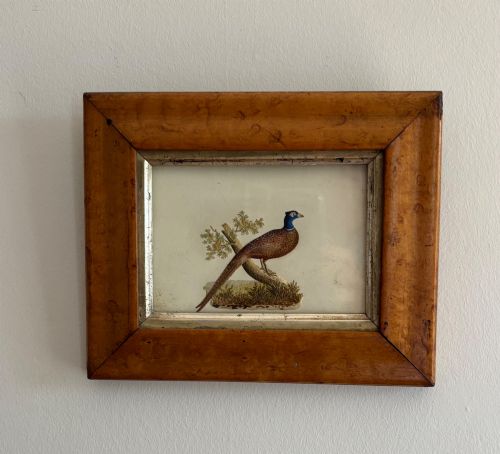
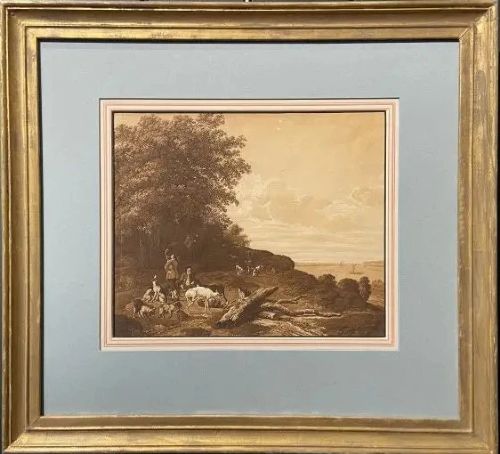
Gilded Wood Artwork
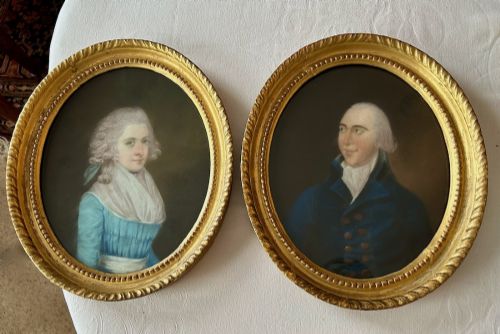
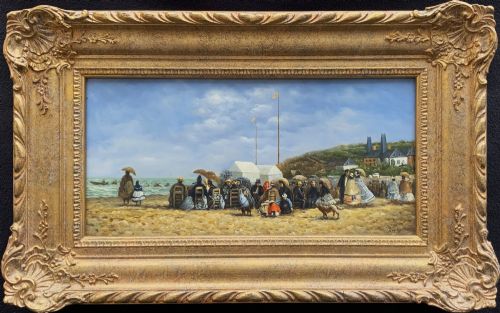
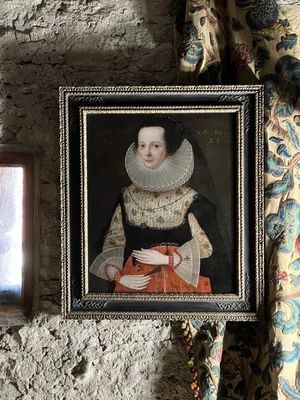
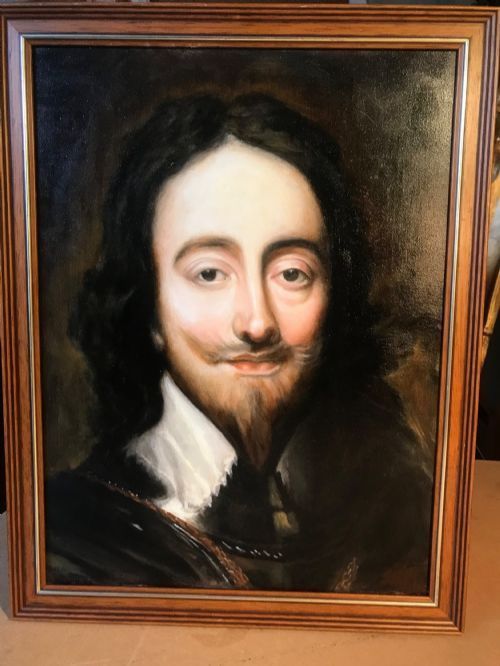
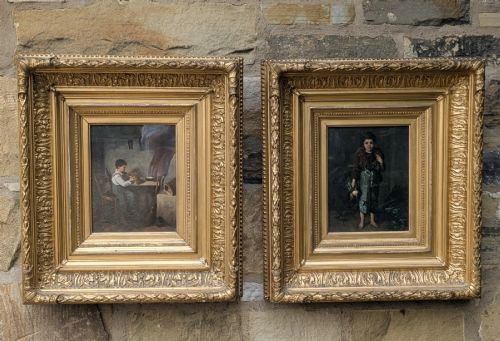
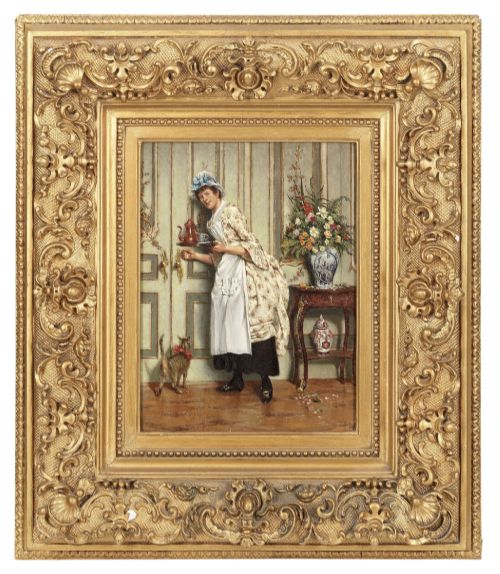
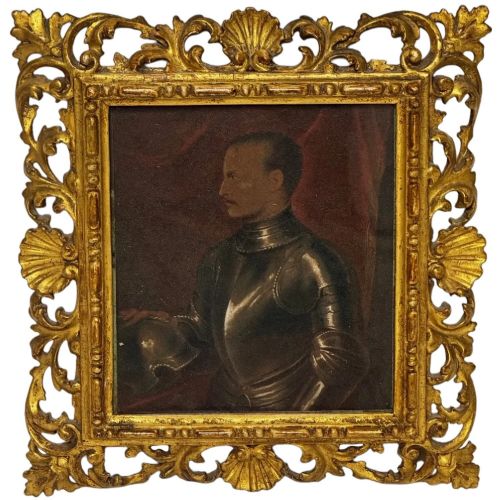
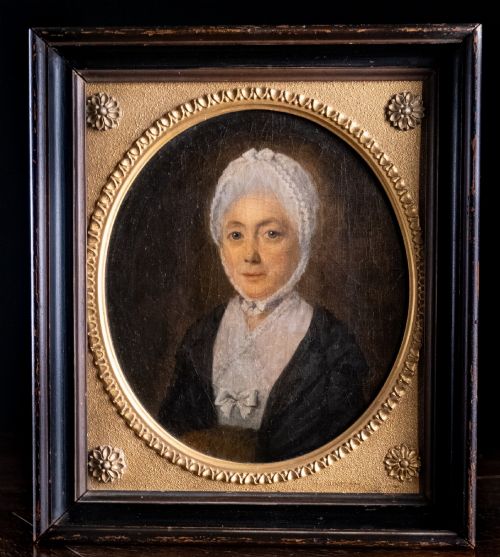
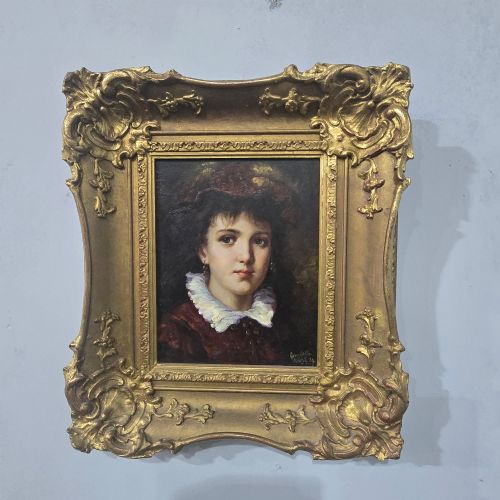
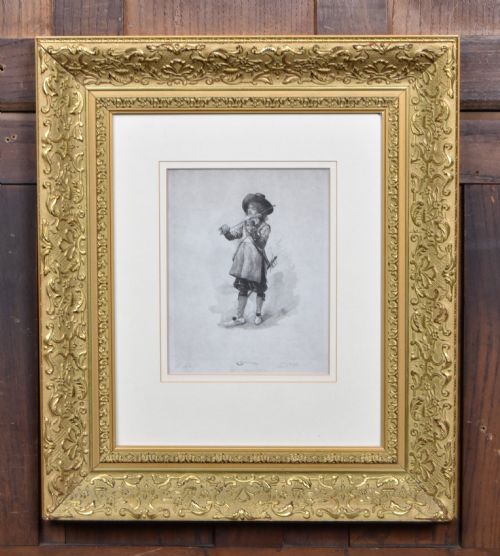
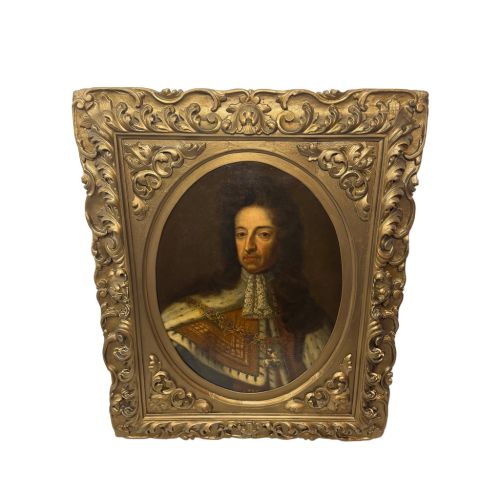
These pieces of gilded wood artwork combine painted canvas and wood panels with ornate metallic framing.
Gilded Wood Artwork
Gilded wood artwork encompasses paintings, prints, and basso-rilievo reliefs housed within metallic or gold-toned frames dating from the seventeenth century through the mid-twentieth century.
Buyers will encounter oil paintings on canvas and wood panels, watercolours, and pastel portraits, frequently accompanied by period frames shaped in Victorian, Georgian, Baroque, and Rococo styles.
The selection ranges from Dutch golden age portraits and Italian Renaissance revivals to pastoral landscapes and domestic animal scenes.
Materials and construction
Paintings utilise oil or pastel applied to canvas, wood panels, paper, and board, while frames are constructed from wood finished with gesso and gold leaf.
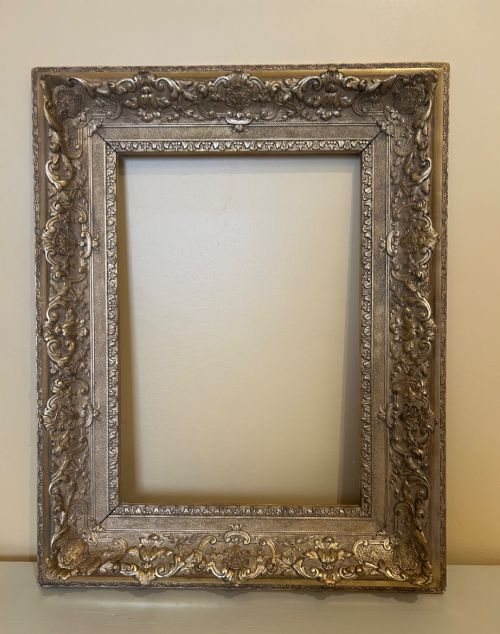
Makers shaped decorative moulding from wood before applying layers of gesso to build up intricate relief patterns and applying thin metal leaf to achieve the characteristic metallic sheen.
The listings span multiple centuries, ranging from seventeenth-century portraits to mid-twentieth-century watercolours set in gilt frames.
Judging quality
Quality rests in the finesse of the brushwork and the depth of the gesso moulding on the frame, distinguishing hurried decorative output from accomplished studio execution.
Pieces that retain their original period frames alongside well-preserved paint layers demonstrate higher artistic integrity than mismatched combinations.
Samuel Dixon·Thomas Spinks·Alfred Arthur Brunel de Neuville·Paul-Jean Anderbouhr·Gaston Cornil
The Gilded Wood Artwork Glossary
- Gesso
- A plaster mix applied to wood surfaces as a preparation for gilding. This mixture provides a smooth base for gold leaf application.
- Basso-rilievo
- A sculptural technique where figures project only slightly from the background plane. Samuel Dixon employed this method for his pheasant artwork.
- Chiaroscuro
- An artistic effect contrasting light and dark used in painting to create volume. This technique appears in seventeenth-century tavern scenes.
- Oleograph
- A mechanical colour print textured to imitate an oil painting. These prints sometimes sit under glass within period frames.
Gilded Wood Artwork: Frequently Asked Questions
How do I date a gilded frame?
Frame dating relies on observing the complexity of the gesso ornamentation, wood shrinkage, and corner joinery techniques.
Earlier frames often display hand-carved wooden details, whereas later nineteenth-century examples utilise moulded gesso compositions over pine carcases.
Can I hang these in direct sunlight?
Direct sunlight damages oil paint, paper, and wood over time, causing fading and cracking across the artwork.
Positioning these pieces away from strong windows protects both the canvas pigments and the delicate metallic leaf on the frame.
Are original frames important?
Original frames complete the historical context of antique paintings and maintain the visual balance intended by the maker.
A matched period frame significantly contributes to the overall integrity of the piece.
How should I clean gilded wood?
Dusting requires a soft, dry brush to prevent abrasive particles from scratching the delicate metallic surface.
Water and chemical cleaning agents dissolve historic gesso and must be avoided entirely.