



Victorian Wood Engraving
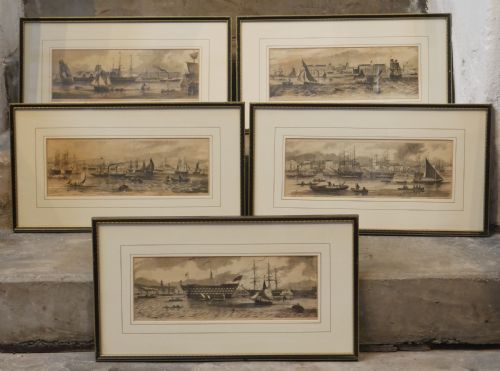
A victorian wood engraving brings the detailed imagery and visual culture of the nineteenth century into modern interiors.
Victorian Wood Engraving
A victorian wood engraving delivers detailed illustrative scenes onto paper using techniques developed for mass publication and artistic prints during the nineteenth century. These printed works capture subjects ranging from military campaigns and historical events to natural history and architectural views.
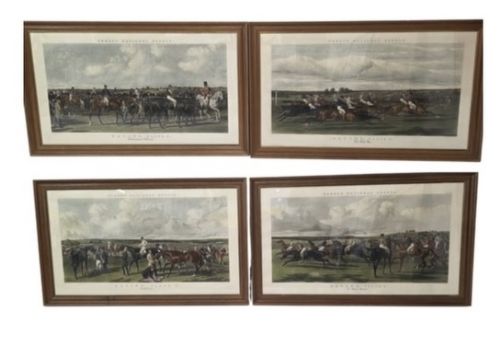
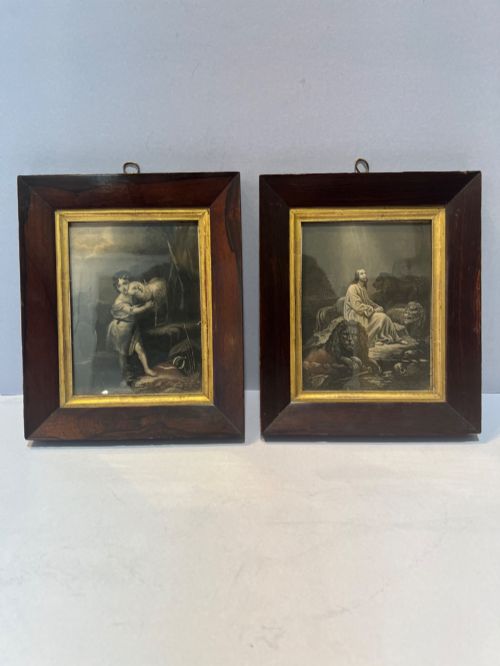
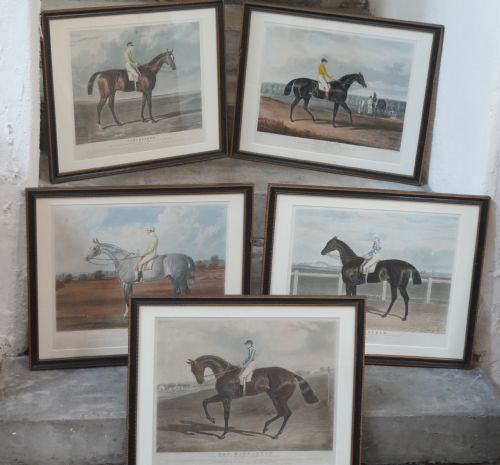
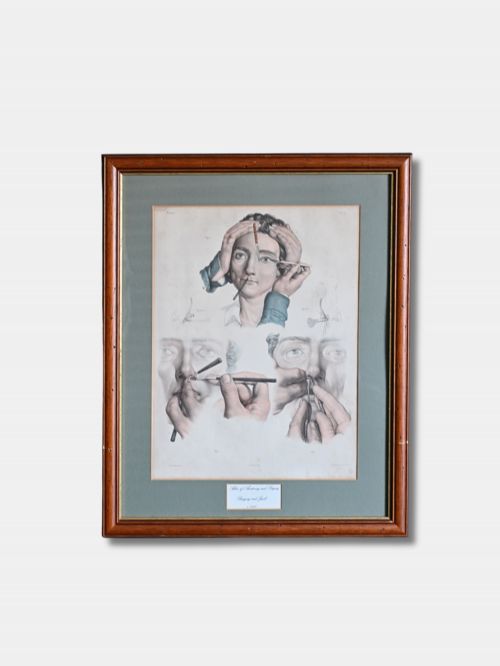
Buyers browsing this selection will most frequently encounter framed prints and engravings dating from the nineteenth century, alongside broader categories of Victorian prints and engravings. The pieces range from single sheet images to compiled sets depicting subjects such as the Second Anglo-Afghan War.
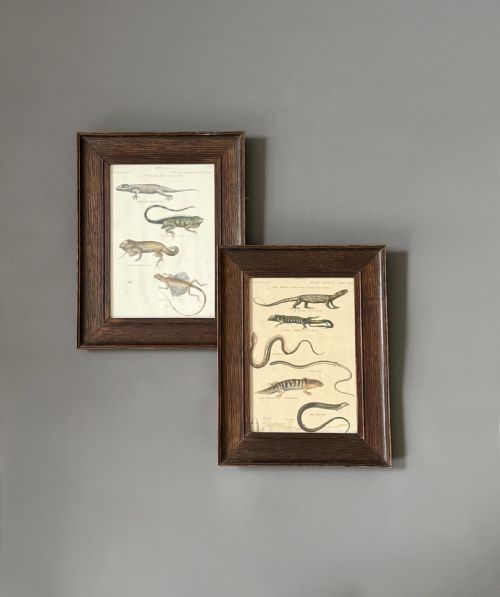
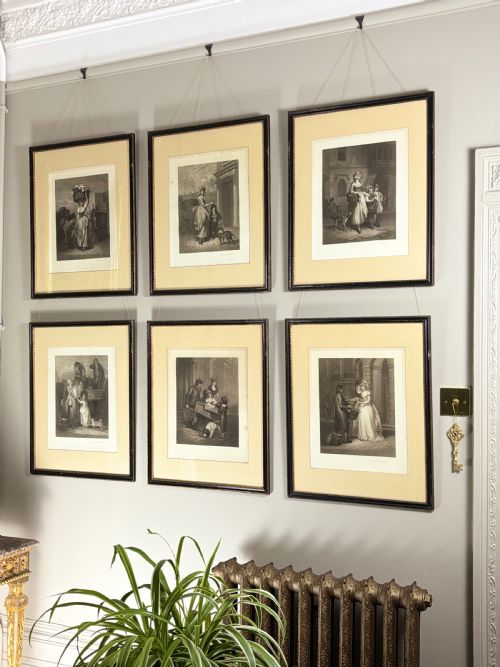
The aesthetic of these works reflects the Victorian era's focus on documentation and narrative illustration, utilising paper as the primary support medium. Pieces often arrive framed in wood or glass enclosures suited for wall display.
Materials and Production
Production relies on paper as the substrate for receiving ink transferred from carved blocks or plates during printing. The physical construction combines paper sheets with framing materials such as wood and glass to preserve the delicate surfaces.
The technical execution involves cutting designs into blocks of wood to create raised lines that hold ink for pressing onto paper. This relief printing method allowed workshops to produce sharp, fine lines suitable for intricate narrative scenes and scientific illustrations.
Some nineteenth-century engravers worked so fast they could finish a battle scene before the smoke cleared.
Assessing Print Quality
Quality in these printed works depends on the crispness of the inked lines and the clarity of the printed impression against the paper. Superior examples maintain distinct details in complex areas without blurring or ink bleeding.
The condition of the paper ground and the integrity of any associated framing contribute significantly to the overall standard of a piece. Well-preserved sheets lacking heavy discoloration or tearing represent the higher tier of surviving examples.
Gustave Doré·Adolphe Pannemaker·Thomas G Appleton
The Victorian Wood Engraving Glossary
- Wood engraving
- A relief printing technique where an artist carves an image into the end-grain of a dense block of wood. This method permits exceptionally fine lines and tonal variation compared to traditional woodcut.
- Engraving
- A printmaking process where lines are incised into a hard surface using a sharp metal tool called a burin. The resulting grooves hold the ink that transfers to paper under pressure.
- Lithograph
- A planographic printing process based on the chemical repulsion of oil and water. It allows artists to draw directly onto a limestone slab or metal plate to achieve painterly results.
- Mezzotint
- A tonal printmaking method of the intaglio family where the copper plate is roughened uniformly to produce rich dark areas. Lighter tones are scraped and burnished into the plate to create gradients.
Victorian Wood Engraving: Frequently Asked Questions
What subjects do these prints show?
These works depict a wide variety of historical, military, and illustrative subjects recorded during the nineteenth century. Common themes include narrative scenes from conflicts, topographical views, and general Victorian graphic art.
Many examples serve as historical documents of contemporary events, such as military campaigns and public architecture. Others focus on narrative illustrations created for books and periodicals of the period.
How should I frame and hang them?
Framing should utilise conservation-grade materials to protect the paper substrate from acidic backing boards and environmental moisture. Keeping prints away from direct sunlight prevents fading of the ink and discoloration of the paper.
Display them on interior walls where temperature and humidity remain relatively stable throughout the year. Proper glazing with UV-filtering glass helps shield the delicate paper surfaces from light damage.
Are these works original period pieces?
The pieces listed originate primarily from the nineteenth century, reflecting the active period of Victorian print production. They were produced during the eras when wood engraving served as a primary medium for illustration.
Collectors can identify period examples by examining the paper quality, ink application, and stylistic characteristics typical of nineteenth-century printing technology. The materials and methods align directly with historical production standards.
How do I care for antique paper?
Preserving antique paper requires maintaining stable humidity levels and storing or displaying prints in clean, dry environments. Avoid touching the paper surface directly with bare hands to prevent transferring natural oils onto the sheet.
Professional framing using acid-free mounts ensures the paper does not degrade over time. Routine inspections of the backing and glazing help catch any environmental issues early.