

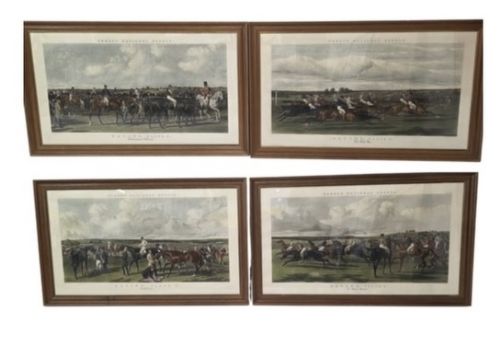


Paper Wood Engraving Print
Paper wood engraving print works bring historical cartography, portraiture and botanical study into domestic spaces through enduring framed works.
Paper Wood Engraving Print
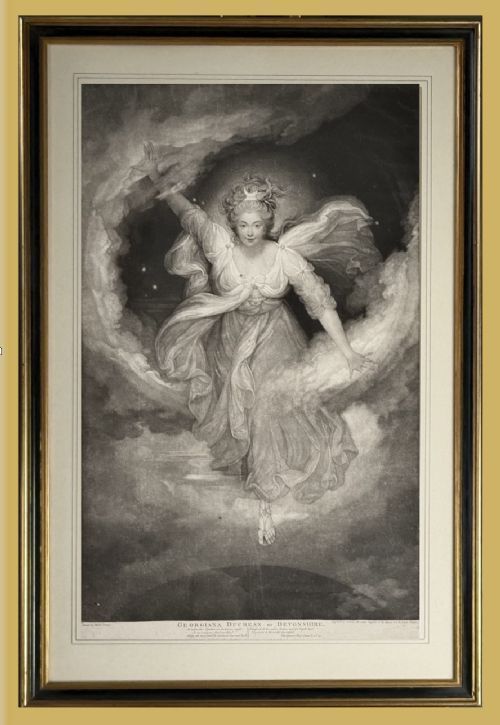
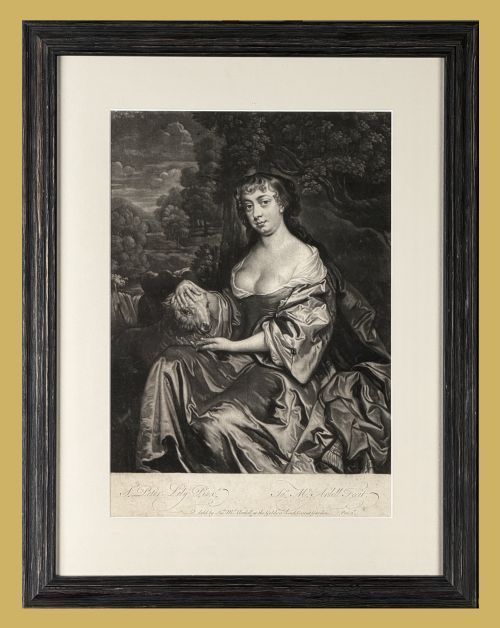
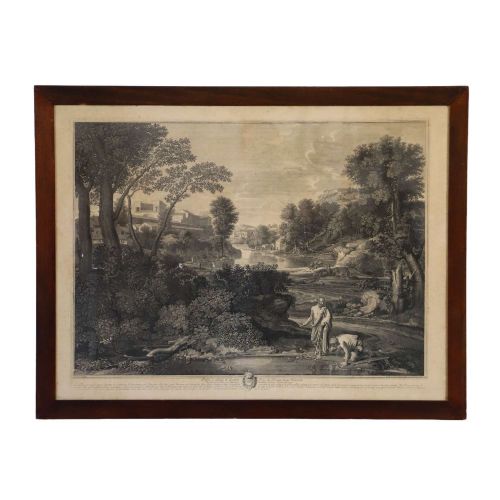
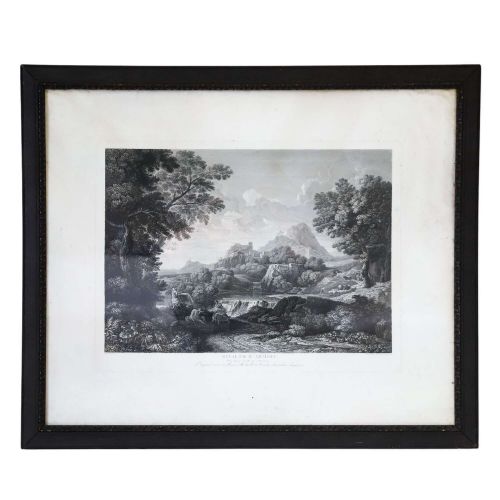
Paper wood engraving print selections span wall art, framed prints and framed maps originating from the seventeenth, eighteenth and nineteenth centuries. Buyers examine cartography from English, Dutch and French atlases alongside botanical studies and portraiture.
The most common formats on this page include framed county maps, architectural plates and series of natural history studies. These pieces capture historical geography and scientific illustration through printed media preserved in period frames.
Originating across Georgian, Victorian and Regency periods, these works reflect European printmaking traditions. They combine engraved plates on paper with period framing materials like wood and glass.
Materials and print techniques
Makers utilised paper sheets imprinted with ink through engraved wood or metal plates, sometimes applying watercolour or hand tinting by brush. Many examples include gilt or gold leaf highlights on the framing.
Framing typically involves timber mouldings enclosing glass to protect the paper surface. Original frames accompany several examples from the seventeenth and eighteenth centuries.
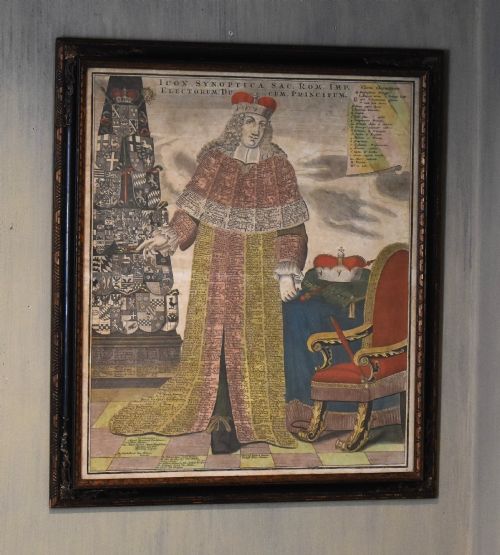
Fish, birds and insects share the page with maps of Cheshire and the Holy Roman Empire, proving past scholars catalogued everything that swam, flew or crawled.
Defining quality in antique prints
Quality rests upon the clarity of the impression from the plate and the preservation of the paper. Crisp lines in detailed cartography and botanical studies distinguish superior plates.
The survival of original framing and contemporary hand colouring separates notable pieces from later uniform assemblies. Intact margins on maps and prints indicate better preservation.
Valentine Green·James Macardell·Étienne Baudet·Jonathan Couch·Antonio Capellan·John Curtis·Joan Blaeu·John Speed
The Paper Wood Engraving Print Glossary
- Engraving
- A printmaking technique where an artist cuts an image into a metal plate or wood block to hold ink. This method produces fine, precise lines characteristic of historical maps and botanical illustrations.
- Mezzotint
- A printmaking process of the tonal method where the copper plate is roughened to achieve dark areas and scraped for lighter tones. This technique yields subtle gradations suited to portraiture.
- Cartography
- The study and practice of making maps. Antique examples on paper record historical borders, topography and town plans.
- Stipple engraving
- A method of producing tones through a dense pattern of dots rather than continuous lines. This style was often applied to figurative scenes and portraits.
Paper Wood Engraving Print: Frequently Asked Questions
How do I identify a wood engraving?
Wood engravings are relief prints carved across the grain of the wood block, yielding fine, sharp lines under magnification. They appear frequently in nineteenth-century book illustrations and periodicals.
Printers used them alongside text because the blocks shared the height of movable type. Examining the paper surface reveals the indentation left by the block during printing.
Are these antique maps original?
The maps listed originate from the periods stated, ranging from seventeenth-century Dutch atlases to eighteenth-century English and French publications. They are printed from original plates rather than being modern reproductions.
Cartographers such as John Speed and Joan Blaeu produced these maps for contemporary atlases and regional surveys.
How should I care for framed paper art?
Framed paper works require placement away from direct sunlight to prevent fading of the ink and paper. Stable indoor humidity levels protect both the paper support and the wooden frame.
Glazing shields the surface from dust and handling, while backing boards should remain sealed to prevent environmental damage.
What does hand-tinted mean on a print?
Hand-tinted refers to watercolour pigments applied by brush to a monochrome print after the impression was pulled. Artisans added colour to botanical plates, maps and portraits to enhance visual detail.
This work was often performed in publishing workshops or by independent colourists shortly after printing.